
Have you ever picked up your phone to check one notification… and looked up to realize you've been scrolling for an hour? You're definitely not alone.
Doomscrolling is the habit of continuously consuming negative news or upsetting content. It might include watching endless TikToks and Reels or scrolling through social media before bed.
These activities aren't inherently bad. They can be fun, relaxing or even help us connect with others. Over time, they might also become our default way to cope with stress. That's when these habits can start to affect our sleep, focus, relationships and mental health.
For university students juggling classes, deadlines, part-time jobs and social lives, understanding these habits is more important than ever.
Why does doomscrolling feel so bad?
University life comes with plenty of stress. After a long day, it's natural to want an easy escape. That's often where the screen comes in.
Think about where most of your screen time goes. It might be:
-
Endless social media feeds
-
Constantly refreshing the news
-
Watching online videos or livestreams
-
Hours spent gaming
-
Binge-watching tv shows or podcasts
-
Viewing online sexual content
These activities can provide immediate entertainment, distraction or relief from stress. Our brains are wired to seek rewarding experiences.
Activities that provide novelty, entertainment or social connection activate the brain's reward system and make us more likely to return. That doesn't mean these activities are inherently harmful.
But when they consistently replace sleep, studying, exercise or in-person relationships, they can become a problem.
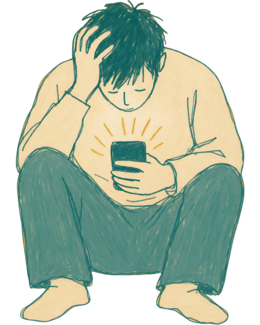
Research suggests that excessive screen time can be associated with:
-
Increased stress and anxiety
-
Difficulty concentrating
-
Poorer sleep quality
-
Lower academic performance
-
Reduced physical activity
-
Greater feelings of loneliness and social isolation
Doomscrolling is particularly linked to heightened stress. It can trigger your brain’s threat-detection system by flooding your body with the stress hormone cortisol. This can leave us feeling overwhelmed while giving us little sense of control.
How to break the habit
You don't need to delete every app or swear off technology completely. Use these tips to help create more balance and take control of your digital habits.
Recognize your triggers
Ask yourself:
-
Do I scroll most when I'm stressed?
-
Am I avoiding an assignment?
-
Am I bored?
-
Am I trying to avoid uncomfortable emotions?
Recognizing patterns in your behaviour can help you make intentional choices instead of automatically reaching for your phone.
Protect your sleep
One of the biggest casualties of excessive screen time is sleep.
Aim to:
-
Stop scrolling 30–60 minutes before bed
-
Keep devices out of bed when possible
-
Use Night Mode if you're on a screen in the evening
-
Replace bedtime scrolling with reading, stretching or meditation
Better sleep often leads to better focus, mood and energy the next day.
Watch for signs that digital habits are becoming unhelpful
You might notice:
-
Losing track of time online
-
Staying up later than planned
-
Finding it difficult to focus on studying
-
Feeling more anxious or depressed after scrolling
-
Reaching for your phone whenever you're uncomfortable or bored
-
Choosing screen time over hobbies, exercise or social activities more often than you'd like
Create friction
Make mindless scrolling a little less convenient.
Try:
-
Turning off non-essential notifications
-
Removing social media apps from your home screen
-
Using Focus Mode during study sessions
-
Charging your phone across the room at night
-
Setting app time limits
Even small changes can reduce automatic habits.
Replace old habits with new ones
It's easier to replace a habit than to eliminate one entirely.
Instead of automatically reaching for your phone, try:
-
Going for a short walk
-
Calling a friend
-
Reading a few pages of a book
-
Exercising
-
Journaling
-
Making a snack
-
Spending a few minutes outside
These activities can provide enjoyment and help you recharge without leaving you feeling mentally drained.
Eight tips for building healthier digital habits
Healthy digital habits are built gradually over time. Try one or two of these strategies:
-
Schedule screen-free study breaks
-
Keep your phone out of reach during lectures or focused study time
-
Turn off autoplay on streaming platforms
-
Set realistic limits for gaming or streaming sessions
-
Follow creators who educate or inspire rather than increase stress
-
Plan weekly offline activities with friends
-
Spend time outdoors whenever possible
-
Pay attention to how different online activities affect your mood and energy
Online activity is a big part of modern life. There's nothing wrong with enjoying social media, gaming, streaming or other digital activities.
The key is to notice when those activities stop helping you recharge and start interfering with the things that matter most.
Small changes, like setting boundaries on screen time or replacing it with more restorative activities, can have a surprisingly big impact over time.
Is your screentime impacting daily life?
We're all doing our best to manage our digital habits. Sometimes it can feel too big to tackle alone.
If your online life feels out of control, or is starting to impact your relationships or academics, talking to someone can help.