
Nutrition by Addition focuses on what can be added to meals and snacks to help the body and mind perform at their best. This approach highlights specific foods and nutrients that support energy, focus, mood, immunity, and long-term health—making nutrition feel achievable and practical during busy university life.
Consistently adding nutrient-dense choices—such as pulses, dietary fats, and fibre—can support steadier energy, sharper concentration, and greater resilience during stressful periods like midterms and finals. Over time, these additive habits build a strong foundation for lifelong well-being. Nutrition by Addition reframes food as fuel for academic performance now, while also investing in long-term health well beyond graduation.
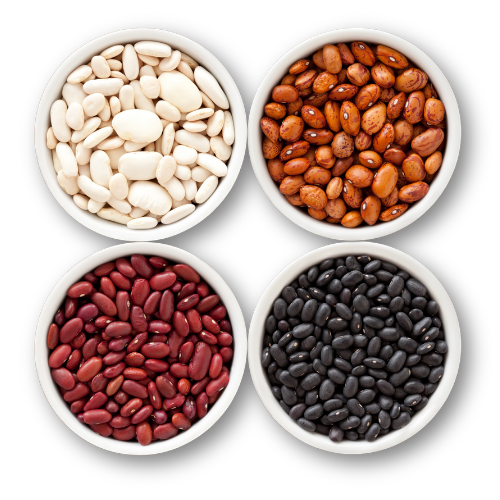
Protein Packed Pulses
Pulses are the edible seeds from the legume family and include beans, peas, chickpeas and lentils.
They are a good source of protein, providing 9 grams per serving on average, and an excellent source of fibre. Protein is a core macronutrient that supports bone, muscle and organ health. Getting a variety of protein choices in our diet can help support adequate muscle growth and repair. Choosing more plant-based proteins, such as pulses, can benefit our own health as well as the environment. They also contain key micronutrients like folate, iron and potassium. They are great for stabilizing blood sugar, lowering blood pressure and cholesterol contributing to a healthy gut microbiota.
How can I get more pulses in my diet?
- Try using black beans or pinto beans in place of half or all the meat in your tacos, quesadillas or burrito bowls.
- Swap mayo for a creamy chickpea hummus on your sandwich.
- Add edamame to your poke bowls.
Dependable Dietary Fats
Prioritizing monounsaturated and polyunsaturated fats that occur naturally in foods like canola and olive oil, avocados and nuts can be beneficial for general health and reduce cardiovascular disease risk.
Fat is one of our core macronutrients, meaning it supports important physiological processes. Fat plays several vital roles: it's required for proper absorption of fat-soluble vitamins A, D, E, and K; supports heart, brain, and eye health; and enhances both flavour and satiety at meals, helping you feel satisfied longer. Health Canada recommends that healthy adults consume 20% to 35% of their total daily calorie intake from fats, which equates to roughly 44 to 75 grams of total fat per day for a standard diet.
How can I incorporate healthy dietary fat into my meals?
-
Add avocado as a creamy and delicious addition to sandwiches, salads, wraps and bowls.
-
Toss your greens with olive oil, vinegar or lemon juice and seasonings for a quick and delicious dressing.
-
Choose unsalted nuts or seeds as an easy grab and go snack.

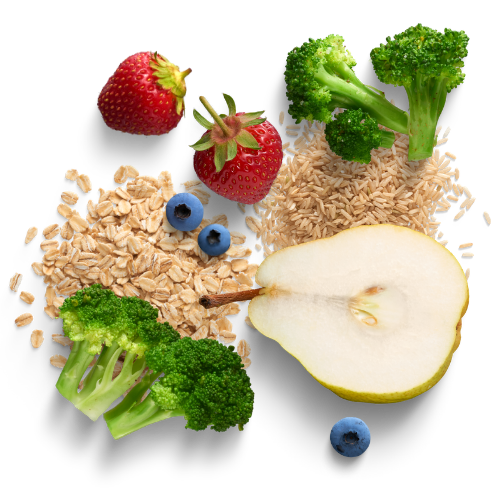
Flourish with Fibre
Fibre is essential to digestion and gut health and helps you to feel full and satisfied after a meal. Fewer than 25% of Canadians get enough fibre day to day! Fibre is found in fruits, vegetables, whole grains like oats, long grain or brown rice, quinoa, whole wheat bread and pastas, popcorn, buckwheat, farro as well as legumes and pulses like beans, chickpeas and lentils.
Fibre supports blood sugar balance when paired with other macronutrients as well as heart health and can protect against high cholesterol levels. It is good to aim for 25–35 grams per day. It's important to start slow and build up over time and be sure to also focus on drinking water or other fluids throughout the day. Increasing fibre intake too quickly can lead to stomach upset, constipation, and bloating.
How can I get more fibre in my diet?
-
Include carrot and bell pepper sticks with your lunch.
-
Mix a handful of greens into your stir-fry or eggs.
-
Sprinkle chia seeds, flax seeds and/or hemp hearts onto your yogurt bowl or include them in a smoothie.
-
Chose whole wheat or whole grain bread for toast and sandwiches.
Have more questions about nutrition?
With a referral from a Campus Wellness physician, counsellor or nurse practitioner, our registered dietitian, Courtney Wilson provides individual counselling if you have nutrition or food-related health concerns. She can help with challenges such as disordered eating, irritable bowel syndrome, diabetes, vegetarian diets, food allergies, lactose intolerance, Celiac disease and more. Want to connect with Courtney? Book an appointment with our campus wellness team to discuss a referal.
Nicole Pin is a Registered Dietitian and is responsible for developing, implementing, and maintaining nutrition programming for Food Services with a focus on health and wellness for the student community. Nicole collaborates with students to support their individual dietary needs and help them make informed, nutritious choices. She is happy to provide guided tours of your residence dining hall and help find options that work for you. Want to book time to chat with Nicole? Email us at foodserv@uwaterloo.ca.

Focus on progress over perfection
University life is busy, full, and sometimes unpredictable, and meals do not always look “perfect.” That is completely okay. Instead of focusing on what to cut out, Nutrition by Addition centres on what can be brought into meals and snacks to help support steady energy, clearer focus, and a more balanced mood throughout the day.
Simple additions such as pulses, nourishing fats, and fiber-rich foods can help sustain energy for long lectures, support concentration during study sessions, and build resilience during midterms and finals. These small, realistic shifts are not about changing everything overnight. They are about building habits that feel manageable and sustainable.
Over time, consistent additions create a strong foundation for wellbeing that extends far beyond graduation. Food becomes more than something grabbed between classes. It becomes reliable fuel for academic success now and long-term health in the years ahead.