Chantel Markle named Canada Research Chair
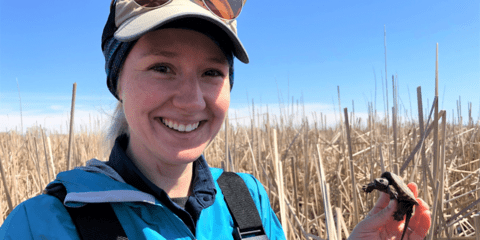
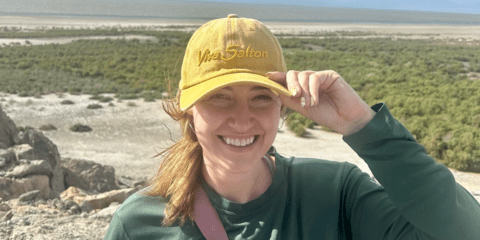
Dr. Chantel Markle is named Canada Research Chair in Wildlife Ecohydrology and Global Change.
Just in time for World Ocean’s Day, Derek Armitage has co-edited a new book on creating a sustainable future for Canada’s oceans and coasts.
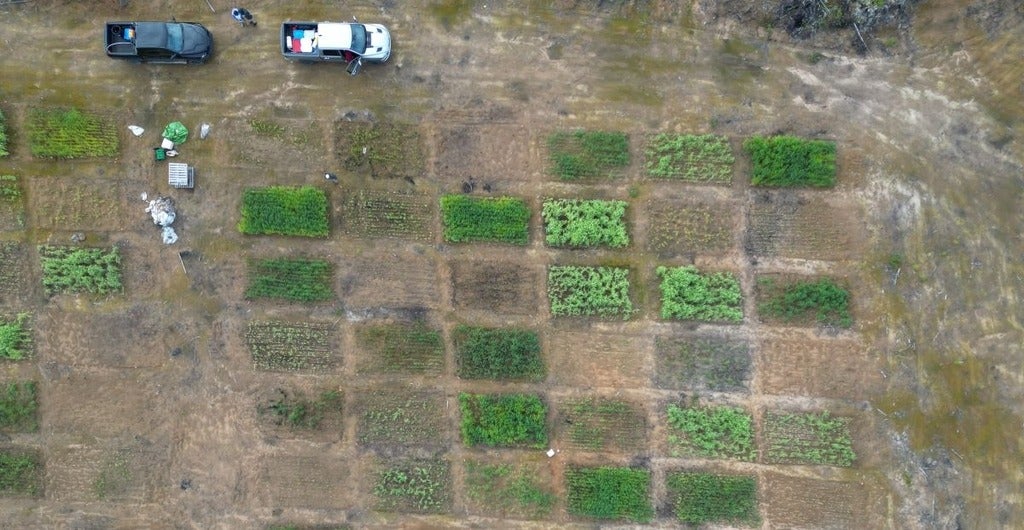
The Soil Ecosystems Dynamics Lab at SERS, under the leadership of Dr. Maren Oelbermann, is collaborating with the BioSoil North team at Memorial University of Newfoundland. Together, they are using a multidisciplinary approach to address the challenges of harnessing Happy Valley-Goose Bay's potential for sustainable commercial crop production. The research focuses on developing sustainable agricultural techniques to enhance soil fertility and crop yields in this northern boreal area while sequestering carbon and mitigating greenhouse gas emissions.
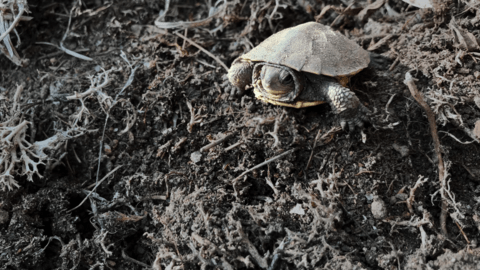
With Ontario’s eight species of turtles considered at risk, a new nest designed by researchers has the potential to significantly bolster their struggling populations.
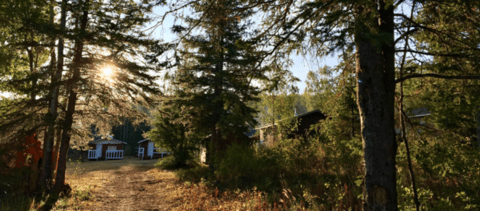
This blog entry dives into co-reclamation of oil sands-degraded homelands at Fort McKay First Nation and the truths and complementary reconciliation actions that emerged from the project.
SERS PhD candidate Isabel Jorgensen has been awarded a prestigious P.E.O. Scholar Award for her high level of academic achievement and potential to have a positive impact on society. Congratulations, Isabel!
The research group that Prof. Stephen Murphy leads studies restoration and conservation generally. The projects that the group undertakes cover a wide subject area and have a variety of partners. Prof. Murphy updates us on the latest activity in his dynamic group - restoration, conservation, policy, practice, endangered species, ecology, earthworms, pollen, life, and death. What more can you ask for?
Republishing an article published in The Conversation written by SERS professor Robert Gibson.
Amendments to Canada's Impact Assessment Act are being drafted in response to a Supreme Court ruling in October 2023 where a majority of justices concluded that some aspects of the federal Impact Assessment Act reached too far into provincial jurisdiction. Drafting amendments to Canada's Impact Assessment Act will be a difficult assignment. Officials need to respect Canada's Constitution and also apply new knowledge and act on new imperatives. Challenges include not only bringing the laws into constitutional compliance but also meeting 21st-century needs for assessments and decision-making in the lasting public interest.
Dustin Garrick has been appointed director of the University of Waterloo’s Collaborative Water Program for a two-year term, effective January 1, 2024. Dustin is University Research Chair in Water and Development Policy, associate professor in SERS and is a Water Institute member.
Established in 2013, the Collaborative Water Program is unique at the University of Waterloo and globally for its interdisciplinary approach and focus on learning through hands-on experience. The aim is to train the next generation of water leaders and equip them with the job-ready skills needed to understand and address complex water challenges.
In an interview with Waterloo's Co-operative Education, third-year ERS student Putri Cullinane discusses her work experience in government and non-profits roles, along with strategies for maintaining well-being in the face of eco-anxiety.