
As distressing events and ongoing unrest continue to unfold around the world, their impact reaches far beyond headlines. On university campuses, where people from many cultures, identities, and lived experiences come together, global crises can bring complex emotional, cultural, and academic challenges. These moments can affect our mental and physical well-being, shape our day-to-day experiences, and make it harder to focus, stay motivated, and keep up with responsibilities.
Common challenges during global conflicts:
-
Emotional and mental health strain: whether you have family or friends living in conflict zones or not, you may experience anxiety, fear and guilt. Constant exposure to distressing news can compound these feelings.
-
Academic disruptions and inability to concentrate on your studies: feelings of anxiety, fear and guilt can take away your ability to focus and meet deadlines, compounding feelings of helplessness.
-
Financial and logistical struggles: global instability can disrupt finance aid and family support. You or your classmates may struggle to pay tuition or living expenses. Further compounding emotional distress.
-
Cultural tension and misinformation: heightened emotions can lead to tension between students and student groups. Misunderstandings or biases may strain relationships or have potential to create hostile environments.
-
Displacement and legal challenges: some students, particularly international students, may face visa complications and travel restrictions. It can become overwhelming to navigate increased paperwork and systems.
Health and well-being resources
Connect with the Campus Wellness Counselling Services team, a caring group of professionals dedicated to creating a safe, welcoming space for students of all identities, orientations, and backgrounds. Whether you’re feeling overwhelmed, facing a difficult situation, or just need someone to talk to, we’re here to listen.
Our services are free of charge, private, and confidential. You can meet with us in person or virtually, whatever feels most comfortable for you. Reach out anytime to get the support you deserve.

Academic support resources
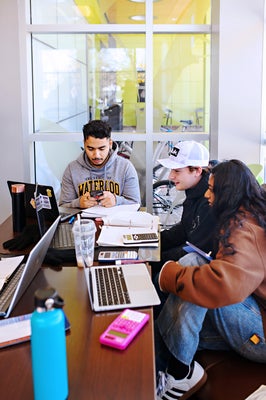
Connect with AccessAbility Services if you’re experiencing impacts from trauma. They can help you develop your individualized academic accommodation plan for all components of your academic career. Retroactive accommodations are possible. If the situation has impacted your academic responsibilities and you require support navigating program policies, connect with your undergraduate academic advisor or graduate program coordinator.

International student support resources
Seek immigration and one-on-one support from the International Student Experience Centre. You can reach out for help with:
-
Navigating things like financial aid, healthcare, off-campus housing and more to help you settle in at Waterloo.
-
Identifying supports on and off campus.
-
Connecting with appropriate support contacts.
-
Advocating for students in extenuating circumstances.
In times like these, care and connection matter more than ever. By approaching one another with empathy, curiosity, and compassion, we can foster a campus community where everyone feels seen and supported. Together, we can take meaningful steps toward understanding, offering support, and creating spaces where it’s okay to not be okay and where no one has to navigate difficult times alone.