Pyroneers: Turning invasive species into climate solutions
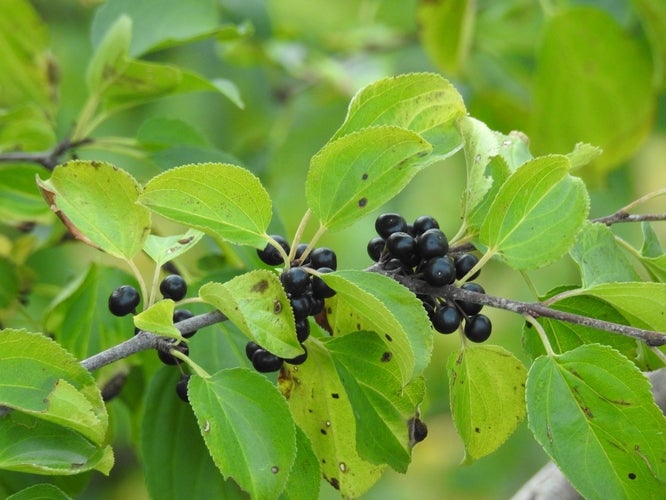
Have you seen this plant before? Chances are that you have.
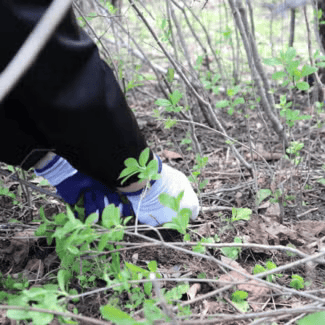
This is common buckthorn, a highly invasive species found across Waterloo Region. It threatens local biodiversity and disrupts natural ecosystems.
Laurel Pierroz-Wong, a Civil and Environmental Engineering master’s student at the University of Waterloo, first noticed how prevalent buckthorn is on campus during her co-op work term at a water resources consulting firm. Her work took her to creeks across southern Ontario, where she repeatedly saw buckthorn invading local waterways.
Once you know what buckthorn looks like, you really cannot stop seeing it – it's everywhere! But at the same time, it’s still a tree that takes carbon from the air over its life, and what a shame to lose that by landfilling it. Turning buckthorn into biochar is key to our approach for diverting this waste stream.
Pierroz-Wong turned this problem of invasive species into a climate solution through founding Pyroneers.
Pyroneers, funded by the Sustainability Action Fund, is a student-led initiative that explores how invasive buckthorn can be transformed into biochar, a material that stores carbon and acts as a soil amendment.
The project focuses on two main pillars: climate action and education.
Climate action
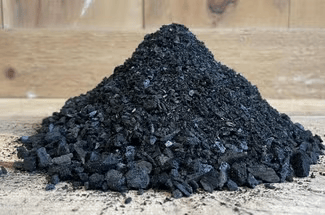
The climate action pillar involves physically managing invasive species by turning buckthorn into biochar, a carbon-rich material that when used in soil can support carbon sequestration. Unlike many other forms of organic waste, buckthorn requires careful disposal to prevent its spread, which often amounts to landfilling or letting the plants dry out. To address this challenge, Pyroneers uses a process called pyrolysis to turn the buckthorn into biochar which is a carbon-rich, charcoal-like material.
Pyrolysis involves heating organic matter in an oxygen-limited environment until it becomes biochar, which stores carbon in a stable form for long periods of time, preventing it from being released into the atmosphere. The process inspired the name Pyroneers, which is derived from word pyrolysis, Pierroz-Wong recounts that she liked that it sounded like pioneers and nods to the engineers behind it all.
Education
The education pillar of the project aims to create an empowering space where students are motivated to take meaningful action on climate change. Education has become a central focus, particularly through workshops designed for high school students. These workshops introduce participants to climate science through interactive demonstrations, allowing them to see how biochar is produced. Students even get to bring some biochar home, and explore its environmental benefits in their own gardens.
By incorporating hands-on activities and games, Pyroneers seeks to make climate education more engaging and accessible. Laurel hopes these workshops will help students recognize that there are many ways to contribute to climate action and encourage them to connect their personal interests with opportunities and potential careers.
Education is very important to the project because it both brings more people into the climate action space and inspires them to set off on their own impact-oriented journeys. We want students to learn about climate change in a way that fosters agency so they come out feeling like they really can make a difference, and why not try?
Looking ahead
As the project continues to develop, Pierroz-Wong is collaborating with students from Engineers Without Borders, University of Waterloo Chapter to build a student design team which will assist with biochar kiln design, educational materials, and class visits.
Looking ahead, Pyroneers aims to partner with local organizations interested in invasive species management and environmental research. These partnerships will help advance the group’s goals of reducing invasive species waste, supporting carbon sequestration, and creating new research and educational opportunities.
Pyroneers demonstrates that environmental solutions begin with curiosity, creativity, and a desire to make an impact .

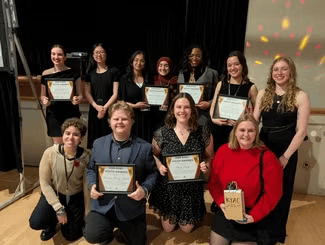
Laurel Pierroz-Wong winning the City of Kitchener's Environmental Youth Award at GreenHouse, recognizing her leadership of the Pyroneers project, which is turning buckthorn into biochar and educating youth on tangible climate action projects.

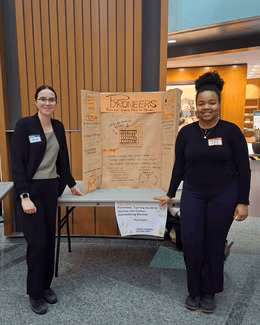
Pyroneers hosting a booth at Engineers Without Borders, The UW Chapter.

Photo of biochar.

Invasive buckthorn being pulled from the ground as a method of invasive species management.
Pierroz-Wong says that, "whether you’re interested in processing buckthorn into biochar, using our biochar, new ways to approach climate education, or just want to get involved, please reach out. We’re always open to connecting."
Interested in learning more? Email Laurel Pierroz-Wong.
Explore more stories in our sustainability news feed or check out recent news stories below →