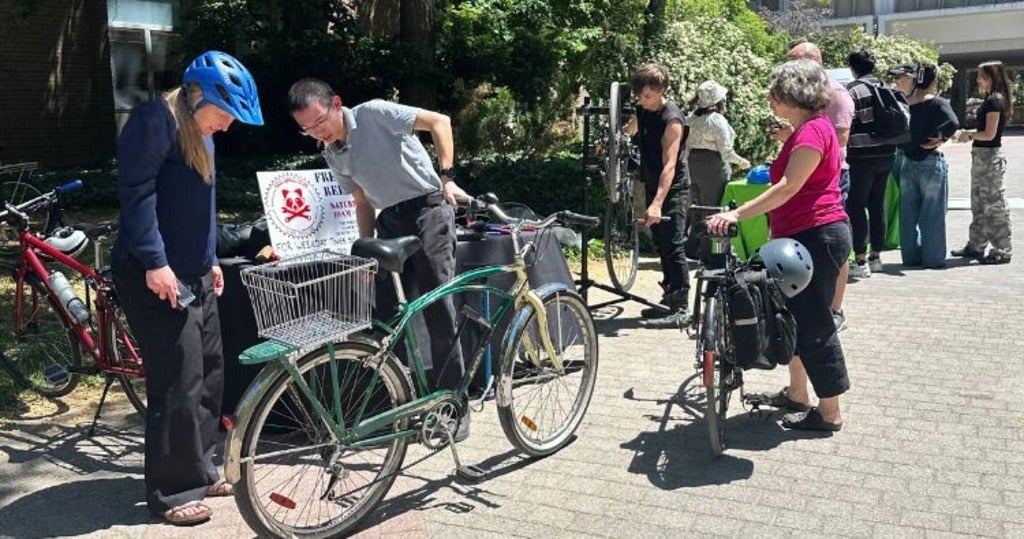
Hands off my ride: How Project 529 is strengthening bike security at Waterloo
Bicycle theft is a growing concern in Waterloo Region. Between 2019 and 2024, the Region reported more than 5,400 stolen bikes, with only 432 successfully recovered.
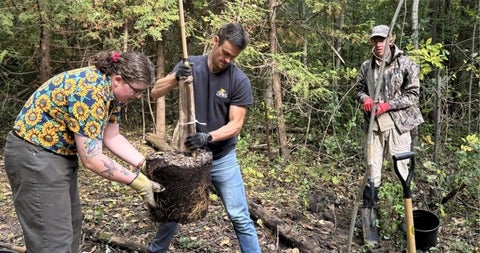
Biology staff and students remove invasive buckthorn and plant native species to restore habitat in the University of Waterloo Environmental Reserve.
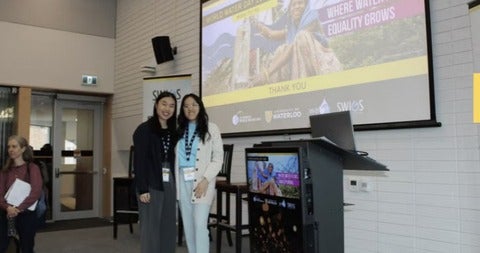
World Water Day is an international celebration of water. It is coordinated by the United Nations and focuses on accelerating SDG 6: Clean Water and Sanitation for all by 2030.
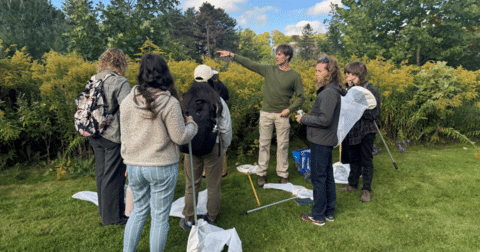
From September 21 to 25, students, staff, faculty, and community members came together for the fourth annual University of Waterloo BioBlitz.
Society for Environmental Restoration – University of Waterloo (SER-UW) chapter, Bird Friendly Kitchener and Bird Friendly Waterloo partnered with the Sustainability Action Fund (SAF) to install Feather Friendly decals on the first and second floors of the Northeast side of the Mike and Ophelia Lazaridis Quantum-Nano Centre (QNC) building.
The University of Waterloo has released its 2026 Environmental Sustainability Report, highlighting progress, challenges, and next steps across campus sustainability efforts.
Food Services partnered with the Sustainability Action Fund (SAF) to promote the eco-mug program by offering free Fairtrade coffee or tea at all UW Food Services–operated cafés and eateries when customers used an eco-mug.
Ambassadors from the Green Office and Green Labs programs joined us for a picnic to celebrate Earth Day!
Global Environmental Measurement and Monitoring (GEMM) has three Sustainability Action Fund projects which focus on improving air quality monitoring and reducing traffic and greenhouse gas emissions on campus. They also aim to demonstrate the need for increasing measurement and monitoring of environmental parameters at a local scale.
Renison University College partnered with the Sustainability Action Fund (SAF) to provide reusable eco-containers to their incoming first year residents for free. The program has a 95% success rate and students have incredibly positive feedback.