Restoring biodiversity at Columbia Lake one root at a time: The Buckthorn Project
Biology staff and students remove invasive buckthorn and plant native species to restore habitat in the University of Waterloo Environmental Reserve.
What is Buckthorn?
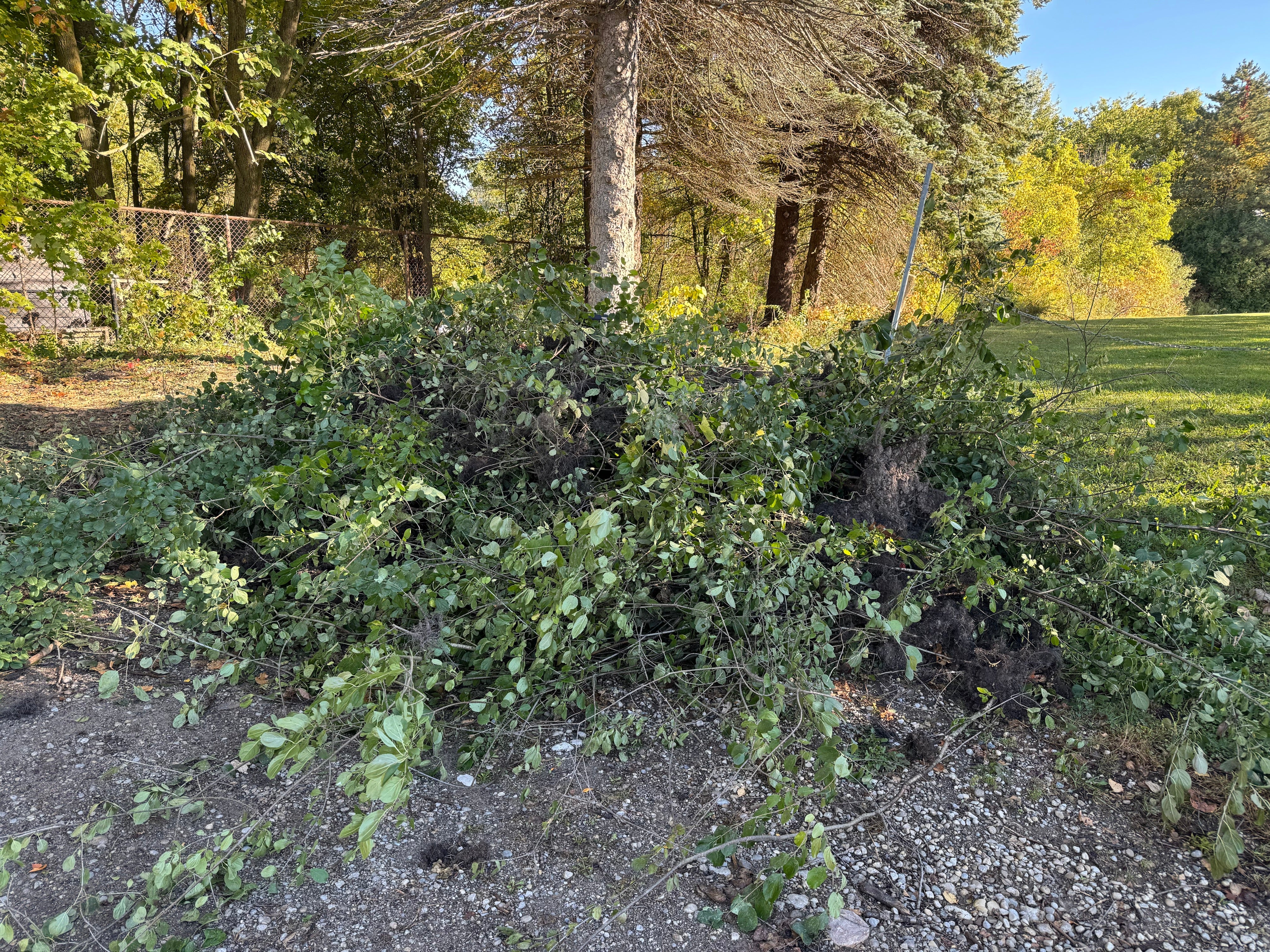
Common Buckthorn (Rhamnus cathartica) is an invasive shrub that spreads aggressively throughout southern Ontario. It thrives in a variety of conditions, particularly open fields where it can form dense patches. Buckthorn spreads primarily by birds, which consume its fruit and disperse the seeds. Buckthorn prevents the growth of native plants and can act as a host for oat rust, a fungus which affects the yield of oats, and the soybean aphid. To learn more about this invasive species, visit the Government of Ontario invasive species page.
Protecting the University of Waterloo Environmental Reserve
The University of Waterloo Environmental Reserve at Columbia Lake is located on the north end of campus, and contains the highest record of bird species in the Region of Waterloo. The site serves as an important recreational and natural area for students, researchers, and the community. Currently, the University operates a bird banding station there to provide hands-on training to students. More than 1,700 species of animals, plants, and fungi have been recorded in the reserve.
We are extremely fortunate to have the Environmental Reserve right on campus. The reserve is an incredibly valuable place for our students, campus community, and public.
With buckthorn widespread throughout the reserve, McGuire and Ryan Leys, PhD Candidate in Biology, have led efforts to remove the invasive Buckthorn in the Environmental Reserve and restore areas with native plants. The project is funded through the Sustainability Action Fund, with additional support from the Sustainability Office, Plant Operations, staff, and students.
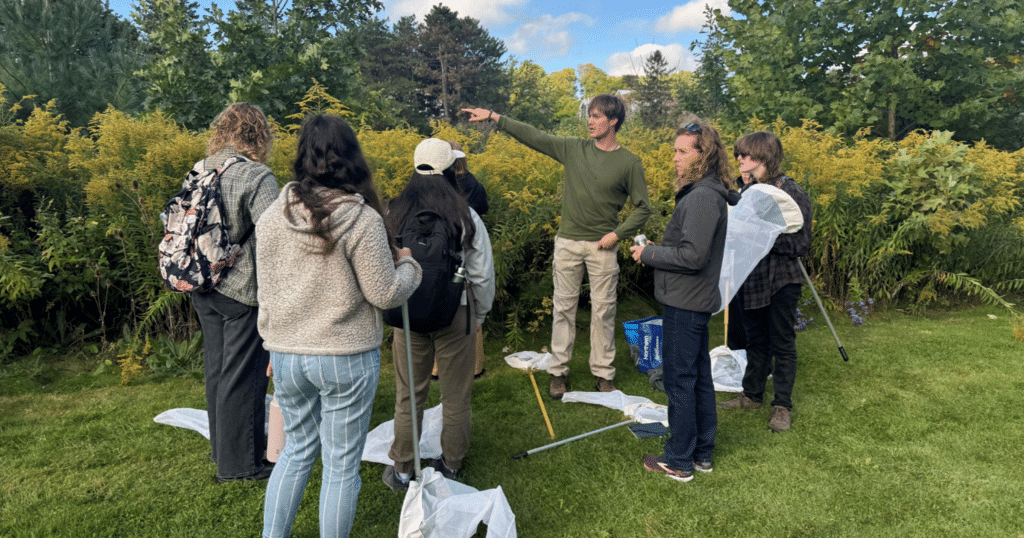
In 2024, McGuire and his team launched the project by surveying vegetation in quadrats and recording various characteristics of the buckthorn plants including size, quantity, and height. Plant Operations then cut down the larger buckthorn plants. McGuire and his team monitored the quadrats to document changes in habitat after buckthorn removal to inform restoration activities.
For McGuire, removing Buckthorn is about building ecological resilience, "It is important that we act as good stewards and take care of space. European buckthorn is an aggressively invasive plant that chokes out and outcompetes native vegetation. Many birds eat the abundant buckthorn berries, but these berries are low-quality nutrition and sometimes act as an unwelcome laxative for birds. By removing buckthorn and planting native species we improve the ecological integrity of the site and provide better habitat for everyone — plants, animals, students, and community."
Pulling Buckthorn, Planting Change
On October 4, 2026, Leys and McGuire led a buckthorn weeding and tree planting event. Students and Sustainability Office staff came together to remove buckthorn in the environmental reserve, which they replaced with 50+ native trees and shrubs such as sumac, serviceberry, ninebark and nannyberry. The event gave participants an opportunity to contribute directly to habitat restoration.
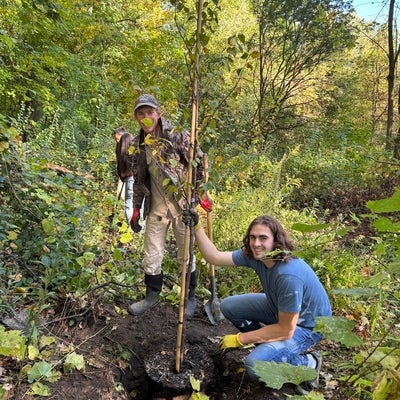
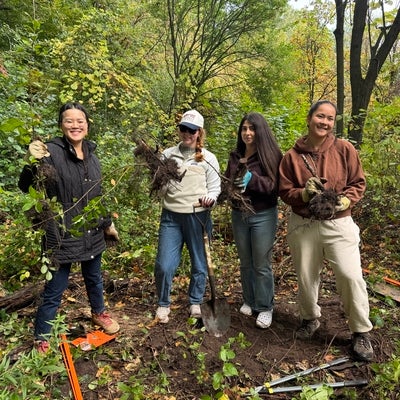
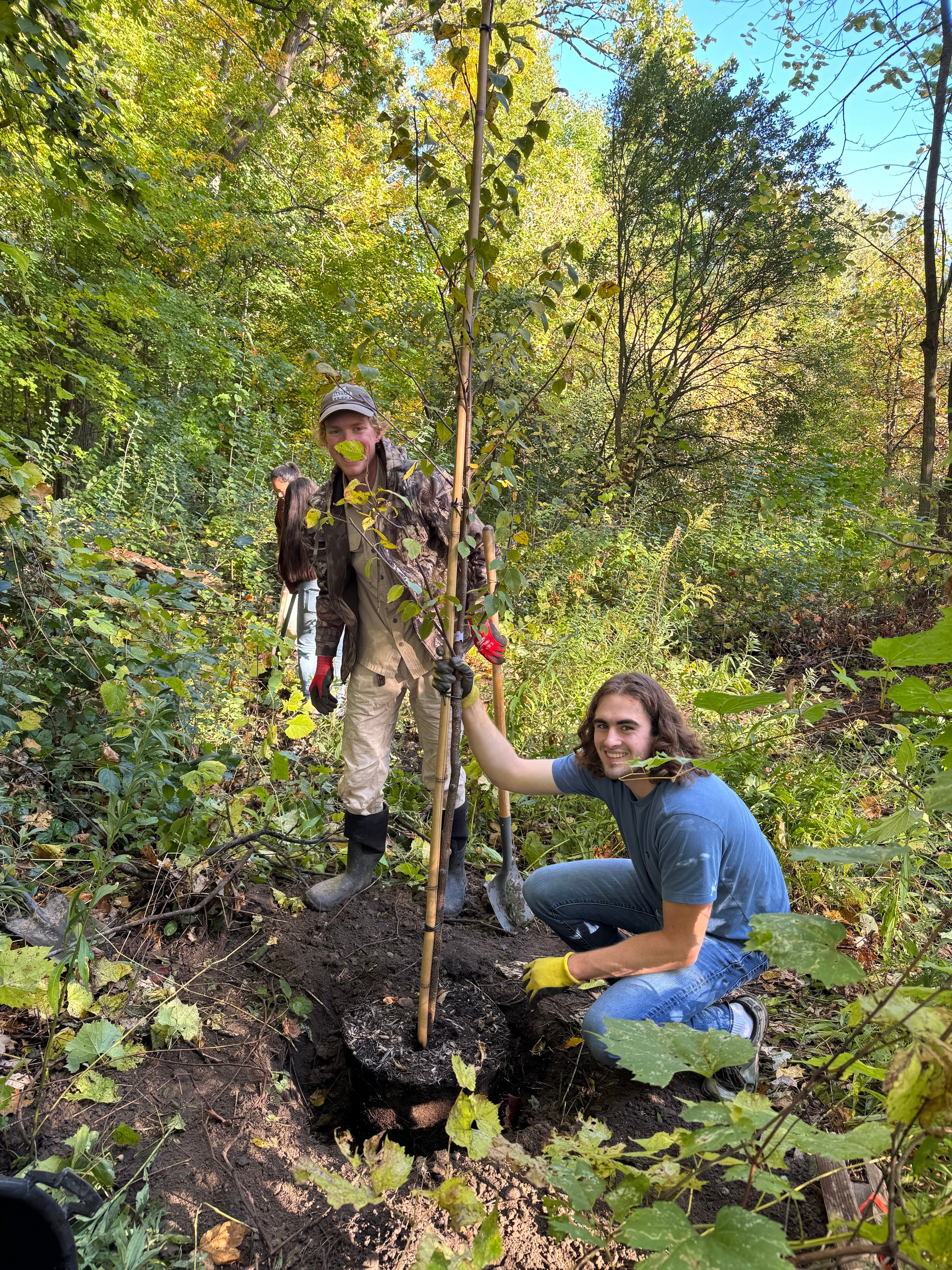
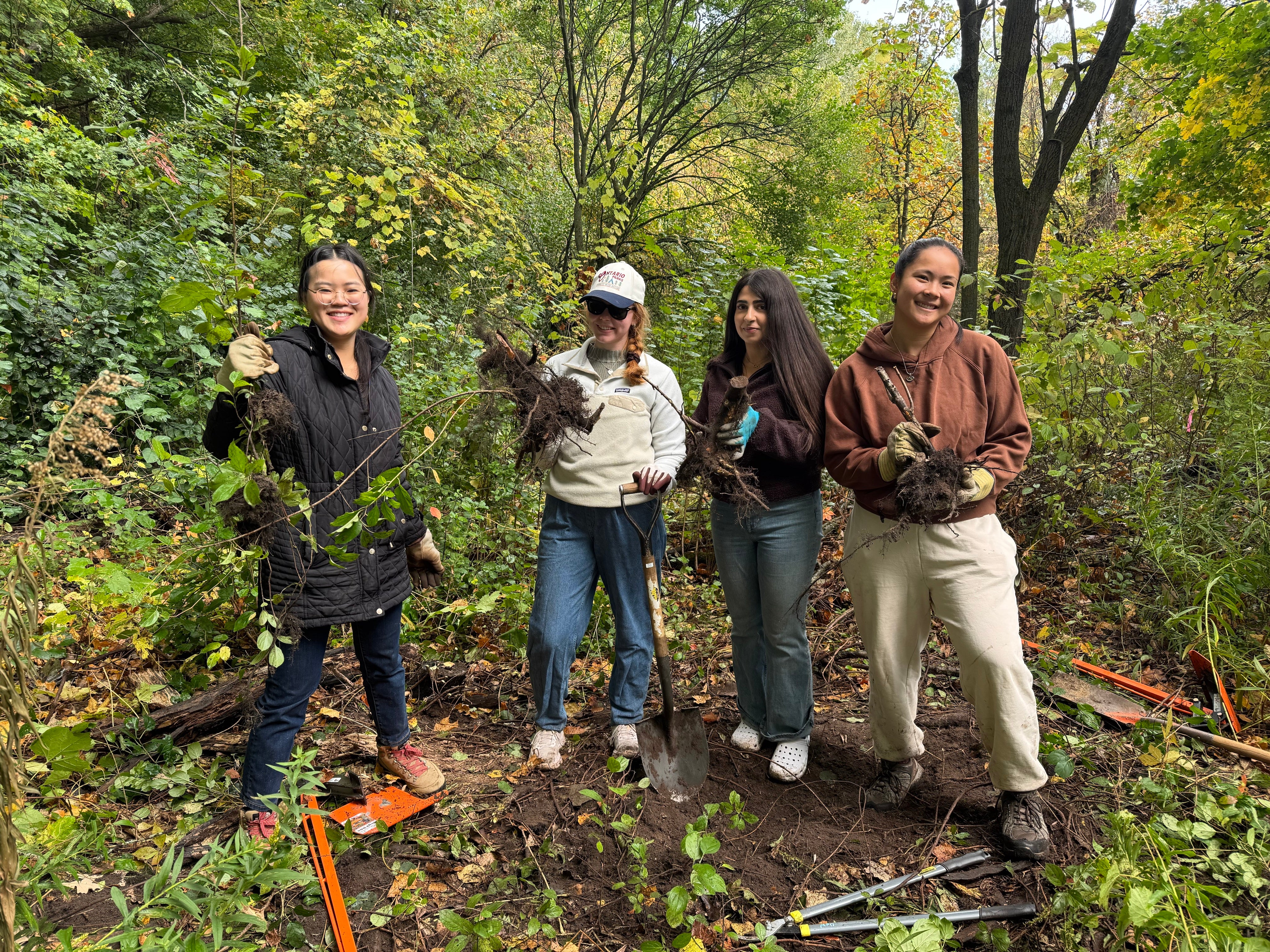
The goal of the project is to increase campus sustainable biodiversity efforts and to support other projects on campus such as the BioBlitz, pollinator gardens, tree planting, and providing activities at Columbia Lake.
Interested in getting involved? Subscribe to our monthly newsletter or follow us on Instagram to find out about future weeding and tree planting events.
Explore more stories in our sustainability news feed or check out recent news stories below →