Sustainability Action Fund announces spring 2024 recipients
The President's Advisory Committee on Environmental Sustainability (PACES) is excited to provide funding for nine new campus sustainability projects in spring 2024 through the Sustainability Action Fund (SAF). Launched nearly a decade ago, SAF supports projects and initiatives that advance sustainability at Waterloo by connecting to our academic mission, improving operational practices, and/or fostering a culture of sustainability through campus engagement.
Spring 2024 projects:

Climate Anxiety Workshop
This project will seek to address climate anxiety in students, staff and faculty at Waterloo. The project will provide a collaborative workshop series and resource that addresses climate anxiety, builds community, and hope for the future. This project is led by the Waterloo Climate Institute.
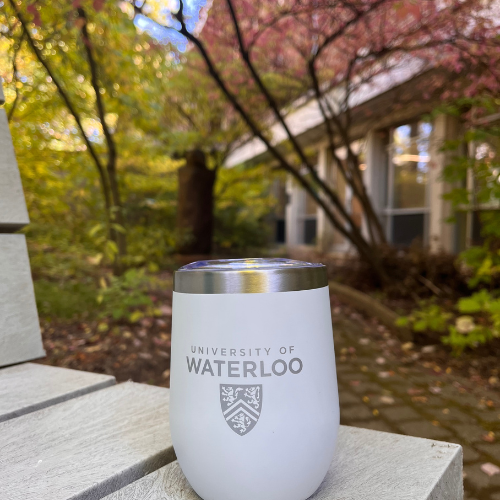
Eco-Mug Campaign
This project will improve waste reduction by offering free Fairtrade coffee and tea for one week across all UW Food Service-operated cafés and eateries (non-franchise) with the use of an eco mug to build sustainable habits and reduce single-use waste. This project is led by Food Services.

GHG & Air Quality Monitor
This project will support the installation of a greenhouse gas and air quality monitoring device to measure CO2, NO, NO2, O3, CO and PM2.5 in real-time. The data will be publicly available and can be used to increase visibility of the impact of air quality on climate and health or allow deeper engagement with climate data through student projects and research. This project is led by Waterloo's Global Environmental Measurement and Monitoring hub.
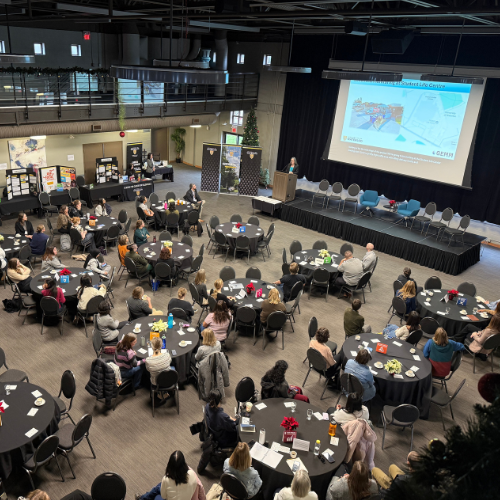
Green Skills Gap
This project will host a one-day event with high profile speakers who will address the green skills gap. They will speak about how the green skills gap is impacting progress on climate change and sustainable transitions, how existing jobs are changing, jobs that will disappear and be created, and how employers and employees should prepare. This project is led by the Faculty of Environment.

Helium Recovery System
This project will combat the high demand of helium for the superconducting nuclear magnetic resonance spectrometers by using a helium recovery system to collect the daily boiled-off helium and reliquify it to refill the spectrometers as needed. This project is led by the Nuclear Magnetic Resonance Facility.
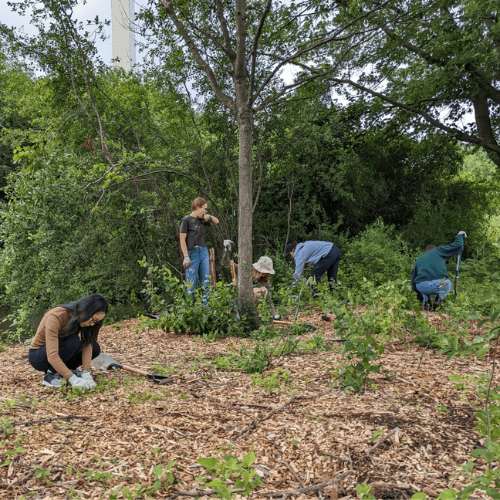
Invasive Plant Removal
This project will support the removal of the invasive common buckthorn from the Environmental Reserve to improve biodiversity and habitat for wildlife. This project is led by the Department of Biology.
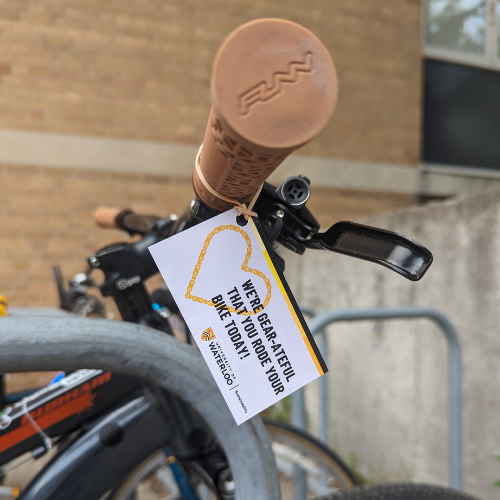
Project 529 Bike Registry
This project will support the purchase of an annual software subscription and shield stickers for Project 529, an online bike registry, to help deter theft and aid in recovery of bikes. This project is led by Sustainable Transportation.
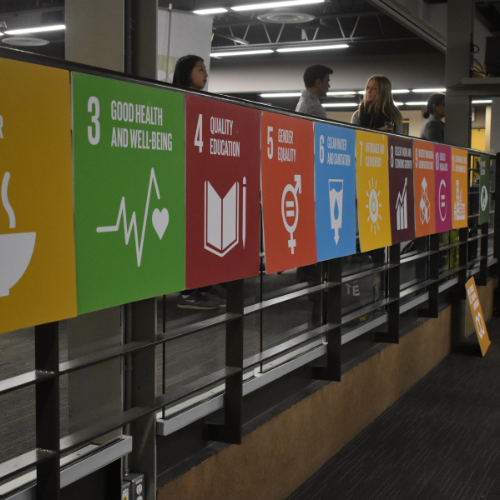
Sustainable Impact Summit
This project will support the Sustainable Impact Summit that will promote sustainability efforts in the Kitchener-Waterloo region and offer financial support and mentorship to initiatives led by University of Waterloo Students. This project is led by the Sustainable Impact Summit.
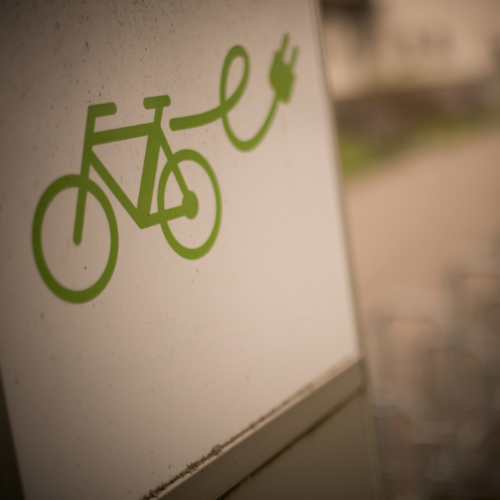
Sustainable Transportation Fleet
This project will pilot the feasibility of using cargo e-trikes with trailers for plant operations staff to transport heavy materials across campus instead of using gas-powered vehicles. This project is led by Campus Services.
Since 2017, SAF has distributed over $850,000 in funding to more than 70 projects across campus. To learn more about the funding criteria, application details, and upcoming funding rounds, please visit the Sustainability Action Fund webpage.
Explore recently funded projects below or check out all past SAF projects using the Sustainability Action Fund tag on our news feed →

