Capstone Design

Participation in Capstone Design Projects synthesizes theory learned in class, lab work, and real-world experience from co-op programs.

Students are able to create design projects in areas that interest them. Capstone Design projects often lead to the creation of a marketable product and entrepreneurial opportunities for graduating students.

Students own the ideas and devices they create for the design competition and there are several pitch competitions that follow the Capstone Design Event which act as a platform for students to compete for funding to commercialize their devices.

Beyond the classroom, Capstone Design Projects have the potential to make a real difference in the world. Some projects were developed in collaboration with industry partners or community organizations. This allows students to address real-life challenges and potentially contribute to positive change in the world.

Each year, the Capstone Design Symposium stands as a defining milestone for our graduating students, marking the moment when years of study, experimentation, and hands‑on learning culminate in original engineering solutions.

This year’s graduating class identified meaningful problems, developed innovative approaches, and created their projects under the guidance of instructors, mentors, and industry partners.

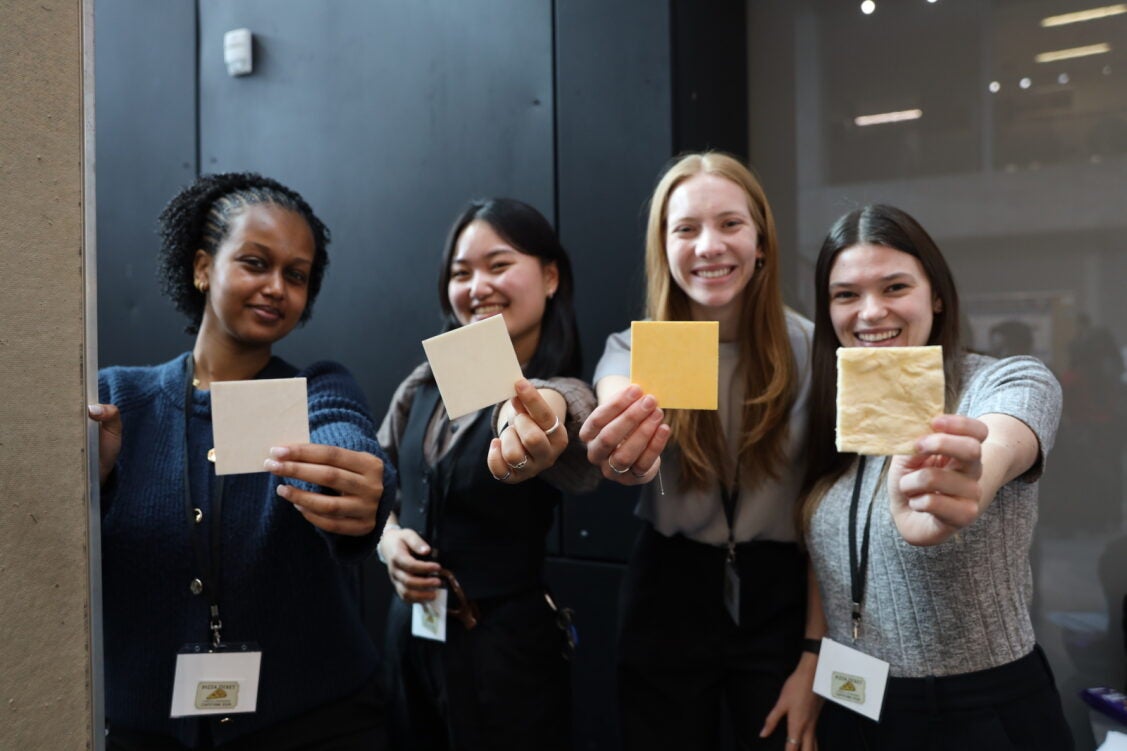
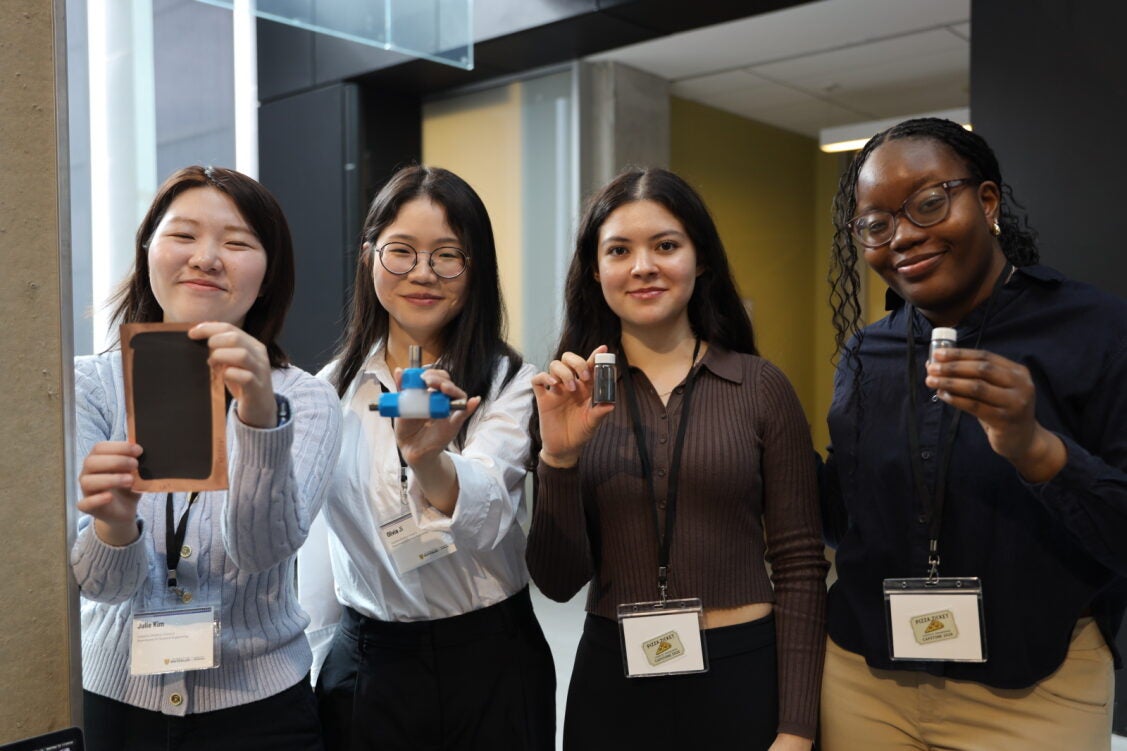
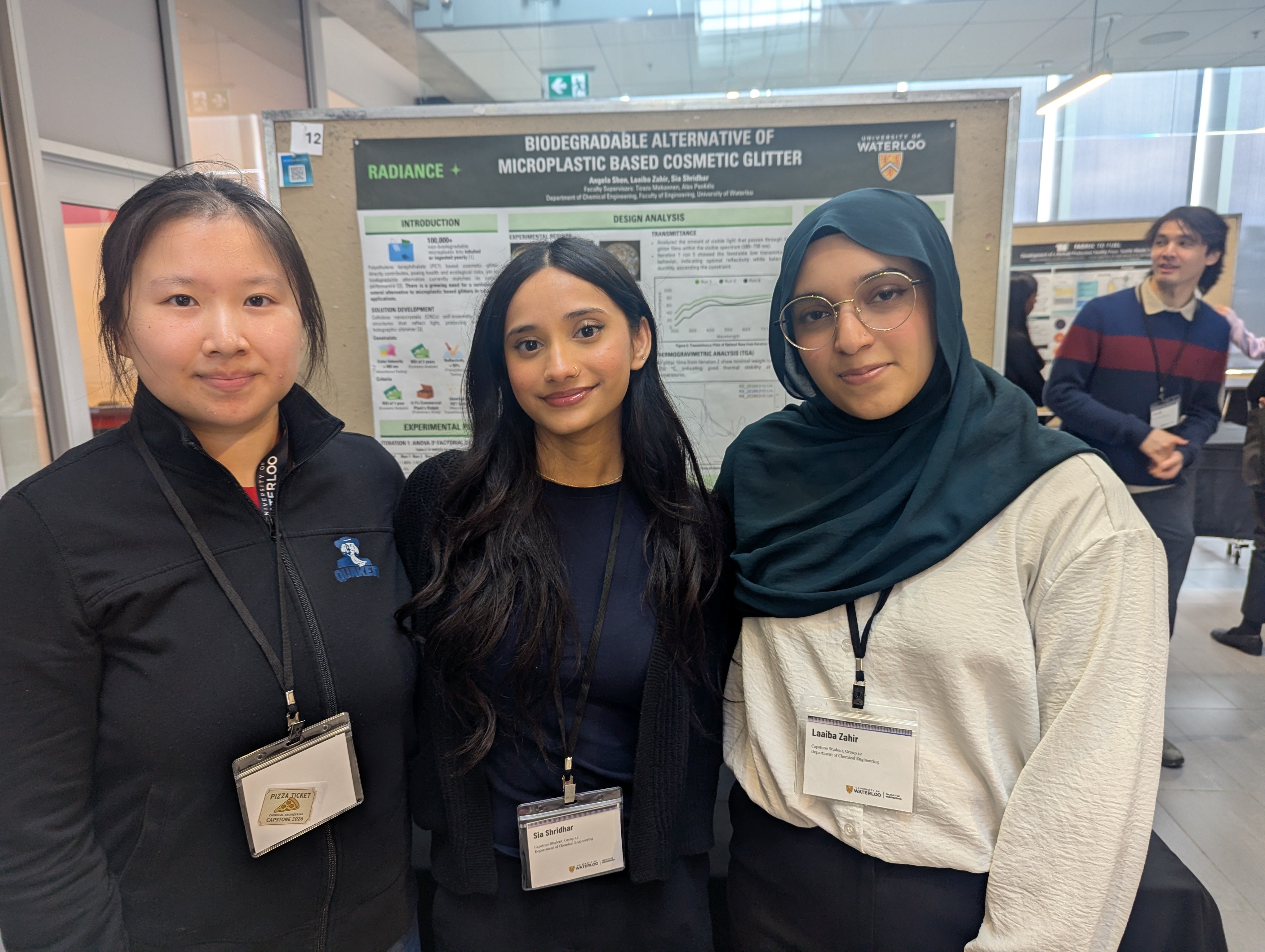
Students tackled challenges as diverse as designing environmentally friendly glitter for cosmetics that avoids the microplastics found in most commercial products to developing early fault detection systems for lithium‑ion batteries to improve safety and reliability.

This year there were eight winning teams. Group 1 won the Bhattacharyya Capstone Design Award, valued at up to $3,000. This award is made possible through the generosity of Dr. Dilip and Mrs. Manjusha Bhattacharyya.

The 2025 Capstone projects were ambitious and innovative! Aiming to solve problems, running the gamut from converting plastic waste into hydrogen to creating a modular water treatment plant for Six Nations of the Grand River.

This graduating class pushed themselves to their limits, persevering through their first two years, which took place during the pandemic, and finishing their undergraduate degrees with innovation and tenacity.

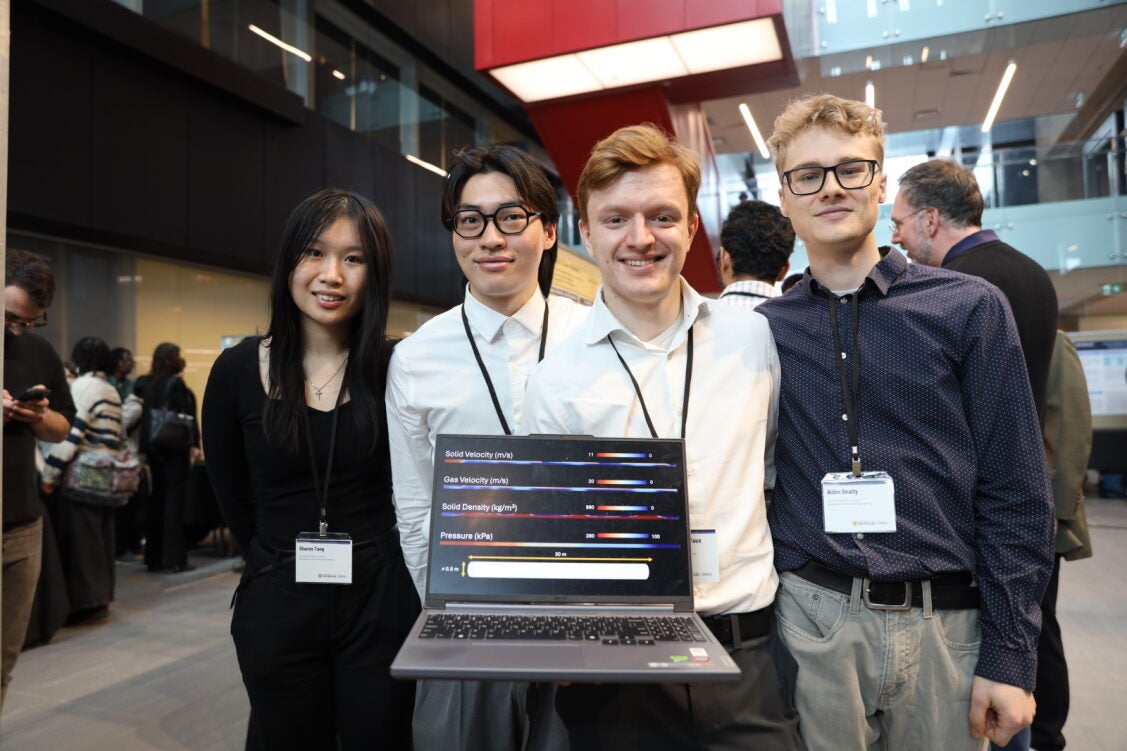
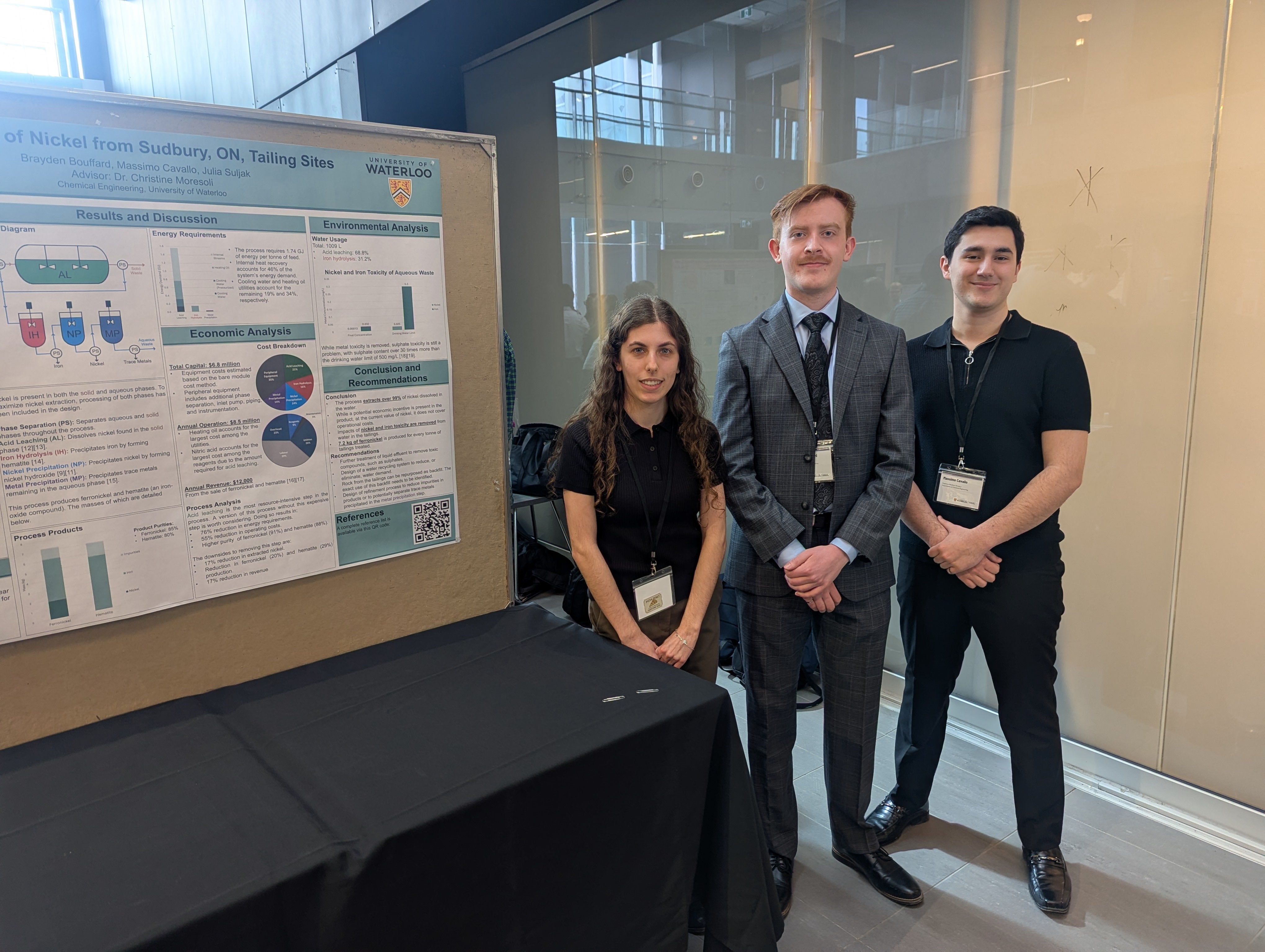
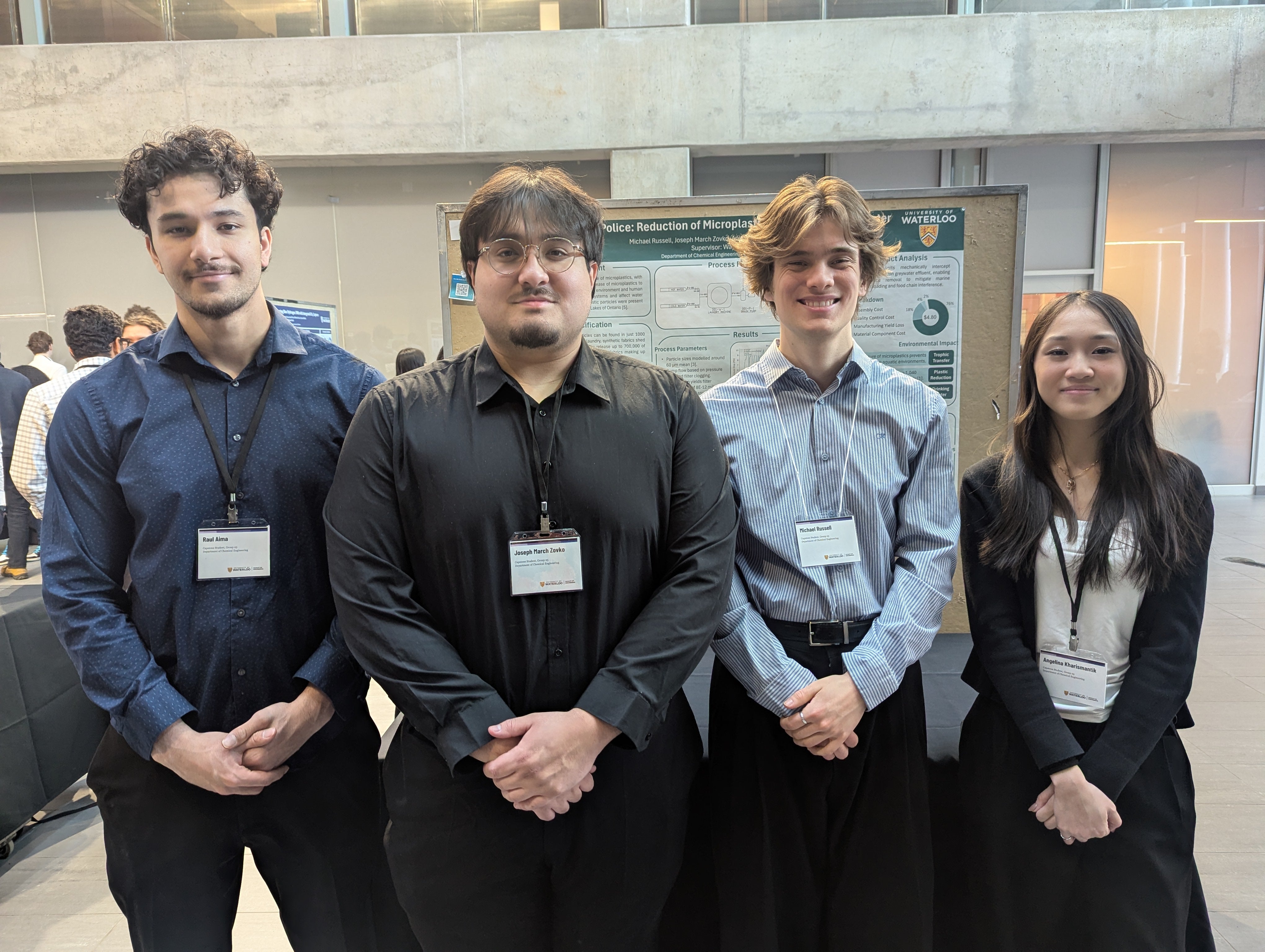
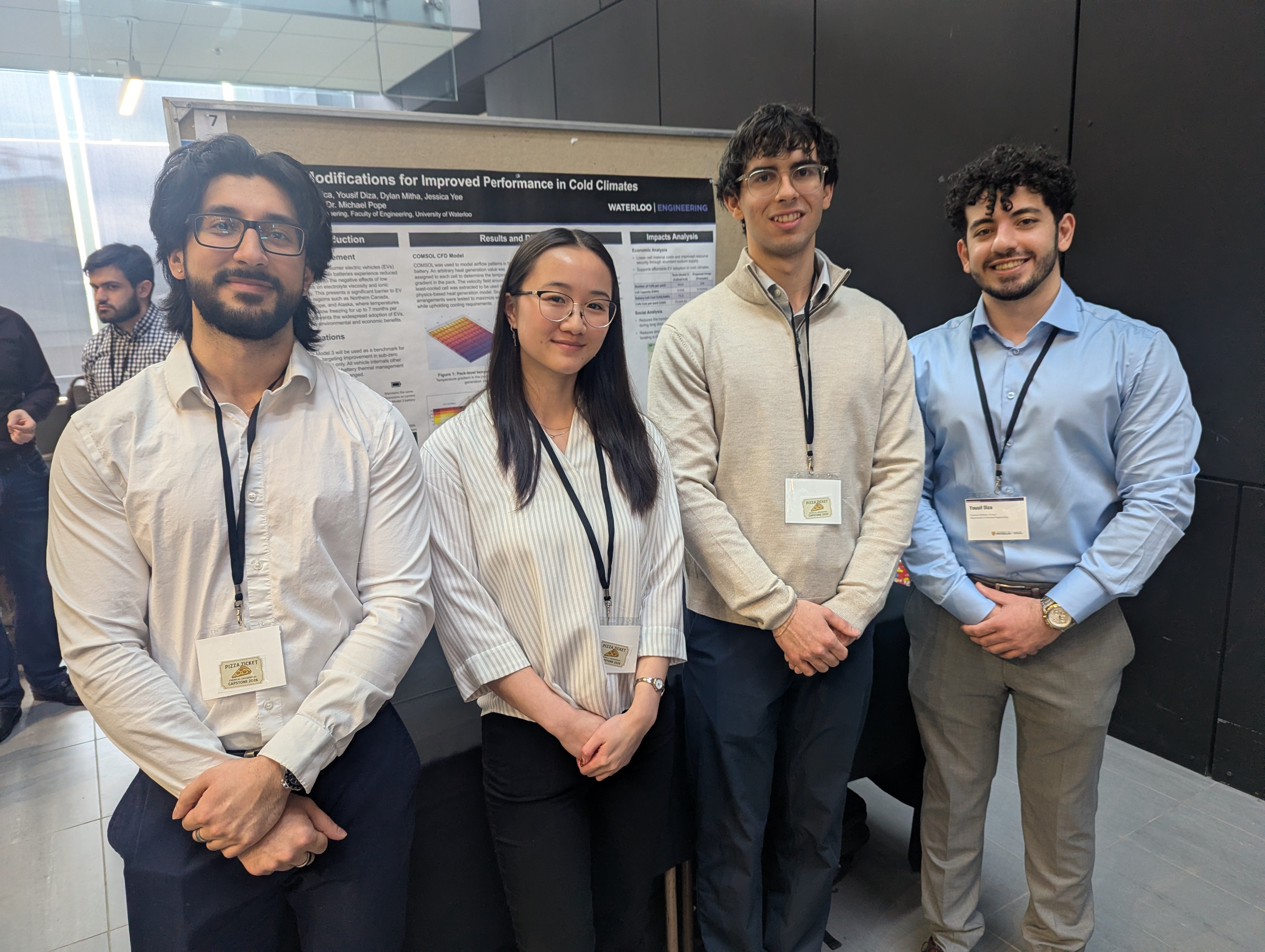
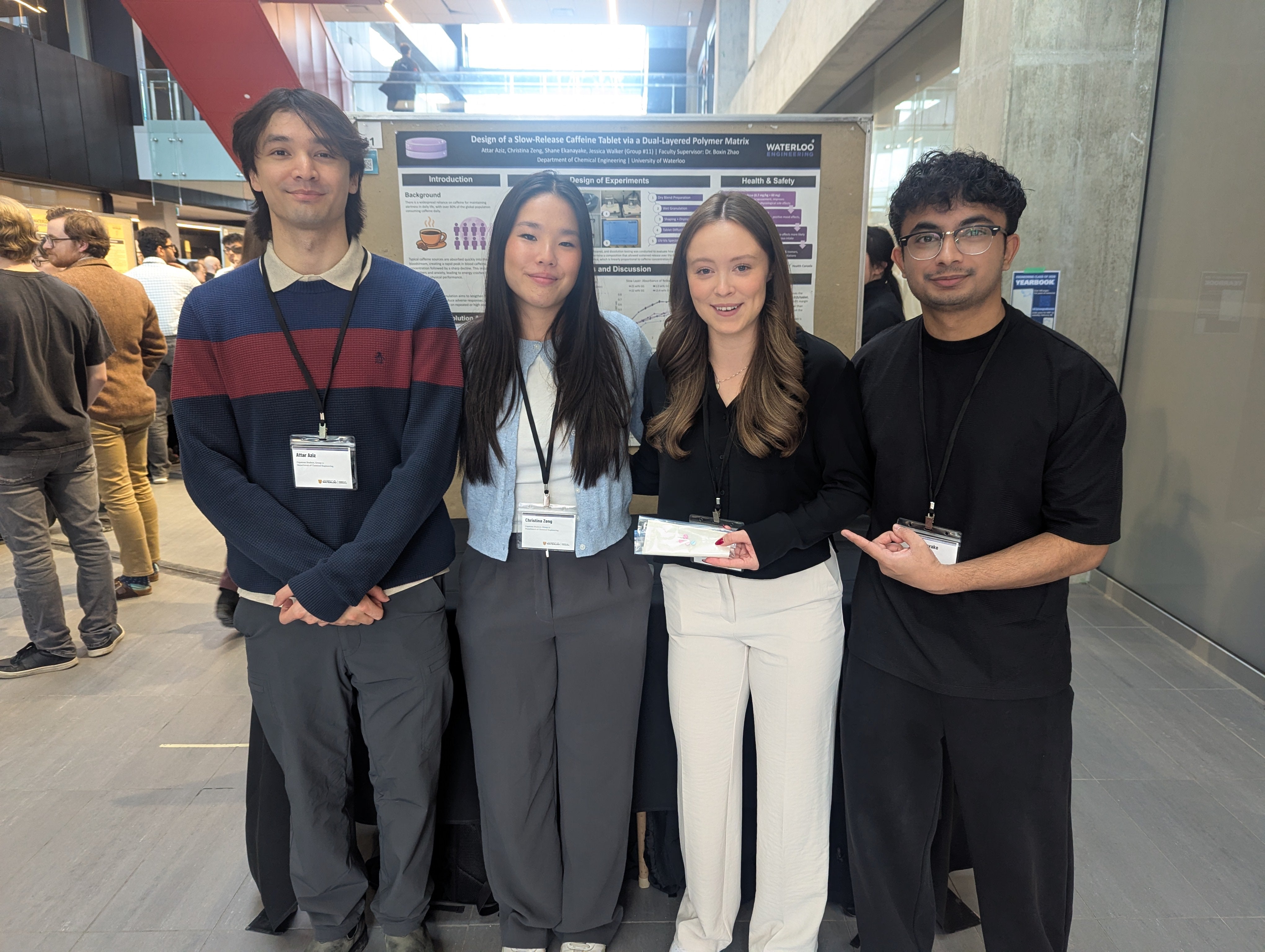
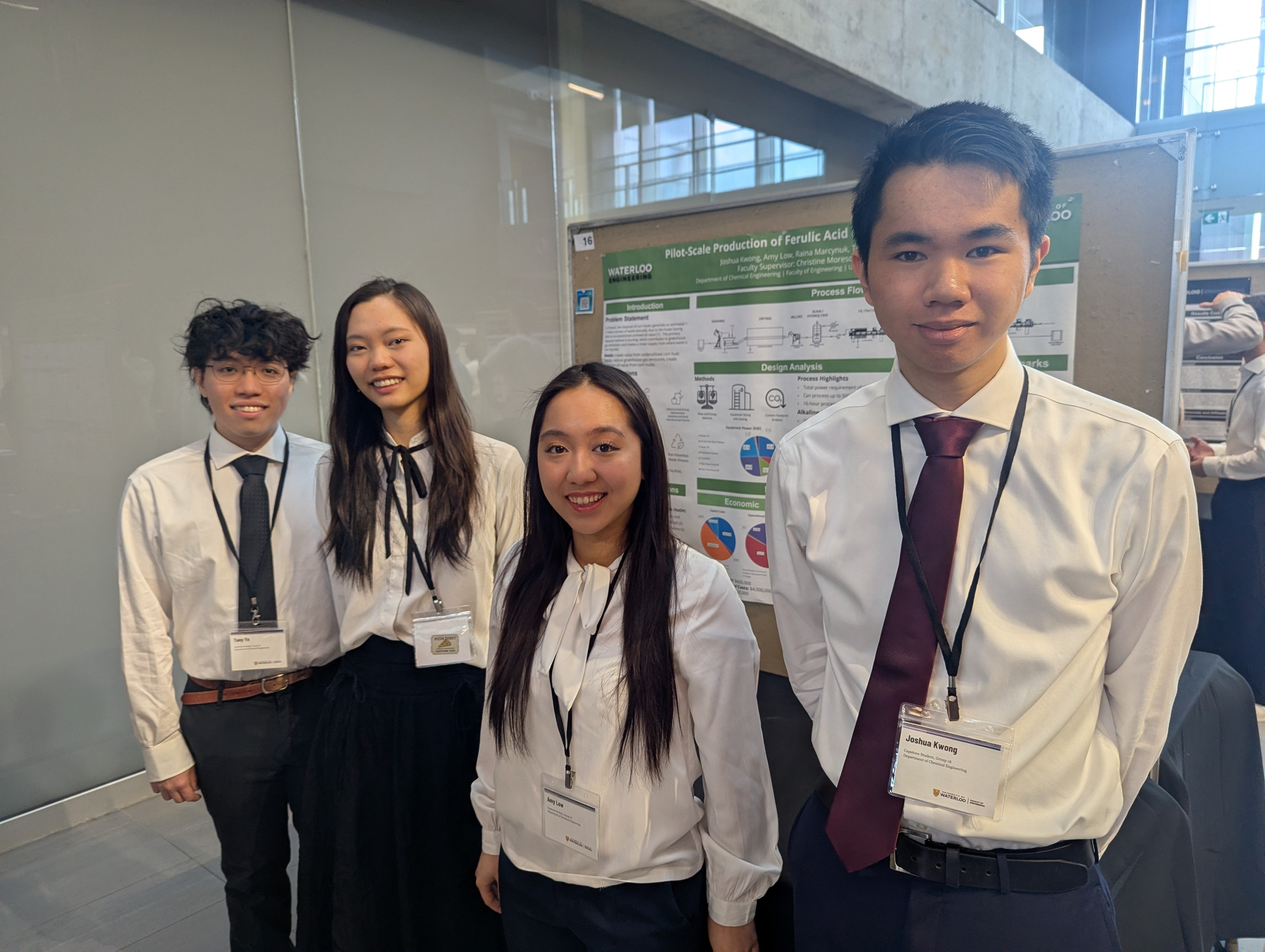
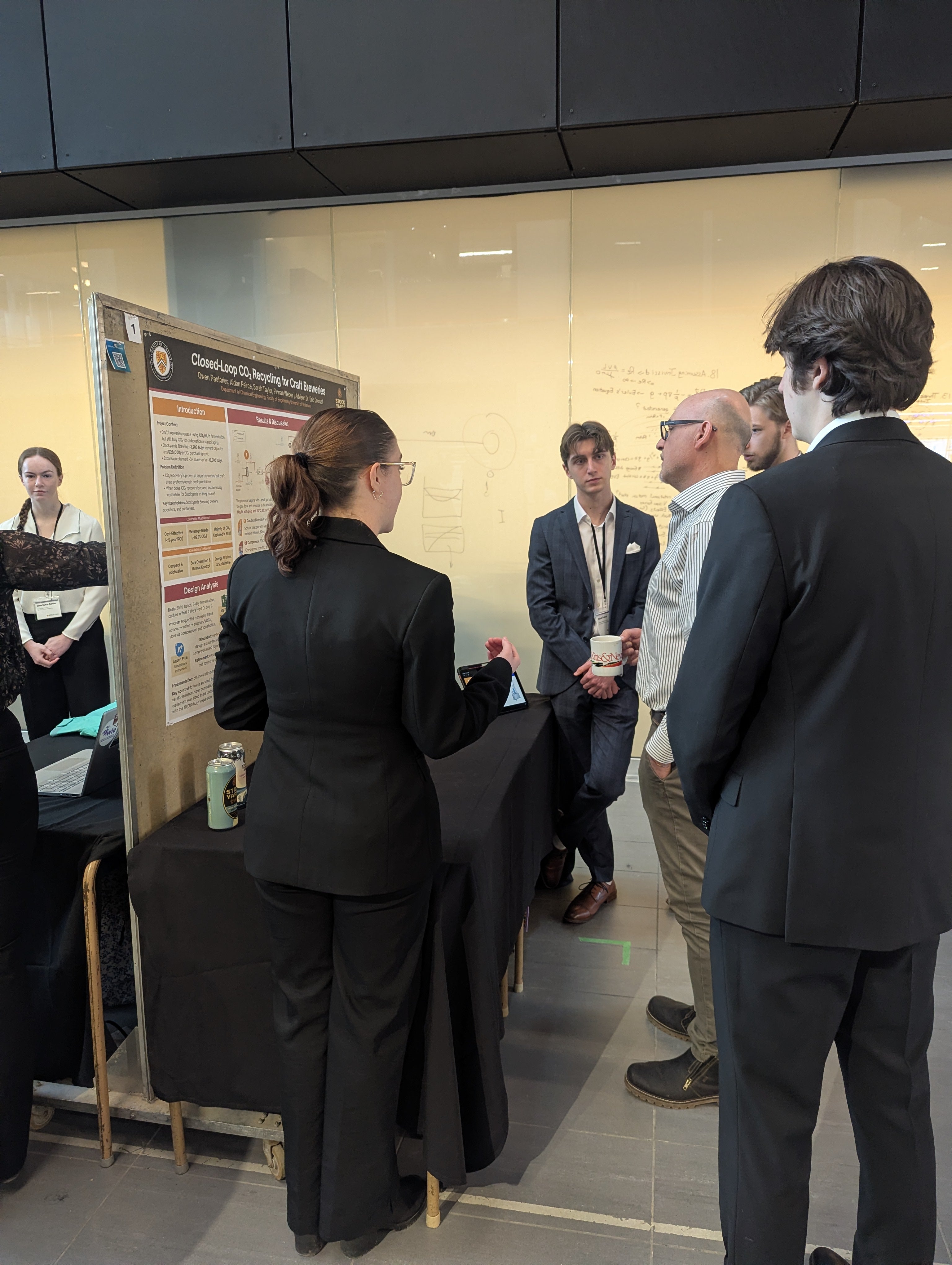
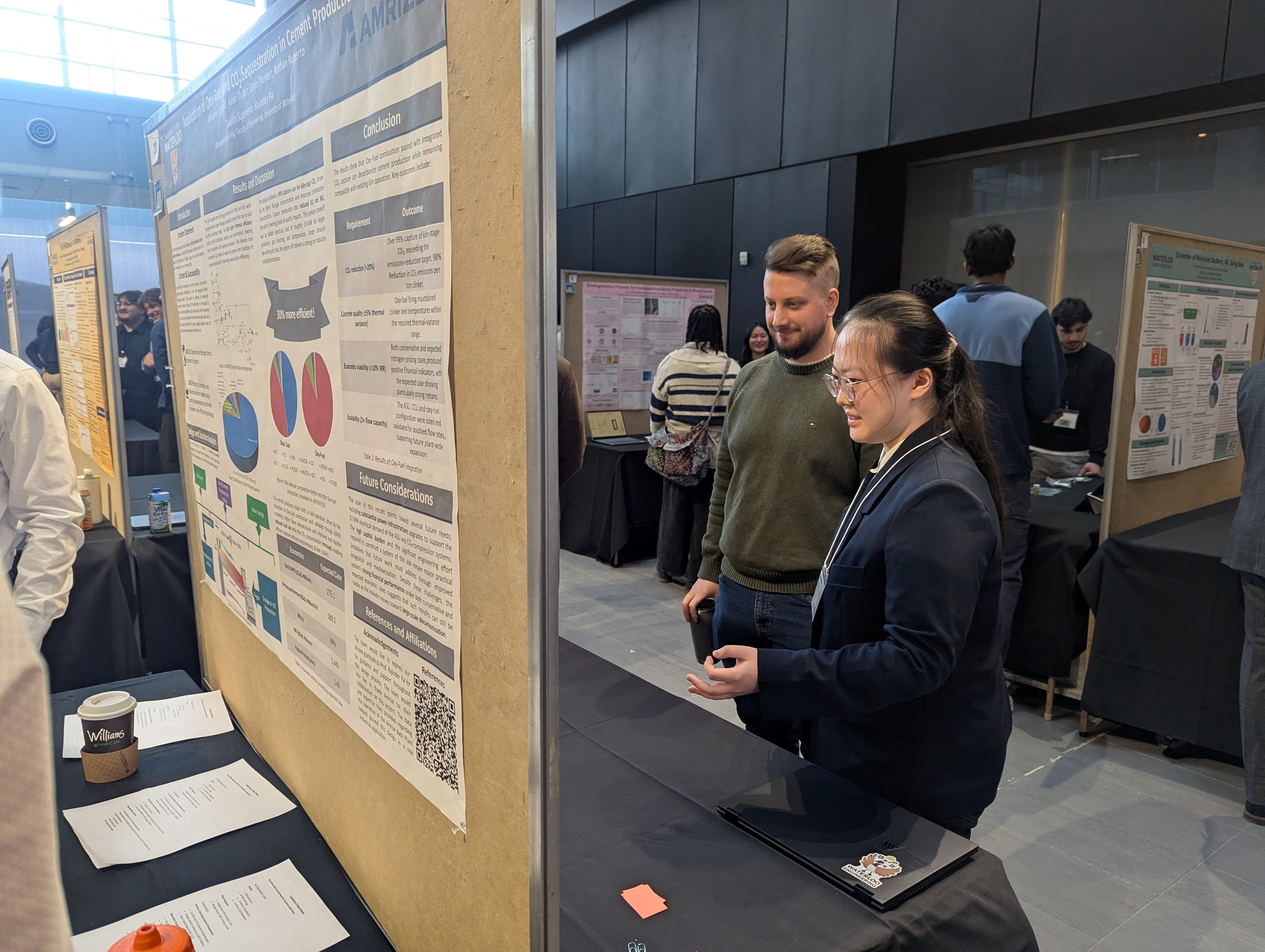
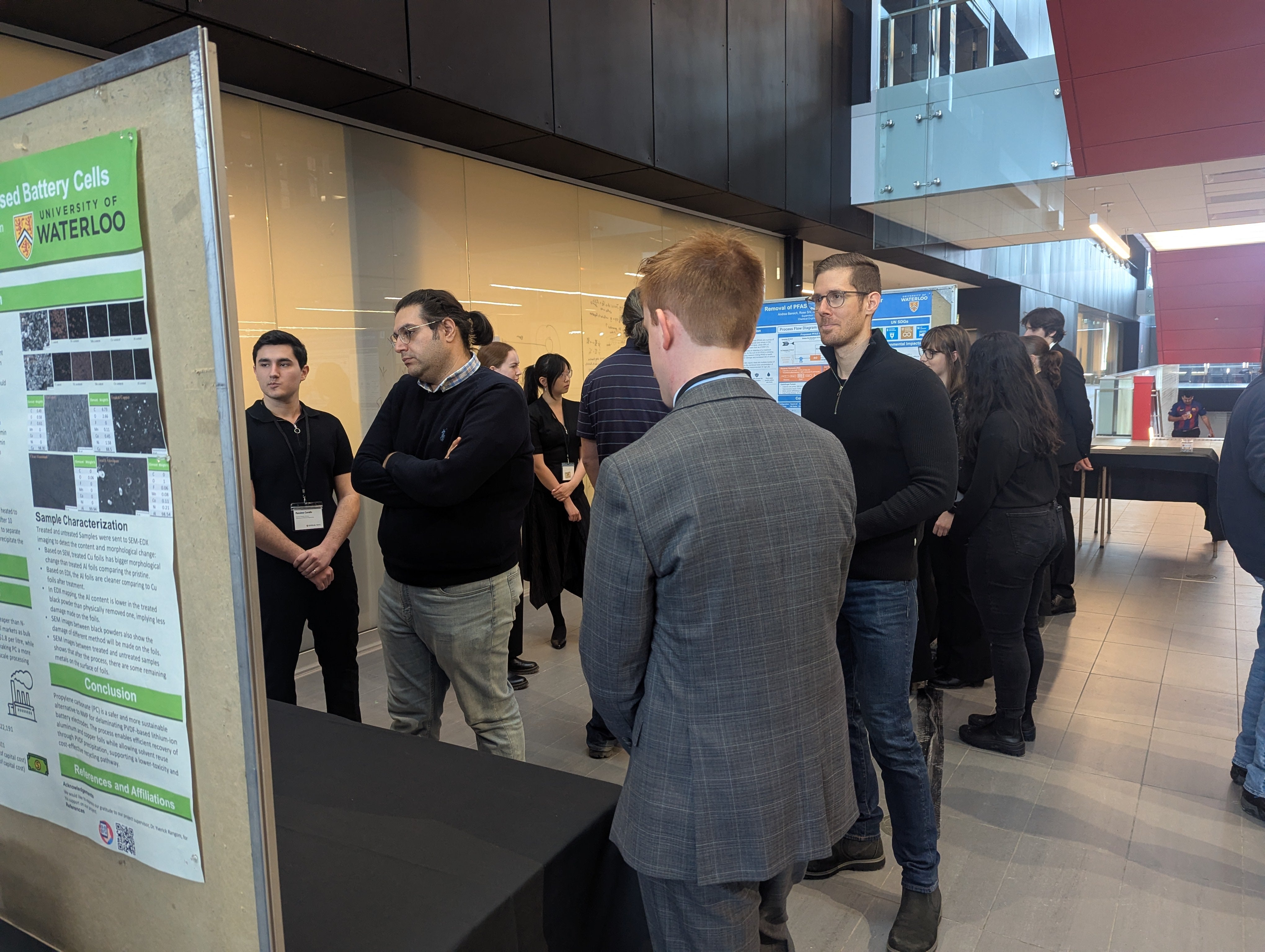
The excitement was palpable at the Capstone Symposium as fourth-year students explained their projects to instructors, industrial partners, parents and eventgoers.

This year, there were six winning Capstone Projects in the Department of Chemical Engineering:

Winning a pitch competition is never easy, but it becomes even more challenging when there is no prototype or product ready for market. Despite these obstacles, Capstone Group 4 defied the odds and won $12,000 to advance their project!

The project, called Direct-Li, won the Norman Esch Entrepreneurship Award for Capstone Design. The group proposed a more efficient and eco-friendly process for lithium extraction.

Through engineering innovation, Group 4 developed a two-stage process called direct lithium extraction (DLE). Group members Rachel Kumara, Sophie Campbell, Maeve Seto and Louise Tayzon utilized nanofiltration and ion pump separation to extract 90 per cent more lithium per litre of water in half the time compared to industry standards.

“We were delighted that we were successful in conveying our idea in a way that made the judges see value in something that we do not actually have, a solid prototype. Our ideas are based on simulations and models. We were shocked to win! We were just happy to be there and to be challenging ourselves, especially since we were the only all-women group in the competition!”