Indonesian delegation visits Waterloo to strengthen climate finance and energy transition partnership
On September 25, 2026, the University of Waterloo’s Faculty of Environment helped welcome an Indonesian delegation to campus as part of the Canada–Indonesia Climate Leadership and Knowledge Exchange on Climate Finance study visit. The visit was organized by Waterloo’s Flood Impacts, Carbon Pricing and Ecosystem Sustainability (FINCAPES) project in partnership with the Purnomo Yusgiantoro Center (PYC) in Indonesia.
Funded by Global Affairs Canada, FINCAPES supports Indonesia in addressing climate change while protecting biodiversity and advancing social and economic development. The gender-responsive project runs for five and a half years and is jointly undertaken by Waterloo’s Faculty of Environment and Faculty of Mathematics in partnership with Indonesian universities, government agencies, civil society organizations and industry stakeholders.
The study visit, which ran from September 13 to 26, brought together representatives from Indonesian government agencies, state-owned enterprises, academic institutions and PYC. Through site visits and meetings in Edmonton, Regina, Ottawa, Toronto and Waterloo, delegates explored how climate and energy projects are financed, regulated and implemented. Discussions with policymakers, utilities, researchers and industry leaders covered carbon capture and storage, grid modernization, carbon removal markets and small modular reactors. The program concluded at Waterloo, where delegates met with university leaders, researchers and students.
A central focus of the visit was RECLICKS (Research for Climate Change and Knowledge Sharing), a climate finance research centre that PYC is developing with support from FINCAPES. Delegates were interested in how Waterloo brings researchers from different disciplines together, builds relationships with government and industry, and helps put research findings into practice.
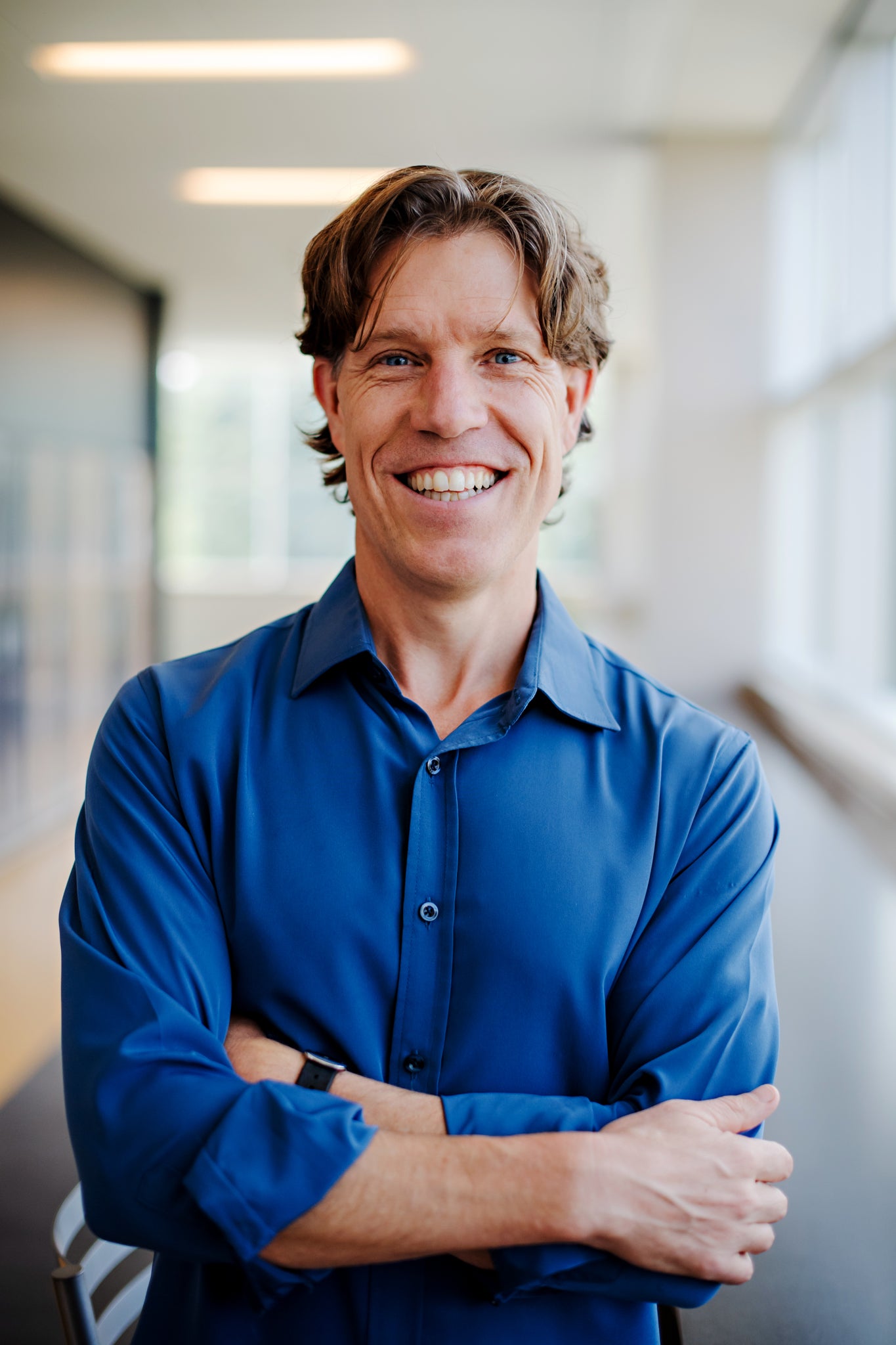
Dr. Jeffrey Wilson, director of Waterloo’s School of Environment, Enterprise and Development (SEED), took part in several stages of the Canadian visit, contributing to discussions on sustainability governance, low-carbon transitions and the role of research in policy decisions. He continued the exchange in Indonesia in October, participating in PYC Talks Vol. IV, “The Role of CCS/CCUS in Decarbonization in Indonesia.” The event built on the Canadian discussions by examining how carbon capture, utilization and storage could fit into Indonesia’s energy transition.
“In Canada, we saw how policy, financing and infrastructure can shape whether carbon capture projects move forward,” Wilson said. “The discussion in Indonesia gave us a chance to ask which lessons might apply there and what we still need to learn. That’s where RECLICKS can make a difference by bringing researchers, policymakers and industry together to work through those questions.”
Wilson provides technical expertise to FINCAPES’ climate finance work through his background in sustainability governance and low-carbon transitions. He helps connect assessments of technologies such as carbon capture with questions about how projects are governed, financed and evaluated. His contribution supports RECLICKS in developing research that can help Indonesian policymakers and industry assess where carbon capture could reduce emissions, what conditions would make projects viable and what trade-offs to consider before investing.
The visits in Canada and Indonesia created opportunities for joint research on climate finance and the energy transition. Through FINCAPES and RECLICKS, the partners can continue exchanging findings and exploring how research can inform policy and investment decisions in both countries.