News

Filter by:

Limit to news where the title matches:
Limit to items where the date of the news item:
Date range
Limit to news items where the audience is one or more of:
Limit to news items where the faculty or school is one or more of:

As Kitchener continues to grow, public service providers face the ongoing challenge of deciding where new infrastructure and programs are needed most. Over the summer term, University of Waterloo Faculty of Environment planning students Miki Zheng and Alexa R. partnered with Kitchener Public Library, FCI Director Dr. Leia Minaker, and FCI Member Dr. Rob Feick to build an evidence-backed decision tool. Using ArcGIS overlay analysis, the team mapped three factors against each other: projected population growth, and deprivation measured two ways, once through the Canadian Index of Multiple Deprivation, and once through EQAO test scores. What came out of the project is a framework KPL can use to test locations, including options like the automated library lockers already running at local community centres.

When a 13-year-old girl stops riding her bike to school, the reasons usually extend far beyond the bike path. During their initial on-campus residency week for the Master of Future Cities (MFC) program, student teams analyzed municipal transportation data and developed practical strategies to address why women and young girls opt out of cycling networks. Using Waterloo as a primary case study, one team introduced "Bridging the Cycling Gap," mapping the transition into early adolescence through a fictional persona named Maya and proposing a gamified social app to reward riders for using municipal cycling routes.

At the AMO conference in Ottawa, municipal leaders and city staff connected with FCI to explore practical, data-backed solutions for their communities. From high-demand resources like the Development Charges Monitor and CivicInquire (an AI-powered homelessness policy platform led by FCI Director Dr. Leia Minaker that recently secured SSHRC funding) to collaborative student partnerships, FCI demonstrated how research moves out of academia and directly into local council chambers. Through the i-Capstone program, municipalities of any size can partner with University of Waterloo student teams to tackle local infrastructure and policy challenges across one or two terms at zero cost.

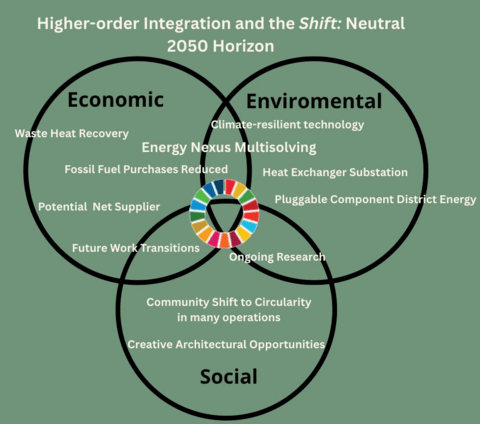
What does excess heat from a data centre have to do with warming a local hospital? For University of Waterloo students in the WE Accelerate program, it is a practical answer to Waterloo Region's growing resource limits. On July 29, student teams presented data-backed concepts for a municipal design challenge framed by the Future Cities Institute and the Region of Waterloo. Focused on the water-energy-food nexus, student concepts delivered actionable interventions, from capturing data centre heat for hospital infrastructure to expanding urban tree canopies using Silva Cell stormwater systems.

University of Waterloo student Neil Simmons and his classmates took first place at Toronto's TransitData Challenge 2026 by developing TTC ScheduleWatch, an interactive tool that tracks streetcar delays stop by stop across 100,000 trips. Connected with FCI Mobility Cluster Lead Dr. Jeff Casello through FCI Director Dr. Leia Minaker, the student team used live GPS data and neighbourhood demographics to highlight transit gaps and propose evidence-backed schedule improvements.

Master of Future Cities student Johanna B. secured Best Idea honors at the Brookfield Renewable Innovation Challenge. Bringing a systems-thinking lens to the Pearl Sullivan Engineering IDEAs Clinic, Johanna’s interdisciplinary team designed an on-campus waste-to-energy organics digester and biogas generator. By turning local campus organic waste into methane fuel for central heating operations, the concept delivers immediate waste management savings while establishing a practical, scalable building block for campus-wide district energy planning and long-term net-zero targets.

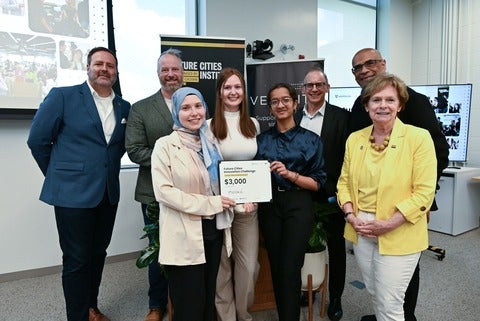
The Future Cities Institute founded by CAIVAN partnered with Velocity to host the Future Cities Innovation Challenge. The high-intensity, two-week sprint brought interdisciplinary student teams together to build data-backed business concepts targeting the Canadian housing crisis, modern infrastructure demands, and municipal service systems.

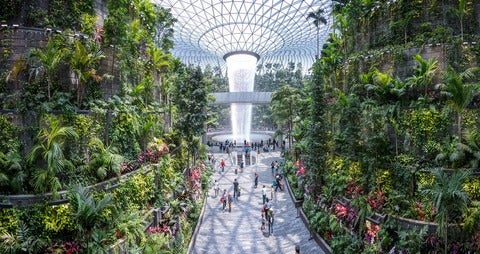
Graduate students from the Master of Future Cities (MFC) program recently returned from an intensive, two-week field course in Singapore. Organized by the Future Cities Institute founded by CAIVAN, this experiential learning trip allowed students to step out of the classroom and see how long-term foresight, multi-purpose infrastructure, and high-density housing strategies are deployed in the real world.

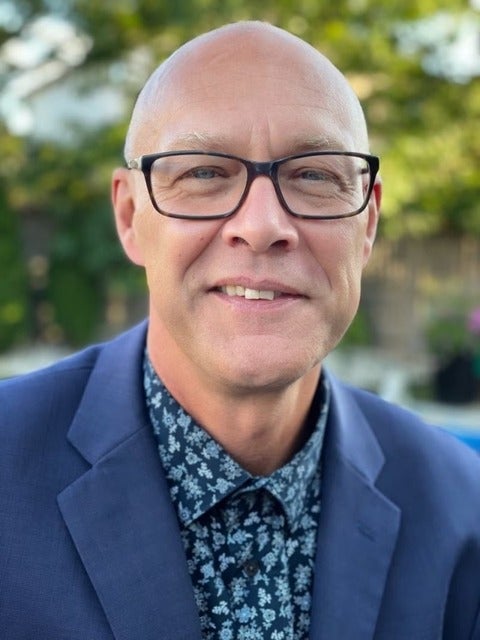
The Future Cities Institute founded by CAIVAN has appointed veteran planner and transportation researcher Clarence Woudsma as Co-Director, Academic. Bringing three decades of applied expertise in logistics and mobility policy to the leadership team, Woudsma will steer the institute's academic direction and oversee the Master of Future Cities (MFC) graduate program, where students learn to develop data-backed approaches for building resilient communities.

FCI researchers attended the Nunavut Economic Development Association Conference in Iqaluit to present and pilot an AI-powered Community Economic Development Planning Tool with community leaders and administrators. Workshops surfaced real challenges around fragmented planning, connectivity, and language access, and reinforced FCI's grounding principle that responsible, effective tools are built only after listening closely to the people they are meant to serve.