
Waterloo student builds trust and advocacy for Indigenous community‑driven health
Second-year University of Waterloo School of Pharmacy student Brett Hummel (Rx2027) is committed to integrating Indigenous and western approaches in his patient care. Through his studies, he’s developing the clinical skills needed and is using his own experiences and compassion to foster trust and improve health outcomes for Indigenous communities.
“From my perspective as an Indigenous person, feeling safe and seen in a medical environment is key to providing the best patient care for the people of Indigenous communities,” Hummel says.
With half Algonquin and half German roots, Hummel learned three languages growing up – French, German and English — and spent time with his grandfather immersing himself in community life.
“My grandfather is the glue in my family. He helps me stay involved and has brought me to a few events, including smudging ceremonies and powwows in Mattawa, Ontario,” Hummel says.
During high school, his math teacher, who proudly wore Waterloo gear, sparked his interest in the University. But it was his mom, a registered nurse, who discovered the Faculty of Science’s Conditional Admission to Pharmacy (CAP) program, a dedicated pre-pharmacy pathway, and encouraged him to apply.
When he arrived in Waterloo, Hummel quickly noticed a difference: there weren’t as many Indigenous Peoples than he was used to seeing in his hometown. That realization deepened his commitment to cultural safety and advocacy in health care.
“During our Culturally Safe Patient Care course in my second year at the School, our professor told us to take Truth and Reconciliation Day, a day that honours residential school survivors, to learn more together,” he says.
Hummel and his friends spent the day discussing and reflecting on Indigenous history and culture.
“I shared some of my favourite modern Indigenous music with my roommate and friends and spent the day sharing why we get the day off, why we spend time having these discussions and how to reflect on Indigenous history,” he says.
“Encouraging people to understand how to be culturally sensitive, reflecting on the ways Indigenous Peoples were mistreated as a whole and why mistrust of western health care persists, is an important step toward approaching Indigenous patients with empathy and understanding,” he adds.

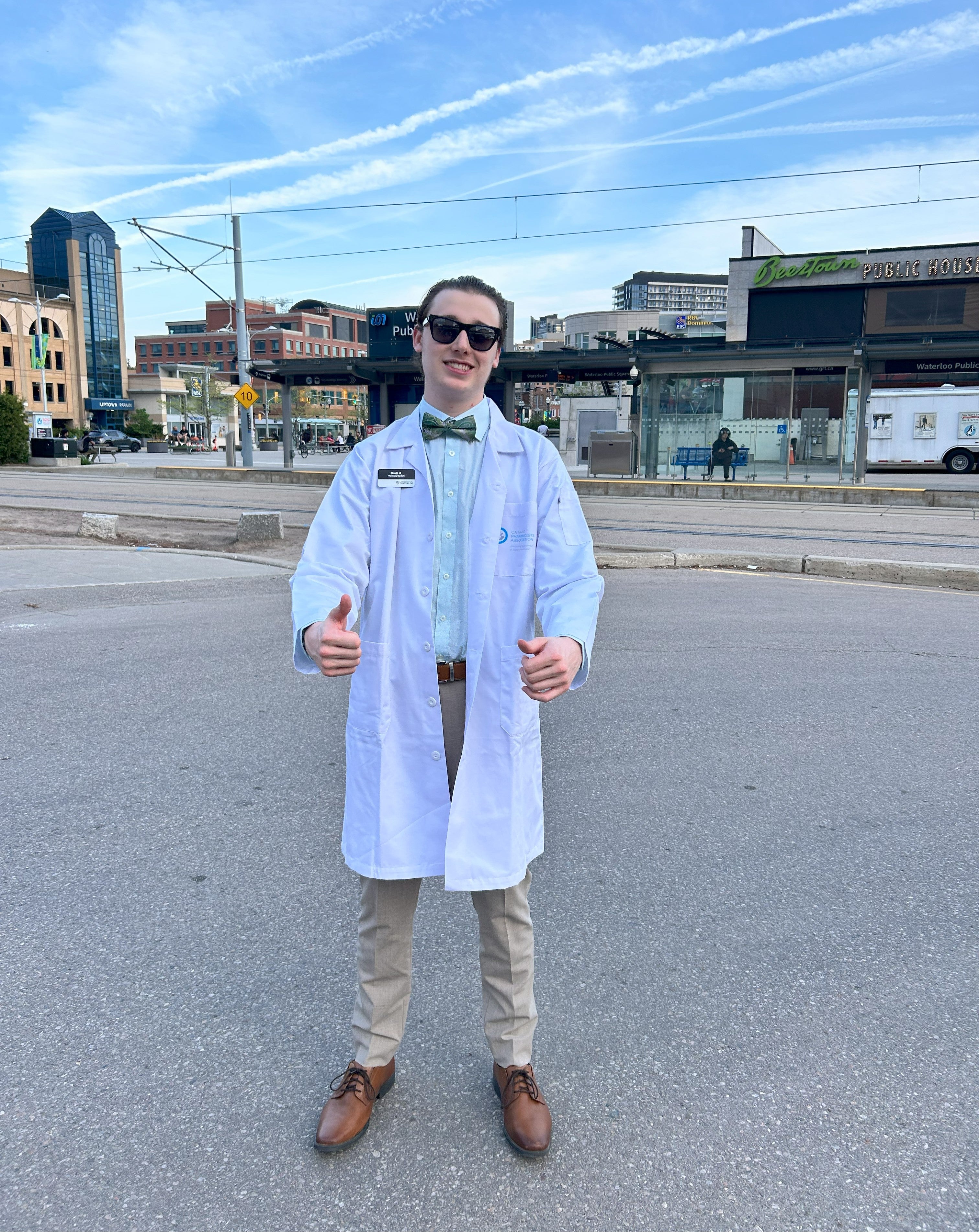
Brett Hummel in Waterloo

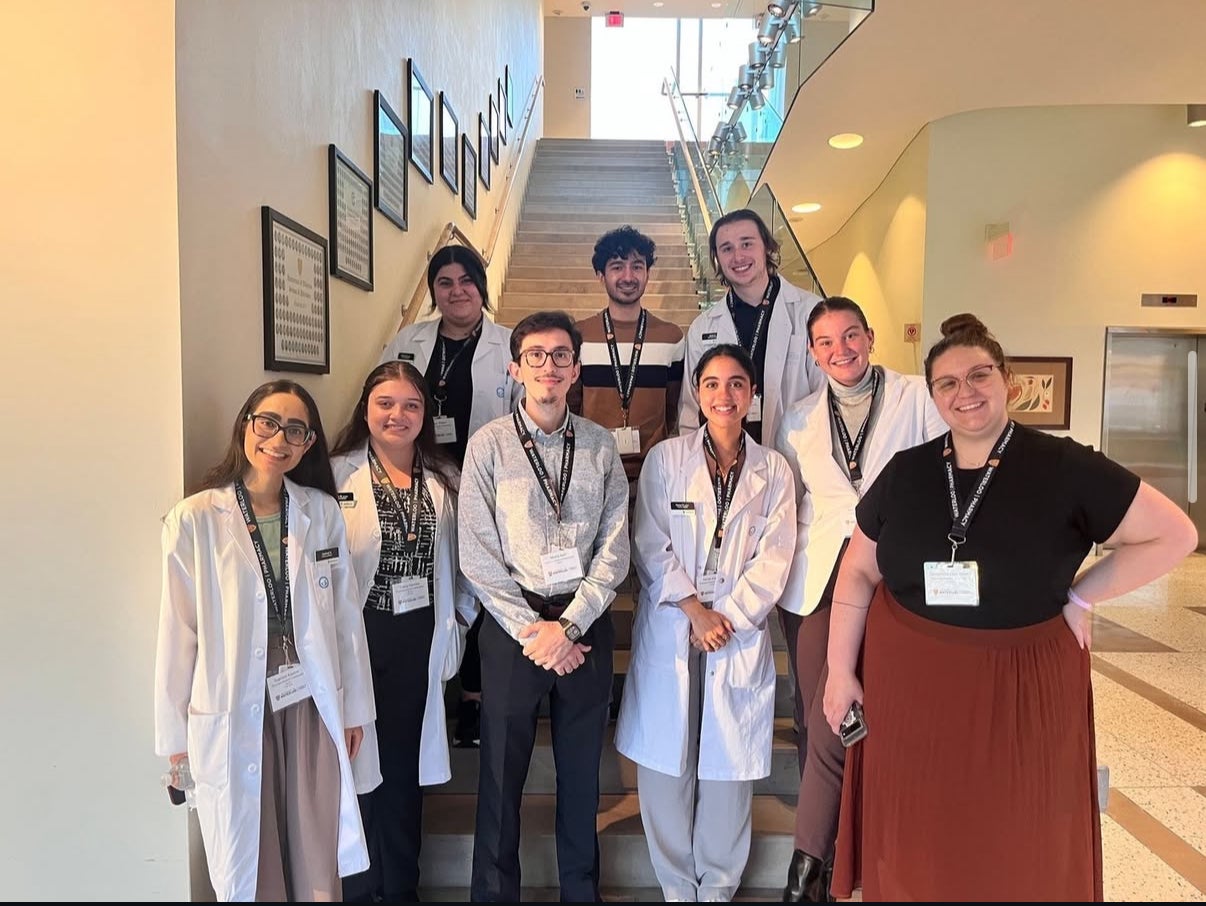
Brett Hummel with fellow student ambassadors at the School

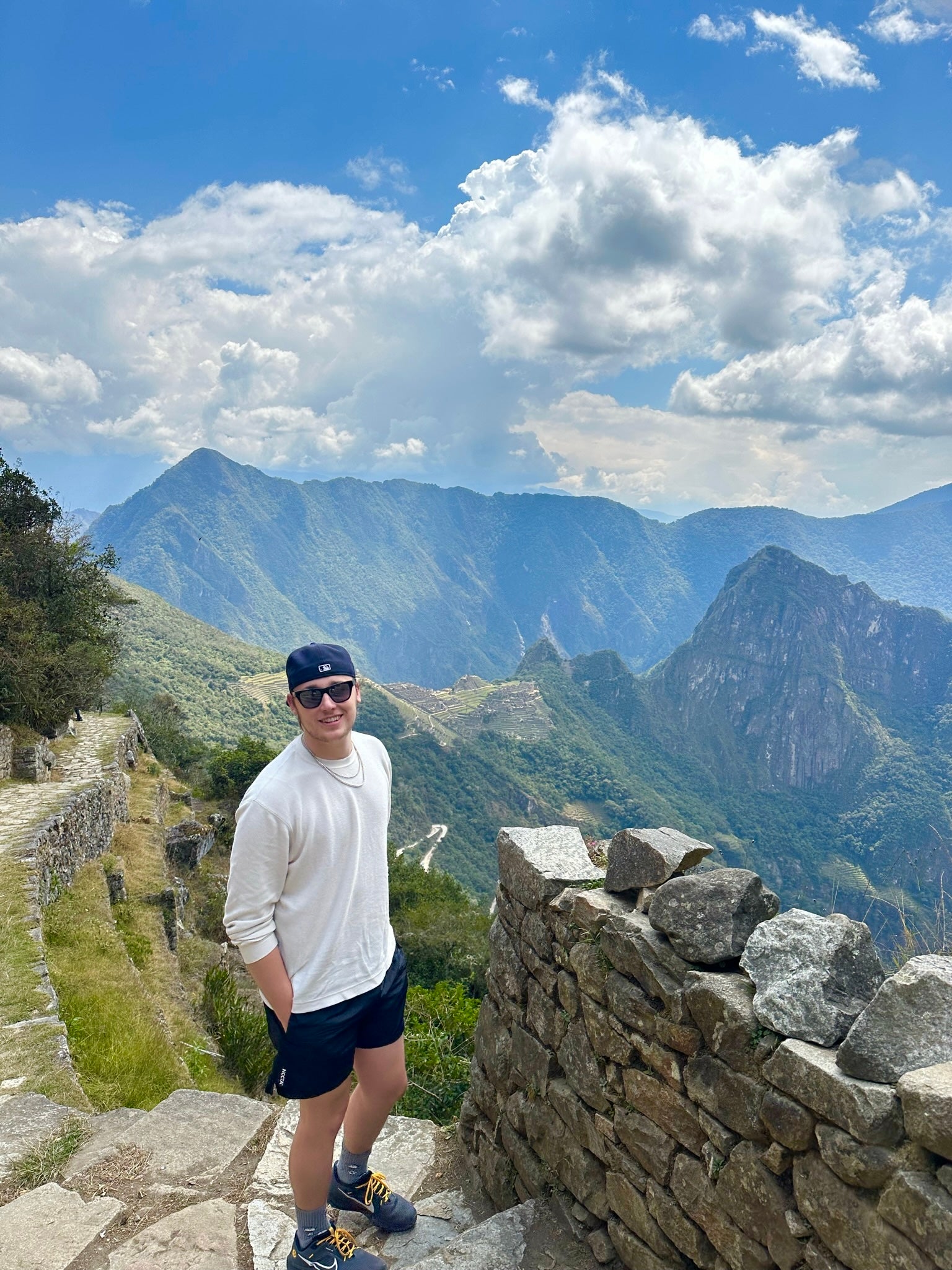
Brett Hummel in Machu Picchu, Peru

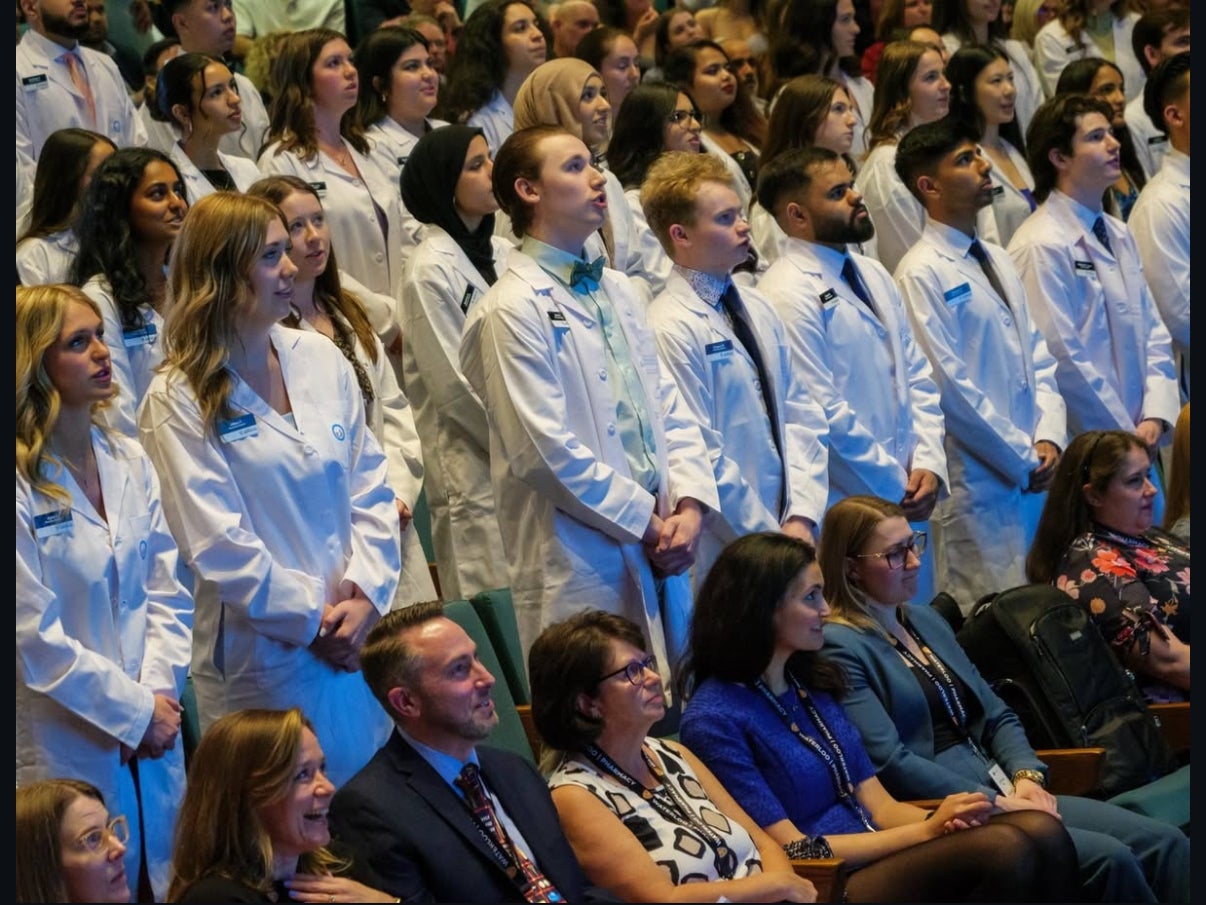
Brett Hummel and his Rx2027 class at the White Coat Ceremony
Hummel notes that living in a First Nation community is a very different experience, where they still face inequalities in access to care and health information.
“Smoking rates are higher in many Indigenous communities due to systemic and historical factors. As a future pharmacist, I want focus on bringing smoking-cessation workshops into the communities, so people know there’s help and quitting successfully is very possible,” Hummel adds.