
Healthcare professionals provide evidence-based solutions and life-long strategies
Obesity is more than a number on a scale – it’s a complex health issue. Roughly one in three adult Canadians are affected by obesity, and numbers are predicted to grow to one in two by 2035.
At the University of Waterloo School of Pharmacy’s annual public lecture, experts challenged common misconceptions and shared evidence-based strategies for improving health and quality of life. On November 13, 2025, over 70 attendees, including community members, healthcare providers, faculty staff and students gathered to learn more about the science behind obesity and treatments available.
Dr. Jennifer Dignam, a family physician specializing in obesity medicine, and Emma Schillings, a registered dietitian focused on obesity care and behavior change therapy, joined the School from MSK Centre to share their expertise and experience. Alongside Dr. JM Gamble, clinical associate professor at the School and pharmacist in a family health team-based diabetes clinic, they delivered an insightful presentation on Unpacking Obesity: Myths, Medicine and Motivation.


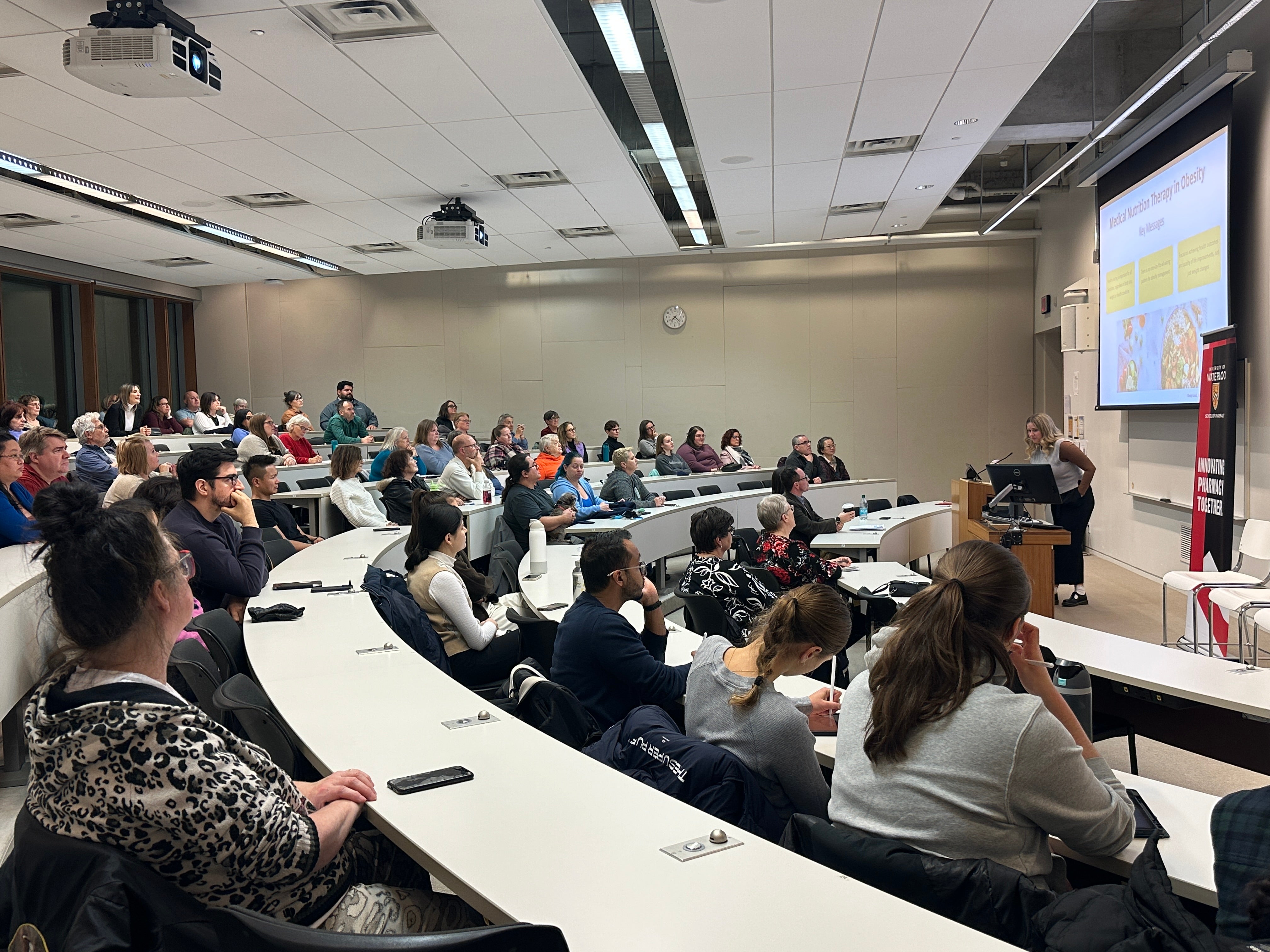
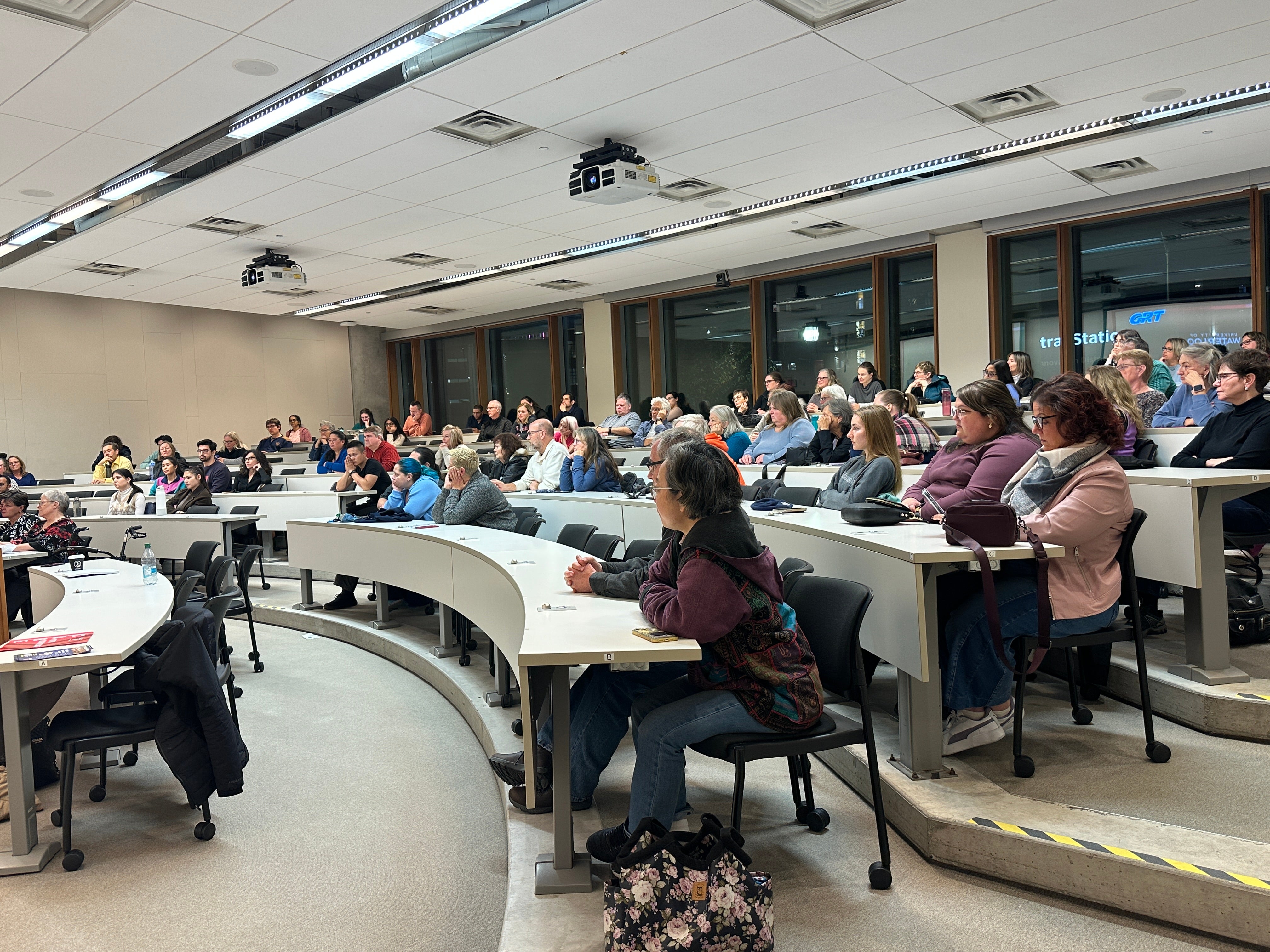
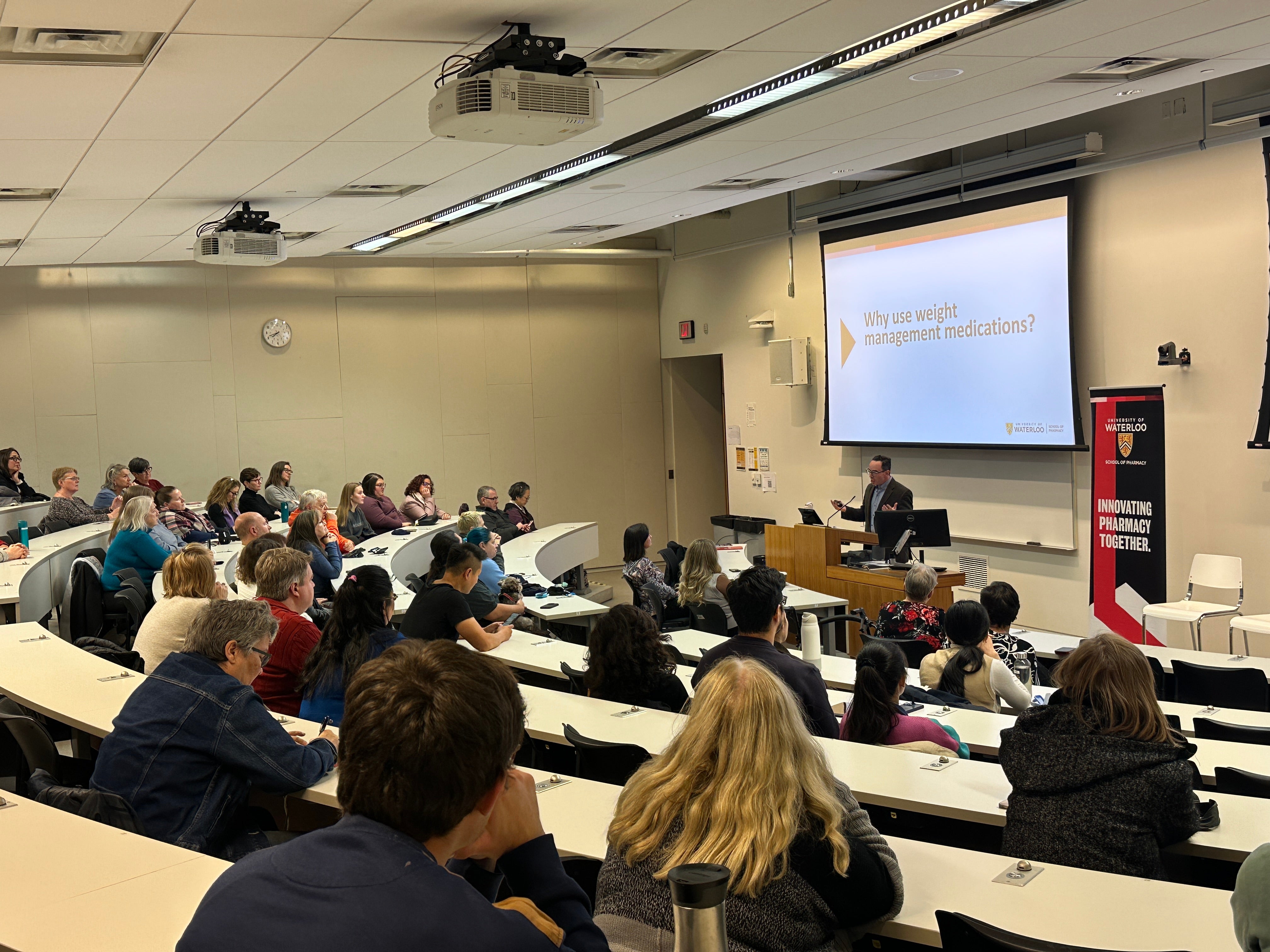
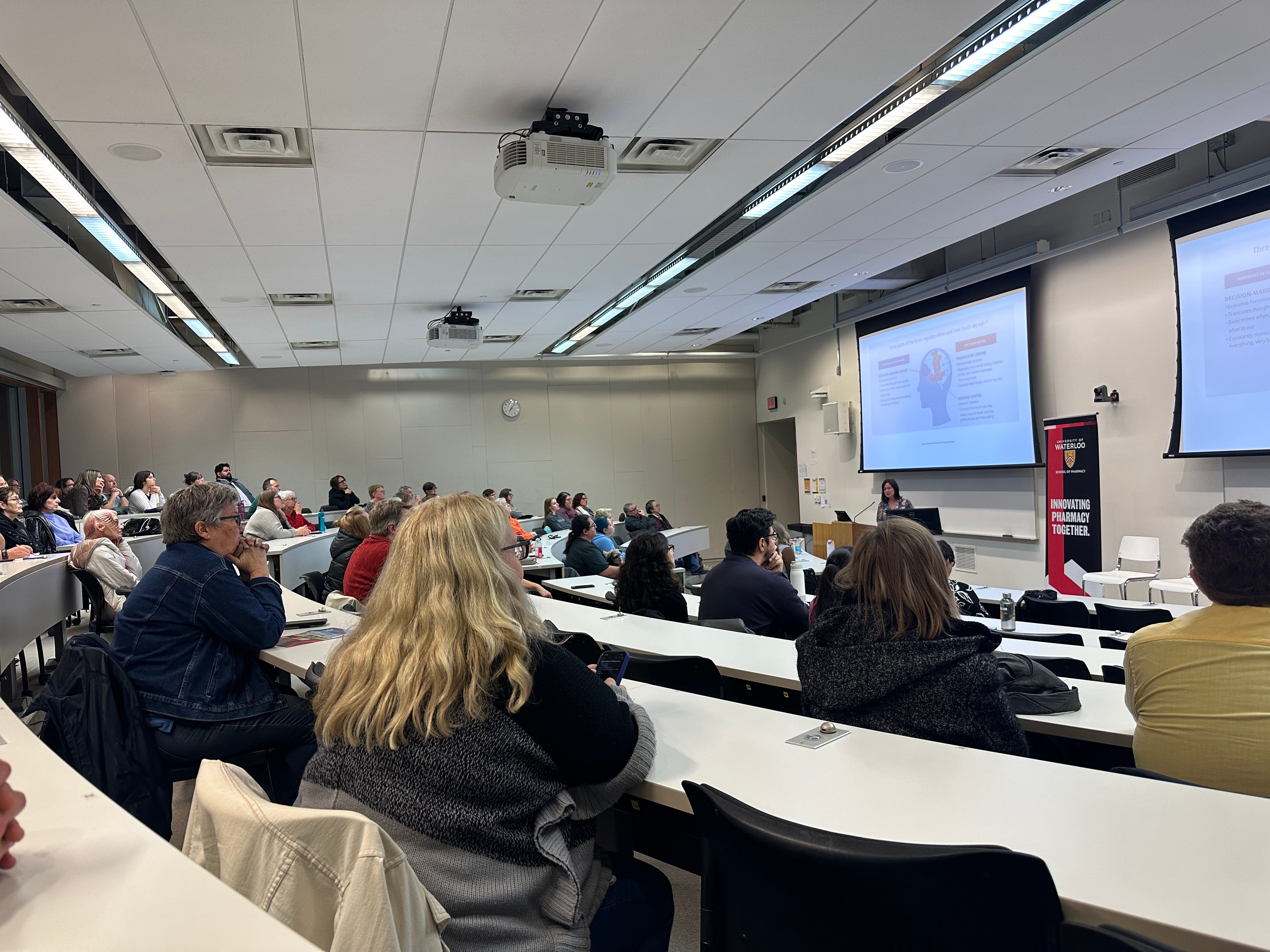
Dr. Dignam explained the many factors that can contribute to excess weight gain including genetics, medical factors, environments, ultra processed food and socioeconomic influences. Her presentation emphasized prioritizing health over the number on the scale, highlighting how the brain regulates eating, major contributors to the disease and evidence-based treatment options.
“We need to be compassionate and kind to ourselves. Obesity has nothing to do with a flaw in character or lack of willpower. Biology plays a significant role to where our weight lands,” she emphasized. “Evidence based treatment is available for anyone living with obesity. Finding your healthiest lifestyle that you can enjoy and keep up forever is key.”
Schillings focused on nutrition and behavioural strategies for those living with obesity. She emphasized the importance of healthy eating regardless of body size, weight or health condition. Schillings reviewed evidence-based dietary patterns that prioritize the inclusion of whole foods and high-quality ingredients, and she outlined behaviour change techniques to promote adherence and boost confidence.
“The biggest myth is that tackling obesity is a calorie in, calorie out formula,” Schillings said. “Popular weight loss diets all promote decreasing food intake, but this promotes starvation responses in the body. It’s not about eating less, it’s about eating well.”
Dr. JM Gamble concluded the presentation portion of the night by examining the six approved medications by Health Canda for long-term obesity management. He explained when and why these treatments may be appropriate to improve quality of life, detailing how each of these medications work and outlining potential side effects.
“Shared decision-making between patient and physician is important to align treatment goals and expected weight outcomes, alongside psychological interventions and health behavioural changes,” says Dr. Gamble. “Pharmacists play a key role in supporting patients with medication management, ensuring doses are tailored to each individual as part of a long-term treatment plan.”


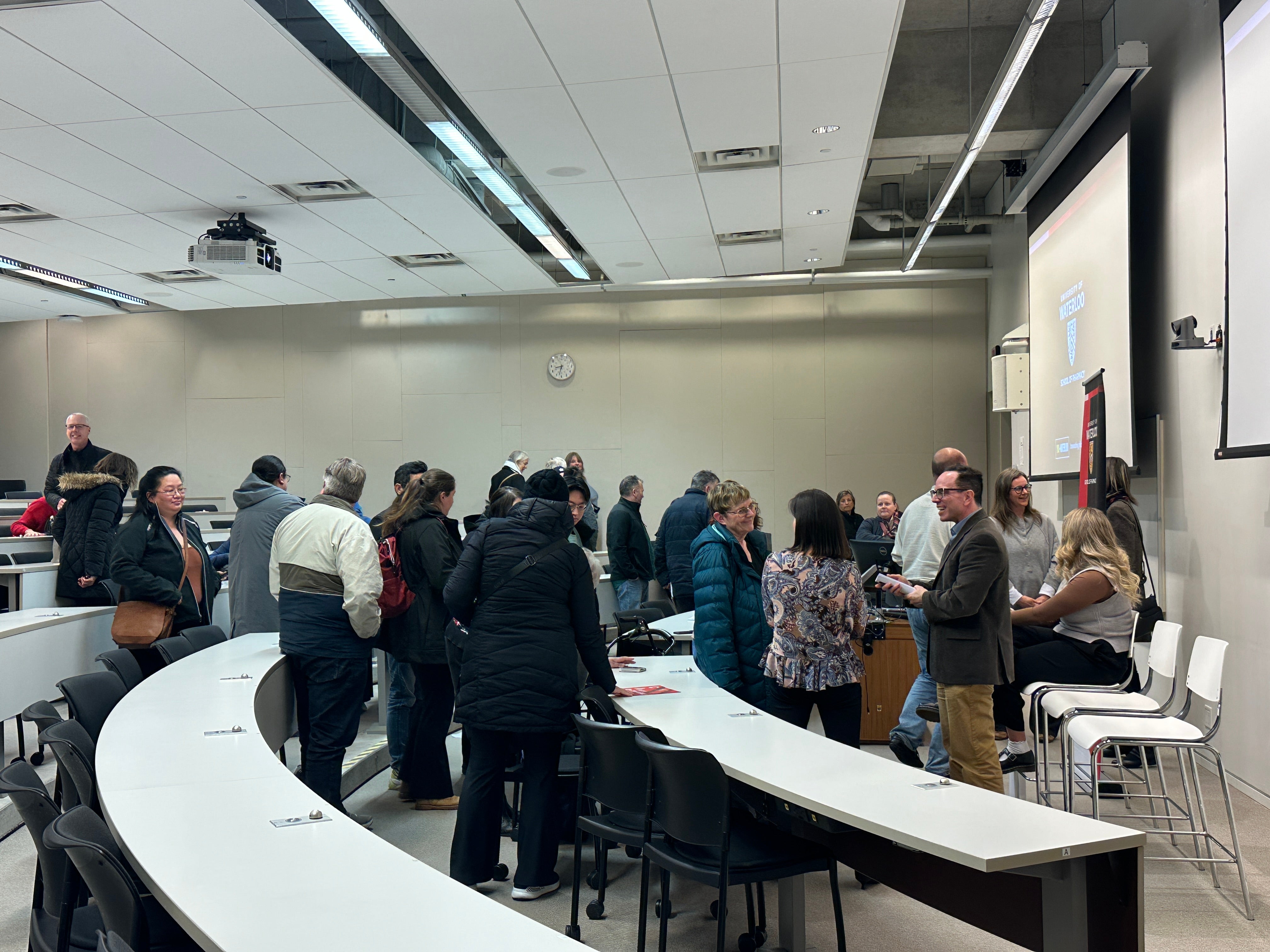
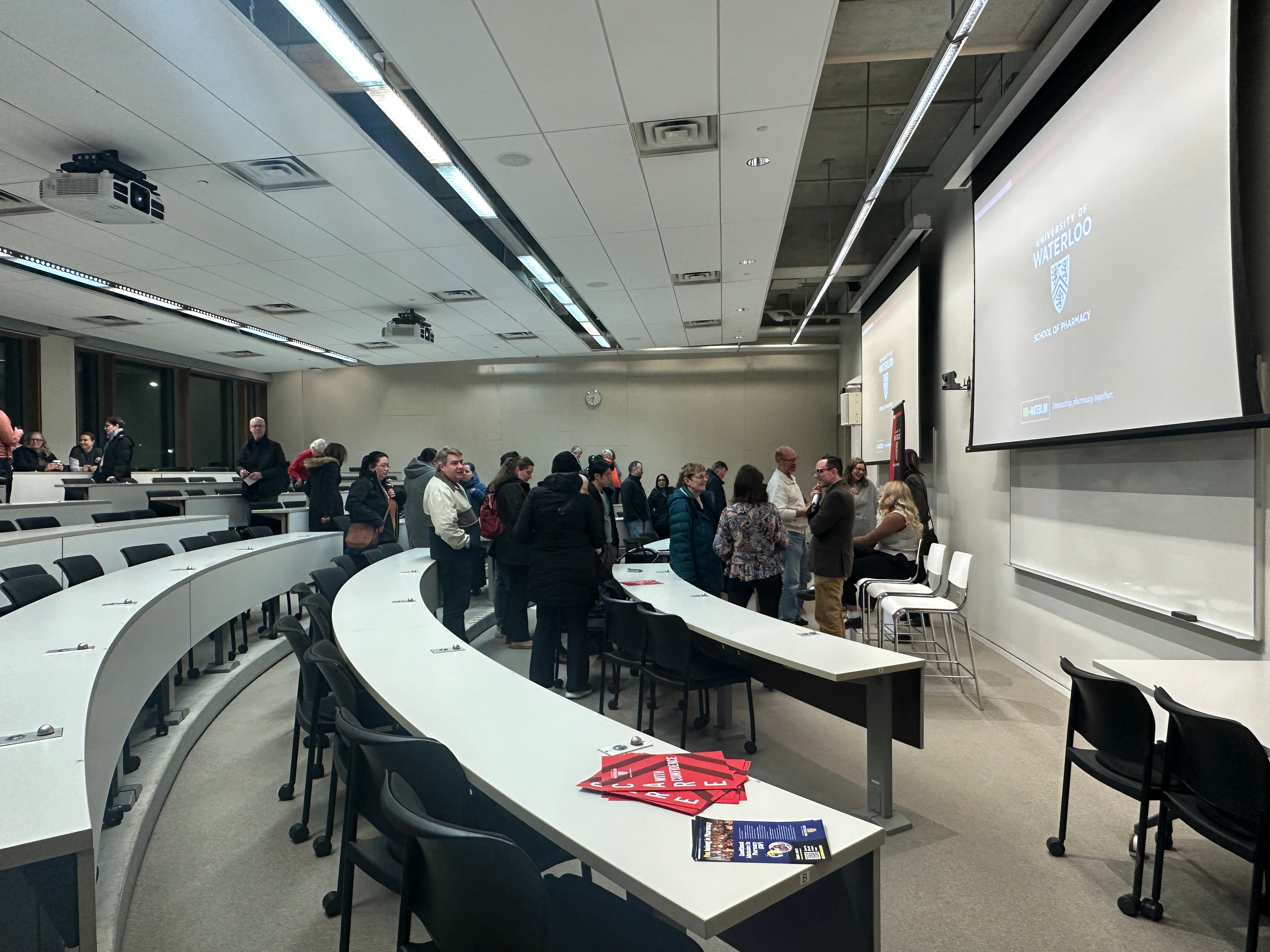
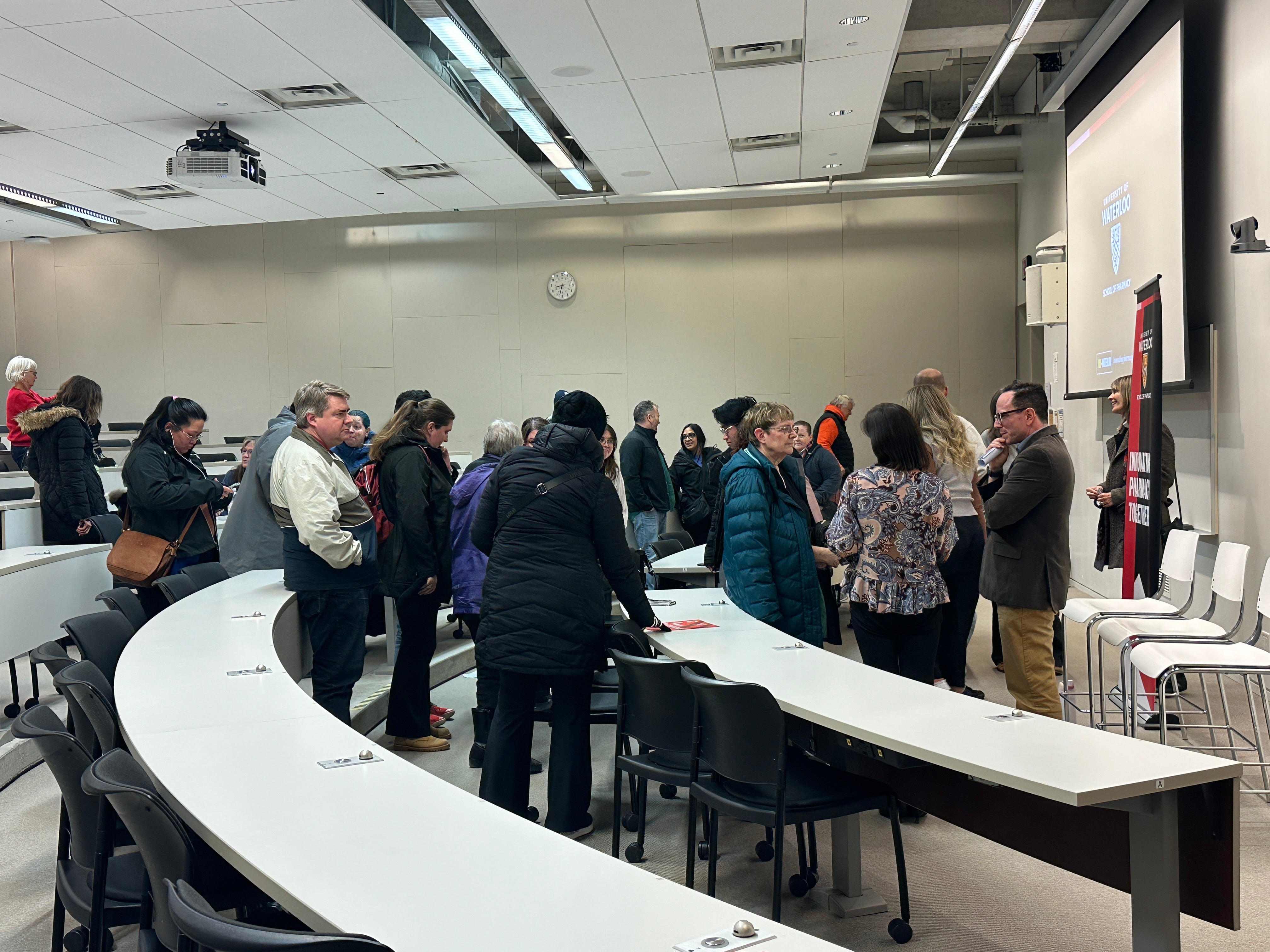
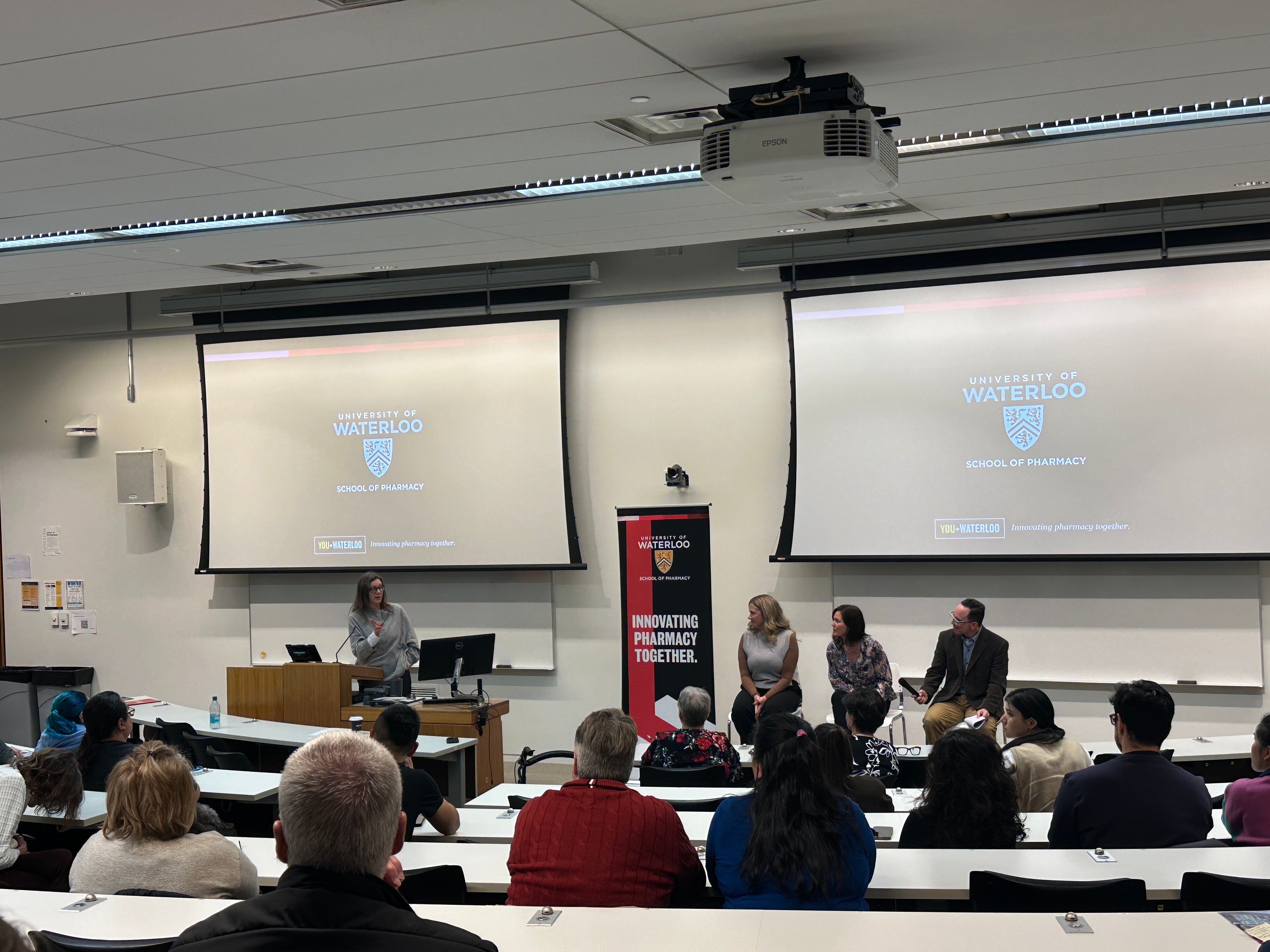
A lively Q&A session followed, moderated by Dr. Kelly Grindrod, pharmacist, associate professor and associate director of clinical education at the School.
Attendee questions ranged from sleep relationships tied into obesity, long-term management of medications and the effects after stopping medications, post obesity care for mental health, age related weight changes or pregnancies, the importance of muscle building when losing weight and the shifts in our food supply and its correlation with the increase of obesity rates.
Many stayed beyond the scheduled time to speak with our experts and ask them questions privately.
Thank you all who attended this engaging and accessible talk about this important topic. We look forward to seeing you at next year’s public lecture.