
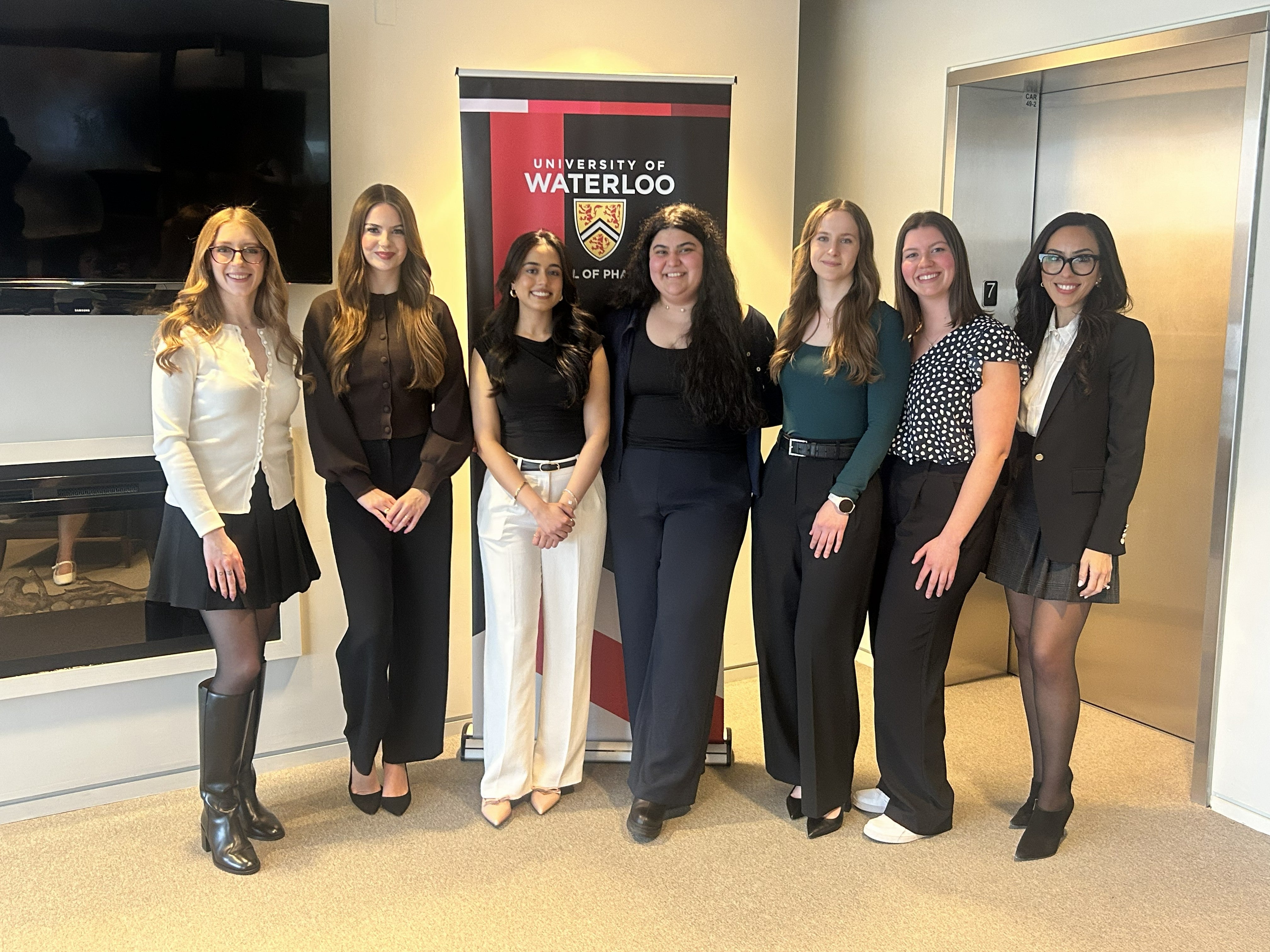
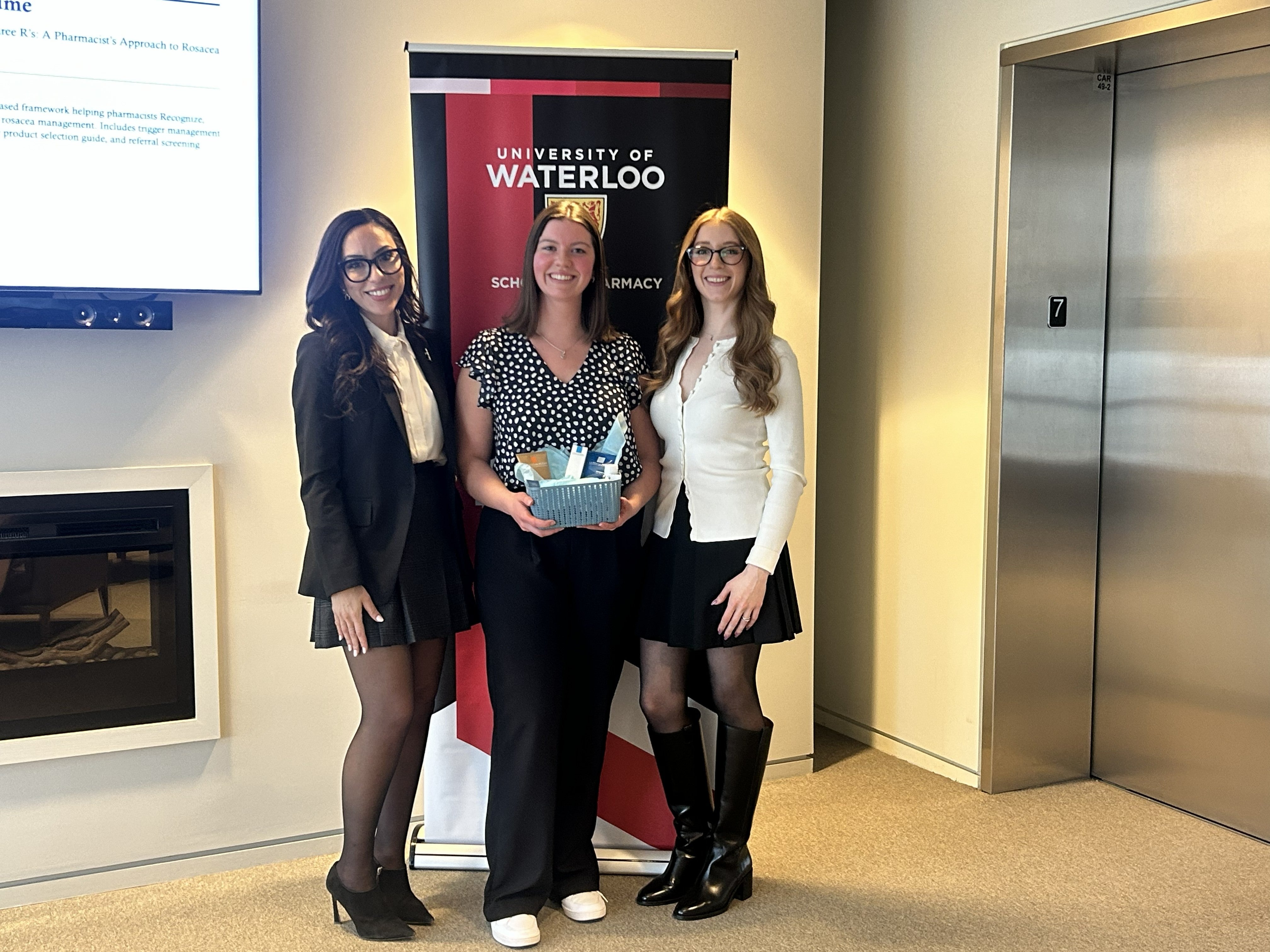
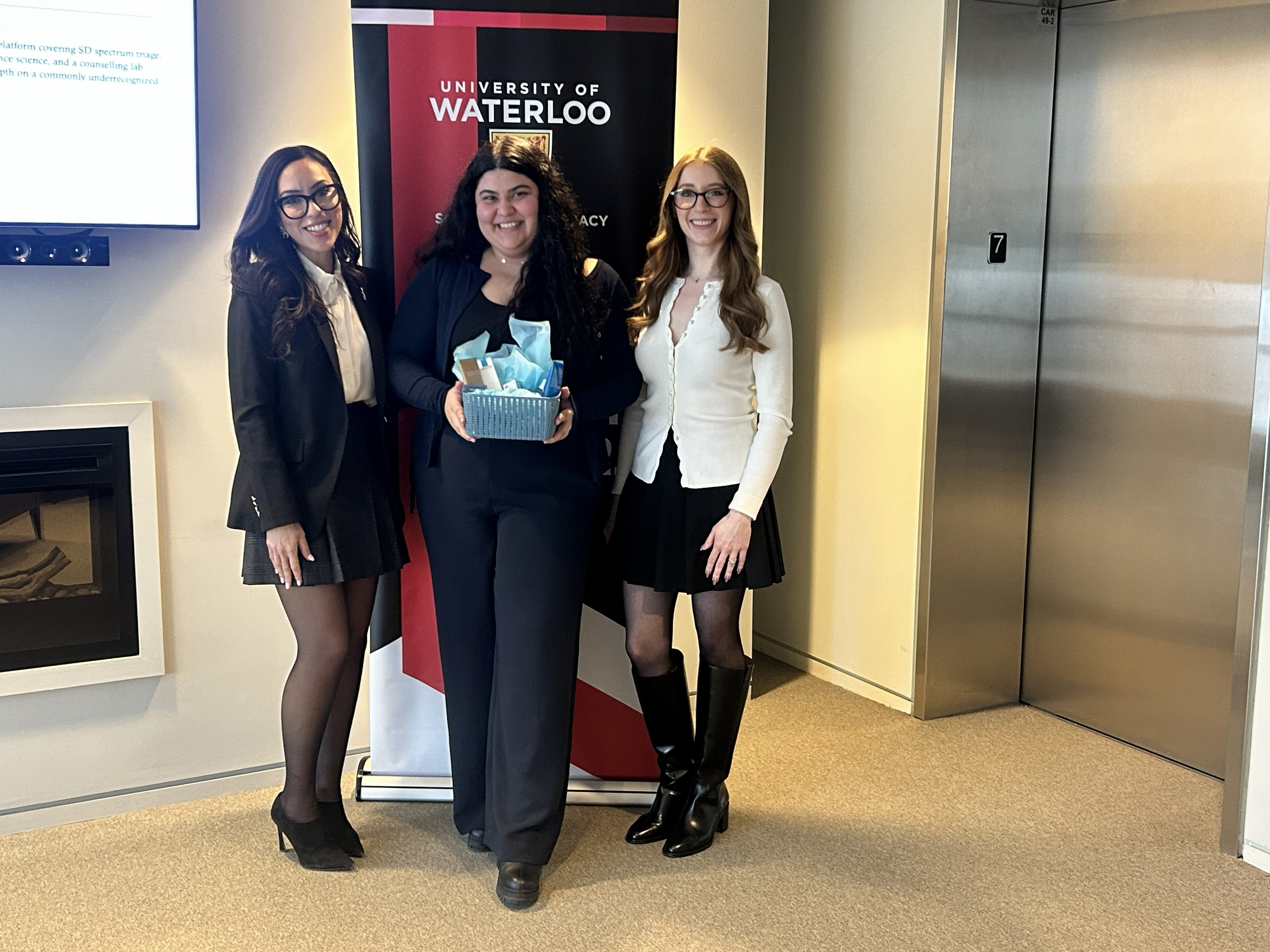
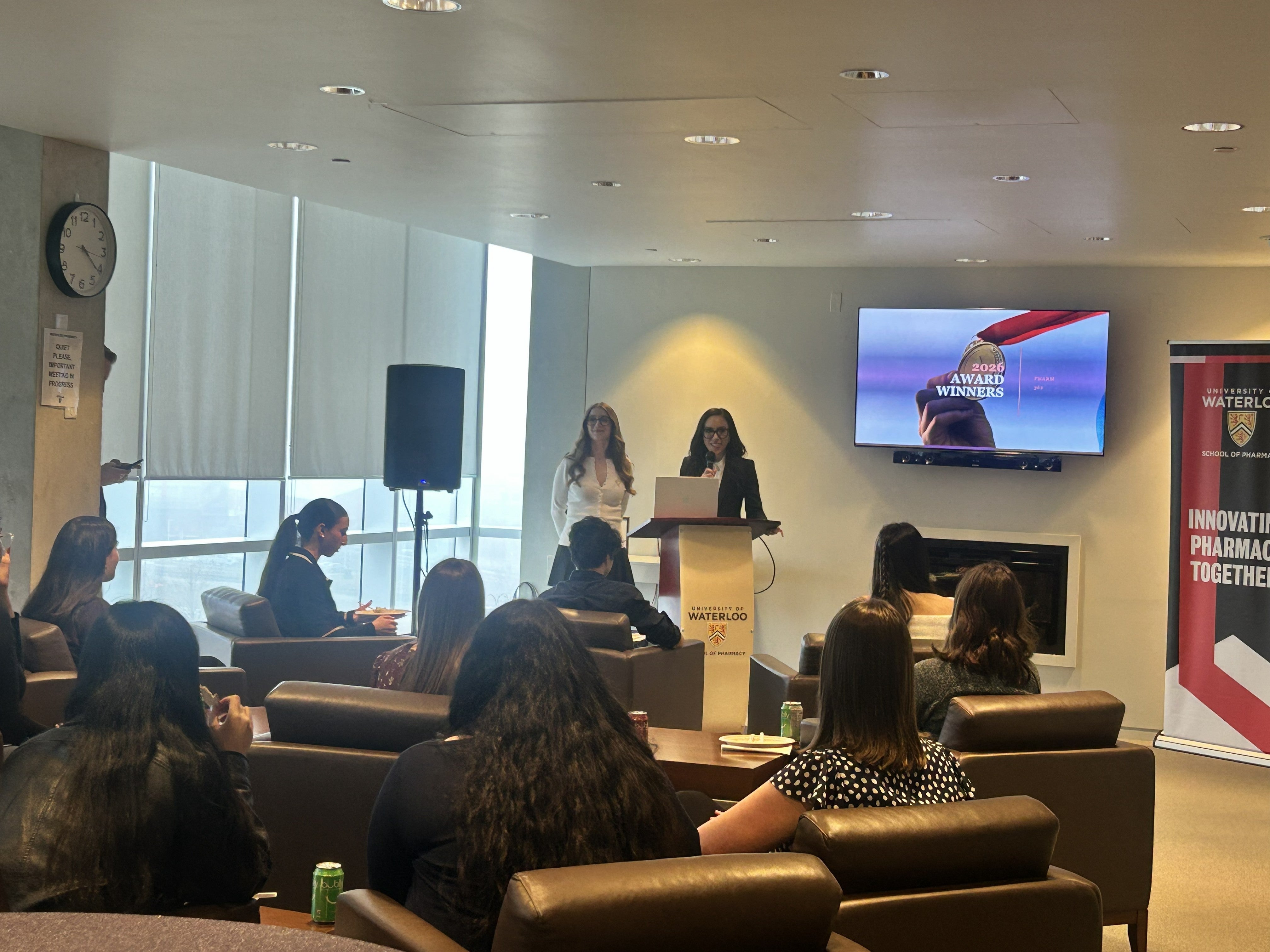
The La Roche-Posay Dermatology Award, valued at $3,000, is annually conferred upon a full-time undergraduate student in Year Three of the School of Pharmacy, Faculty of Science. This prestigious award recognizes the development of an exceptional presentation or instructional tool for healthcare professionals, focusing on the integral role of non-prescription products in the management and treatment of dermatological conditions. The award, first offered in 2016 to 2018, has been reintroduced for the 2024–2026 term, reflecting its valued history and renewed commitment to supporting innovative dermatology education.
This award actively complements the curriculum of 362 Advanced Patient Self-Care, delivered by associate professor Nardine Nakhla, and is integrated into a dermatology contest coordinated by the School of Pharmacy during the fall term. Funding for this award is provided by La Roche-Posay, a leading entity in supporting research across the clinical, biological, and pharmacological dimensions of dermatology.
"By fostering innovation in this area, the contest contributes to elevating the standard of dermatological care within the pharmacy setting. Investing in these students not only benefits their individual development but also has a ripple effect, ultimately leading to improved patient care and outcomes. We are excited to witness the ingenuity and commitment each student brings to their project and the positive impact their work will have on the future of dermatological health.” - Hailey Linton, Ontario regional pharmacist liaison, L’Oreal Dermatological Beauty."
- Hailey Linton, Ontario regional pharmacist liaison, L’Oreal Dermatological Beauty


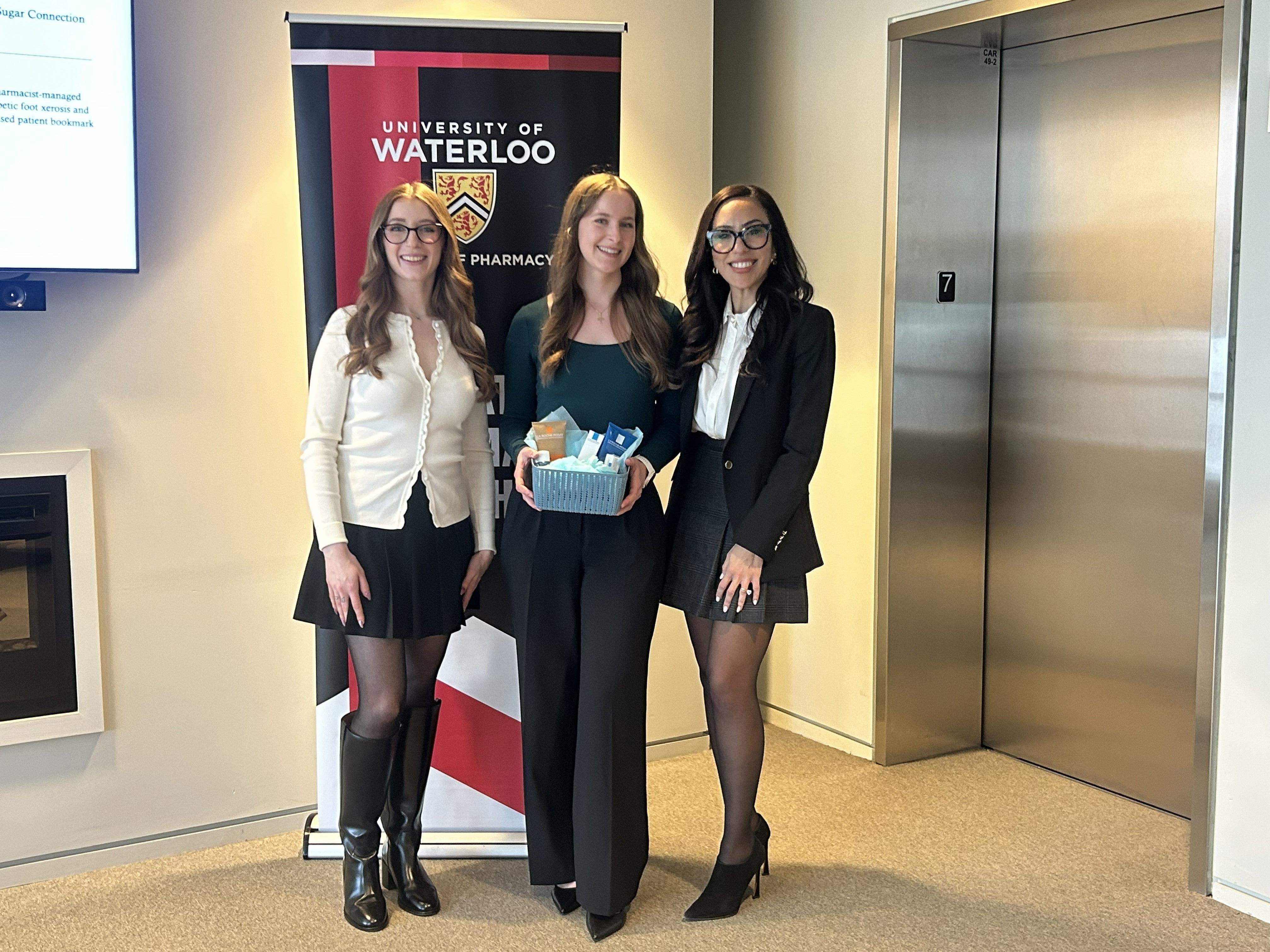
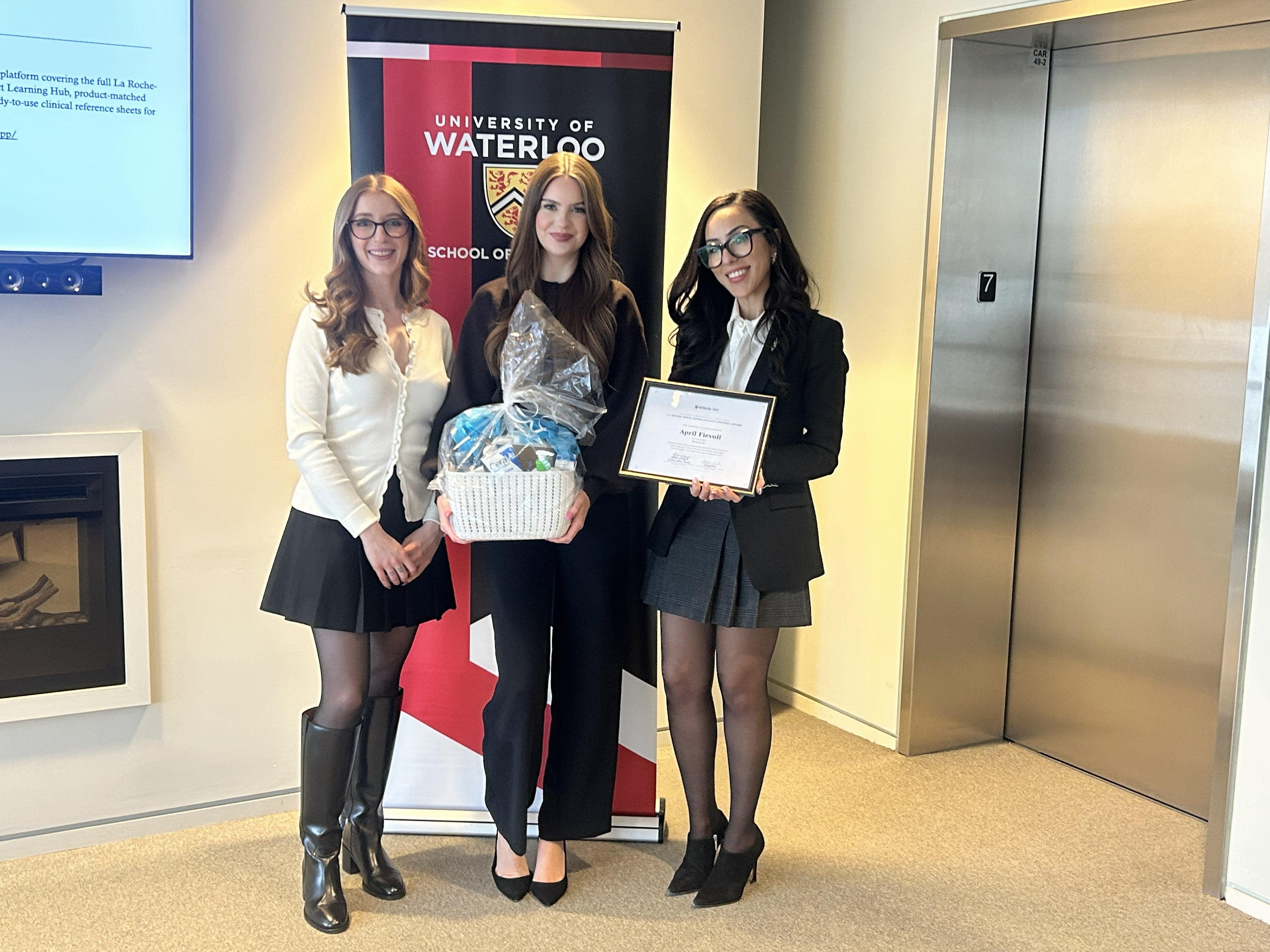
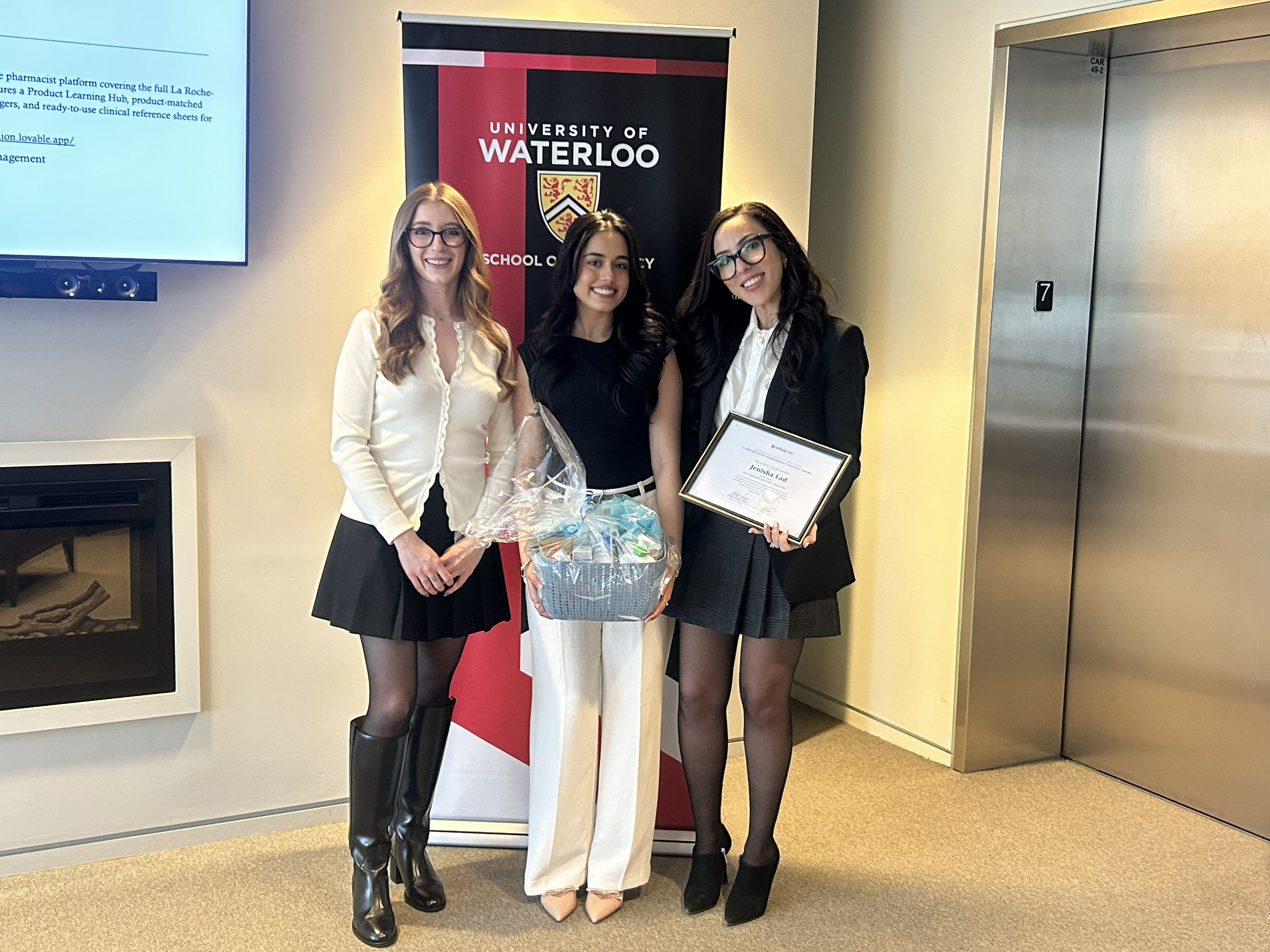
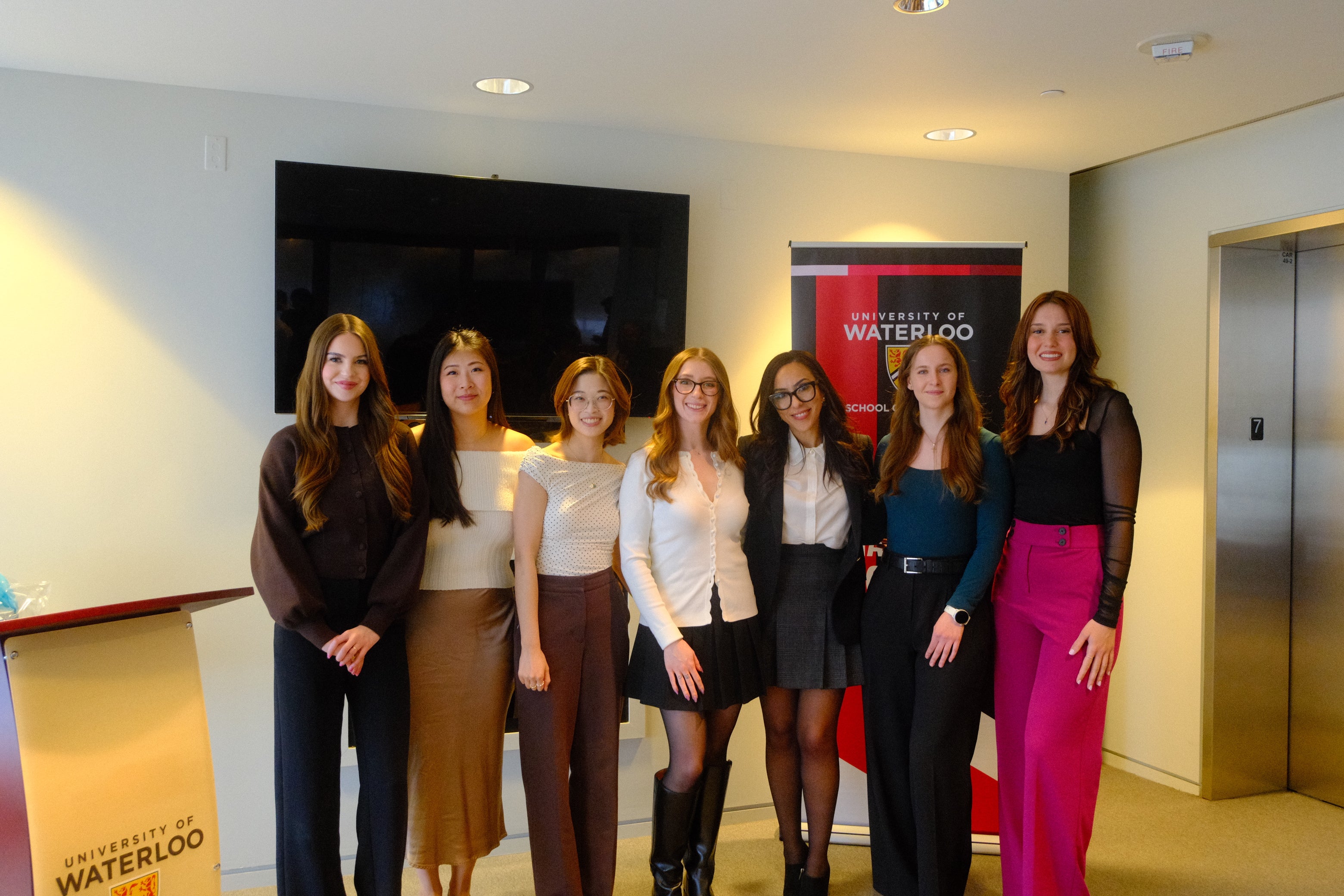
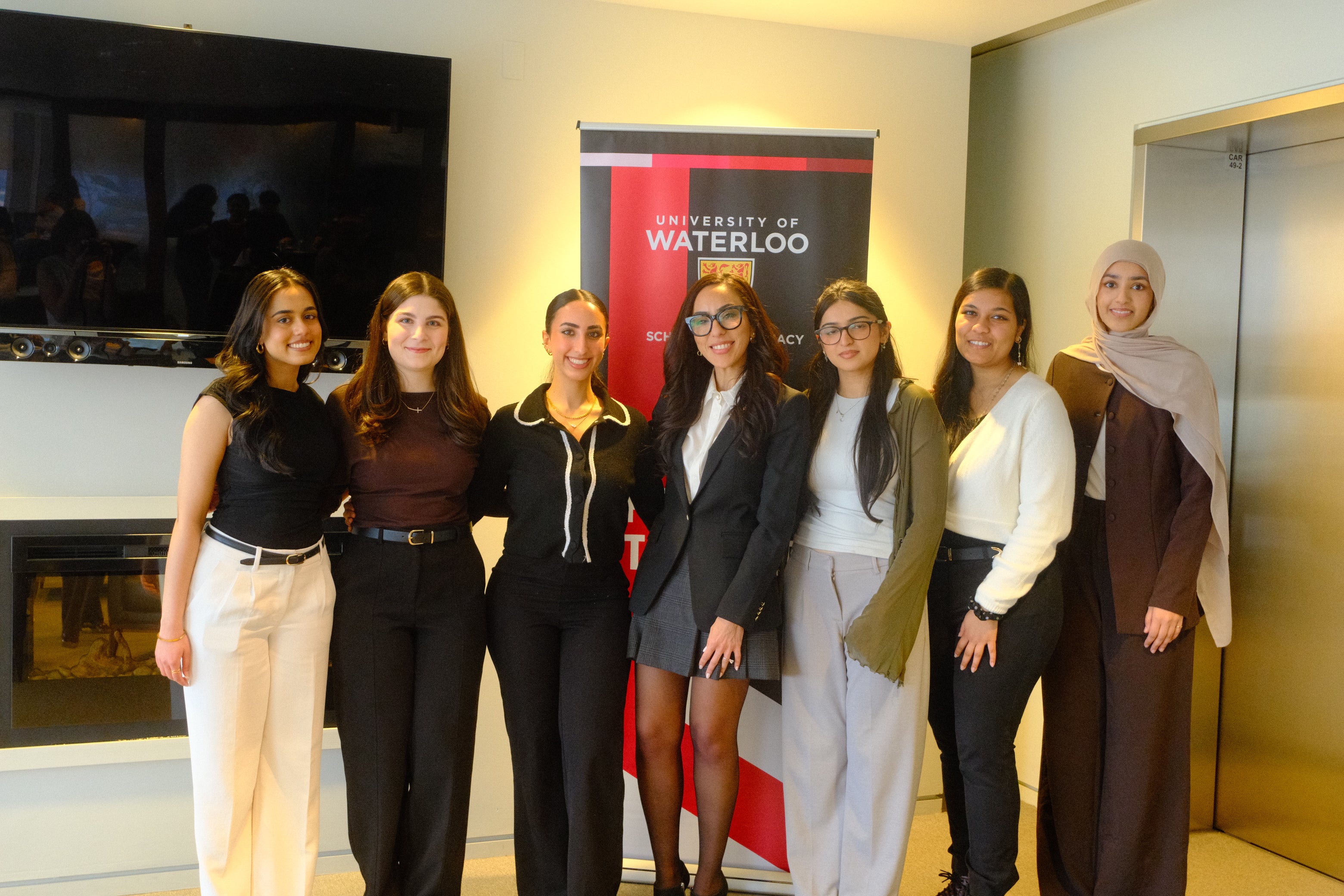
2026
2024 - 2025
Previous award winners
Taylor Gelinas and Kristi Butt win inaugural La Roche-Posay Dermatology Contest
This December two School of Pharmacy students received the first-ever La Roche-Posay Dermatology Contest award. Taylor Gelinas and Kristi Butt are senior pharmacy students who both share a passion for community practice and an interest in supporting patients with dermatological conditions.
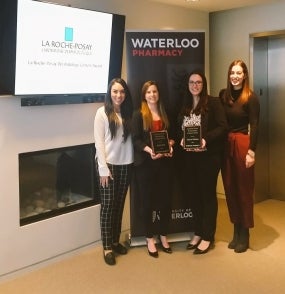
The award, sponsored by La Roche-Posay Laboratoire Dermatologique supports students who generate exceptional learning tools in the field of skincare. Applicants for the award were students taking Prof. Nardine Nakhla’s Community Practice elective, a new third year course.
For her project, Taylor developed a guide to help healthcare providers counsel patients who have a highly prevalent skin condition: acne. Acne is present in up to 80% of people aged 11-30 and can have devastating emotional and physical effects, especially in teens.
"I was interested in taking the Community Practice course because it focused on patient care services that pharmacists can provide,” Taylor explains, and the utility of her acne guide supports this interest. The guide breaks down the condition and shares many non-pharmacological treatments that practitioners can offer patients.
Kristi’s project focused on atopic skin, or atopic eczema, another common skin condition. A subset of eczema, atopic eczema is experienced by about 17% of Canadians and usually begins in infancy or childhood. Like Taylor’s project, Kristi’s presentation is guide to support healthcare providers.
“Pharmacy education is something I am excited to be involved with as a future pharmacist, whether it is in the community or in academia,” Kristi shares, discussing her reasons for applying to the La Roche-Posay contest. “This contest was the perfect opportunity for me to practice using evidence-based resources to create an educational tool.”
Professor Nahkla was present when the students received their awards from La Roche-Posay, and shared her enthusiasm for their work:
I was pleased to see that both students created a diverse selection of evidence-informed teaching tools that could easily be used by other pharmacy students and pharmacists to assist in the assessment of two very common dermatologic diseases, acne and eczema.
Previous award winners
Taylor Gelinas and Kristi Butt win inaugural La Roche-Posay Dermatology Contest
This December two School of Pharmacy students received the first-ever La Roche-Posay Dermatology Contest award. Taylor Gelinas and Kristi Butt are senior pharmacy students who both share a passion for community practice and an interest in supporting patients with dermatological conditions.
The award, sponsored by La Roche-Posay Laboratoire Dermatologique supports students who generate exceptional learning tools in the field of skincare. Applicants for the award were students taking Prof. Nardine Nakhla’s Community Practice elective, a new third year course.
For her project, Taylor developed a guide to help healthcare providers counsel patients who have a highly prevalent skin condition: acne. Acne is present in up to 80% of people aged 11-30 and can have devastating emotional and physical effects, especially in teens.
"I was interested in taking the Community Practice course because it focused on patient care services that pharmacists can provide,” Taylor explains, and the utility of her acne guide supports this interest. The guide breaks down the condition and shares many non-pharmacological treatments that practitioners can offer patients.
Kristi’s project focused on atopic skin, or atopic eczema, another common skin condition. A subset of eczema, atopic eczema is experienced by about 17% of Canadians and usually begins in infancy or childhood. Like Taylor’s project, Kristi’s presentation is guide to support healthcare providers.
“Pharmacy education is something I am excited to be involved with as a future pharmacist, whether it is in the community or in academia,” Kristi shares, discussing her reasons for applying to the La Roche-Posay contest. “This contest was the perfect opportunity for me to practice using evidence-based resources to create an educational tool.”
Professor Nahkla was present when the students received their awards from La Roche-Posay, and shared her enthusiasm for their work:
I was pleased to see that both students created a diverse selection of evidence-informed teaching tools that could easily be used by other pharmacy students and pharmacists to assist in the assessment of two very common dermatologic diseases, acne and eczema.