
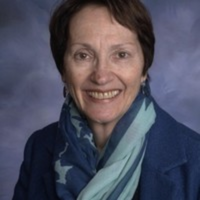
Editor's message
Many of us grew up listening to our mothers’ generation fret that English was going “downhill.”
When we arrived at university, professors worried whether students could even express themselves. Fifty years ago, UW’s English Language Proficiency Program began. Several of our WATtimes writers made careers helping people write more confidently.
As today’s generations discover, we are all in a better place when we acknowledge that good communication and lifelong learning are synonymous.
Enjoy this issue!
Judi Jewinski,
Editor, WATtimes
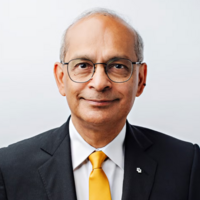
President's message
As this issue of WATtimes reaches you, it marks both a milestone for this publication and the final edition released during my time as President of the University of Waterloo. It feels like a fitting moment to reflect on the community that continues to shape this University long after formal careers here have ended.
This year we celebrate the 30th anniversary of WATtimes in its current form. For three decades it has helped keep Waterloo retirees informed, connected, and engaged with the life of the University. This first fully digital edition reflects how our community continues to evolve while maintaining those important connections.
We are also marking the 50th anniversary of the English Language Proficiency Program, a reminder of Waterloo’s longstanding commitment to welcoming students from around the world and supporting their success.
During my time as President, we worked together to articulate where Waterloo should go next through the Waterloo at 100 visioning exercise and strategy. It sets out the role this University can play as we approach our centennial in 2057, building directly on the foundation created by those who came before us.
Many of you helped establish the culture that defines Waterloo today: a willingness to think differently, collaborate widely, and act with purpose.
Thank you for helping build this remarkable institution — and for continuing to be part of its future. I am confident that your legacy, and Waterloo’s reputation and mission, will continue to thrive under the leadership of our new President, Bill Rosehart.
Warm regards,
Vivek Goel
President and Vice-Chancellor
University of Waterloo
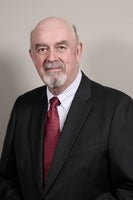
UWRA president's message
Your UWRA is all about connections. Our events connect retirees, the University, and the greater community. Take in the presentations and workshops that we offer on and off campus. Odds are you’ll meet someone interesting, share a few laughs, and even pick up a tip or two!
Ron Champion,
UWRA President
Board News
Welcome to our newest Board members!
Mario Coniglio
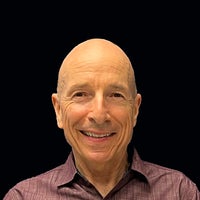
Mario is excited to contribute to UWRA's work that enhances the wellbeing and engagement of Waterloo’s retirees as they flourish during this special time in their lives. We are delighted to welcome him as incoming vice-president of the Association.
Maureen Jones
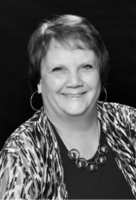
Maureen Jones looks forward to sitting on the UWRA board and helping the association grow. She looks back on her fulfilling career at Waterloo and wants to keep giving back in any way she can. Maureen has generously volunteered to be responsible for Membership with the UWRA and is keen to connect with fellow retirees new and old.
Congratulations to Sue Fraser, the latest Honorary Member of the UW Retirees Association. Sue is recognized for more than twelve years of exceptional leadership and commitment. Well-deserved, Sue!

Happy anniversary!
WATtimes celebrates thirty years in print
Nine years after the founding of the UWRA, members of the board formalized the publication of a regular newsletter, to be called WATtimes, with the assistance of the University and some eager volunteers.
Thirty years later, WATtimes has become a biannual magazine of 32 pages. This spring issue represents the first time WATtimes will be published digitally, with no print copy available.
For a little nostalgia, here is an item from the printed first copy of the first spring edition of WATtimes.


Honorary Members of the University
Congratulations to the following retirees who were named Honorary Member of the University at UWaterloo’s October 2025 convocation ceremonies.
The Honorary Member of the University designation recognizes employees for outstanding service to the University as a whole. It is the highest honour a staff member can attain at the University of Waterloo. For faculty members, it recognizes distinctive administrative or other service to the University. For a list of all honorary members, consult the Secretariat’s list.
Matthew Erickson
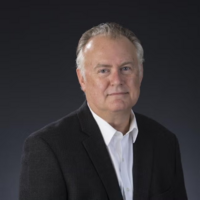
Matthew Erickson is the founding director of the Conflict Management and Human Rights Office. In his over forty years on campus, he served first as ombudsperson and later as staff relations co-ordinator in Human Resources, leaving a legacy of inclusivity, fairness, and respect across the University community.
Maureen Jones
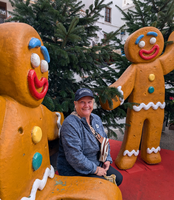
Maureen Jones dedicated her career to administration on campus, including sixteen years of leadership in Continuing Education and twenty-seven in the Registrar’s Office. In 2008, she became director, Student Awards and Financial Aid, and served as interim university registrar in 2017.
Elaine Lillie
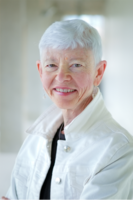
Elaine Lillie joined the School of Pharmacy in 2007, retiring as director of interprofessional education and curriculum development. Recognized for her excellent teaching both locally and nationally, she has left a legacy across Canadian pharmacy education by working closely with Indigenous leaders, integrating their perspectives into classrooms and admissions pathways.
E. Paul Penner
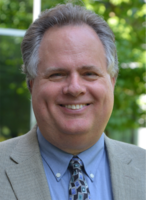
E. Paul Penner, a seasoned administrator at Grebel, led four major building projects, championed sustainability initiatives, supported staff, and served on key University of Waterloo committees. He has impacted generations of students through his leadership, friendship, stewardship, and community spirit.
Caryl Russell
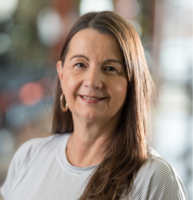
Caryl Russell joined the Department of Kinesiology in 1980, serving as research support technician, instructor, and finally director of clinical exercise programs at the Centre for Community, Clinical and Applied Research Excellence. She co-founded Hardy Hearts for cardiac rehabilitation and UW WELL-FIT for cancer survivors, programs that have supported thousands.
Marianne VanderGriendt

Marianne VanderGriendt, a senior research technician in the Department of Earth and Environmental Sciences, was integral to the implementation of major research initiatives, including the Canada Excellence Research Chair in Ecohydrology and the Global Water Futures program. Over 200 students and postdoctoral fellows benefitted from her compassionate guidance.
Pension and Benefits updates

By David Taylor
March 15, 2026 update
In a recent review of all Board of Governors committees, the University initially proposed splitting the Pension and Benefits Committee (P&B): the benefits section would move to a management committee, rather than a Board committee, and the pension section would combine with the Pension Investment Committee (PIC) into a single Board committee.
This restructuring raised two concerns. The first was that the proposed benefits committee might not carry the same “weight” as the existing P&B in recommending changes. (Also, since benefits will now be determined at least partially through contract negotiations, no one fully understands how things will work.) The second was that P&B and PIC require different types of expertise, so finding a full set of committee members with relevant expertise could be challenging, particularly with the need to represent the various stakeholder groups.
One proposal for the terms of reference of the proposed combined pension committee specified that the committee could advise the Board only in its role as plan administrator not in its role as plan sponsor. In the present context, this is extremely problematic: the decision whether to join the University Pension Plan (UPP) is part of the plan-sponsor role. Historically, P&B has provided advice on all aspects of the pension plan. The proposal in question was on a P&B agenda, but revisions (worked out between FAUW and the administration) were presented orally, confirming that P&B could provide advice to the Board in both its roles. Multiple issues could not be resolved at the meeting; in the end, no governance changes were approved.
Changes are taking more time than anticipated, with the goal now being to present them to the June meeting of the Board of Governors. The University administration would like certainty regarding benefits for the current contract negotiations, but the complexity of the changes means that they cannot be rushed. It appears negotiations will need to proceed without that certainty.
P&B did approve changes (as a recommendation to the Board) to the Responsible Investment Policy (RIP). An earlier version missed approval because it failed to acknowledge the strict requirements on investing the assets of a pension plan. Essentially, investment decisions must be made to maximize investment returns, while maintaining an acceptable level of risk. ESG factors (Environmental, Social, and Governance) can only be considered as they affect risk. Having a single RIP for both the endowment and the pension fund is problematic—while the revised RIP fits the pension fund, it places restrictions on investing the endowment fund that aren’t strictly necessary.
Although many of the issues facing P&B are discouraging, the current state of the pension plan is quite the opposite. The latest valuation is for the third quarter of 2025. The consulting actuaries report four measures of health. Two are particularly significant: going-concern and solvency. The first assumes the University will continue to operate and that assumptions are correct or nearly so. In the case of a going-concern deficit, the University must make additional contributions to eliminate it. The solvency valuation is artificial. It assumes the pension plan is terminated and current assets must be used to pay current and future pensions, according to the provisions of the plan, except for an absence of inflation indexing. Its practical significance is that it is a major factor in determining the premium the University pays to the Ontario Pension Benefit Guarantee Fund.
At the end of the third quarter, on a going-concern basis, the pension plan had assets valued at $3.01B and a surplus of $263M, for a funded ratio of 109.5 per cent. Having assets nearly 10 per cent beyond what is actuarially required is an excellent situation. In terms of solvency, a surplus of $636M meant a funded ratio of 126.7 per cent.
The pension plan has been fully funded on a going-concern basis since the end of 2023. On a solvency basis, the plan has been fully funded since the end of 2021 and now has a very large surplus. None of this guarantees its future state, but we are clearly in a good position to absorb future economic shocks.
Professor Emeritus of the David R. Cheriton School of Computer Science, David Taylor represents UWRA on UW's Pension & Benefits Committee. He has been preparing updates for WATtimes since 2021.
June 17, 2026 update
The Pension and Benefits Committee met on May 28. The main items on the agenda were the annual audit of the pension fund, the annual actuarial valuation of the pension fund, the quarterly pension “dashboard,” and a report from the Pension Investment Committee.
The annual audit of the pension fund verifies and confirms our assets. That the report is “clean,” however, conveys little information beyond “everything is O.K.”
The annual actuarial valuation is like the “dashboard” for the fourth quarter of 2025, but is formally dated January 1, 2026 and uses 2026 valuation assumptions. Thus, the 2026 valuation tends to be different from the final 2025 dashboard: the going-concern valuation decreases from 109.2% to 108.7% and the solvency valuation decreases from 129.3% to 126.0%.
The hypothetical wind-up valuation is interesting. Recall that the going-concern valuation assumes the plan continues and that the solvency valuation assumes the plan is terminated and needs to pay pensions from current assets, omitting the inflation indexing. The hypothetical wind-up valuation is like solvency but assumes pensions need to be paid according to the terms of the plan, including inflation indexing. On a hypothetical-windup basis, pension plans tend to be substantially underfunded, the case for our plan for at least five years now. Surprisingly, the plan is now 104.1% funded on that basis, which means, in principle, that the plan could be terminated and the assets used to purchase individual annuities that would provide income for everyone as specified in the pension plan. There is a qualifying statement that the size of our pension plan might make this difficult or impossible. It would be easy to buy annuities to wind up a small pension plan, but if you tried to turn the roughly $3 billion in our pension plan into annuities over a short period, the financial markets might not be able to provide them.
The quarterly “dashboard” indicates that the pension plan continues to be in good shape as of the end of March. It is appropriate to compare this quarter against the annual valuation (since they use the same assumptions), rather than against the last quarterly “dashboard.” On a going-concern basis, the surplus decreased from $244.3M to $223.3M (funded ratio decreased from 108.7% to 107.9%). On a solvency basis, the surplus increased from $627.0M to $672.1M (funded ratio increased from 126.0% to 128.4%). Note that the change in assumptions decreased the solvency surplus at the end of 2025 by an apparently significant amount, most of which was made up during the first quarter of 2026.
The May meeting was not a joint meeting with the Pension Investment Committee, so we received less detail than in other recent meetings. The performance of our investments continues to be discouraging. In the first quarter of this year, the fund had an investment return of 0.0%, although the benchmark return was not much better, at 0.5%. To meet our target relative to the change in Consumer Price Index (CPI), we would have needed a return of 2.3%.
The report from the Pension Investment Committee also included the annual report on the carbon footprint of our investments. We continue to do better than the target established in 2018.
Reflecting on the English Language Proficiency Program at Waterloo

Articles written in celebration of 50 years of support for communication skills on campus.
Click each button to read the associated article
A Half-Century of Service: The Hopefully Never-Ending Story of the Writing and Communication Centre
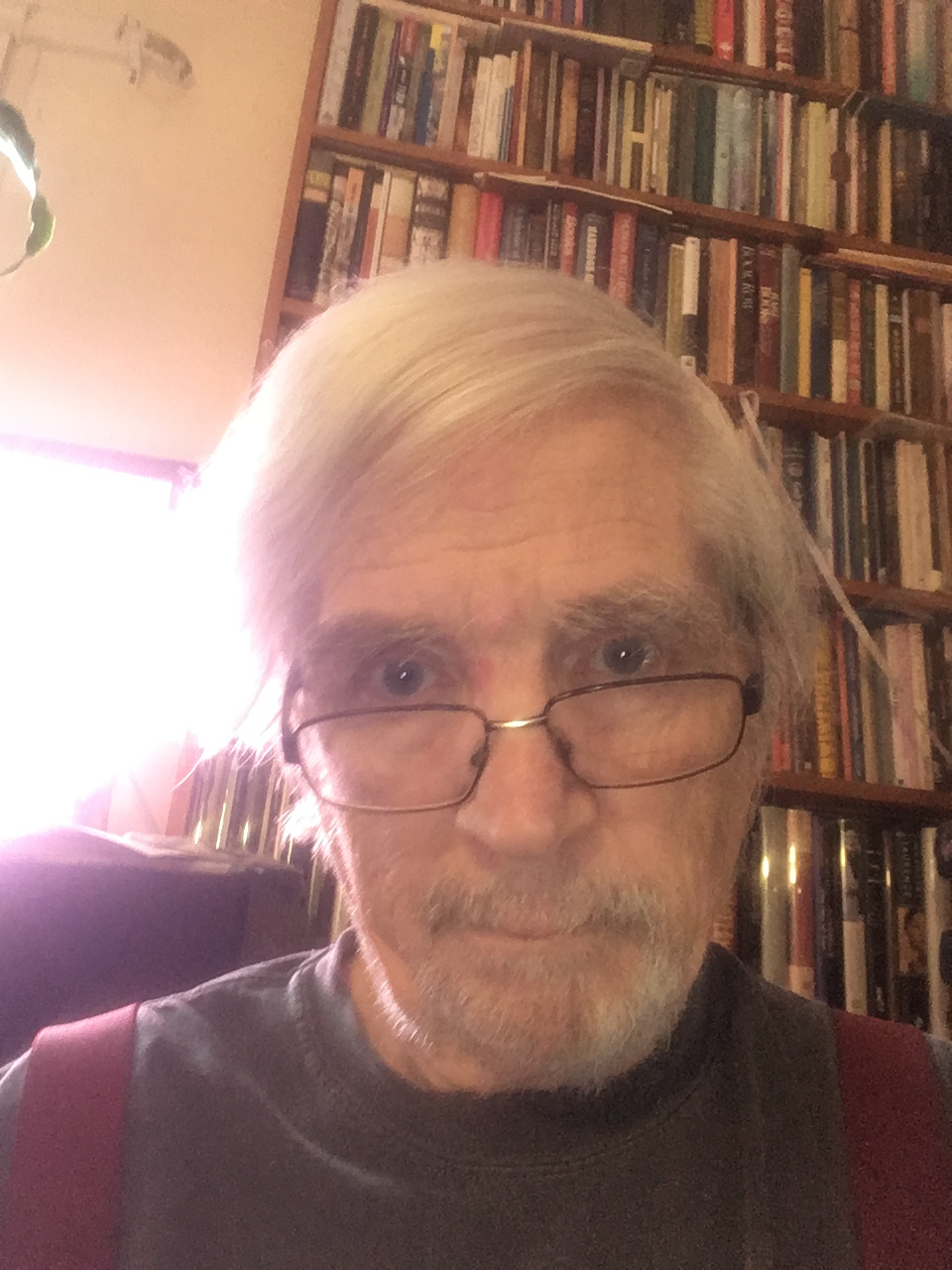
By John Vardon
When asked to write a few words about inception and evolution of the WCC at The University of Waterloo, I was convinced it would be an easy task. After all, upon my retirement, after working there for forty-two years, I had written what I thought was an exhaustive account of the English Language Proficiency Program and all that it entailed, including the exam and the Centre itself. Disinterring the document from its entombment in my computer files, I realized that “From Remediation to Renewal: a History of the University of Waterloo’s Writing and Communication Centre” was not only exhaustive but also exhausting. As thorough as I could make it, it didn’t tell the whole story of what now seems like an entirely different era.
It was 1976, the year when Steve Wozniak introduced the first Apple Computer and word processing appeared to have reached its ultimate capacity with the introduction of the IBM Selectric typewriter. Before widespread internet use, before email, before social media, this was a time when university research was done by consulting huge cabinets with drawers full of file cards, directing students to consult those hand-held blocks of compressed cellulose called books and journals, when AI was not capable of producing perfect essays for those who wanted to avoid the onerous process of writing them.
What also might be called the university atmosphere also seemed different to me then as a graduate of WLU, when the university was called Waterloo Lutheran, later changed to Wilfrid Laurier to honour Canada’s seventh prime minister and to avoid, some cynics said, having to throw out all those WLU t-shirts. Class schedules were interrupted each day by a half hour for chapel service, and the ambiance of the campus was clearly that of an American college. The now questionable practice of hazing meant that first year students had to wear beanies identifying them as such and requiring them to perform tasks and engage in slightly embarrassing rituals when called upon. Exercising the logical faculties now recognized by university acceptance, most of us learned to leave the headgear at home.
My memories of that first year also include attending a huge class in the amphitheatre (1E1), a mandatory mini course on the necessary but not riveting topic of library science. But recalling that experience now propels me four years forward to my graduate teaching assistant days at the university down the road and, in particular, to the much more enlivened experience of Professor Ken Ledbetter’s amphitheatre adventure in teaching English 109, a writing course initiated and taught for many years by his colleague, Professor Mary Gerhardstein. Ledbetter’s lectures involved notes projected on a large screen, interspersed with quotations from poets like Wallace Stevens and e.e.cummings, accompanied by a dazzling music and light show, not to mention occasional on-stage theatrics, all of which merited that year’s Distinguished Teacher Award.
Those two professors were also instrumental in convincing university authorities to initiate a task force that recommended The English Proficiency Program as a way to deal with the widespread perception that many incoming students were “having difficulty completing writing assignments satisfactorily.” Part of the program involved the exam, which at first consisted of an essay and a multiple-choice test and then for many years simply required a 50-minute essay based on a choice of famous quotations. Assessing the exam moved from identifying one “decent paragraph” to the later and much more precise rubric covering style, substance, and form. Eight hundred Arts students wrote the first exam in the gymnasium at Seagram stadium, with minimal or malfunctioning air conditioning during a September heat wave in 1976.
Those who failed the exam were asked to attend weekly lectures and three hours a week at the Writing Clinic, where eight newly hired tutors would oversee and offer feedback on essays written on topics mutually agreed upon. The first year, the Clinic was situated in one classroom of Hagey Hall, moving over the years to what became the box office for the Humanities Theatre, then to three rooms in the PAS building, and, finally to its current location in South Campus Hall, across from what was once (emphasis on the past tense) the bookstore.
Students who attended these various venues were encouraged to write weekly essays and make notes on areas for improvement; tutors were tasked with ensuring that they had paid enough attention to their strengths and weaknesses to write and pass an in-Clinic essay under the same time constraints as the exam. These students were said to be “exempted” from the requirement to pass the exam in order to graduate.
As more faculties (and eventually all) opted into the ELP, marking the exams and accommodating the students in the Clinic became more and more difficult, even when as many as 25 tutors were working up to ten hours a week. Included in these ranks were Judi Jewinski, editor of WATtimes, and Ron Champion, UWRA President. Students arrived in droves outside the doors of the WC on sign-up day but even then, many had to be placed on a waiting list. Invigilating the exam at the start of each term became both tiring and tedious, and marking took up to two weeks of six hour days. Students who had passed the exam but were looking for writing advice could book appointments, but space was very limited.
The exam had always generated some controversy and negative rumour, so much so that a YouTube video was created to dispel some of the commonly held myths about its alleged unfairness. (It’s still available online, though now nearly ten years old). But for both practical and pedagogical reasons, the exam was put out of its misery. Researchers had for some time been examining the way we all learn to write and devising more successful and less intimidating ways to facilitate that learning, and the seventies-style remediation model was no longer viable. Undergraduates wrote the last mandatory proficiency exam in 2018. Few students mourned its passing, and even WC instructors rejoiced.
The Writing Clinic, of course, changed its name several years ago to the Writing Centre, to avoid the unfortunate disease-related connotations. It’s now the Writing and Communication Centre, and those who work there are no longer tutors but Writing and Communication Advisors. It has become what those blessed with the inerrancy of hindsight say it should have been from the start, a place that both graduates and undergraduates can attend voluntarily, signing up for sessions in person, virtually, or by email. Under the direction of Dr. Clare Bermingham, the WCC has evolved to become, using words from my much longer ELPE history, “a place students want to go to, a place which they can recommend to their peers, a place where active learning takes on a significant and lasting meaning.”
John Vardon came to Waterloo for university and never left. He was a sessional lecturer in English for three decades, was a tutor at the Writing Centre for CC 42 years, and has been a poetry editor for the New Quarterly since 1985.
From Student to Staff: Multiple Perspectives of the Writing and Communication Centre
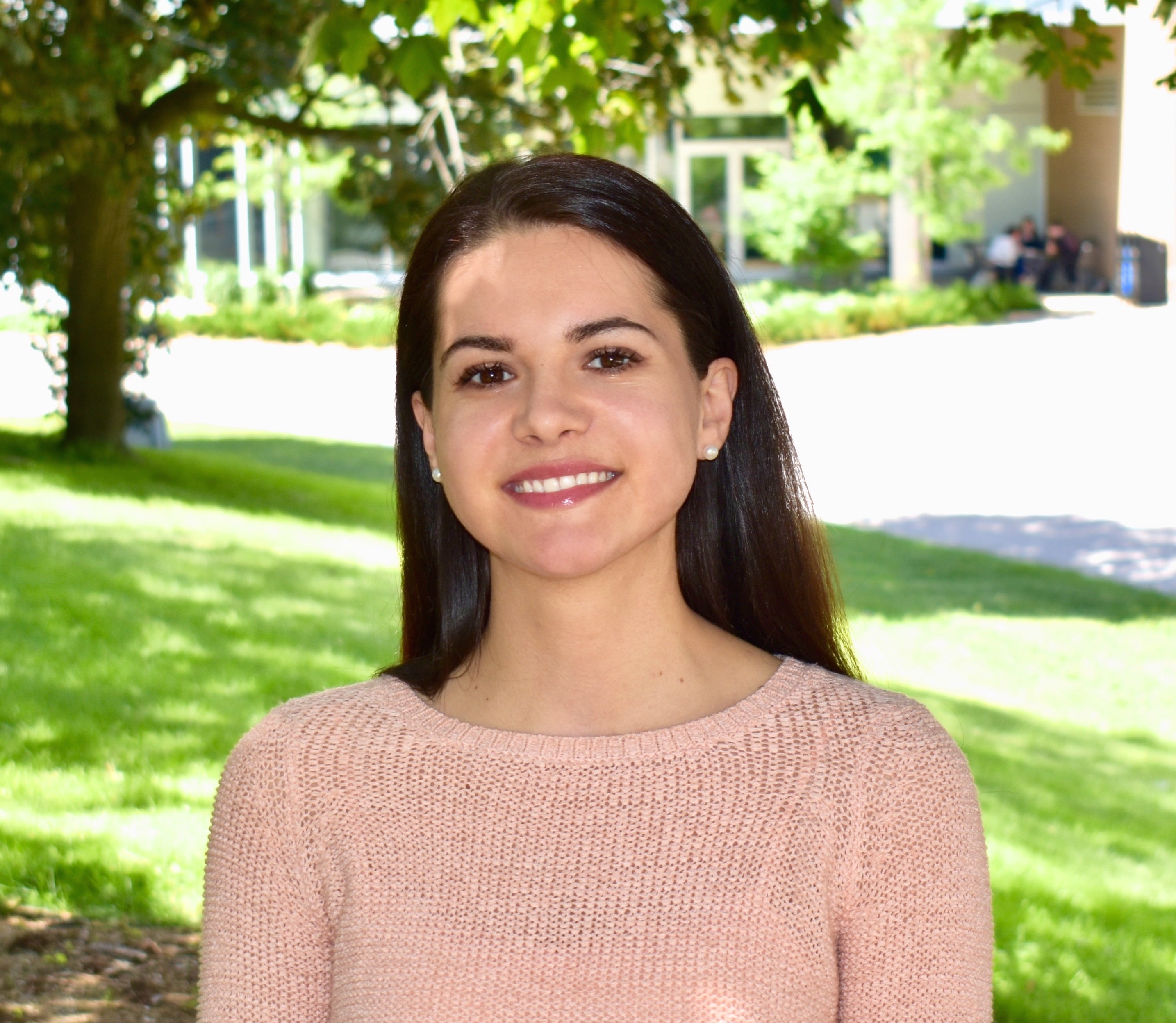
By Maša Torbica
As a PhD candidate in English Language and Literature, I was quietly unraveling before I found my way to the Writing and Communication Centre (WCC). Writing has always been central to my academic and creative life, so I expected the dissertation to feel like a natural culmination of my previous efforts. Yet assembling countless fragments into a coherent first draft felt overwhelming, I repeatedly immersed myself in gathering more and more research. The increasing volume of information only intensified the pressure, leaving me stuck and concerned about ever completing my degree. Connecting with the WCC’s graduate programming proved transformative. By participating in the Dissertation Boost Camp and the Grad Writing Cafés, I learned how to set realistic daily writing goals, revise in stages, and experiment with different drafting approaches. Sharing ideas and challenges with other graduate students helped me turn incremental progress into steady momentum, and I ultimately finished my dissertation.
My experience prompted me to join the WCC as a part-time peer tutor and later a full-time writing advisor. In these roles, I worked with undergraduate and graduate students across the university. Each appointment provided fascinating insights into different disciplines, research projects, and lived experiences. I was particularly energized by sessions focused on persuasive writing, including personal statements for scholarships and graduate programs. By learning to articulate their achievements and aspirations clearly and precisely, students gain greater confidence and a stronger sense of purpose to carry into future academic and professional pursuits. It is incredibly rewarding to see the growth students achieve across different types of appointments and inspiring to witness it reflected in their subsequent accomplishments. Students often follow up to share milestones such as submitting their first work term report, delivering a speech at Convocation, earning a major scholarship, or fulfilling the lifelong goal of admission to medical school.
Now, as the Manager of Undergraduate Student and Peer Tutor Programs at the WCC, I am proud to lead a dynamic, diverse team whose expertise spans disciplines and pedagogies. Our peer tutors represent all six Faculties at the university, and our full-time advisors bring invaluable experience supporting multilingual, Black, Indigenous, racialized, and other equity-denied students. From hosting Faculty-specific outreach booths across campus to offering online and drop-in appointment options, we are committed to meeting students where they are, both literally and figuratively. Through ongoing coordination with other units, including initiatives like Peer Support Day, we make it easier for students to understand and access the full range of resources available to them.
I am passionate about ensuring that future students find the WCC earlier than I did, so they can benefit from timely, relevant learning support long before challenges feel overwhelming. What began as an academic lifeline during a stalled dissertation has unfolded into a vocation defined by connection, collaboration, and lasting impact. I am deeply grateful to have grown alongside this remarkable centre and to contribute to its evolving legacy for the next generations of students.
Dr. Maša Torbica is Manager of Undergraduate Student and Peer Tutor Programs for the Writing and Communication Centre. She first encountered the WCC as a student, and she was a peer tutor and a full-time staff member before becoming manager.
In Her Own Words: Janne Janke reminisces about Life on Campus 1968 – 2015
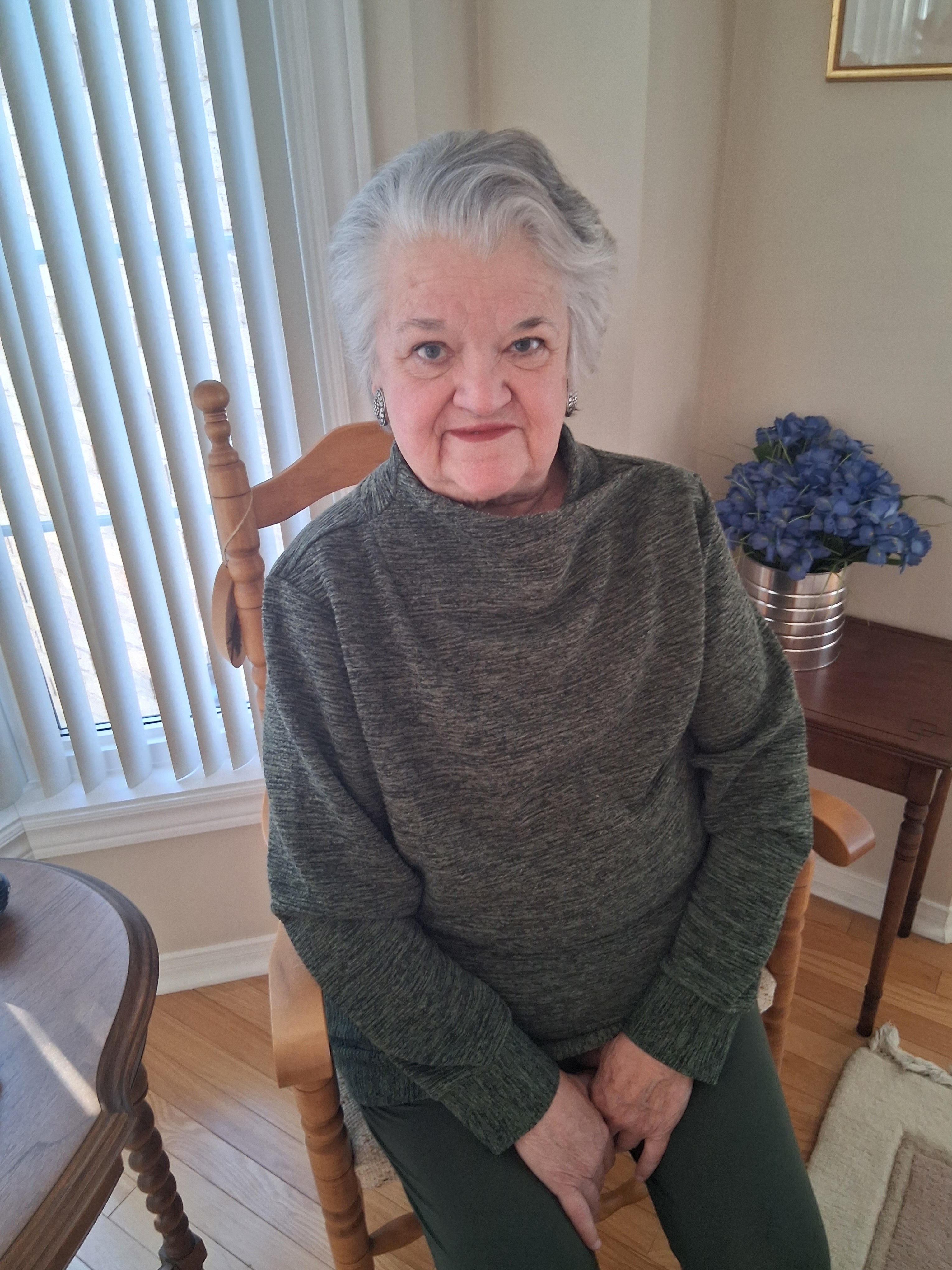
By Janne Janke
Little did I know in September 1969 when I started at the University of Waterloo, after a first year at Western, that I was beginning a lifelong relationship with this institution. My decision to pursue a degree with a double major in French and German Languages and Literature was a stepping stone and, most importantly, offered me a sense of community academically, professionally, and socially.
My journey at Waterloo began in my second year. The classes, much smaller than those at Western, made me feel at home and comfortable with my professors, who were accessible and approachable. (In London, I had had more contact with teaching assistants than with professors.) I soon developed enduring friendships with like-minded individuals. Indeed, Judi Jewinski (WATtimes editor) took French 350 with me in 1970, and our paths have crossed many times over the years.
BA in hand, I became the “secretary” for the Germanic and Slavic Department in 1972. Having been interviewed in German, I assumed my job would be as the German secretary, only to discover that I was hired as the Russian secretary! I had NO knowledge of Russian, so I studied the language my first year on the job, somehow stumbling my way through transcribing Cyrillic on an English keyboard. Then, suddenly, I was offered the position in German when a Russian grad student joined the staff. Much to my relief, I was finally working in my academic area of interest and using German every day. It was a very collegial department—I have fond memories of regular Tuesday night volleyball games, with faculty, students, and staff all participating.
After a two-year stint in Germanic and Slavic Studies, I enrolled in a Master’s program in French in 1974 and worked as a TA. And I discovered I love teaching! After completing one year of the two-year program, I found work in the Classics and Romance Languages Department from 1975 to 1977. My language skills once again made the difference: I was not just Department secretary but a part-time Research Assistant with Ray Dugan and Pierre Dubé, who were compiling a computer concordance of Flaubert’s novels, an innovative project at the time. I became a marker for French Civilization and Culture (a “correspondence” course as we called it then) and assisted in the language lab as well. Faculty members became friends and colleagues, not just former professors. I have wonderful memories of those years, of both the work-related projects and the social gatherings.
In 1977, still happily working in the French division of the department, I noticed an ad in the Gazette for part-time tutors for the recently established English Language Proficiency Program. I decided to apply. In addition to a CV, we were asked to make extensive comments on a piece of undergraduate writing. I stayed up all night to making sure my marking was accurate and fair. Then, I was interviewed and, despite some initial reservations from the hiring committee (I was quite obviously pregnant), I was offered a job as an ESL tutor in the Writing Clinic. My life changed: I had found my niche! It was a very collaborative experience, with tutors exchanging ideas during the weekly Friday afternoon meetings, which often ended in the Grad House. (Judi Jewinski and Ron Champion were hired that same year, and they have remained part of my university life ever since.)
From my early days as an undergrad ESL tutor to my final position as Coordinator/Writing Specialist of the Grad Writing Centre, I met wonderful students from all over the world. One undergrad, Cecilia from Taiwan, had an unusual double major in Math and Fine Arts. Even after passing the proficiency exam (ELPE), she remained my student for five years. Then, before returning home, she gave me a watercolour inspired by the topic of her first ELPE: “Inside every cloud, there is a silver lining.” It still hangs on my wall. Many grad students introduced me to the cuisine of their country. I enjoyed a delicious Persian dinner at the home of Majid and Kobra, a married couple working on their PhDs in Engineering. Wenfu, a Chinese PhD student studying transportation, would invite me to his home whenever his father-in-law visited—I was treated to the best dumplings ever. Unforgettable memories!
Although all my positions were part time, I cobbled them together to keep me busy working around the clock. My tutoring of students from various faculties and departments allowed me to spread my wings. Soon I was part of pitching the idea of a satellite undergrad Writing Centre for the Math faculty. This connection led to marking math co-op work reports. Eventually, I was coordinating the marking team and collaborating with Ron Champion on revising the existing Guidelines.
Then, in 2005, after 38 years with the English Language Proficiency Program, I was offered a full-time position as Coordinator/Writing Specialist of the Grad Writing Centre. I approached Columbia Lake Village about creating space for grad students there. I suggested the same to the Architecture Department in Cambridge so that no one had to commute to main campus. We expanded not just our physical footprint but also our services, eventually helping grads with oral presentations and preparing them to defend their theses. As our services grew, so did my enthusiasm.
One final side career complemented my university work: from 1982 to 2010, I worked as an independent travel agent. I arranged flights for the Mannheim German Student Exchange and for the French Department’s year abroad in Nantes. I also arranged annual trips (flights, accommodation, tours) to Costa Rica for Geography students at WLU. As a result, faculty and staff at both places contacted me to set up personal and professional travel. I travelled vicariously with everyone.
UW has been at the centre of my life for 57 years, and the WC, celebrating its 50th anniversary in 2026, was my anchor for 49 of them. Waterloo has always provided me with a sense of community and purpose. As an 18-year-old student in 1969 and throughout my roles on campus, I benefitted enormously from my relationship with the University. And now, as an active member of the UWRA, the connection continues.
Although happily retired from the Writing and Communications Centre, Janne Janke misses her students and colleagues. She enjoys spending her retirement travelling the world and trying to keep fit through aquafit, walking, and swimming.
Waterloo’s Writing and Communication Centre: “The times they are a-changin’”
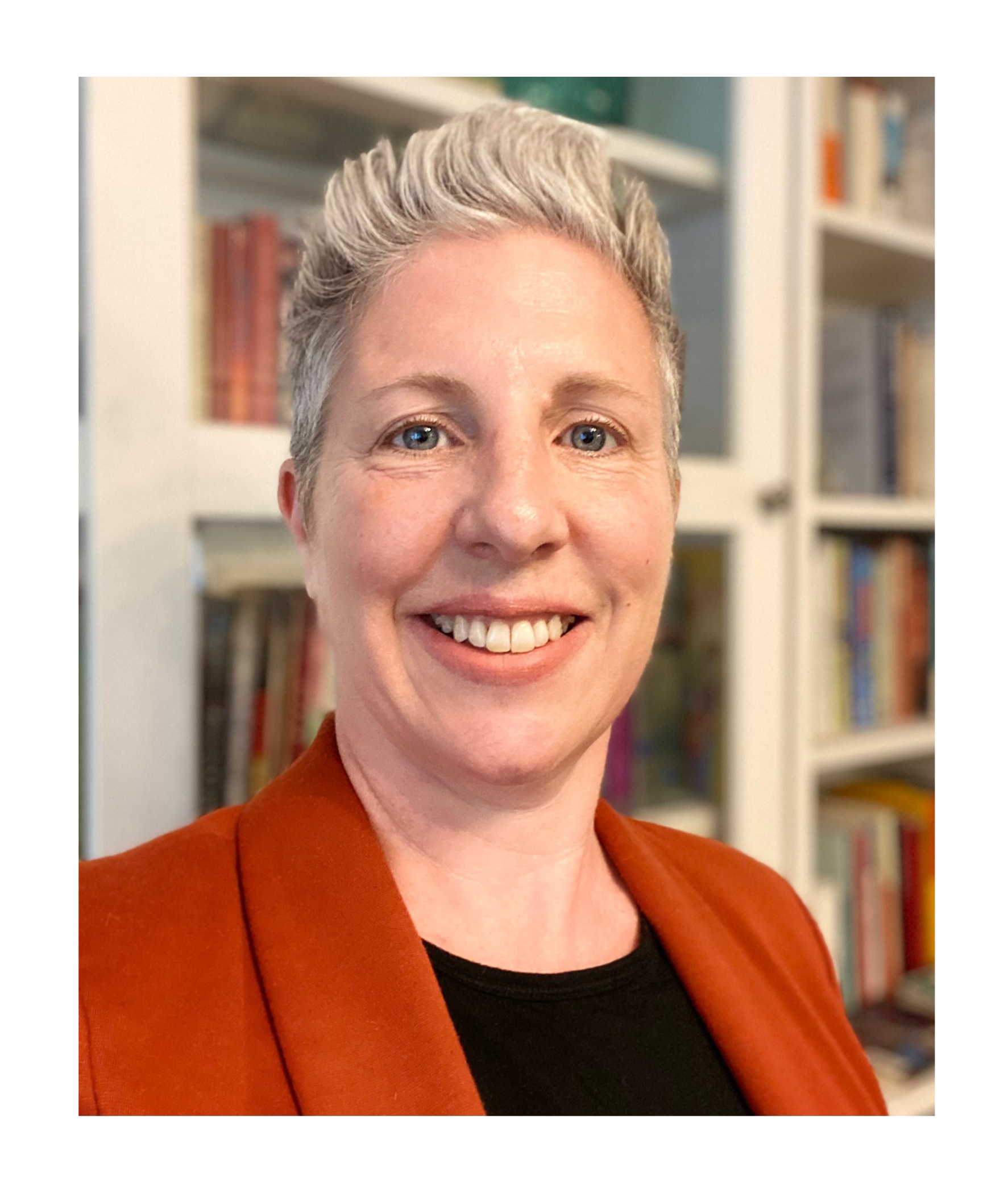
By Clare Bermingham
Over the last six years, the higher-education landscape has shifted drastically, creating opportunities and challenges for the Writing and Communications Centre (WCC) at the University of Waterloo in supporting students’ writing and communication skills.
Post-ELPE changes
Since about 2016, the WCC has begun delivering programs differently. We focus on a wider range of communication tasks and activities that students are asked to create in their courses, for example podcasts, slide-based presentations, infographics, and poster presentations. We identify real tasks and challenges experienced by undergraduate and graduate students and develop programs to meet those needs. This has led us to develop dissertation and thesis writing support programs for graduate students, academic presentation programs, changes to supports for multilingual students, writing groups for peer-to-peer connection and accountability, and in-class workshops. We also emphasize collaboration and work with units whose activities intersect with writing support in various ways: the Libraries, the Student Success Office, the Centre for Career Development, the Centre for Teaching Excellence, and the Academic Integrity office.
The Pandemic and Virtual Programs
A WCC strategic goal in 2018 articulated a need to create virtual or online supports that parallel in-person writing services to create more accessible options for students. The 2020 Covid pandemic rapidly accelerated the completion of this goal. In the pandemic context, we were able to access the tools and develop the frameworks necessary to translate workshops and programs into interactive virtual experiences. We had already begun offering virtual appointments, and all appointments were delivered in that mode during lockdown. Today, the majority of our appointments take place online since the convenience of online appointments makes them an attractive option for students.
Enter GenAI
The legacy of the pandemic, online learning, and less social interaction in learning environments impacted students’ help-seeking habits and tendencies after the pandemic. This led to fewer booked appointments and a preference for asynchronous feedback and support. Then, the explosion of GenAI created many challenges and questions for writing classes, writing assignments, and writing centres and again changed how and why students use the WCC. GenAI will continue to have more impacts on higher education and student support, and it’s a challenge we’re working to meet head on through student resources, guidance, and workshops.
Writing isn’t going away. Even if GenAI becomes more prominent in the writing process in scholarly and professional contexts, the challenge will continue to be how writers develop their ideas and arguments, tell the story of their research, assess GenAI outputs and revise them appropriately, and assert their unique voices in a world of data and noise. Writing experts understand the important cognitive links between writing and thinking, and the thinking parts of academic work cannot be outsourced to machines.
Today and Tomorrow
Major financial challenges at the University of Waterloo have resulted in many reviews of how we do things and where we spend. As a result of one review, the WCC moved from the Academic portfolio to the Student Service Portfolio in January 2026 to align all student-facing and student-funded services. A forthcoming review of student services this year may lead to additional changes for the WCC as we look for opportunities to support students in more wholistic* and aligned ways.
The WCC has been around – in one form or another – for 50 years. In our current messy world, building students’ communication skills is more important than ever and we’re committed to continuing this work for another 50 years or more. The times might be a-changin’ but the next generations of “writers and critics” at UWaterloo will find us here and ready to help.
*The spelling of “wholistic” is used intentionally for representing this concept in discussions of teaching and learning. This spelling variant is more inclusive and preferred by Indigenous scholars.
Dr. Clare Bermingham has been the Director of the Writing and Communications Centre (formerly the English Language Proficiency Program’s Writing Centre) since 2014. She provides strategic leadership for the Centre’s programming, pedagogy, and other activities.
WCC by the Numbers
| Level of study | Appointments per year (Five-year average, May 1, 2020 – April 30, 2025) |
|---|---|
| Undergraduate | 2232 |
| Graduate | 2492 |

Annual program averages
| Workshops delivered | 210 |
| Virtual workshops available | 38 |
| Writing Groups Sessions | 150 |
| Grad Programs (Dissertation Boost Camp, Rock Your Thesis, Academic Presentations) |
30 sessions |
| Online resources | 500,000+ page views |
UWRA Development Update
Retiree Giving in 2025
Jennifer Murray of the Office of Advancement is enthusiastic about the impact retirees continue to have on the University.
The Faculty, Staff and Retirees Giving Program is a chance for everyone to invest in our campus: its people, its purpose, and its potential.
In 2025, 680 faculty, staff and retirees came together to give nearly $700,000, supporting 300 funds that enrich student life, learning, and wellness across campus.
Retirees account for 16 per cent of those donors and 40 per cent of the revenue. Our collective impact is extraordinary — we truly are the heart of Waterloo.
| Funds | Number of donors |
|---|---|
| Conrad Grebel Annual Fund | 22 |
| Waterloo Fund | 18 |
| Renison Annual Fund | 17 |
| UW Libraries Fund | 10 |
| UWRA Scholarship Fund | 9 |
A day to make twice the difference

Last year, 348 current and retired Waterloo faculty and staff made 391 gifts totaling $131,014 — a powerful demonstration of how deeply this community believes in supporting its students.
Retirees have long championed these two meaningful student-focused funds:
- The Retiree Bursary Fund assists students in any discipline who are in financial need, directly supporting students who may otherwise struggle to continue their studies.
- The Retirees Scholarship Fund is awarded to outstanding undergraduate and graduate students on a rotating basis through the faculties, recognizing excellence and academic achievement across the University.
While these funds reflect the values and legacy of the retiree community, there are other meaningful ways retirees have contributed — from student wellness and experiential learning, to research, innovation, and academic programs across campus.

Remembering and celebrating our community


Stay in touch

We’d love to keep you connected with the Retirees Association (UWRA).
Send us a quick message at uwra@uwaterloo.ca so we have your current email address.
Become a full member of the University of Waterloo Retirees Association (UWRA) for only $15 a year or $130 for a lifetime membership.
Fees will be increasing in January 2027. Consider becoming a lifetime member NOW to lock in the 2026 rate!
Membership benefits
-
Stay engaged with the University, connect with former colleagues, and meet fellow UWaterloo retirees.
-
Participate in discussions on University governance and operations, including pension and health benefits through the UWRA.
-
Participate in retiree-funded bursaries and scholarships for University of Waterloo students, as well as "let's get active" initiatives, such as local hikes, historical visits, neighbourhood walks, skating, and cross-country skiing.
-
Volunteer with the UWRA in your area of expertise.
-
Stay informed by experts on health, technology, art, hobbies, travel, gardening, and wellness.
-
Connect throughout the year through coffee klatches, luncheons, and the holiday reception.
-
Take advantage of special offers and discounts, saving you potentially hundreds or even thousands of dollars through the UWRA’s membership in CURAC — the College and University Retiree Associations of Canada.
Click here to fill out this form to become a member of UWRA.
Please contact Maureen Jones, our membership coordinator, at uwra.membership@uwaterloo.ca if you have any questions.
