Game plan for a warmer world
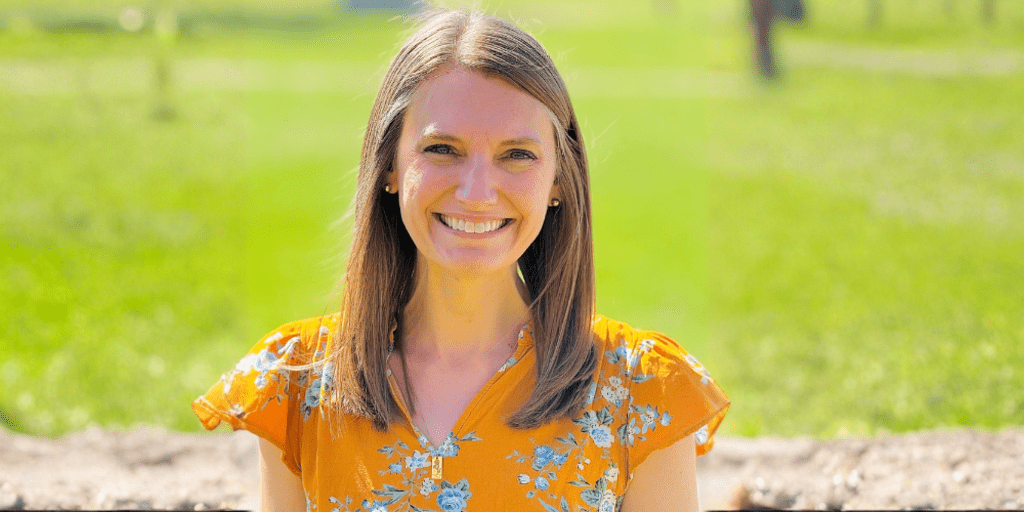
Master of Environmental Studies graduate Kyara Simoes evaluates climate change readiness of national-level Canadian sport organizations.
The impacts of climate change are seen in natural and human systems, and the global sports sector is particularly vulnerable. Increased incidents of extreme heat, flooding and low air quality have led to athlete illness, event cancellation and relocation. In 2018, the United Nations launched the Sports for Climate Action Framework, and approximately 300 sports organizations have committed to halving their emissions by 2030 and reaching net-zero by 2040. Despite the increased awareness and motivation, the global sports sector has been slow to adapt.
Kyara Simoes, a recent graduate from the Master of Environmental Studies program, observed that more sports events were being disrupted due to extreme weather. She was also personally impacted when warm winters made it impossible to ski, and poor air quality kept her from going for a run. She chose the Faculty of Environment for her graduate studies for the opportunity to work with Dr. Michelle Rutty and Dr. Daniel Scott, leading researchers in the human dimensions of climate change. Their work helped inform her thesis, which assessed climate change readiness of national-level Canadian sport organizations.
Simoes collected data from organizations’ publicly available sources, including strategic plans, annual reports and sustainability reports. She then completed a content analysis to determine how climate change is being integrated into each group’s operations and communications, as well as an overall assessment of their climate change readiness. In total, Simoes looked at 86 national-level sport organizations including baseball, karate, and triathlon.
The results show that only a small number of sport organizations are beginning to acknowledge climate change or environmental sustainability, and most still lack coherent or integrated strategy for addressing them. Of the organizations reviewed, only eleven mention climate change or environmental sustainability. Only five maintained a specific webpage about climate change.

If Canada wants to be a leader in climate change readiness in the global sports sector, Simoes believes we need stronger federal direction. “Sport Canada is uniquely positioned to support the whole sector, and there's a real opportunity to build climate considerations into future funding frameworks. Centralizing practical guidance would also go a long way, so a community sport coach knows exactly what to do on a smoky day or during a heat wave without having to piece together information from different sources. Many organizations are already taking meaningful steps, and with coordinated national direction, resources, and support, those efforts could grow into a truly collective response that would allow for safe sport participation”.
Simoes is now at the University of Toronto completing her PhD in the Faculty of Kinesiology and Physical education. Her research continues to investigate the ways climate is impacting sport, with a focus on running. She hopes that her research can help identify ways to adapt to a changing climate, so individuals can continue to enjoy physical activity.
Simoes’ thesis, Game Plan for a Warmer World: Assessing the Climate Change Readiness of National-Level Canadian Sports Organizations, is available on UWSpace.