PhD scholar receives prestigious P.E.O. Scholar Award to advance tourism research
For many, tourism is a simple leisure activity, but for Samantha Bray, it is a powerful tool for community survival and environmental resilience. To advance how tourism can be a tool for good, Bray was recently awarded the prestigious P.E.O. Scholar Award; a merit-based grant awarded to women in the United States and Canada who are pursuing doctoral-level degrees and demonstrate exceptional academic excellence.
Bray’s perspective on travel began in the rural town of Ethel, Missouri, a community of roughly 100 people. Growing up as the daughter of professional potters, she spent her childhood travelling the United States to attend art shows. This early exposure to different cultures and places was rare for her peers in rural Missouri and sparked a lifelong fascination in her with how travel shapes communities.
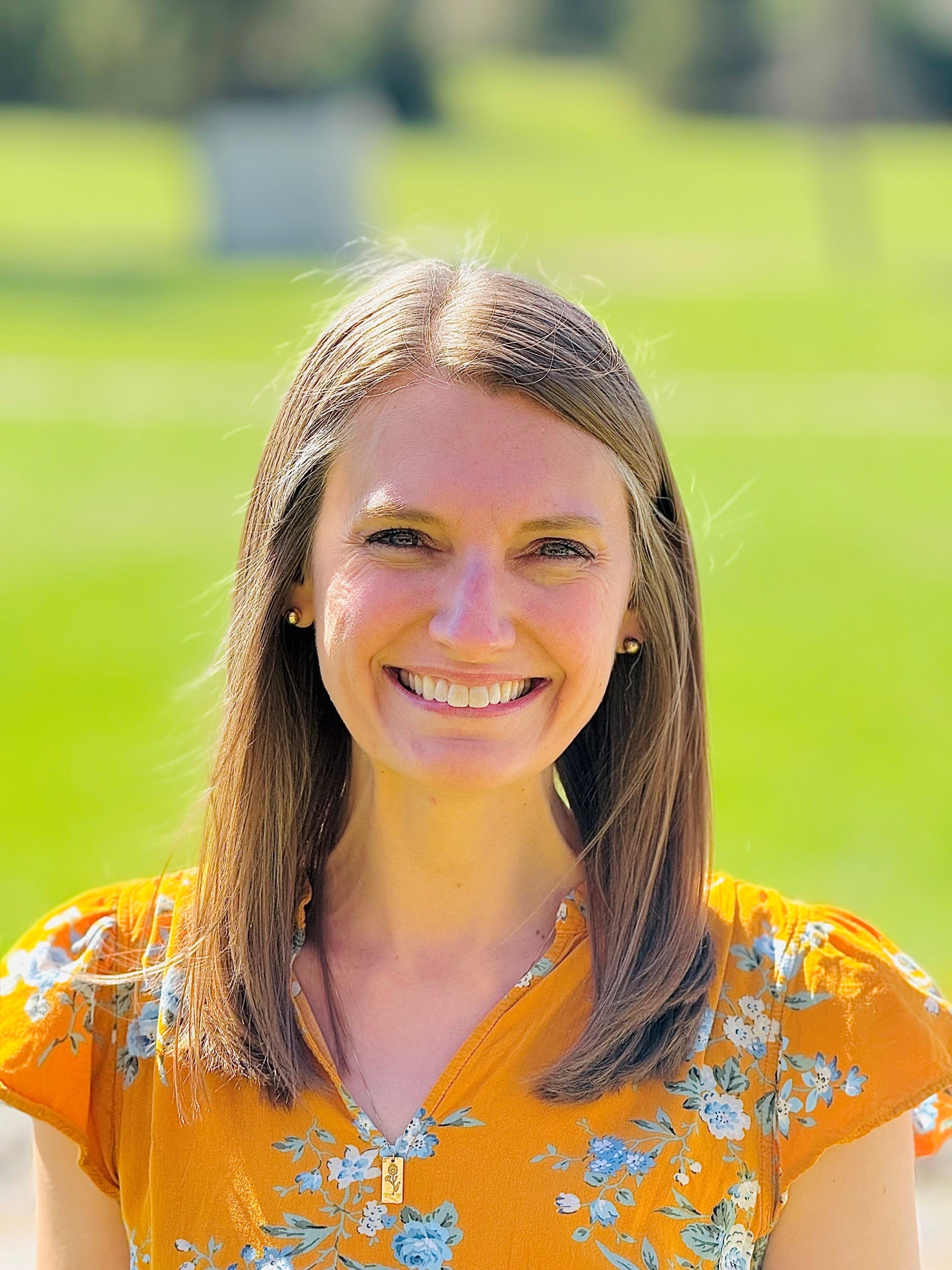
Now a PhD student at the University of Waterloo, Bray is mentored by leaders in the field, including Dr. Michelle Rutty and Dr. Daniel Scott. Her research focuses on destination stewardship, where public, private and civil sectors collaborate to protect the existing community and environment. It’s a new approach that shifts away from traditional practices in tourism marketing and management. She is particularly interested in how this model can guide regional destinations toward a climate-resilient future.
Bray’s work is uniquely informed by her lived experience. While on parental leave, she and her husband purchased a bed and breakfast in her hometown of Ethel, housed in the very schoolhouse where her father and grandparents once studied. Today, she integrates her PhD research directly into her own small business and local community, where she serves on the board of a newly formed Destination Management Organization within her county and works in the surrounding areas to develop strategies that prioritize community-based and agricultural tourism.
Her formal introduction to sustainable tourism came about in college when a mentor from the National Geographic Centre for Sustainable Destinations introduced her to geo-tourism: the idea of using tourism to sustain and enhance the character of a place. For Bray, this wasn't just a theory; it was a lifeline for dying rural industries like the one in her hometown, which had faded after the railroads stopped routing there.
Prior to arriving at the University of Waterloo, Bray attended George Washington University for a Master of Tourism Administration, followed by eight years at the Centre for Responsible Travel in Washington, D.C. During this time, she helped start an academic affiliates network to bring cutting-edge research to practitioners who lacked access to the data needed for good decision-making across destination communities and businesses.
As the recipient of this award, she will be performing a case study in Lake Tahoe to create a practical toolkit that will guide regional destinations to a climate-resilient and community-focused future.
"Tourism is so much more than it appears at base value," Bray explains. "It has the opportunity to do tremendous good or tremendous harm."
Established to empower women through education, the award provides significant financial support to help scholars finalize their dissertations and transition into impactful professional careers. Winning the P.E.O. Scholar Award is a significant milestone for Bray, both personally and professionally.
“I always thought that continuing education in a PhD would not be attainable for me if I were to also become a parent," she says. "Dr. Michelle Rutty was incredibly supportive of me pursuing this dream."
Samantha, we wish you continued success as you complete your doctoral studies and create a meaningful impact through your research and leadership in the field of destination stewardship. Congratulations!