From Planning’s first classrooms to Canadian communities
What became of Canada's very first generation of University of Waterloo trained community planners? Terry Crowe (BES ’72), a member of Waterloo’s fifth School of Planning class, spent years tracking down the answer.
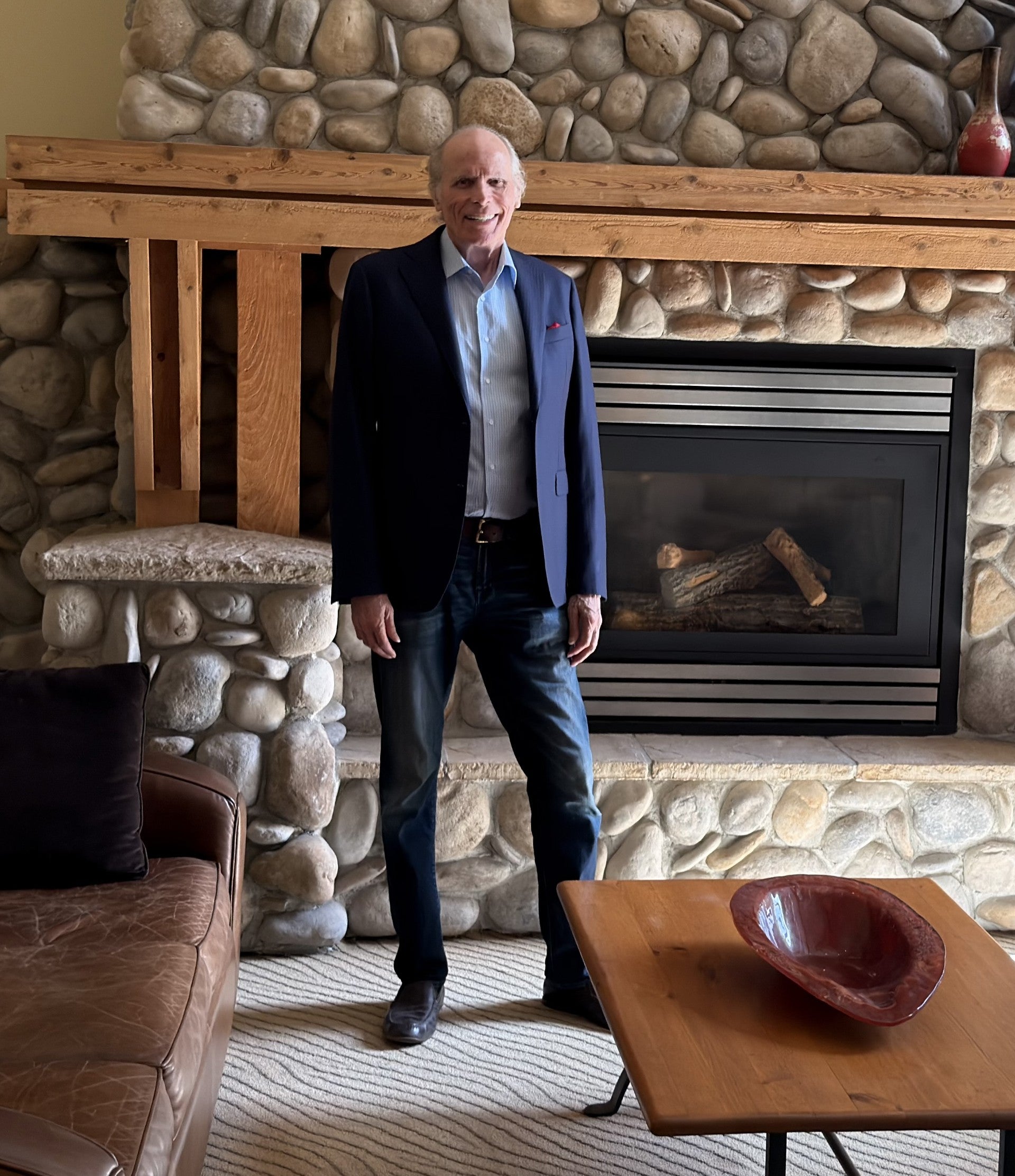
“I was always curious about what my fellow planning grads did,” says Crowe. “When I retired, I started following up with them.”
Crowe reached out to former classmates with 12 questions documenting everything from their academic experiences at Waterloo to their career milestones and their views on the profession now. The result is his newly released grad report that traces the journeys of the first five cohorts from their graduation in 1967-1971 to present.
This includes people like Jean Monteith (formerly Wells) who is an award-winning planner and named a Fellow of the Canadian Institute of Planners for her achievements in parks and recreation planning. She also started her own firm, Monteith Brown Planning Consultants, and was often called upon to participate in Ontario Municipal Board Hearings that have resulted in ground-breaking decisions such as determining water-taking as land use in the Grey Highlands.
Then there is David Witty, who has worked across Western Canada in academia, industry, and community settings. He played a key role in helping Atikaki Wilderness Provincial Park achieve its designation and international recognition, contributing to the protection of the region's woodland caribou and pictographs. He also prepared the memorandum of understanding for the establishment of Grasslands National Park in Saskatchewan, which ultimately formed the basis for the agreement that created the park.
As for Crowe, he had a 46-year career that spanned coast to coast. Some of his big wins included helping with Nova Scotia’s Highway 101 rerouting to save Annapolis Royal and the surrounding farmland. Later in Richmond, British Columbia, he contributed to the development of the 2010 Winter Olympic Speed Skating Oval.
In total, Crowe was able to track down 95 of the first graduates and his findings are clear: these grads shaped communities, influenced policy and left a lasting mark on the profession. They embodied what it means to work with the world, for the world to drive transformative change for people and the planet. But beyond the work, reconnecting with classmates and uncovering long-forgotten memories proved to be just as meaningful, offering a rare chance to reflect on the shared experiences at Waterloo that helped shape their lives and careers.
Interested in reading the report? Get in touch with Terry at tcrowe@telus.net.