
Quantum Innovators is a five-day workshop offered by the Institute for Quantum Computing (IQC) since 2012 bringing the most promising postdoctoral fellows in quantum information science and technology together.
Quantum Innovators 2026 will take place from Monday, October 19 to Friday, October 23. Sessions will cover computer science, mathematics and theory as well as science and engineering, with participants welcome to join one or both streams.
Location
Quantum Innovators will take place on-campus at the University of Waterloo in Waterloo, Ontario, Canada, at both the Quantum-Nano Centre (QNC) and the Research Advancement Centre (RAC).
How to attend
Presenting at Quantum Innovators is by invitation only. The IQC community is welcome to attend talks and should look out for emails to RSVP.
Any questions can be directed to iqc.events@uwaterloo.ca
Schedule
Invited Speakers
Science and Engineering
Alexander Anferov
Building high cooperativity in microwave-mechanical systems for quantum simulation and detection
Alexander Anferov, ETH Zurich
Hybrid systems such as microwave–acoustic platforms are particularly attractive for quantum experiments since they can enable single-photon interactions between many mechanical modes. Since these multicomponent quantum systems are limited by their collective quantum coherence, it is vital to understand and optimize the coherence of each subsystem.
In this talk I will first discuss how lessons learned from developing superconducting qubits at high-frequencies (and high-temperatures) can be useful for optimizing microwave qubit performance in the demanding context of a hybrid experiment. Shifting focus to the acoustic subsystem, I will discuss how a combination of classical and quantum experiments can build an understanding the composition of high-overtone bulk acoustic resonators, highlighting how improved mechanical performance achieved high quantum coherence cooperativity. Lastly, I will discuss our ongoing research into practical applications of this hybrid microwave-acoustic platform for quantum simulation, and quantum detection.
About the speaker
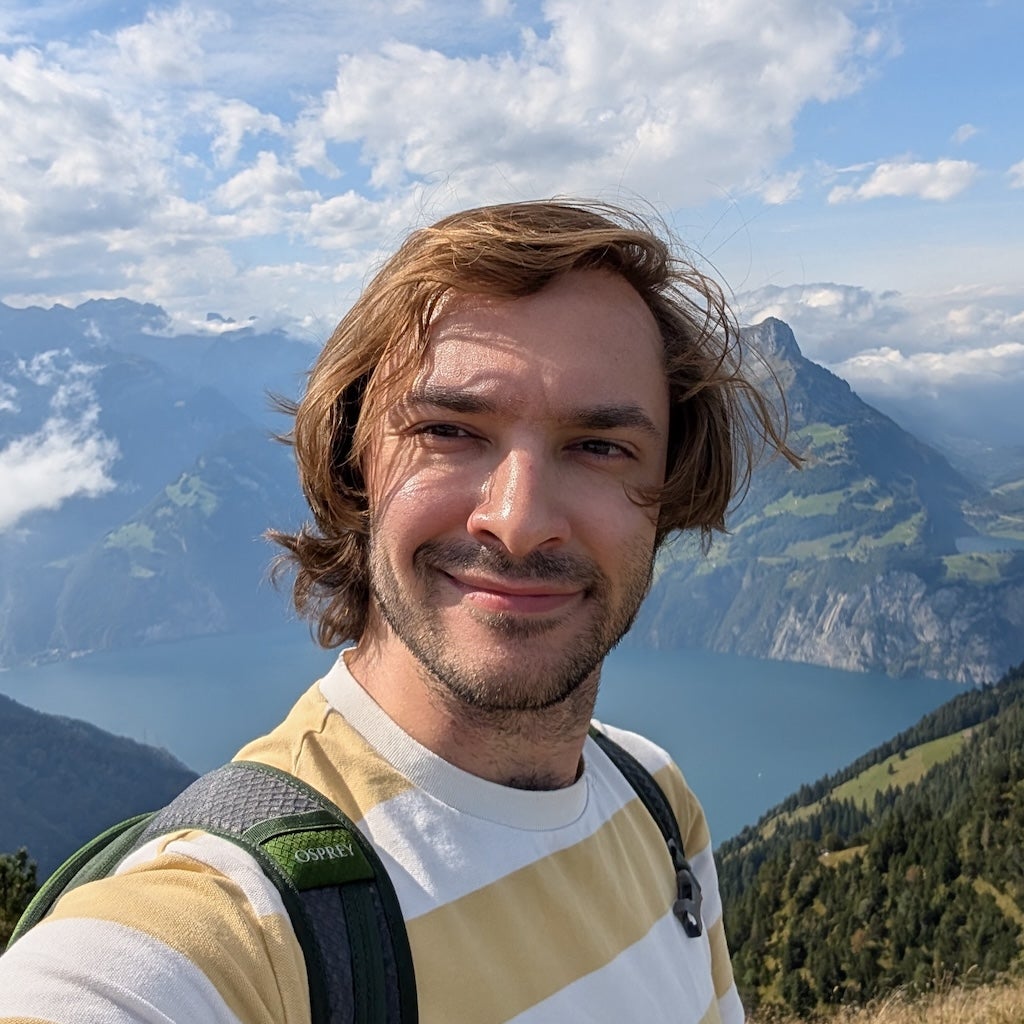
During my undergraduate studies at Caltech, I investigated Josephson parametric amplifiers in Prof. Oskar Painter's lab. Afterwards, I transitioned to a new frequency range, studying millimeter-wave superconducting quantum devices with Prof. David Schuster at the University of Chicago. After completing my PhD, I spent a year exploring microwave qubit fabrication techniques with Prof. Andrew Cleland. Now looking to branch out into different flavors of quantum systems, I joined the group of Prof. Yiwen Chu at ETH Zurich to explore applications of quantum acoustic resonators.
Krishna Coimbatore Balram
Good vibrations: from cell phones to quantum devices
Krishna Coimbatore Balram, University of Bristol
Piezoelectric devices underpin modern smartphones by enabling compact, high performance RF filters. This demand in turn has rapidly advanced the development of new materials and devices geometries that can efficiently manipulate GHz frequency acoustic waves. Here I will discuss how these developments can be harnessed in new directions in microwave signal processing and quantum devices with a focus on two key themes: engineering wavelength scale confinement of GHz frequency acoustic waves and building efficient microwave interfaces to spins and light.
About the speaker
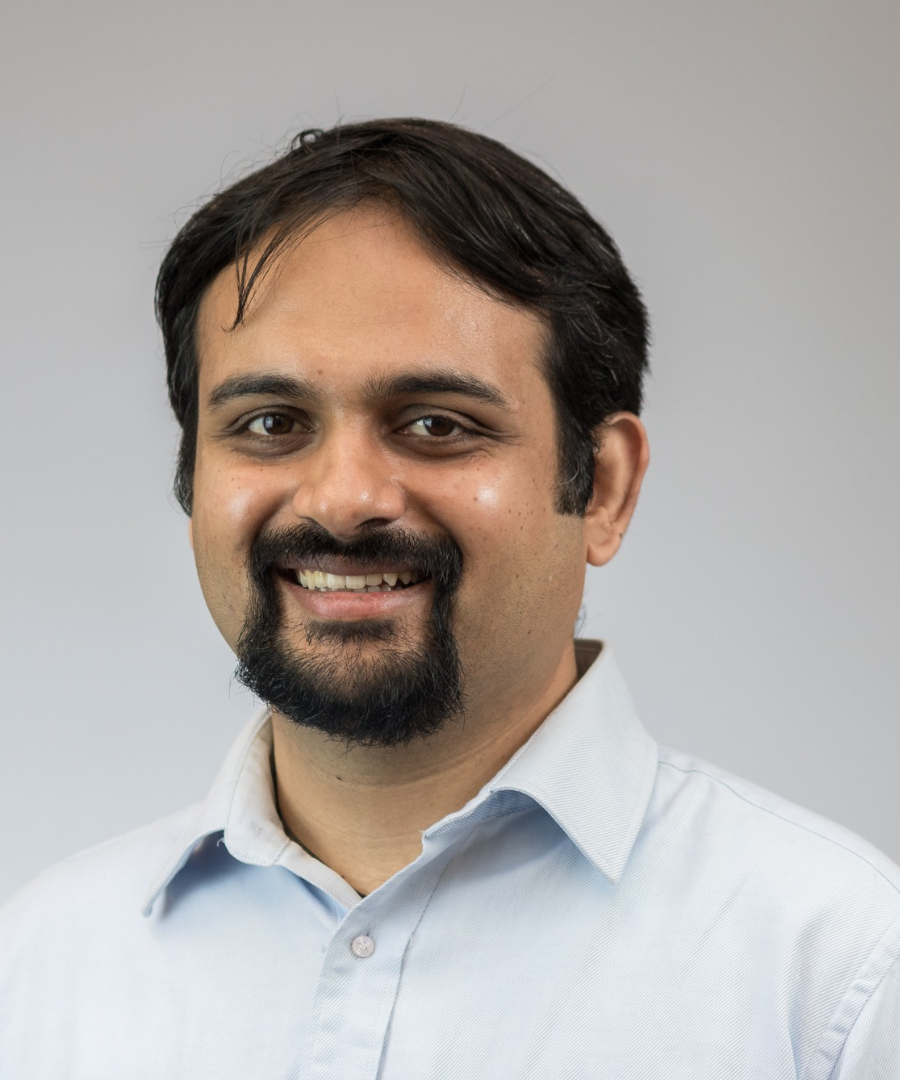
Krishna C Balram is currently a professor of nanoscale device engineering at the University of Bristol. His primary interest is the development of nanoscale devices with efficient interfaces between optical, electrical and mechanical degrees of freedom for applications in classical and quantum information processing and sensing. His work has been recognized by the award of starting and consolidator grant awards from the European Research Council.
Oana Bazavan
Non-linear Bosonic Interactions in a Spin-oscillator System
Oana Bazavan, QuEra Computing Inc.
Parallel entangling operations across a large neutral-atom register enable transversal gates and fault-tolerant primitives that make these platforms attractive for scalable computation. The number of atoms that can be entangled in a single parallel operation therefore sets a hard limit on circuit depth and atom-transport overhead. Extending it has proven difficult: maintaining uniform, high-intensity excitation over a growing area places demands on available laser power, and gate fidelity degrades as the addressed region grows. I will begin by presenting progress at QuEra Computing on high-fidelity entangling gates on large numbers of atoms.
If time allows, I will then turn to my PhD work on interactions in continuous-variable systems. Higher-order nonlinear interactions on a harmonic oscillator produce non-Gaussian states, which are a resource for real-time simulation of many-body models. However, these interactions typically become exponentially weaker as their order increases. Using the motion of a trapped ion coupled to its spin, we built higher-order interactions from spin-dependent linear ones alone and reached far higher strengths than conventional methods allow. This led to the first realisation of fourth-order squeezing ("quadsqueezing"), at rates more than 100 times faster than previously possible. The approach imposes no fundamental limit on interaction order and extends to any platform with spin-dependent linear bosonic interactions.
About the speaker
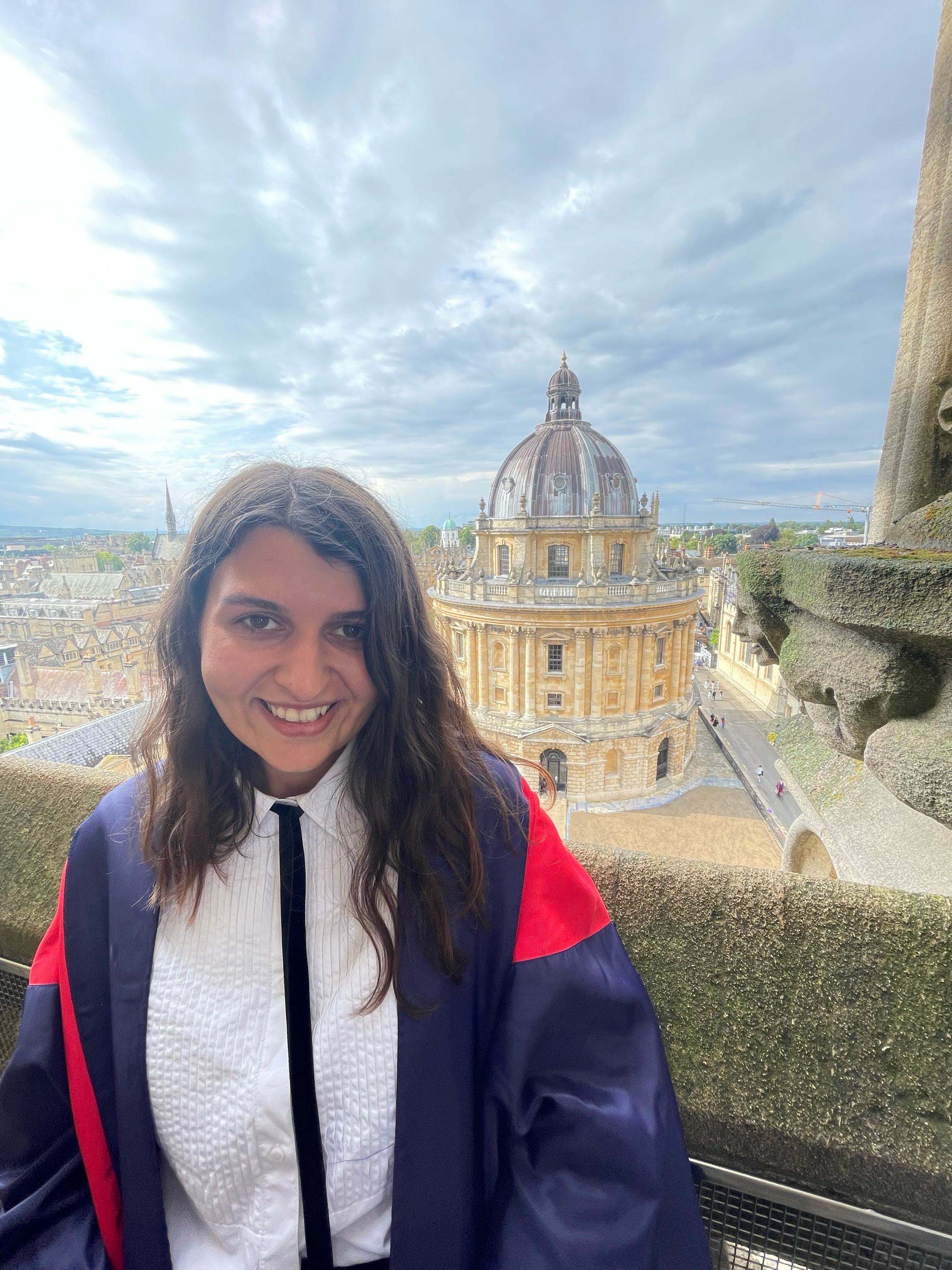
I am a quantum scientist at QuEra Computing, working on entangling gates for large-scale neutral-atom quantum computers. I completed my PhD in 2024 at the University of Oxford under David Lucas, focusing on entangling gates and continuous-variable operations in trapped ions, and stayed on as a postdoctoral researcher to apply them to quantum simulation of lattice gauge theories in hybrid qubit-oscillator systems. I hold an MPhys from the University of Manchester (2019). My expertise spans experimental quantum computing with both trapped-ion and neutral-atom platforms.
Bryce Bullock
Quantum Simulation and Sensing in large 2D ion arrays confined in a Penning ion trap
Bryce Bullock, Johns Hopkins University
Penning ion traps hold promise as a scalable quantum platform for quantum simulation and sensing of hundreds of spins with all to all connectivity. In this talk I will first discuss an overview of the recent advances and applications of the Penning trap platform, including quantum enhanced weak electric field sensing as a technique for axion dark matter searches, spin and motional squeezing, localized addressing, and improved cooling. From here I will focus my talk on a quantum simulation of the Dicke model, which describes an ensemble of two-level systems collectively coupled to a single bosonic mode.
When tuned to a regime where the bosonic mode is adiabatically eliminated, the Dicke model hosts a dynamical phase transition between a trapped and untrapped state. Exploring beyond this integrable regime we show beyond mean field dynamics consistent with signatures of chaotic dynamics and fluctuation-driven spin—phonon excitation growth. These chaotic dynamics manifest themselves as erratic trajectories in phase space with relaxation consistent with quantum thermalization. Operating at an unstable fixed point we observe generalized vacuum Rabi collapses and revivals, which damp away as we tune from an integrable to chaotic regime. From comparisons of the dynamics with a theoretical model, we infer two-mode squeezing 2.6 dB below the standard quantum limit. These results set the stage for future studies of information scrambling and quantum enhanced sensing in the Penning trap platform.
About the speaker
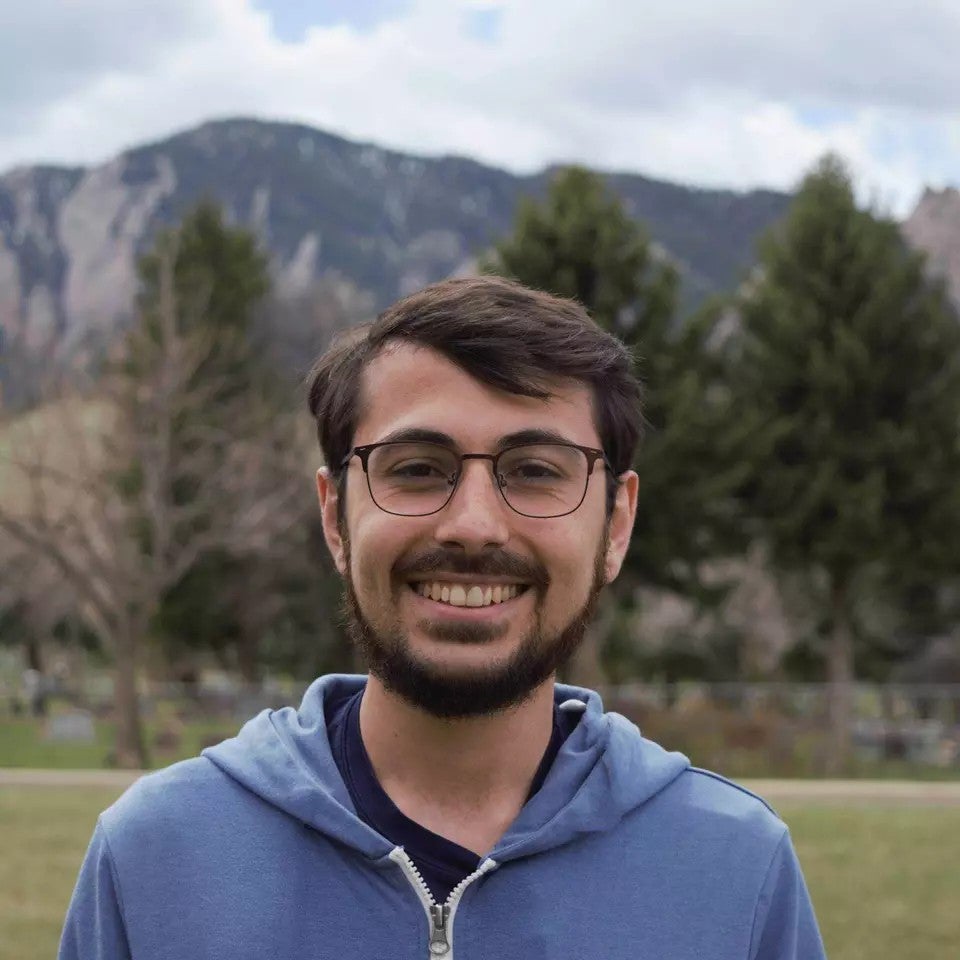
Bryce Bullock is an Assistant Research Scientist in the DeMille lab at Johns Hopkins University. He currently works on the assembly and precision measurement of Francium Silver molecules as sensitive probes of parity violating effects in the nucleus of the octupole deformed Francium atom. He earned his PhD in 2025 from the University of Colorado Boulder working under John Bollinger in the NIST ion storage group on two dimensional arrays of ions confined in a Penning trap. In this work he advanced the control techniques available to the platform for improved quantum simulation and sensing of weak electric fields.
Kate Fenwick
All-optical quantum information processing in the ultrafast regime
Kate Fenwick, National Research Council of Canada (NRC)
Quantum computing offers a promising pathway to solving problems that are intractable for classical computers. Despite impressive progress, the development of a scalable quantum information processor remains an open challenge. Several hardware platforms remain contenders, with photonic systems being a strong candidate. Until recently, state-of-the-art photonic quantum processors have used path encoding, which often requires an exponentially increasing number of optical components, making these schemes unavoidably large or lossy in some cases. Time-bin encoding has emerged as a promising method to reduce the number of optical components in a photonic quantum processor by enabling operation along a single optical path. Yet, a barrier to the widespread adoption of time-bin encoding is the challenge of maintaining phase stability across the entire device for extended periods of time. We overcome this obstacle here through ultrafast time-bin encoding, in which time bins are separated by just a few picoseconds. This talk will present our ability to generate, manipulate, and measure these ultrafast time bins at the single-photon level, demonstrating the promise of our platform across a wide range of applications.
About the speaker
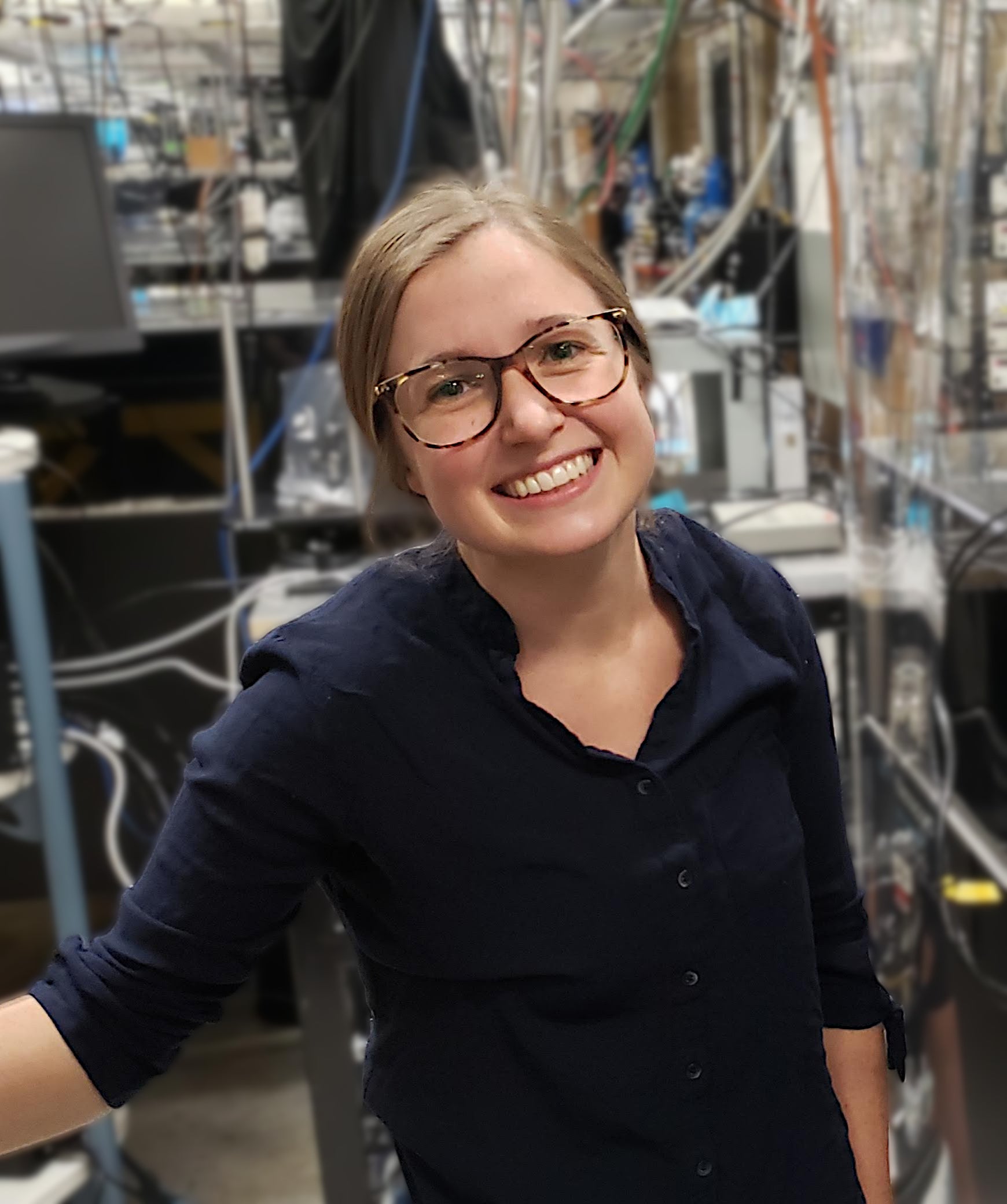
Kate is a Research Associate, holding a Luise and Gerhard Herzberg Fellowship, in the Ultrafast Quantum Photonics group at the National Research Council of Canada (NRC). She completed her PhD studies in physics at the University of Ottawa, where she held a Vanier Scholarship. Prior to her PhD, she completed her BSc and MSc at Queen's University, also in physics. Kate's primary research interests lie in the field of ultrafast quantum photonic technologies, with a focus on ultrafast photonic quantum information processing.
Sasha Geim
Quantum processing with neutral atoms: from analog to digital
Sasha Geim, Harvard University
Neutral-atom quantum processors have emerged as a versatile platform for quantum science, enabling fully programmable, high-fidelity control of hundreds to thousands of atomic qubits in parallel. Here, we first leverage these capabilities to engineer and study many-body dynamics in a Rydberg atom array, combining efficient analog many-body evolution, programmable digital measurements, and loss-based error mitigation. As an example, we prepare an out-of-equilibrium Rokhsar–Kivelson-type quantum spin liquid and observe its characteristic features, including the absence of local order and extended many-body coherence. We further measure correlations in good agreement with field-theory predictions and experimentally explore finite-size effects. Second, we pursue a complementary approach based on gate-based simulation and computation, demonstrating two-qubit entangling operations with raw fidelities of 99.84% as a key building block for quantum circuits. Together, these results establish a foundation for programmable control of complex quantum systems, with applications ranging from fundamental many-body physics to error-corrected quantum information processing.
About the speaker
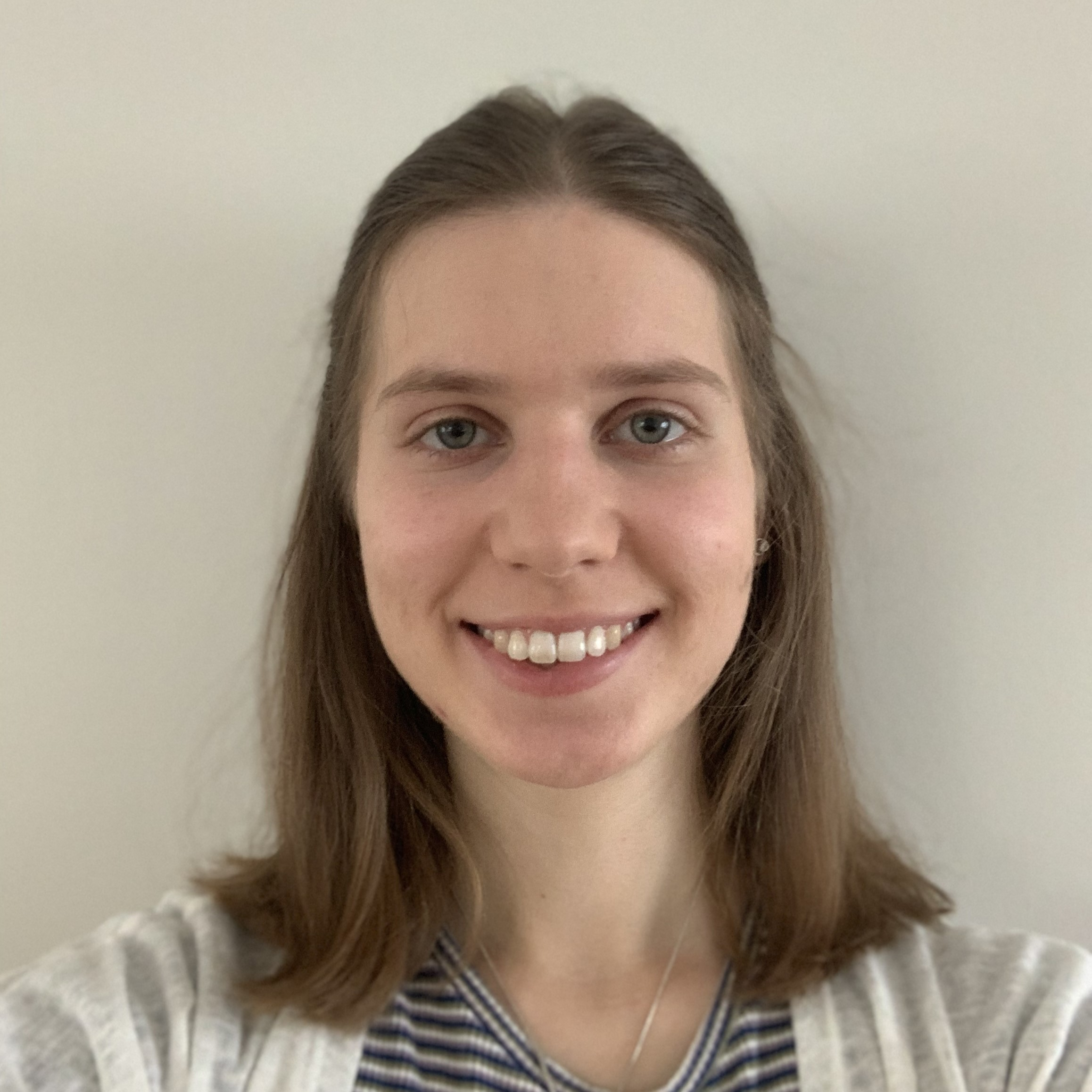
Sasha is a PhD student in experimental physics in the group of Prof. Mikhail Lukin at Harvard University. Her research focuses on quantum computation and simulation using Rydberg atom arrays, ranging from practical implementations of fault-tolerant computation to analog quantum simulation of condensed matter systems. She is particularly interested in developing new experimental approaches that leverage the programmability of the neutral atom platform to enable precise quantum information processing.
Elizabeth Goldschmidt
Designer light-matter interfaces for quantum networking
Elizabeth Goldschmidt, University of Illinois Urbana-Champaign
I will introduce the many ways that coherent emitters can enable photonic quantum information processing. I will talk about my group's work designing new and novel photonic platforms based on coherent rare-earth emitters that are optimized for tasks like generating, storing, and manipulating quantum light. This includes on-chip approaches to making robust and scalable quantum devices as well as using the tools of materials science and synthetic chemistry to identify entirely new materials with tunable properties.
About the speaker
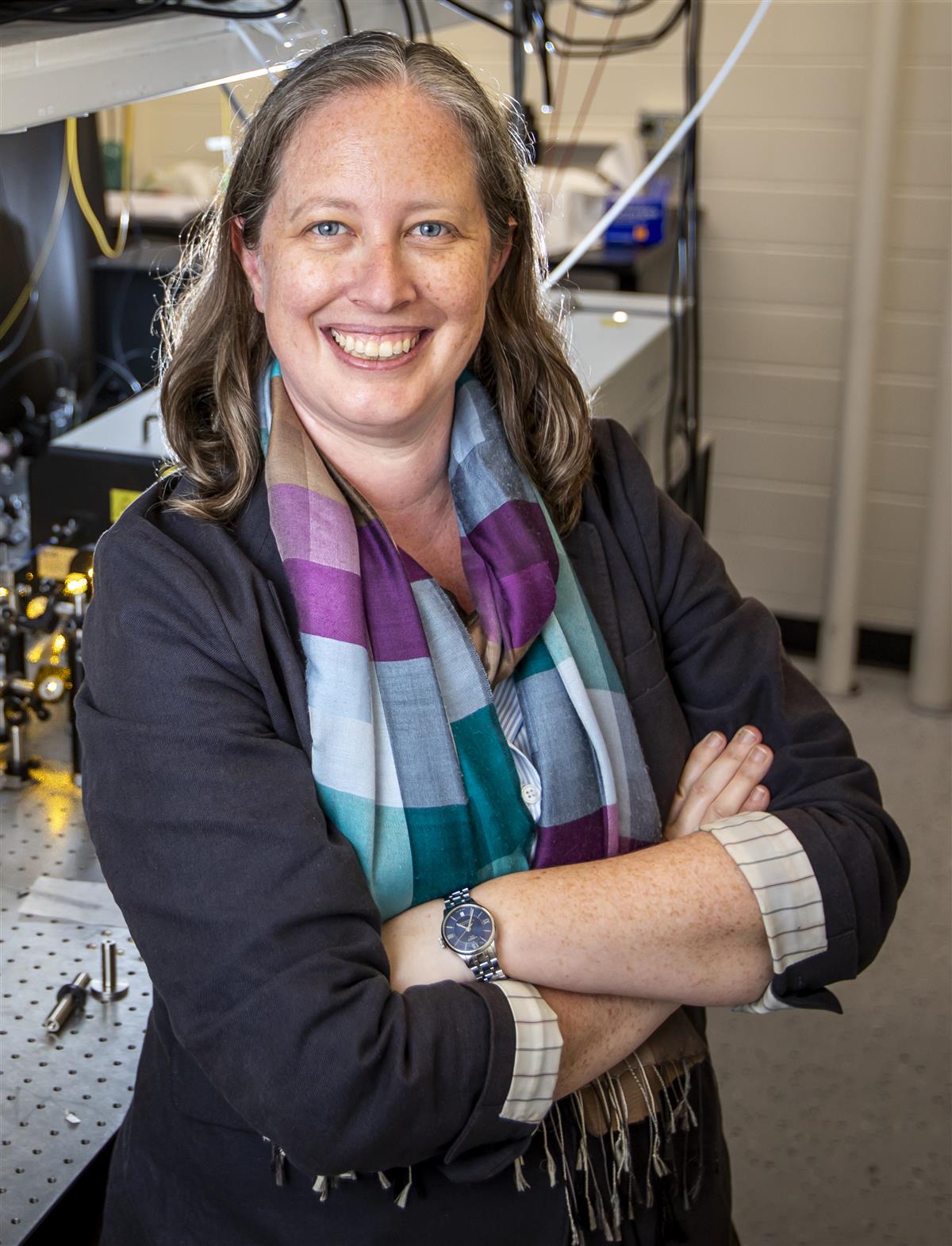
Elizabeth Goldschmidt is an Associate Professor of Physics and the Director of the Illinois Quantum Information Science and Technology Center at the University of Illinois Urbana-Champaign. Her research is in experimental quantum photonics and quantum networking. She earned her PhD from the University of Maryland and was a Postdoctoral Fellow at the National Institute of Standards and Technology and a staff scientist at the US Army Research Lab before joining the Illinois faculty.
Connor Holland
Exploring Quantum Spin Models using Ultracold Molecular Arrays
Connor Holland, Stanford University
Molecular tweezer arrays have emerged as a powerful new platform for quantum science, combining rich molecular structure with single-particle detection and control capabilities. In this talk, I will discuss my work to bring CaF molecules under full quantum control, including control over the interactions between molecules. These advances have enabled studies of elementary excitations in many-body dipolar spin models, which are prototypical models describing quantum magnetism. I will share how these same spin models can generate spin squeezed states, which harness many-body entanglement to surpass classical limits on sensor precision. These entangled states feature bi-partite entanglement and EPR steering, and can be transferred to a non-interacting encoding, where quantum-enhanced metrological advantage persists for over 100ms. These investigations open opportunities to employ molecular qudit encodings for quantum simulation and computation, generate robust and scalable spin squeezing in molecule-based sensors, and explore chemical reaction dynamics at cold and ultracold temperatures.
About the speaker
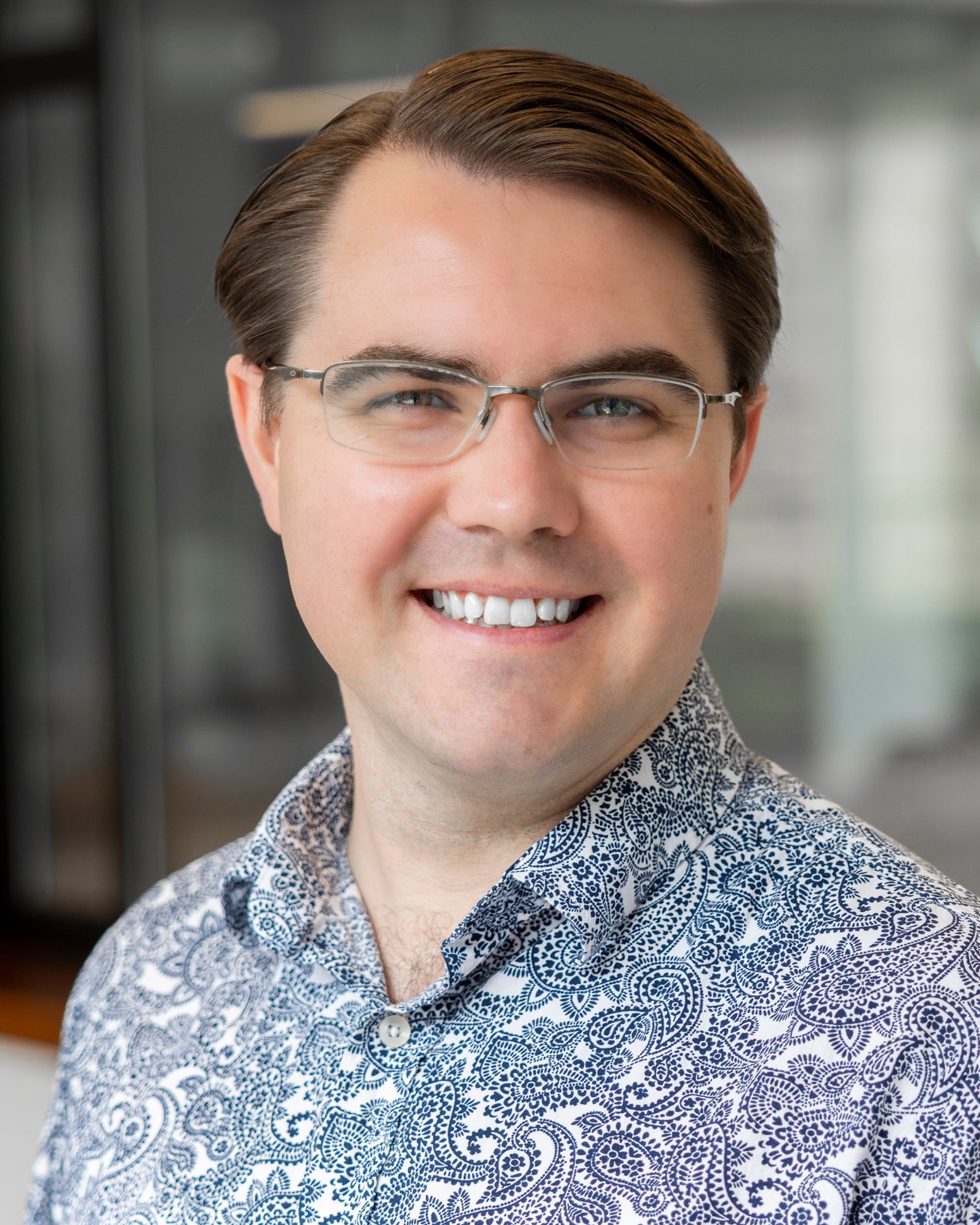
Connor Holland is a postdoctoral scholar in the Simon Lab at Stanford University. His research focuses on quantum networking and quantum simulation using neutral atom optical cavity arrays. He earned his bachelor’s degree from Stanford in 2018, and his PhD from Princeton in 2026 under Lawrence Cheuk. Connor’s work drove major advances in molecular qubit quantum control and dipolar spin model simulation using molecular tweezer arrays.
Vinaya Kumar Kavatamane
Quantum Sensing and Nanophotonics with Solid-State Quantum Defects
Vinaya Kumar Kavatamane, University of Calgary
Solid-state quantum defects offer powerful platforms for developing quantum sensors operating at room temperature and other scalable quantum technologies. In this talk, I will present my research on nitrogen-vacancy (NV) centers in diamond, spanning quantum sensing and integrated quantum nanophotonics. I will discuss our recent efforts to advance NV-center-based quantum sensing, including on-chip diamond microcavity platforms engineered to enhance light–matter interactions. I will then discuss challenges in realizing chip-scale quantum sensing devices, particularly limited sensitivity and undesired NV center charge-state switching. Investigating the charge-state switching has provided deeper insight into the underlying properties of the NV center, including its electronic energy levels and charge dynamics. Finally, I will present our latest work investigating the feasibility of engineering optically active spin qubits into prefabricated diamond resonators. Together, these studies highlight how advances in device engineering can improve quantum sensing performances of solid-state quantum defects and their applicability, while enabling scalable quantum photonic platforms.
About the speaker
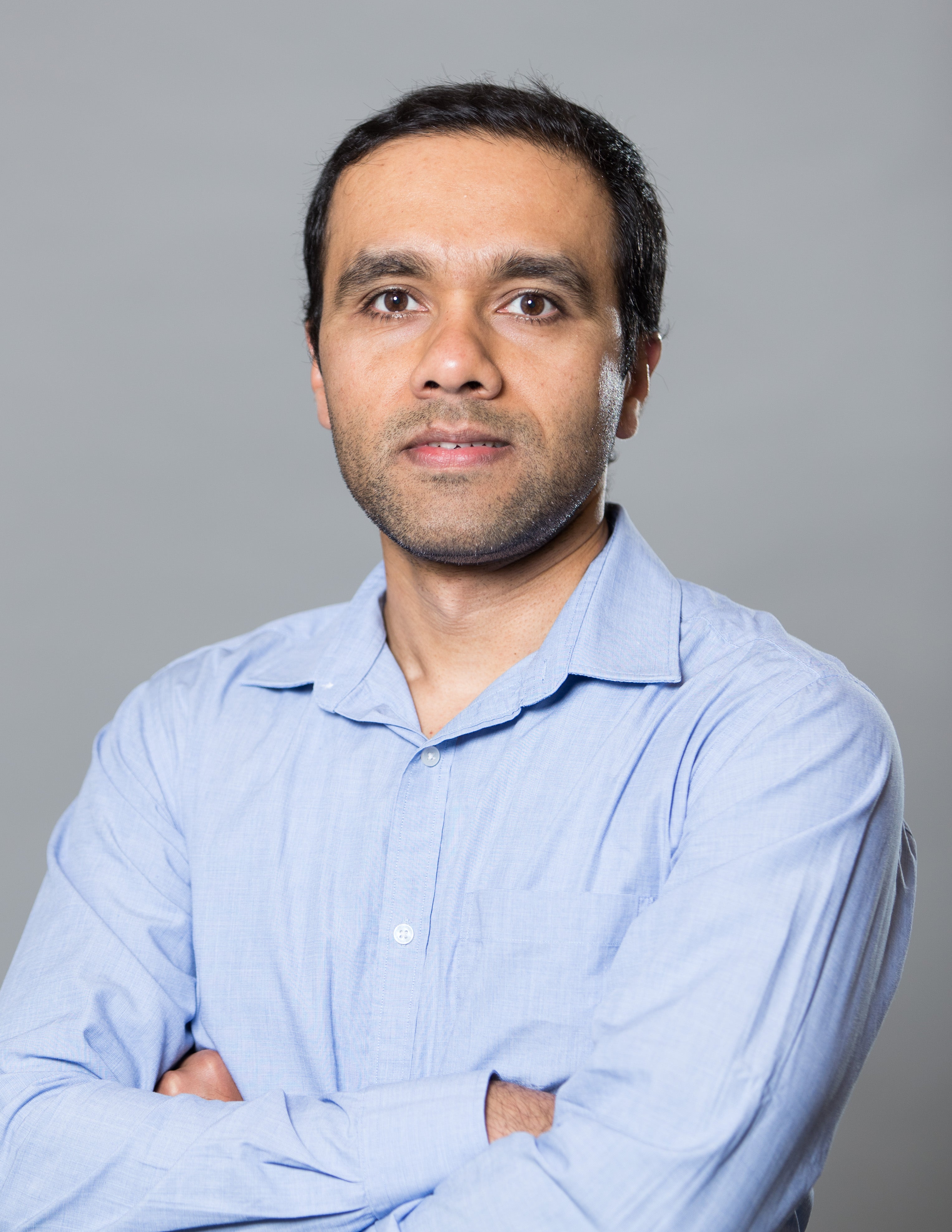
Dr. Vinaya Kumar Kavatamane is a Senior Postdoctoral Researcher at the Institute for Quantum Science and Technology, University of Calgary, Canada. His research focuses on solid-state quantum sensing and quantum nanophotonics, with an emphasis on enhancing quantum sensor performance, single-spin spectroscopy, and engineered light–matter interfaces in diamond. He earned his PhD from the Max Planck Institute for Multidisciplinary Sciences in Göttingen, Germany, where he developed diamond NV-center-based quantum sensors for detecting external nuclear spin signals, high-sensitivity static magnetic-field measurements, and portable fibre-based magnetometry. His current research extends these efforts toward integrated diamond nanophotonic platforms and engineered spin–photon interfaces for scalable quantum technologies.
Abdolreza Pasharavesh
Controlling Quantum Light with Deterministic Photon Subtraction
Abdolreza Pasharavesh, Institute for Quantum Computing, University of Waterloo
Non-Gaussian states of light are important resources for quantum information processing, quantum communication, and quantum metrology. Photon subtraction provides a powerful way to generate and manipulate such states, but conventional approaches are inherently probabilistic and offer limited control over which photon is removed.
In this talk, I will discuss an alternative approach to photon subtraction based on the single-photon Raman interaction (SPRINT), in which a single emitter coupled to a waveguide, either directly or through a cavity, mediates a nonlinear interaction between individual photons. This interaction enables selective and, in principle, deterministic photon subtraction from propagating optical fields. I will present the underlying mechanism and show how it can be used to engineer nonclassical states of light and control their photon-number statistics. I will also discuss extensions of the approach to multi-emitter systems coupled to chiral waveguides and present their potential applications in quantum photonics and quantum information processing.
About the speaker
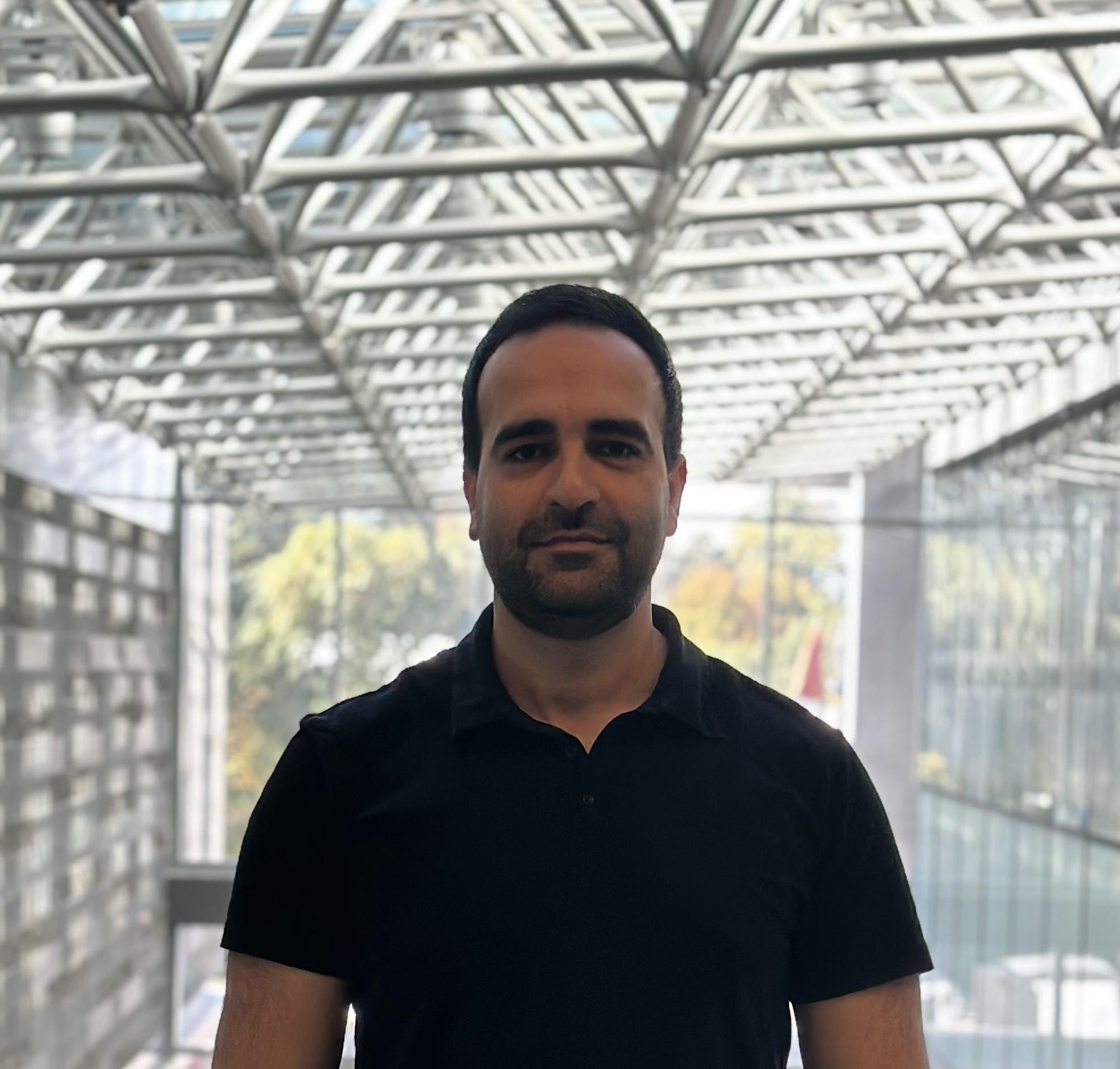
Abdolreza Pasharavesh is a postdoctoral researcher at the Institute for Quantum Computing (IQC) at the University of Waterloo. His research focuses on quantum optics and quantum information, with particular interests in light-matter interactions, waveguide quantum electrodynamics, and non-Gaussian quantum state engineering. He completed his PhD in Electrical and Computer Engineering at the University of Waterloo, where his research explored the control of quantum states of light through photon subtraction and single-photon Raman interactions. His current work explores quantum photonics, quantum state engineering, and applications of engineered light–matter interactions in quantum technologies.
Tarun Patel
Yujie Zhang
Self-consistent certification of entanglement and beyond
Yujie Zhang, Institute for Quantum Computing, University of Waterloo
Entanglement certification commonly relies on quantum state tomography with trusted measurement calibration or on Bell tests that detect only a subset of entangled states. In this talk, I will present a self-consistent approach to entanglement certification based on generalized noncontextuality. Assuming tomographic completeness, the method uses experimentally inferred operational identities to certify entanglement without prior measurement calibration. Its conclusions are independent of tomographic gauge freedom, and it can, in principle, certify any entangled state. A photonic demonstration of this approach will be presented, certifying entanglement in states beyond the reach of Bell and steering inequalities. Finally, I will introduce a unified notion of classicality for individual quantum processes and outline a concrete route toward self-consistent certification of quantum nonclassicality beyond entanglement.
About the speaker
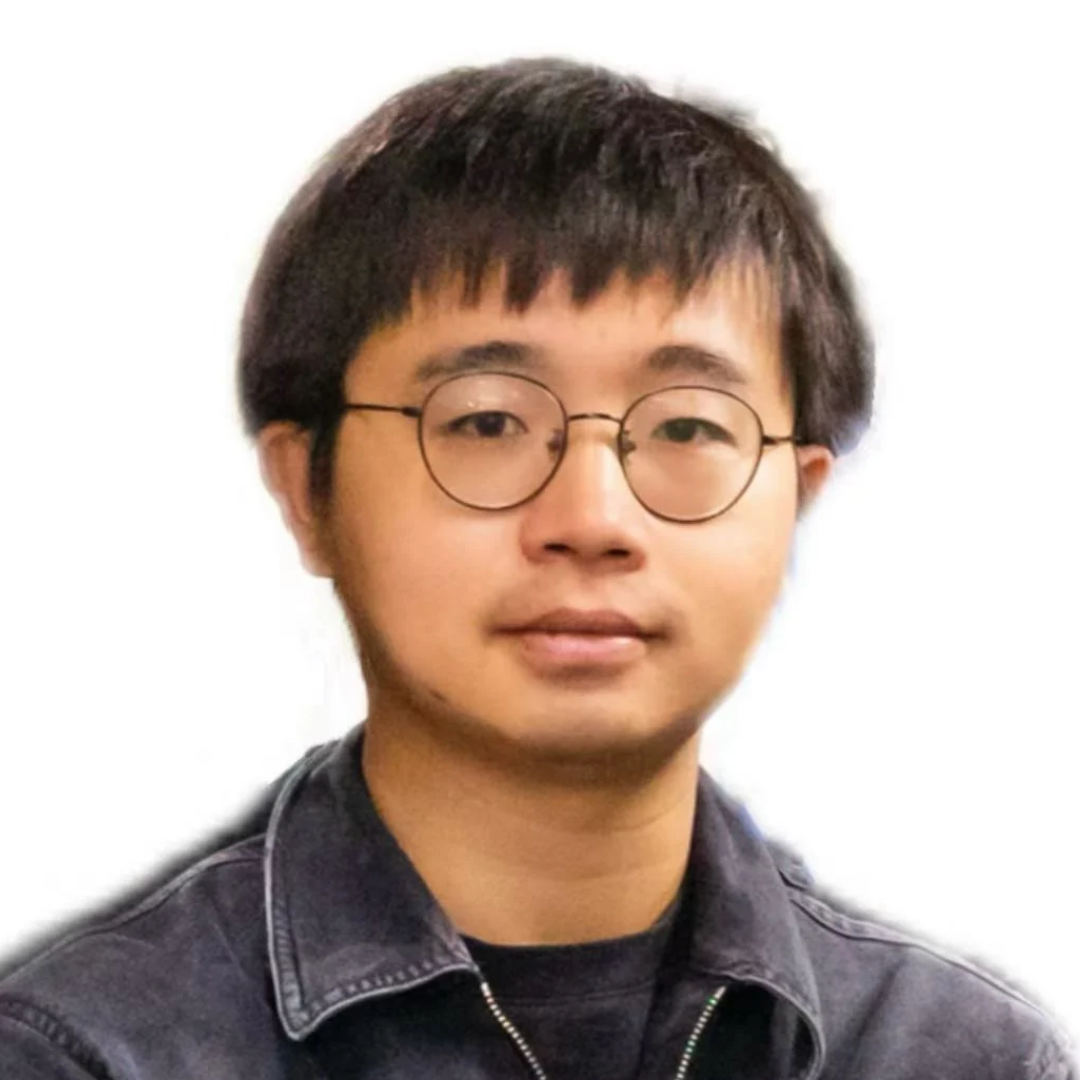
Yujie Zhang received his PhD in Physics from the University of Illinois at Urbana-Champaign in 2023 and his BSc in Physics from Nanjing University in 2017. He is a quantum information theorist and postdoctoral fellow at the Institute for Quantum Computing, University of Waterloo. His research lies at the intersection of quantum foundations, quantum information theory, and quantum optics, drawing on experience in both theory and experiment. He studies how genuinely quantum phenomena can be understood, certified, and harnessed for quantum information processing. Looking ahead, he aims to use insights from quantum foundations to clarify the origins of quantum advantage in existing protocols and develop new approaches to quantum sensing, networking, and computation.
Computer Science, Math, & Theory
Antonio Anna Mele
Optimal Learning of Quantum Channels
Antonio Anna Mele, Freie Universität Berlin
Quantum process tomography asks how many uses of an unknown quantum channel are needed to learn a classical description that is accurate in diamond distance. While the analogous problem of quantum state tomography has been largely settled over the past decades, the corresponding question for general quantum channels remained open beyond special cases.
In this talk, I will show that a generic d-dimensional channel can be learned using O(d⁴/ε²) channel uses, and more generally that O(d_in d_out k/ε²) uses suffice for channels of Kraus rank k, with optimal dependence on the dimension parameters. Perhaps surprisingly, the natural strategy of performing tomography on the Choi state already achieves this scaling. The main challenge is to avoid the dimension loss arising from a naive conversion between trace distance on Choi states and diamond distance on channels. I will explain how random purification and a direct diamond-distance analysis overcome this obstruction. Finally, I will briefly discuss recent work showing that quantum memory can provide a provable advantage for quantum process tomography.
Based on:
- Optimal learning of quantum channels in diamond distance: https://arxiv.org/abs/2512.10214
- Quantum memory advantage for quantum process tomography: https://arxiv.org/abs/2607.13476
About the speaker
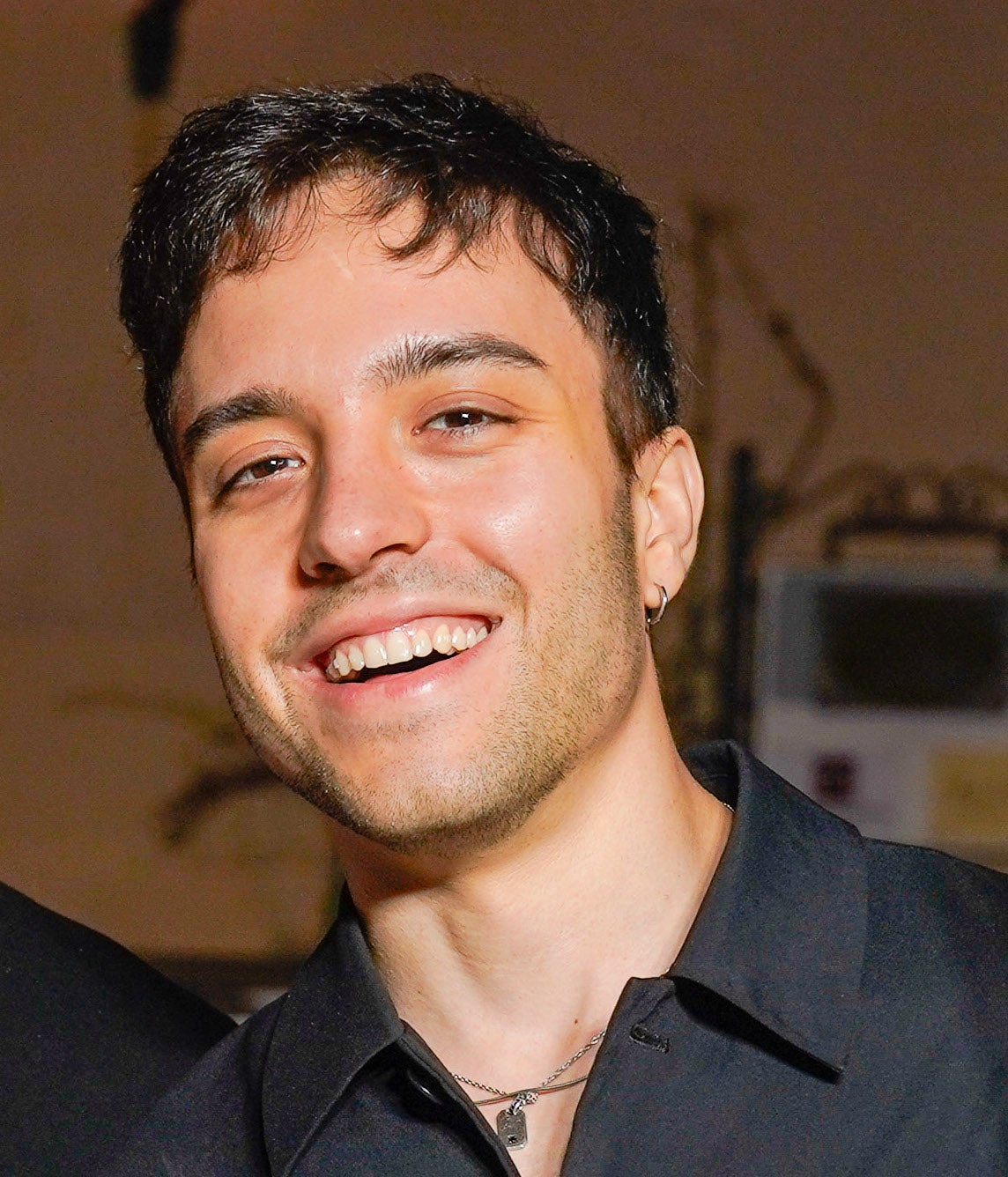
Antonio Anna Mele is a PhD researcher in quantum information at FU Berlin and a 2025 Google PhD Fellow in Quantum Computing. His research has focused on quantum learning theory--how can we efficiently extract useful information, or learn a compact classical model, from a complex quantum system?--as well as on the impact of noise on quantum circuits and their classical simulability. His work has also uncovered mathematical structures underlying quantum systems, from Gaussian and non-Gaussian bosonic and fermionic systems to Clifford symmetries and random unitaries. Looking ahead, he is increasingly interested in quantum algorithms and quantum error correction, with the goal of pushing quantum computing toward genuinely useful applications, particularly as increasingly capable AI models enable previously unimaginable ways of doing research and accelerate the search for such applications.
Francesco Anna Mele
Quantum learning theory with bosonic systems
Francesco Anna Mele, Caltech
The talk will be based on our recent works at the intersection of two important fields of quantum information: quantum learning theory and continuous-variable (CV) systems. Quantum learning theory addresses the question of how to extract classical information from quantum systems as efficiently as possible. CV systems are ubiquitous in nature and in quantum technologies, as they model bosonic systems and quantum optical platforms. The intersection of these two fields raises many interesting questions, some of which are addressed in our recent works. The first natural question is: what is the ultimate achievable performance of tomography for CV systems? We answer this question by establishing the optimal sample complexity of tomography of Gaussian states (an efficient task) and non-Gaussian states (an extremely inefficient task). Other natural questions explored in our recent works include: How does the sample complexity of CV tomography grow with the degree of non-Gaussianity of the unknown state? How can we efficiently learn Gaussian processes? And how can we efficiently test whether an unknown CV state is Gaussian or far from the set of Gaussian states? As a by-product of our analysis, we establish mathematical tools that may be of independent interest, including (i) bounds on the trace distance between CV states in terms of their covariance matrices, and (ii) a Gaussian version of the recently introduced random purification channel.
About the speaker
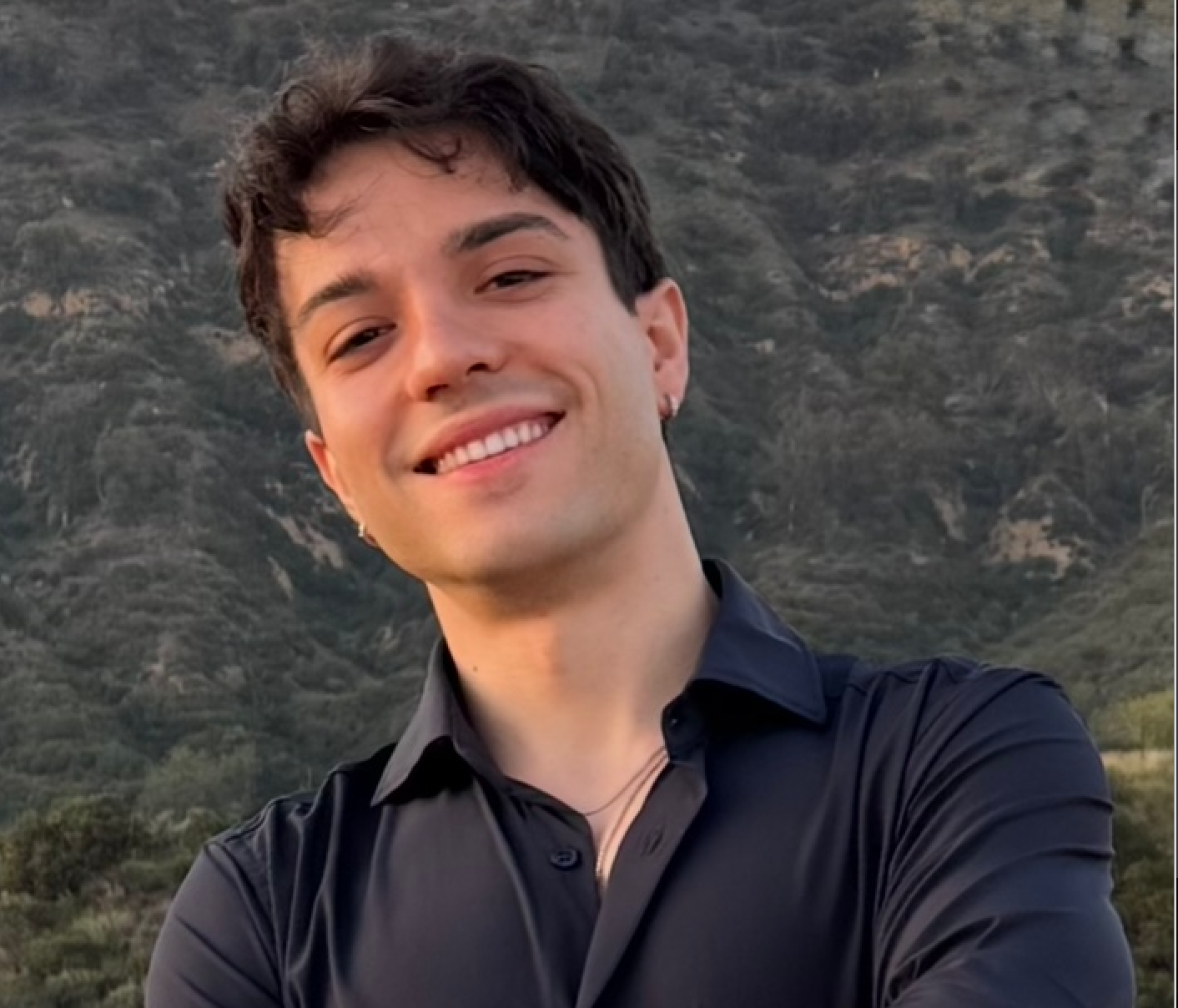
Francesco Anna Mele was born in Italy in 1997. He received the B.Sc. and M.Sc. degrees in Physics from the University of Pisa, Italy, and an additional degree in Physics from Scuola Normale Superiore (SNS), a special-status university for advanced studies in Pisa, Italy, in 2021. He is about to defend his Ph.D. in Nanoscience at SNS, advised by Vittorio Giovannetti and Ludovico Lami. He was a Student Researcher at Google Quantum AI during the summer of 2026, working with Tom O'Brien. He will join the California Institute of Technology in September 2026 as an IQIM Postdoctoral Scholar. His research interests include all aspects of quantum information and computation.
Joseph Carolan
A quantum lower bound for path finding in welded trees
Joseph Carolan, University of Maryland, College Park
In the welded tree problem, an algorithm is tasked with navigating a graph formed from
two binary trees joined at the leaves through a “weld” of connecting edges. A quantum walk
can navigate from root to root exponentially faster than any classical algorithm. However,
known efficient quantum algorithms cannot find a path between the roots, as recording the
path destroys constructive interference and thus the speedup. We prove that this is inherent:
any quantum algorithm needs exponentially many queries to find a path between the roots of
an independently matched welded tree graph. This provides an example of a problem that
a quantum computer can solve exponentially faster than any classical algorithm by exploring
exponentially many paths in superposition, but where it is provably intractable to find any
such path. Theproofusescompressedpermutationoraclestorecordtheprogressofaquantum
algorithm as it queries the graph. We show that the compressed database remains path-free up
to a small error. By controlling such errors and bounding the progress of the algorithm with
each compressed oracle query, we show that Ω(2^{n/12}) queries are required to find a path in a
height-n tree with constant success probability
About the speaker
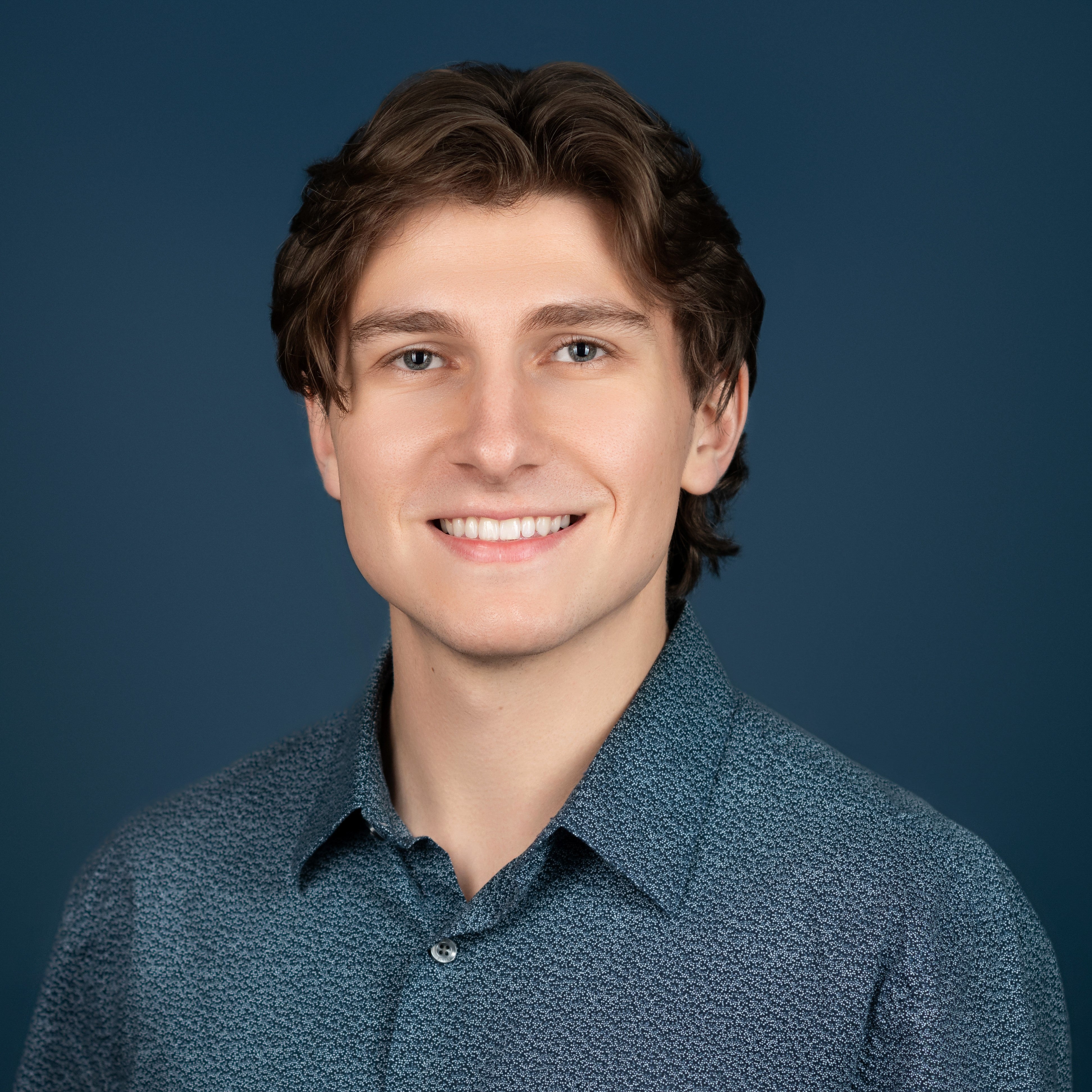
I am a graduate student at the University of Maryland, specifically the Joint Center for Quantum Information and Computer Science. I am fortunate to be advised by Andrew Childs.
My research addresses both the potential and limitations of quantum computers, primarily through the lens of theoretical computer science. I am especially interested in quantum query complexity, and its connections to algorithms and cryptography. A recent focus has been the quantum random oracle model, and more broadly the foundations of post-quantum cryptography.
Katie Chang
Magic Quantum Code Surgery
Katie Chang, Yale University
Non-Clifford operations required for universal quantum computation can be implemented by measuring logical Clifford operators. We present a generalized framework to fault-tolerantly measure transversal Clifford logical operators in quantum low-density parity check (QLDPC) codes. Our protocol takes any QLDPC code and deforms the code across additional ancillary qubits such that a product of stabilizers measures the desired logical Clifford operator. We prove that the deformed, Clifford-stabilized code remains LDPC and that its distance is preserved up to a constant factor independent of the number of physical qubits. We further prove that the Clifford measurement has a fault distance against data qubit and measurement errors that grows linearly with the distance of the original code. We apply our methods to implement logical non-Clifford gates in algorithmically relevant subroutines and to prepare magic states in quantum stabilizer codes.
About the speaker
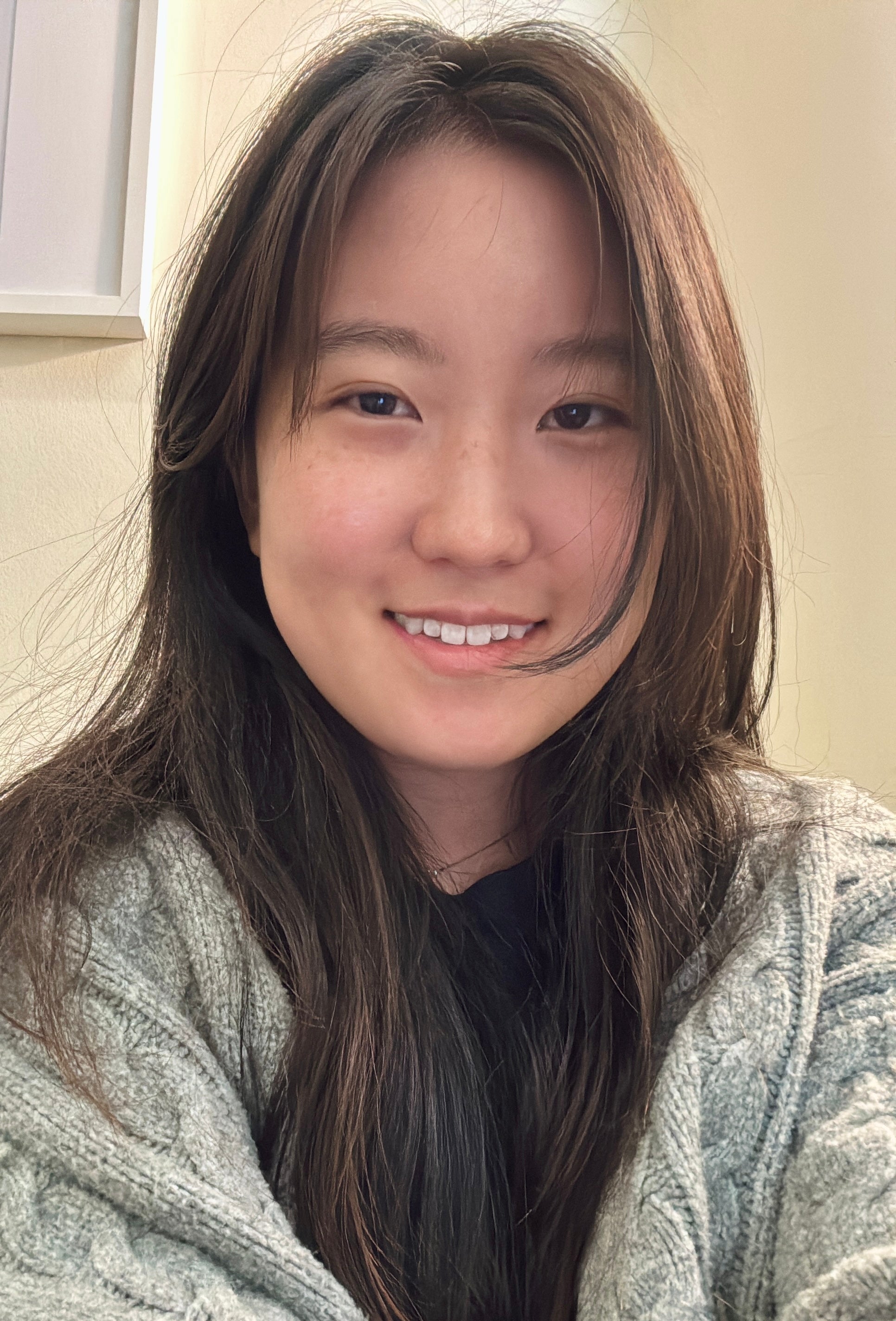
Katie Chang is a Ph.D. student in physics at Yale University, advised by Shruti Puri. She received her B.S. in physics from the University of Virginia. Her research focuses on lowering the overhead of fault-tolerant quantum computation, from new logical operations on quantum LDPC codes to hardware-aware error correction. She interned at IBM Quantum in 2025. In the future, she is interested in co-designing fault-tolerant architectures with the algorithms they will run, building efficient, application-specific instruction sets for early fault-tolerant quantum computers.
Linnea Grans-Samuelsson
Resource-adaptive distributed fault tolerance with very noisy Bell pairs
Linnea Grans-Samuelsson, Université de Sherbrooke
Distributed architectures have been proposed as a pathway to large-scale quantum computers. Combined with the need for fault-tolerance, such architectures require distributed quantum error correction and distributed logical gates. We consider a setting where QPUs are connected using shared Bell pairs that are significantly noisier than on-chip operations. We extend the work in arXiv:2506.17181 on fault tolerance by construction to this setting, deriving different strategies for handling the additional noise. We recover conventional entanglement distillation, but also find more dynamical protocols that allow for space-time trade-offs. Through fault equivalence we show that with integrated decoding, significantly fewer Bell pairs are needed compared to entanglement distillation with separate decoding, and also that fewer Bell pairs are needed when compared to postselected entanglement distillation (repeat-until-success). As a main focus of the work, we derive efficient circuits for an important primitive in distributed fault tolerance: distributed stabilizer measurement. This primitive appears both in the context of distributed quantum memories and in the context of lattice surgery between logical qubits hosted on separate QPUs, and we showcase its usage in both settings. (We also note that the general strategies are applicable beyond stabilizer measurements, and would also apply to e.g. transversal CNOT gates.) The circuits can be adapted to resource constraints, e.g. on the Bell pair generation rate or the space available for on-chip auxiliary qubits. Noting that full local fault-tolerance is not always needed to preserve the correct scaling of logical error rates, we further optimize the circuits depending on the surrounding context. We consider in particular the surface code and the color code, both as distributed memories and in the case of lattice surgery across separate QPUs. Here, robustness to certain hook and readout errors reduces the number of Bell pairs required even further, compared to the context-free setting. We numerically benchmark the resulting implementations under circuit level noise with additional interconnect noise.
About the speaker
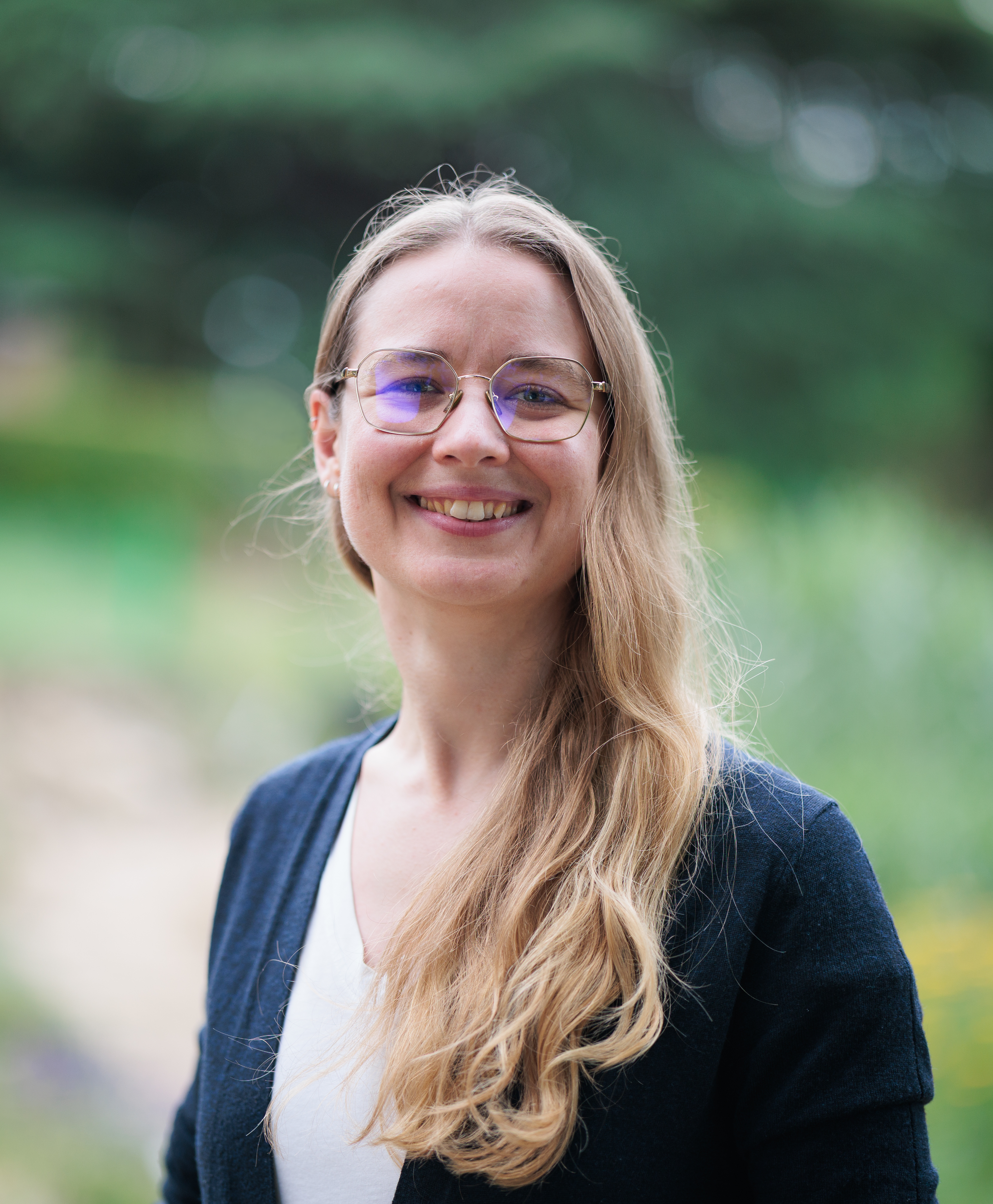
I am an incoming tenure-track assistant professor at the physics department of Université de Sherbrooke. The main focus of my research is on quantum error correction and fault-tolerant quantum computing. I am also interested in the connections between quantum error correction and statistical mechanics. Prior to obtaining my position at Sherbrooke I was (and still am, as of writing) a research fellow in theoretical physics at University of Oxford, before which I was a postdoctoral researcher at Microsoft Quantum (Station Q). I did my PhD at Institut de Physique Théorique, CEA Saclay, under the supervision of Hubert Saleur and Jesper Jacobsen, focusing on critical integrable lattice models and non-unitary conformal field theories. I am originally from Sweden.
Brent Harrison
Fermion-to-Qubit Transforms as Data Structures
Brent Harrison, Dartmouth College
In order to simulate a system of fermions on a quantum computer, it is first necessary to represent the fermionic states and operators on qubits. This can be accomplished in multiple ways, including the well-known Jordan-Wigner transform, as well as the parity, Bravyi-Kitaev, and ternary tree encodings. Notably, the Bravyi-Kitaev encoding can be described in terms of a classical data structure, the Fenwick tree. Here we establish a correspondence between a class of classical data structures similar to the Fenwick tree, and a class of ancilla-free fermion-to-qubit transforms. We present a novel fermion-to-qubit encoding based on the recently discovered “Sierpinski tree” data structure, and show that the optimal ternary tree encoding is locally equivalent to it. We further show that the class of generalized ternary tree encodings is local-Clifford equivalent to a proper subset of these data-structure based encodings. We generalize to include ancillas and error correction, and discuss how our encodings can be tailored to target Hamiltonians.
About the speaker
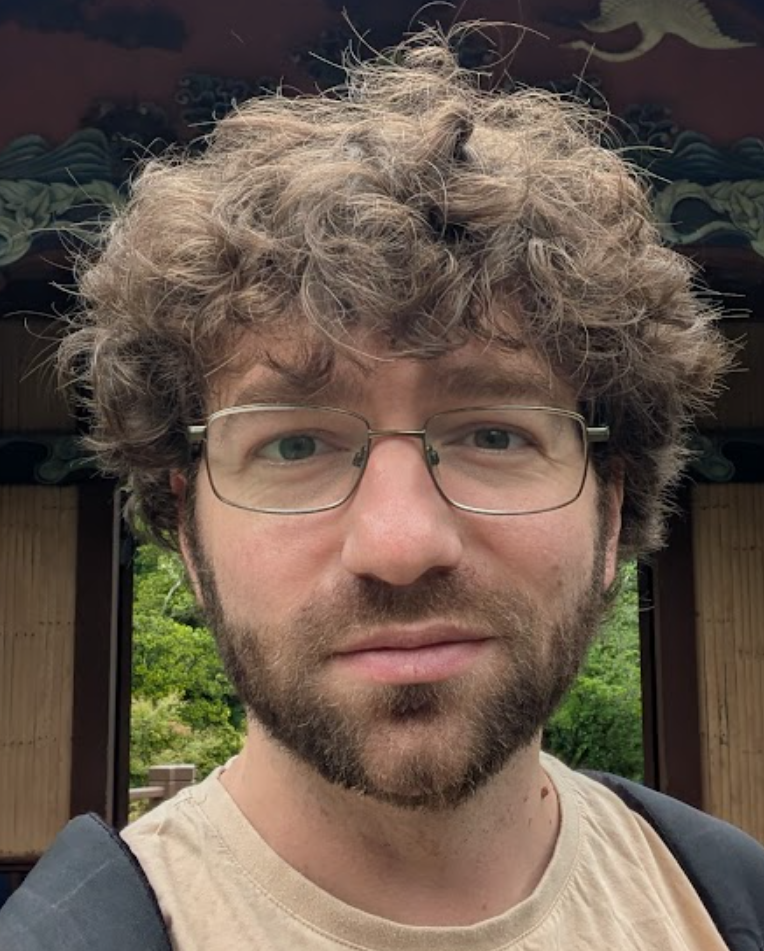
Brent Harrison is a Physics PhD student at Dartmouth College. His research interests lie in the intersection of mathematical physics and quantum computing, with a particular focus on discrete structures in Hilbert space. Recent work includes establishing a duality between fermion-to-qubit transforms and a class of classical data structures. He has also worked on mapping a class of fermionic Gaussian states to circle graph states, with application to the study of resources for measurement-based quantum computing.
Miryam Mi-Ying Huang
Quantum Obfuscation for General Quantum Computation
Miryam Mi-Ying Huang, Carnegie Mellon University
Program obfuscation studies whether a program can be converted into a protected version that retains its functionality while hiding how it is implemented. In the quantum setting, obtaining such a notion for general quantum circuits has remained a longstanding challenge, and existing results have largely focused on restricted families of quantum programs.
In this talk, I will describe new constructions that extend quantum program obfuscation beyond these restricted settings to general quantum computation. I will first present an obfuscation scheme for unitary quantum programs that supports quantum inputs and outputs, thereby extending existing results for pseudo-deterministic computation. Using this construction together with a new notion of subspace-preserving pseudorandom unitaries, we further obtain a quantum ideal obfuscation scheme for arbitrary quantum circuits implementing general completely positive trace-preserving (CPTP) maps. The security of these constructions follows from the existence of post-quantum one-way functions in the classical oracle model.
About the speaker
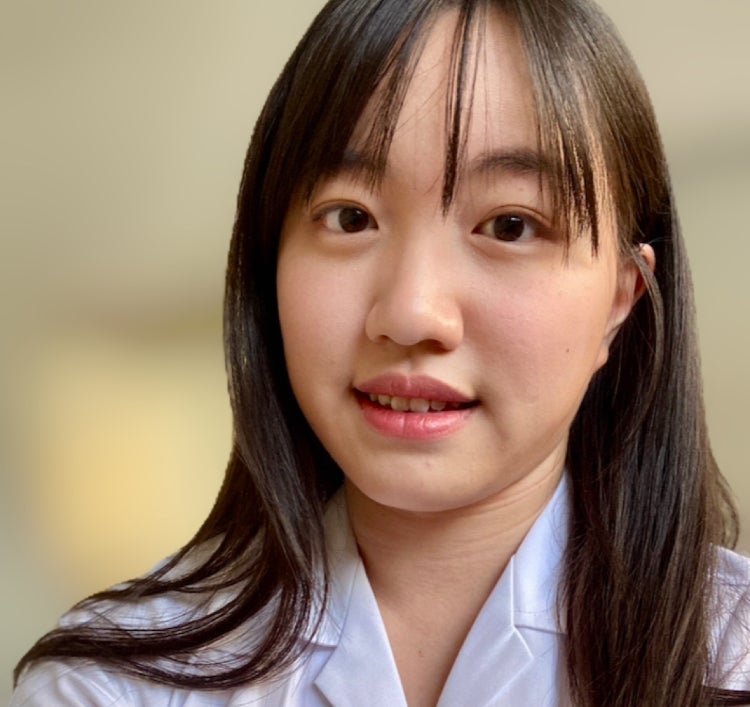
Miryam Mi-Ying Huang is a postdoc research fellow at Carnegie Mellon University. Previously, she graduated from University of Southern California advised by Dr. Jiapeng Zhang. Her research primarily focuses on cryptography and complexity theory.
Bobak Kiani
Laura Lewis
Learning the structure of open quantum systems
Laura Lewis, UC Berkeley
We design an algorithm for learning the coefficients of an n-qubit constant-local Lindbladian to epsilon error with O(g d^2 log(n)/epsilon^2) total evolution time, where g is the single-site energy and d is the (approximate) degree of the interaction graph. Though Lindbladians present new challenges not present in the special case of Hamiltonians, our algorithm achieves the suite of desiderata attained by state-of-the-art Hamiltonian learning algorithms: (1) it uses non-adaptive, ancilla-free randomized Pauli measurement circuits with a time resolution of only Theta(1/g); (2) it works without knowledge of the structure of the unknown Lindbladian; (3) it depends on a smooth form of degree, thereby supporting the learning of quasi-local and power-law Lindbladians.
Our algorithm is a simple iterative method, where the objective function consists of Fourier coefficients of the Lindbladian restricted to few-site regions. Its analysis identifies the difficulty unique to open systems, which we call “confusing” terms. For settings where the “confusion” is limited, the performance of the algorithm improves. We demonstrate this for the case of structure learning of Hamiltonians from access to real-time evolution, where we obtain a new algorithm that is significantly simpler than previous work. In addition, using the same iterative method, we design the first efficient algorithm for structure learning Hamiltonians from high-temperature Gibbs states.
About the speaker
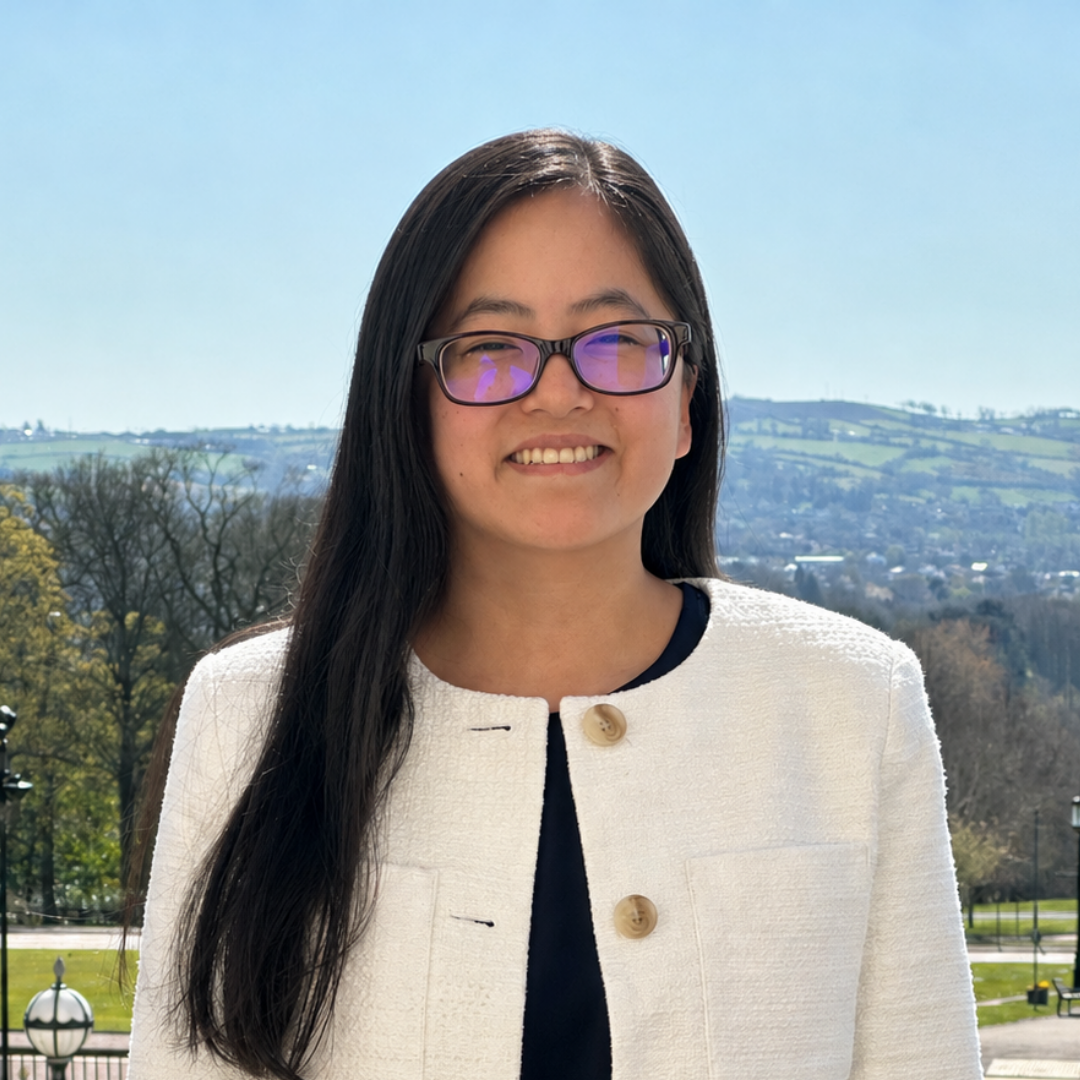
Laura is a second-year PhD student at UC Berkeley, where she is advised by Umesh Vazirani and John Wright. Previously, she was a master’s student at the University of Cambridge and the University of Edinburgh, funded by a Marshall Scholarship. Before that, she completed her bachelor’s degree at Caltech, advised by Thomas Vidick and John Preskill. Laura’s main research interests lie in quantum learning theory and quantum algorithms.
Chaithanya Rayudu
Pulkit Sinha
Dimension Independent and Computationally Efficient Shadow Tomography
Pulkit Sinha, Institute for Quantum Computing, University of Waterloo
Learning properties of an unknown quantum state is a fundamental task in quantum information science. Because full quantum state tomography requires a number of copies that scales exponentially with the number of qubits, Aaronson introduced the shadow tomography problem: given copies of an unknown d-dimensional quantum state and a collection of m known two-outcome measurements, estimate the expectation value of each measurement to within additive error eps. While early groundbreaking algorithms showed that shadow tomography is possible using only poly(log m, log d, 1/eps) copies, improving substantially upon the naive approach of measuring each observable separately, all such improvements came at the cost of introducing a dependence on the state dimension d.
In this talk, we describe a shadow tomography algorithm that uses n = O(sqrt(m) log(m) / eps^2) samples, for m measurements and additive error eps, which is independent of the dimension of the quantum state being learned. At the time of its introduction, this stood in contrast to all previously known algorithms that improved upon the naive approach, while also achieving optimal dependence on eps. Additionally, this algorithm is efficient in various aspects, including quantum memory usage (possibly even O(1)), gate complexity, classical computation, and robustness to qubit measurement noise. It can also be implemented as a read-once quantum circuit with low quantum memory usage, i.e., it holds only one copy of the state in memory and discards it before asking for a new one, with the additional memory needed being O(m log n). Our approach built on the idea of using noisy measurements, but instead of focusing on gentleness in trace distance, we focused on "gentleness in shadows," i.e., we showed that the noisy measurements do not significantly perturb the expected values.
About the speaker
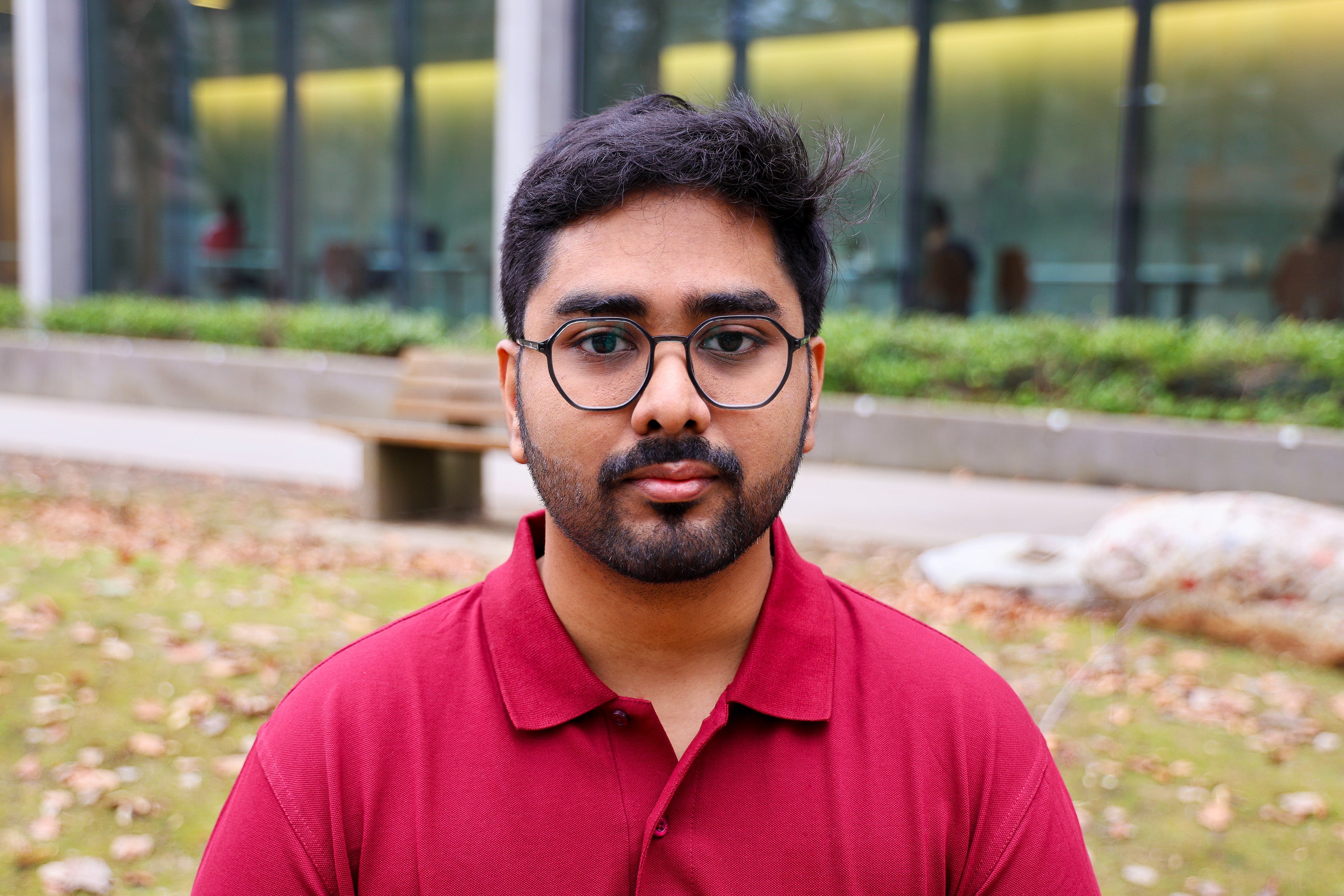
I am a PhD student at the Institute for Quantum Computing (IQC) and the Cheriton School of Computer Science at the University of Waterloo, advised by Ashwin Nayak. My research primarily focuses on quantum learning theory, with broader interests spanning quantum information science and theoretical computer science. In Summer 2026, I joined IonQ as a research intern, working with Dmitri Maslov. Prior to my graduate studies at Waterloo, I earned my Bachelor of Science (Research) in Mathematics from the Indian Institute of Science (IISc), Bengaluru in 2022.
Joseph Slote
Robust quantum state certification from single-qubit measurements
Joseph Slote, University of Washington
State certification seeks to determine whether an approximate, lab-prepared quantum state is close to a target ideal state. There is particular interest in approaches to certification that require only simple, few-qubit measurements, and recent work has culminated in protocols certifying n-qubit quantum states with only single-qubit measurements (Huang, Preskill, Soleimanifar '24; Gupta, He, O'Donnell '25). Unfortunately, until recently these tests have been inherently non-robust: they can only positively certify lab states that are vanishingly close to the ideal state as n grows, making them difficult to apply in realistic scenarios. In this talk we describe new protocols achieving constant robustness, for example distinguishing lab states with at least 90% fidelity from those with at most 80% fidelity, independent of system size. Our protocols are based on a novel uncertainty principle for the total influence of Boolean functions and weighted generalizations thereof.
Based on joint work with Andrea Coladangelo and Jerry Li.
About the speaker
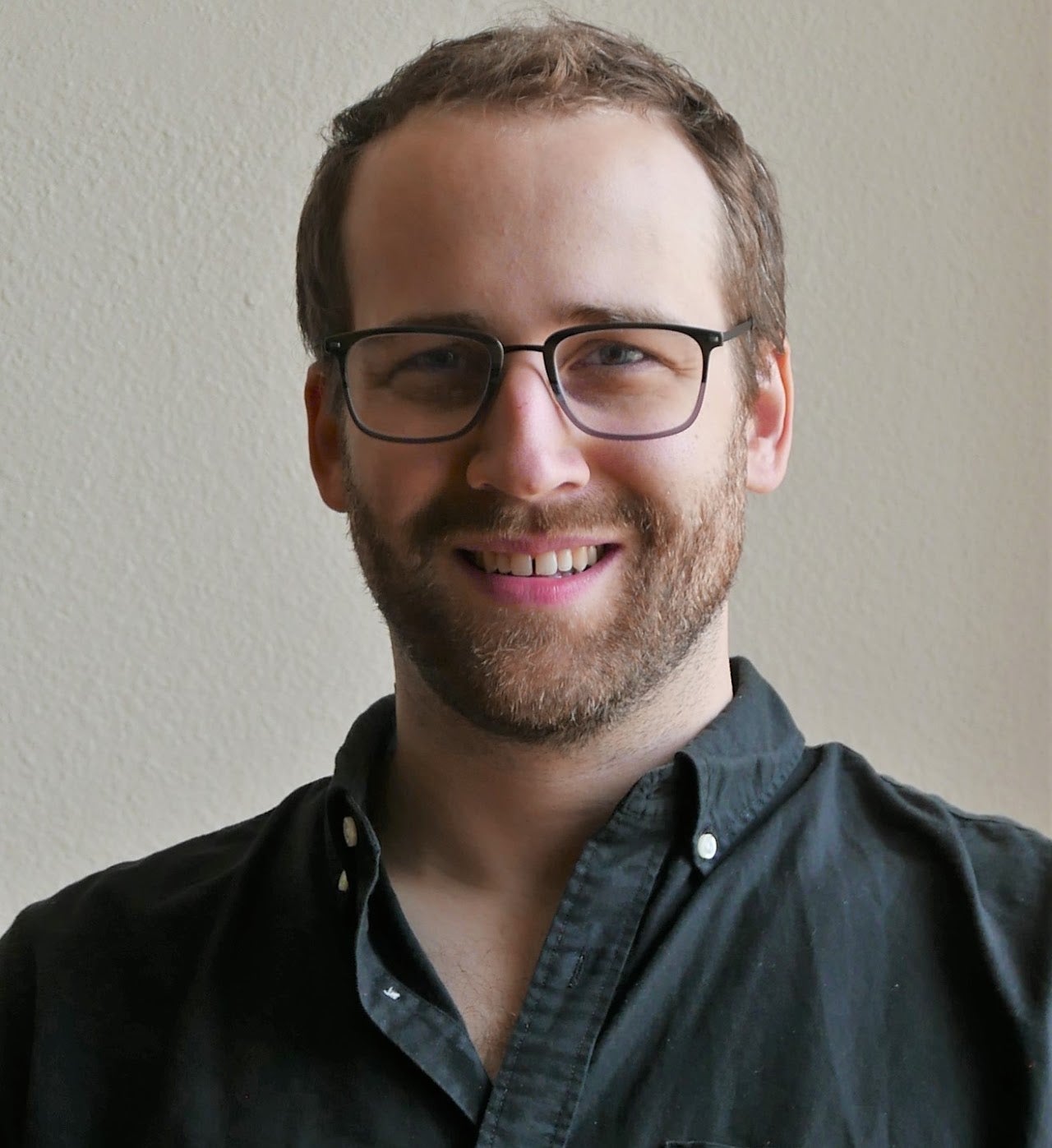
Joseph Slote is a postdoctoral scholar in the quantum group at the University of Washington. His research explores basic questions in quantum complexity theory with applications to learning, testing, and the certification of untrusted devices. This work enjoys a rich interplay with discrete harmonic analysis and approximation theory and has led to several new results in these fields. He earned his PhD at Caltech in 2025 under the advisement of Chris Umans and holds a master's in math and CS from the University of Oxford. Slote is a grateful recipient of NSF support through the MSPRF program.
Francisca Vasconcelos
QAC^0 and the Quest to Compute Parity
Francisca Vasconcelos, UC Berkeley
Constant-depth quantum circuits offer a clean playground for studying the origins of quantum advantage. They are simple enough that one can hope to characterize their power, yet already exhibit phenomena with no clear classical analogue. In this talk, I will explore this question through the lens of QAC^0—the class of polynomial-size, constant-depth quantum circuits composed of arbitrary single-qubit gates and unbounded CZ/Toffoli gates. I will center the discussion around a long-standing open problem in quantum circuit complexity: is Parity computable in QAC^0? Despite its apparent simplicity, this question captures a fundamental gap in our understanding of shallow quantum computation. Resolving it would clarify how QAC^0 compares with classical AC^0 and, more broadly, how quantum circuits can use global operations such as fan-out to parallelize computation in fundamentally non-classical ways. I will survey recent upper and lower bounds on this problem and highlight how the resulting techniques have led to surprising applications, including efficient learning of QAC^0 as well as constant-depth pseudorandomness and Dicke state preparation.
About the speaker
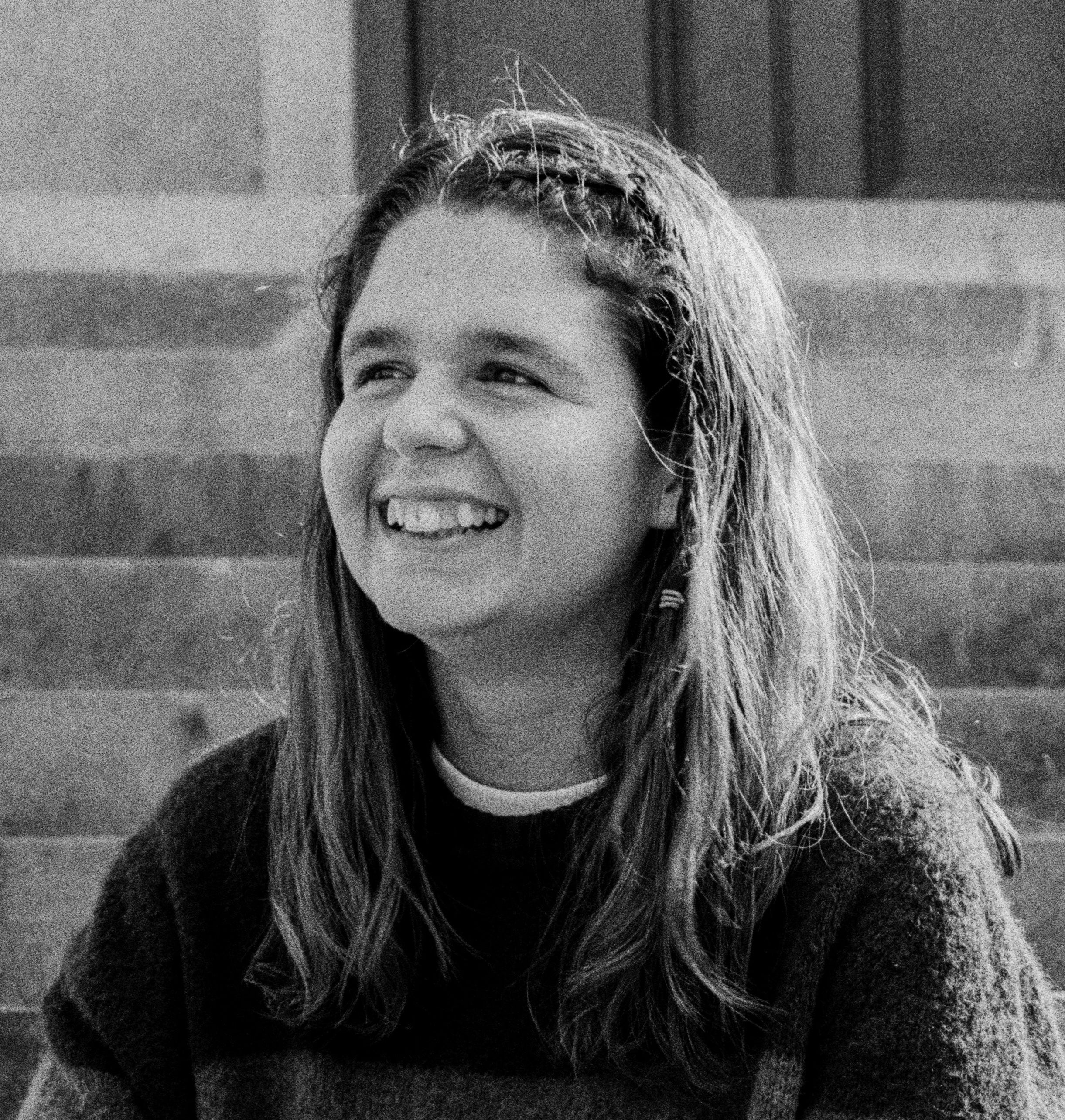
Francisca Vasconcelos is a fifth-year PhD student in Computer Science at UC Berkeley, where she is advised by Michael I. Jordan and Umesh Vazirani. Her research broadly focuses on quantum algorithms and quantum complexity. Prior to Berkeley, she received her BS in Electrical Engineering, Computer Science, and Physics from MIT in 2020. She then studied at the University of Oxford as a Rhodes Scholar, completing masters degrees in Statistical Science and Philosophy of Physics. Her research experience also includes internships at Rigetti Computing, Microsoft Research Quantum, and Amazon Quantum. Francisca is a recipient of the NSF Graduate Research Fellowship and the Paul & Daisy Soros Fellowship for New Americans. She is also the Founding Academic Director of Qubit x Qubit, a global quantum computing education initiative.