News

Filter by:

Limit to news where the title matches:
Limit to items where the date of the news item:
Date range
Limit to news items where the audience is one or more of:

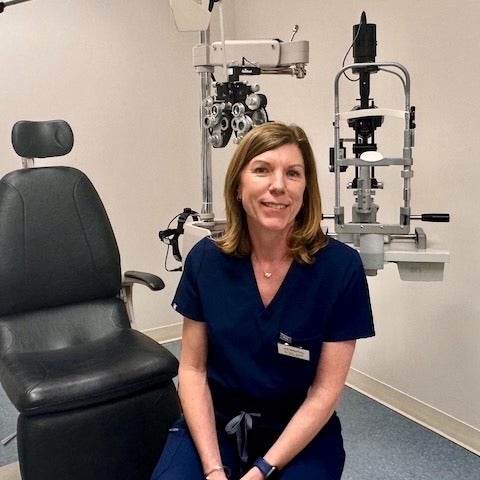
Myopia, more commonly known as nearsightedness, not only causes blurry vision, it puts patients at higher risk of vision loss. These days, children's myopia can be controlled using special glasses, contact lenses or eyedrops. Dr. Debbie Jones explains how.

Friday, April 19, 2024

Longtime clinic mentor retires

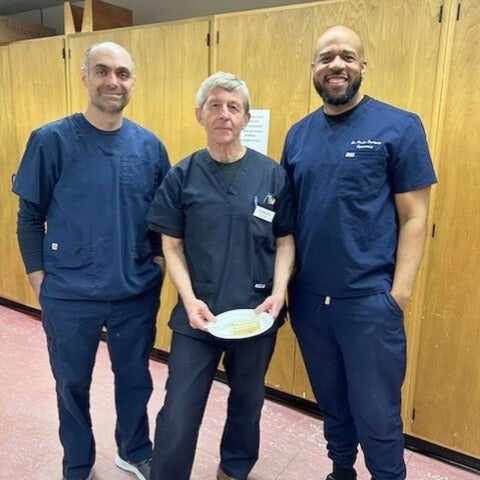
Dr. Stephen Tait is retiring both from his 40-year part-time role as a clinical supervisor at the School of Optometry & Vision Science and from his private practice.

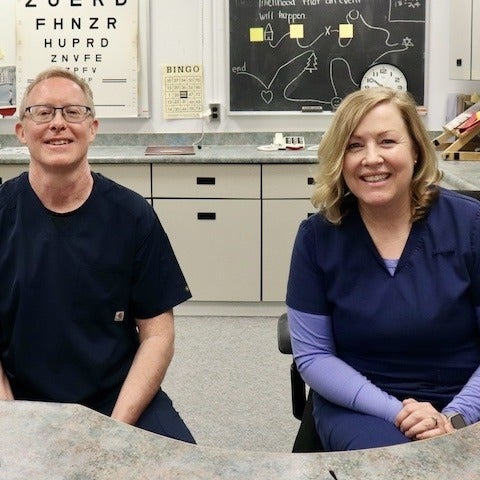
Assistive technology and low vision aids can help people with low vision to maintain or increase their independence. Low vision therapist Heidi Panchaud and high technology assessor Dave Johnston explain how professional staff at the Waterloo Eye Institute help patients choose and adjust to using the aids right for them. 

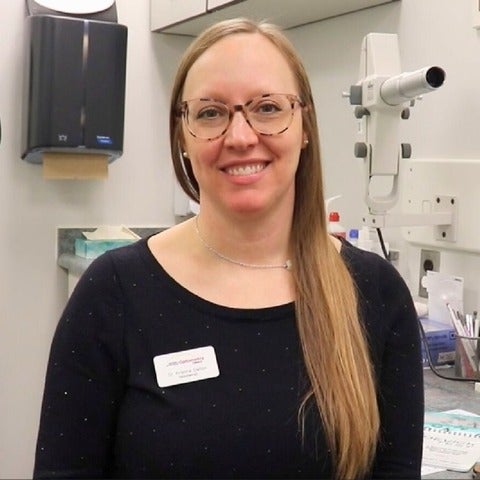
An estimated 90 per cent of concussion patients experience visual symptoms in the early days following a concussion. Most people fully recover in two to four weeks, but some continue to experience visual symptoms for longer. Dr. Kristine Dalton explains how an optometrist may be able to help.

Macular degeneration is a common eye disease that affects the retina – the light-sensitive area at the back of the eye responsible for detailed vision. Age-related macular degeneration is a leading cause of vision loss, affecting some 2.5 million Canadians.

Friday, January 12, 2024

Glaucoma

Glaucoma is called 'the silent thief of sight' because irreversible damage can occur before there are noticeable symptoms. It's one of the most common causes of blindness, but early detection can mean you never experience any symptoms.