
TAs are upper-year or graduate level students that help your professors and instructors with grading, tutorials, exams and more.
TAs are upper-year or graduate level students that help your professors and instructors with grading, tutorials, exams and more.

Good performance on a test or exam is a combination of knowing the material you’ll be tested on and using your study time well.
To help you prepare for upcoming tests and exams, here are five steps to take.

You may have used a concept map in a class project, or to take notes — but are you using this tool to its full potential?
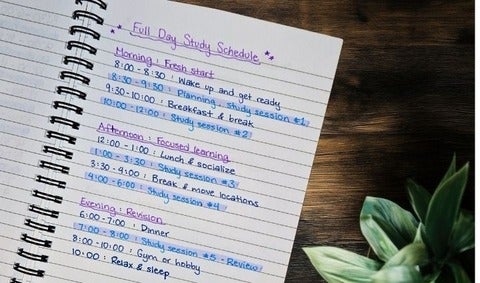
From the structure to format — your schedule should be catered to what you need it to do to. That might include keeping track of your schoolwork, job and other things that are important to you.

Deciding between online and in-person classes? The world of university learning has evolved a lot, especially with the rise of online classes during the COVID-19 pandemic.
Both class types have their perks and challenges. Here's a simple breakdown to help you understand and decide.

Many of us enter university looking forward to having more independence in choosing our classes, schedules and how we learn.
In high school, independent learning might have looked like personal initiative in managing your assignments. In university, this is only a fraction of the kind of independent learning you will have to do.

What does good note-taking for university lectures look like? There’s more to it than showing up and jotting down a few key phrases from your prof. Follow these tips to focus your attention in lectures, retain information, and make reviewing your notes easier.

There’s a lot of content in university lectures. It’s important to learn how to take cues to determine what’s important to record in your notes. People don’t instinctively listen well, but it’s a skill that anyone can develop using these steps.

Have you ever submitted an essay or project that you were so sure would meet your professor’s expectations, only to get it back with lots of notes and a lower grade than you were hoping for?
We’ve all been there. Receiving and reviewing feedback from your teaching assistants (TAs) and instructors is a regular part of the university experience.

Not sure where to start when you’re studying for exams?
Review notes are the answer. They help you synthesize what you’ve learned and organize the course information for studying.