Tuesday, February 4, 2014 2:00 pm
-
2:00 pm
EST (GMT -05:00)
Alumni
Monday, December 9, 2013 1:30 pm
-
1:30 pm
EST (GMT -05:00)
Notice of PhD Oral Defence - Separation of Heavy Metals from Water Using Fibroin as Adsorbent by Muhammad Usman Farooq
Friday, December 6, 2013 1:30 pm
-
1:30 pm
EST (GMT -05:00)
Notice of PhD Oral Defence - PVAm-PVA Composite Membranes Incorporated with Carbon Nanotubes and Molecular amines for Gas Separation and Pervaporation by Yijie Hu
Wednesday, October 30, 2013 11:30 am
-
11:30 am
EDT (GMT -04:00)
Seminar - "Advanced Graphene Materials for Energy Storage & Conversion" by Prof. Aiping Yu
Aiping Yu, PhD, Assistant Professor, Chemical Engineering, University of Waterloo
Abstract: Graphene is recognized as one of the nanomaterials that could revolutionize numerous industries over a wide range of sectors due to its distinctive properties, including large specific surface area, high electrical and thermal conductivity, good chemical stability, ultrahigh mobility, as well as great mechanical strength and Young’s modulus.
Friday, October 25, 2013 11:30 am
-
11:30 am
EDT (GMT -04:00)
Seminar - "Improving Supercapacitor Performance by Functionalization and Interfacial Assembly of Graphene" by Michael A. Pope
"Improving Supercapacitor Performance by Functionalization and Interfacial Assembly of Graphene"
Thursday, October 24, 2013 3:30 pm
-
3:30 pm
EDT (GMT -04:00)
Seminar - "Development of Soluble donor-acceptor Small Molecules for use in Organic Solar Cells" by Dr. Gregory C. Welch
"Development of Soluble donor-acceptor Small Molecules for use in Organic Solar Cells"
Monday, October 14, 2013
Prof. Flora Ng wins the 2013 Canadian Green Chemistry and Engineering Award
This national individual award, sponsored by GreenCentre Canada, is for an individual working in Canada who has made significant contributions to advance green chemistry and/or engineering, including the technical, human health and environmental benefits. From the award announcement:
"Flora T. T. Ng obtained her BSc at the University of Hong Kong , MSc and PhD from the University of British Columbia.
Friday, October 4, 2013 11:30 am
-
12:30 pm
EDT (GMT -04:00)
Seminar, “Gas-Solid Fluidized Bed Applications in Polymerization and Clean Energy Processes” by Dr. Poupak Mehrani
Dr. Poupak Mehrani
Chemical and Biological Engineering Department
University of Ottawa
Fluidized beds including those of gas-phase are widely used in industry due to their excellent features including providing high degree of mixing, heat transfer, mass transfer, to just name a few. In this talk a brief summary of research presently carried out by my research team in the areas of polymerization and clean energy, where fluidized bed reactors are employed, will be presented.
Wednesday, September 4, 2013
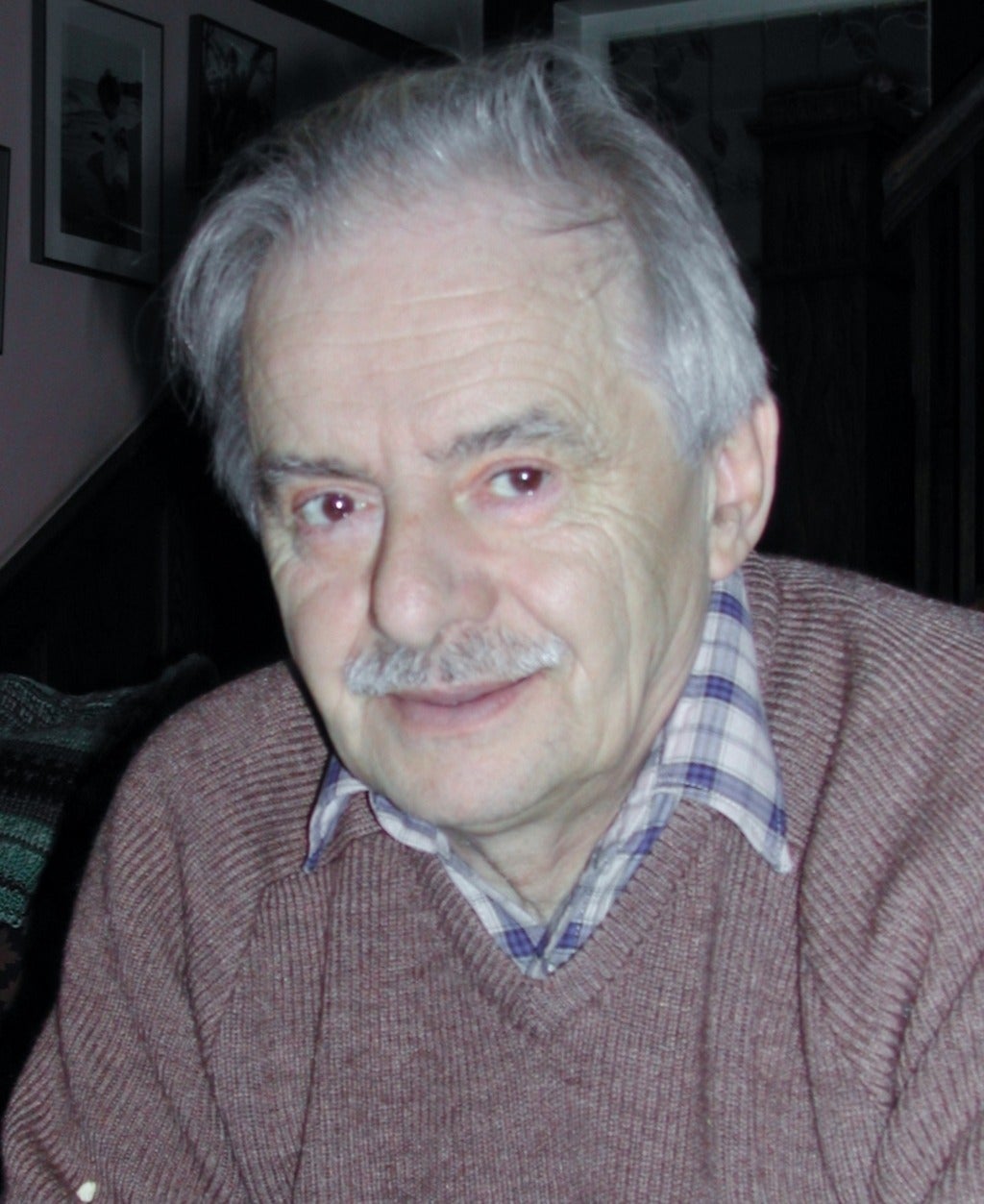
The Department mourns the loss of Professor Emeritus Jeno Scharer

Tuesday, August 20, 2013 3:30 pm
-
3:30 pm
EDT (GMT -04:00)
Seminar: “Bioenergy and Availability” by Dr. Duu-Jong Lee (NTUST, Taiwan)
Abstract: The world is faced with energy challenges with depleting fossil fuel reserves. Although with successful exploitation of shale gas and shale oil, the long-term economic benefits on shale fuels use considering the environmental damage are unknown. Biomass is abundant worldwide and its derived energy is regarded renewable and cost-effective. Additionally, the use of bioenergy from biomass is claimed to be carbon neutral since the biomass has supreme capability to biofixation of CO2. However, the cost of biodiesel production from biomass is high.