Blog

Filter by:

Limit to posts where the title matches:
Limit to posts where the date of the blog post:
Date range
Limit to posts tagged with one or more of:
Limit to posts where the audience is one or more of:
Wednesday, September 18, 2024

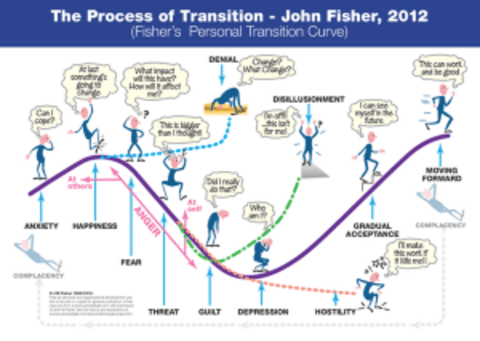
Understanding and Managing Change

Change is an inevitable part of life, and how we handle change can significantly impact our well-being and success. While there are people who seem to sail through significant upheaval unscathed, most of us find it more challenging to adapt to change.

There are close to 5 billion smartphone users worldwide (Statista, 2024). The average person spends 4 hours a day on their phone (Statista, 2023), and almost half of all smartphone users describe themselves as having a smartphone addiction (Ratan et al., 2022). Unsurprisingly, almost all university students have a smartphone (Huey & Giguere, 2023). In people aged 25 and under, 25% of them meet the criteria for problematic smartphone usage (Sohn et al., 2019).

It’s March and the sounds of Spring are in the air. By sounds of Spring, we mean the excessive honking of geese as they return from their winter vacays. Watch your step. 

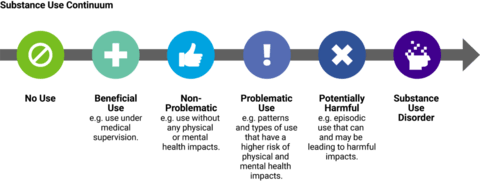
As we head into the weekend and one of the most celebrated holidays around the world (St Patrick’s Day), it is a great time to talk about substance use health. 

Whether it’s green beer, regular beer, tobacco, caffeine, cannabis, or illicit drugs, substances are a fact of life.  In Canada, it is estimated that 78% of people over the age of 15 regularly use substances of some kind. With substances playing a consistent role in our lives, it’s important that we develop healthy relationships with them.

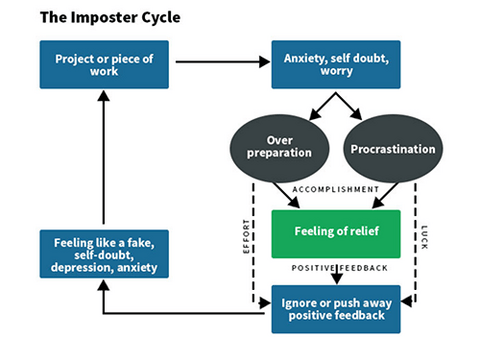
Concerns about the impacts of imposter phenomenon on students and employees in higher education has been the focus of concern (and research) for some time. In recent years, the narrative around imposter phenomenon has begun to change. In this month’s newsletter, we will explore historical perspectives as well as the changing narrative around imposter phenomenon.

Wednesday, February 14, 2024

Employee Burnout in Higher Education

"Here’s a quote I once heard from a priest: If you don’t want to burn out, stop living like you’re on fire.” -Brene Brown

The term “burnout” was first introduced in 1974 by American psychologist Herbert Freudenberger to describe the consequences of severe stress and high ideals in human professions (social workers, teachers, nurses, police officers, physicians, etc.). Freudenberger defined burnout as “the extinction of motivation or incentive, especially where one's devotion to a cause or relationship fails to produce the desired results” (1974). In 1989, Byrne and Hall explored the impacts of the three dimensions of burnout (exhaustion, depersonalization/cynicism, and reduced personal accomplishment) on teachers, including university instructors, as well as the work-related stress factors that contribute to burnout. Byrne and Hall found that a combination of personal traits and organizational factors directly contributed to feelings of burnout.