
A team led by the faculties of Engineering and Environment successfully launched a space balloon on a recent trip to Sweden as part of the REXUS/BEXUS Programme, supported by the European Space Agency (ESA). The programme that allows institutions to conduct scientific and technological research using balloons and rockets.
Team SOBER, short for Space Object Brightness Evaluation and Reference, developed a payload that measures the brightness and thermal signatures of satellites and space debris to support space situational awareness (SSA), satellite catalogue accuracy, and dark-sky preservation. This all helps to keep the space around the Earth safe, sustainable, and secure.
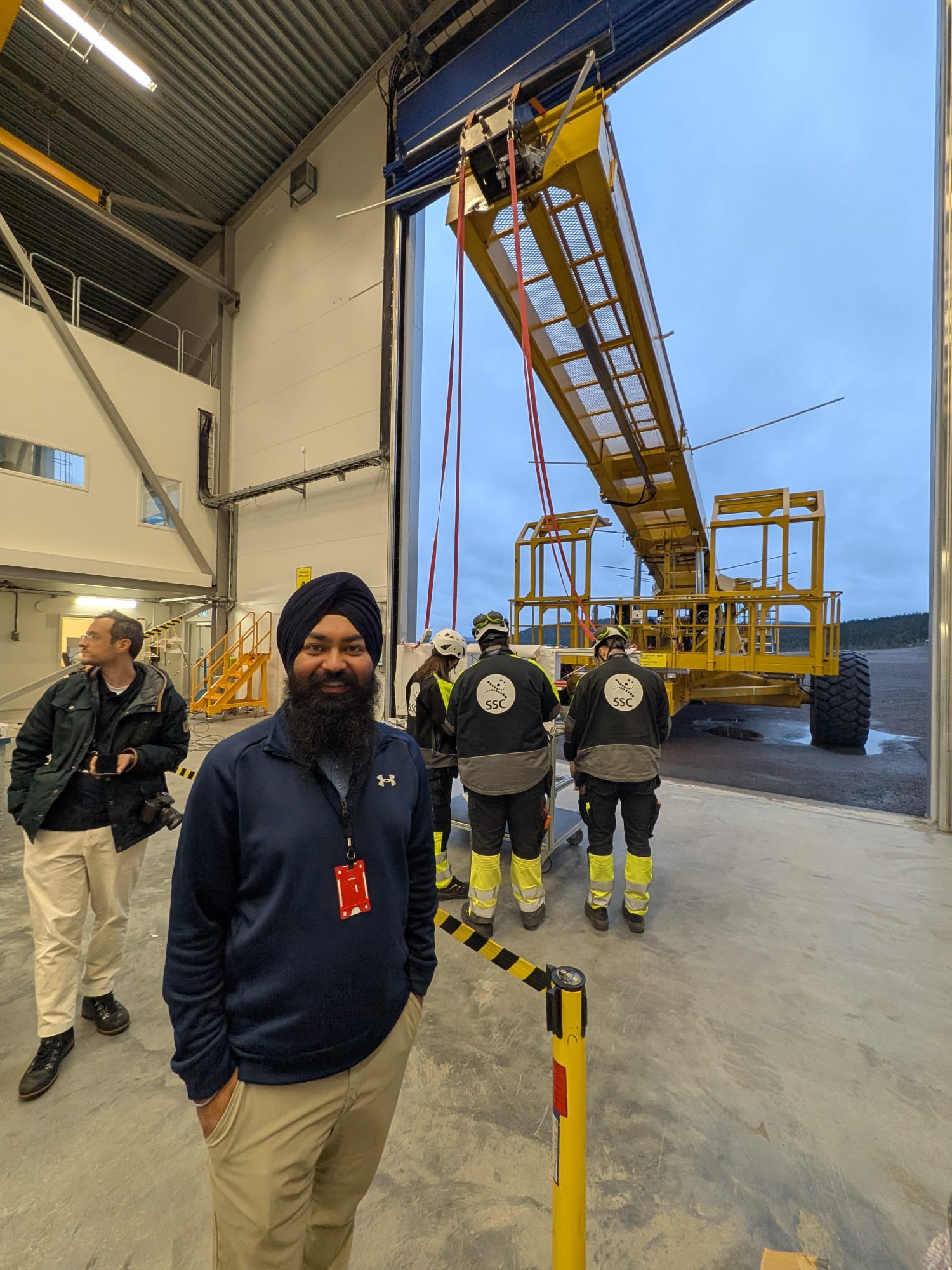
The team is led by Environment PhD student Gurpreet Singh, who works alongside other members in Ontario and across Europe, with additional support from faculty advisors in MME, Velocity, and the Faculty of Environment.
The team spent a lot of time testing and perfecting their payload, and it was a great success. To support their eventual accomplishments, ESA's advisors came to campus in the summer of 2025 for a midterm review of the project and offered guidance on how the payload could be improved to meet its goals.
MME professor, Dr. Jean-Pierre Hickey, was also involved in much of the team's process, helping Gurpreet with the design reviews required for the project and assisting with data analysis.
In October, the team flew out to Sweden to launch their payload as part of the program. The payload successfully captured radiometric data to determine the brightness of space objects.
The balloon launch marked a significant success for the team, demonstrating strong technical capability, collaboration, and professionalism under pressure. When an unexpected issue arose shortly before launch, the team responded swiftly and effectively, showcasing their ability to remain calm and solution-focused in a high-stakes environment. Members of the European Space Agency involved in the program praised the team’s problem-solving skills and their exceptional teamwork across institutions.
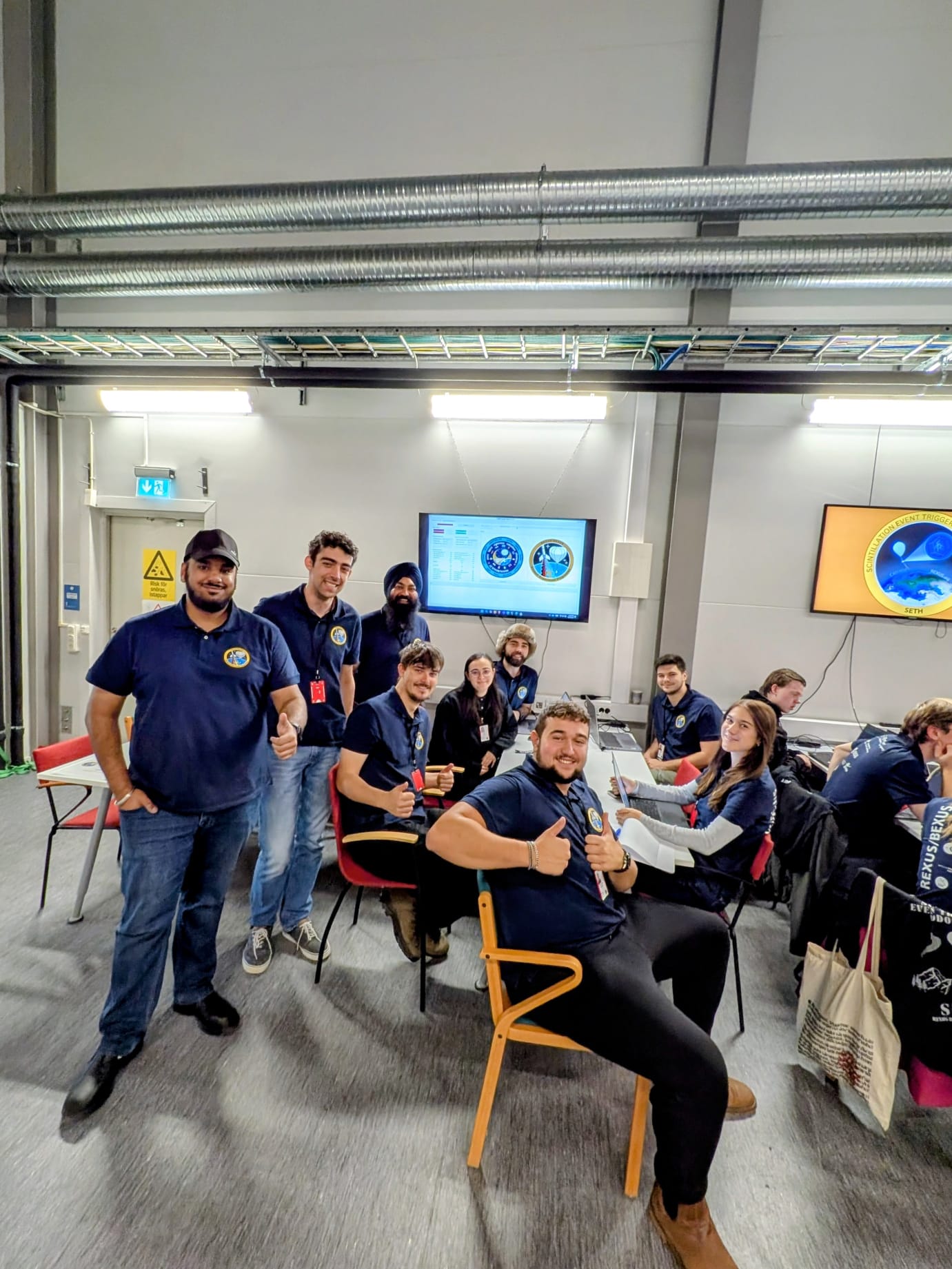
Esmée Menting, SSC BEXUS 37 Payload Manager, commended the group’s performance, stating:
“After collaborating online for an extended period, it was impressive to see how seamlessly the team worked together in person. They managed all on-site deadlines effectively and handled a critical subsystem dropout approximately 20 minutes before launch with remarkable composure. Instead of rushing decisions, the team stayed calm and systematically debugged the issue.”
Launch technician Ganesh Voggu also highlighted the team’s achievement, saying:
“Despite having no prior flight heritage, and as the first Canadian BEXUS team, [the team] demonstrated a clear understanding of what was expected throughout the campaign, and everything went seamlessly.”
Next steps for the SOBER team after their successful launch include processing the data to quantify satellite brightness and integrating it into sustainability indicators to assess the human footprint in orbit. This will help inform policy and scientific modelling on how to maintain dark, quiet skies. The team is also preparing for a follow-up mission to test new sensors and orbital testbeds in collaboration with their Canadian and European partners.
“The REXUS/BEXUS programme is realised under a bilateral Agency Agreement between the German Aerospace Center (DLR) and the Swedish National Space Agency (SNSA). The Swedish share of the payload has been made available to students from other European countries through a collaboration with the European Space Agency (ESA). EuroLaunch, a cooperation between the Swedish Space Corporation (SSC) and the Mobile Rocket Base (MORABA) of DLR, is responsible for the campaign management and operations of the launch vehicles. Experts from DLR, SSC, ZARM and ESA provide technical support to the student teams throughout the project. REXUS and BEXUS are launched from SSC, Esrange Space Center in northern Sweden.”