Accelerating Climate Education at the University of Waterloo
Climate change is reshaping the way communities plan, design, and build. Integrating climate change and sustainability into higher education is essential to prepare future professionals for a rapidly changing world.
In an effort to strengthen climate education across campus, the Waterloo Climate Institute launched the Accelerating Climate Education project, with support from the Sustainability Action Fund.
Collaboration From the Get-go
The project’s goal was to develop a series of five teaching tips for the Teaching Support and Innovation website and five professional development workshops. The tips and workshops were built around five key themes: sustainability education, climate pedagogy, teaching outdoors, using the campus as a living lab, and community partnerships.
To enhance existing work and promote collaboration, the Climate Institute established a working group consisting of members from:
The project also weaved in Indigenous perspectives to explore complex topics such as climate change, involving a land-based learning approach which focuses on a reciprocal connection with the land.
Building out the workshops
The Climate Institute offered the five professional development sessions between November 2025 and September 2026. Each workshop introduced teaching strategies and resources related to the project's themes, giving instructors opportunities to ask questions and explore ways to integrate climate education into their courses.
The program has helped build connections across campus and laid out the groundwork for integrating climate education into courses. The teaching tips connect people across the university and provide professors with easier access to climate-related resources, extending their impact beyond the University.
The Community Partnerships workshop explored how to integrate local partners in climate learning by engaging students in weekly community engaged project activities, addressing community needs in an academic setting. Students can work with nonprofit, grassroots or public organizations, connecting course learning outcomes to their community engagement.
The Introduction to Sustainability Education workshop provided higher-education instructors from different disciplines with access to resources for teaching and learning about sustainability education. The workshop explored pedagogy, the Sustainable Development Goals, practical examples, and brainstorming course revisions.
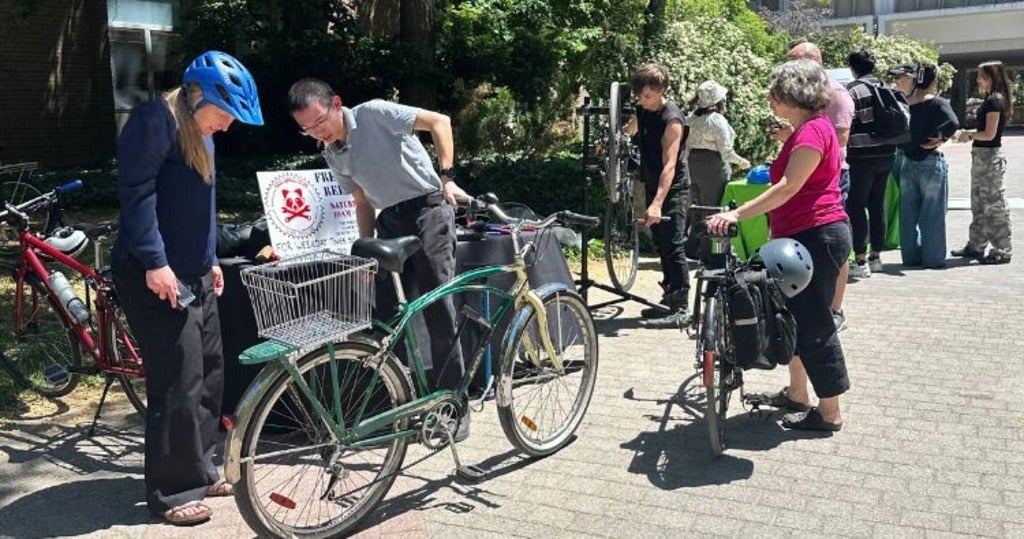
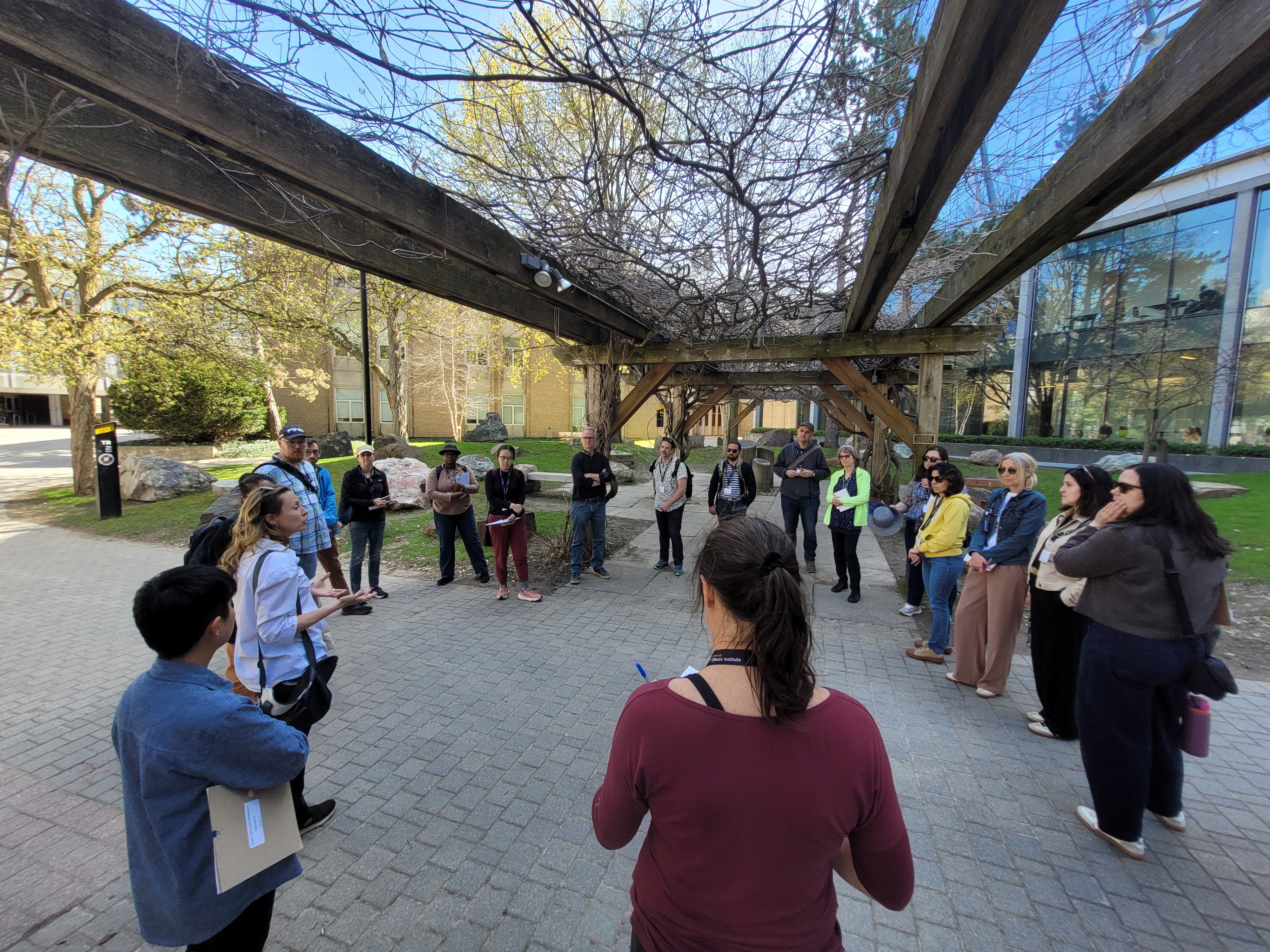
The Living Labs workshop included a campus tour demonstrating how instructors could use the University as a living lab through pilot projects, data collection, and climate change research. Examples of past living labs projects include Dr. Bruce MacVicar’s class studying campus hydrology. Dr. Jen Clary-Lemon explored how birds collide into campus buildings.


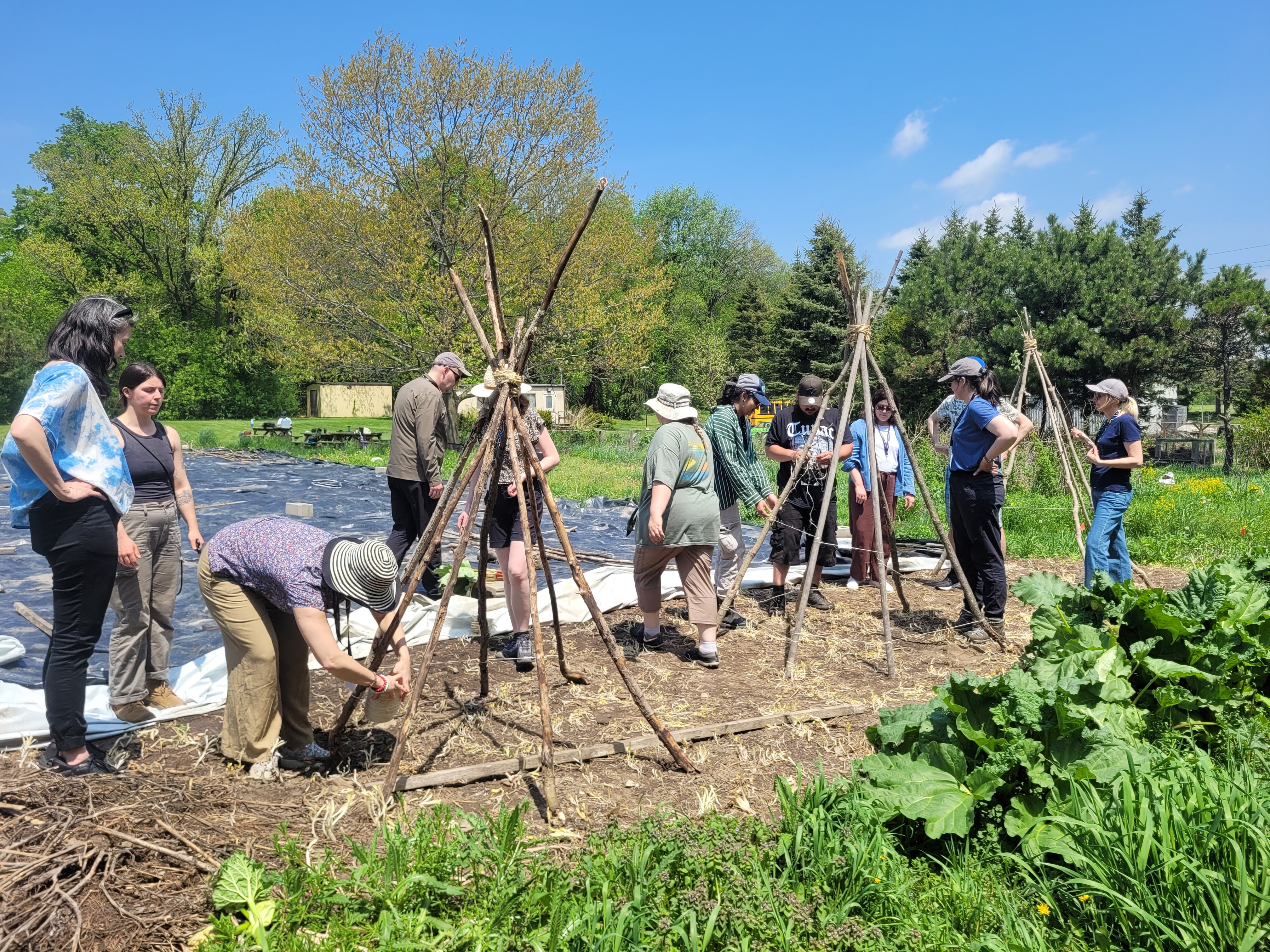
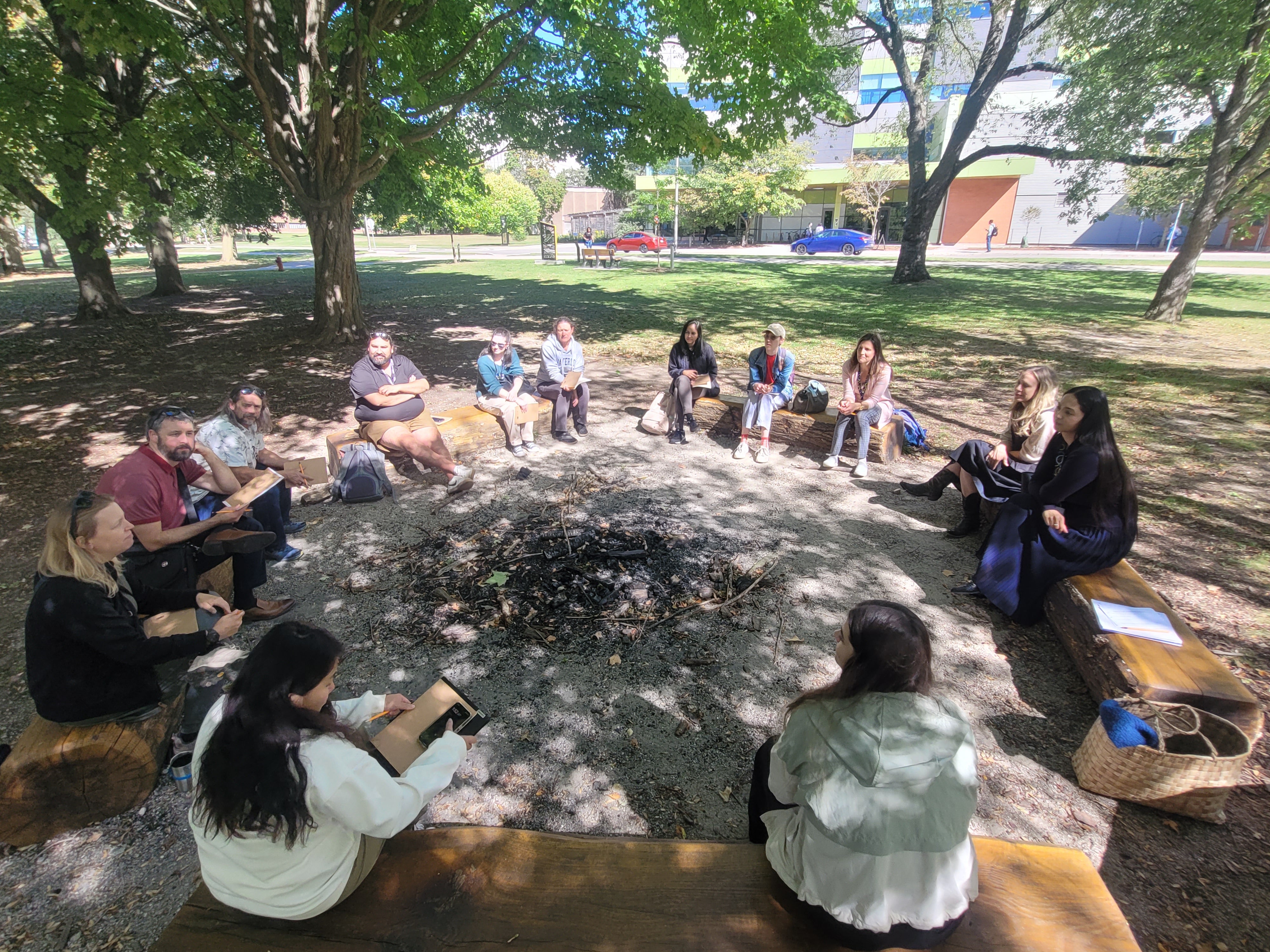
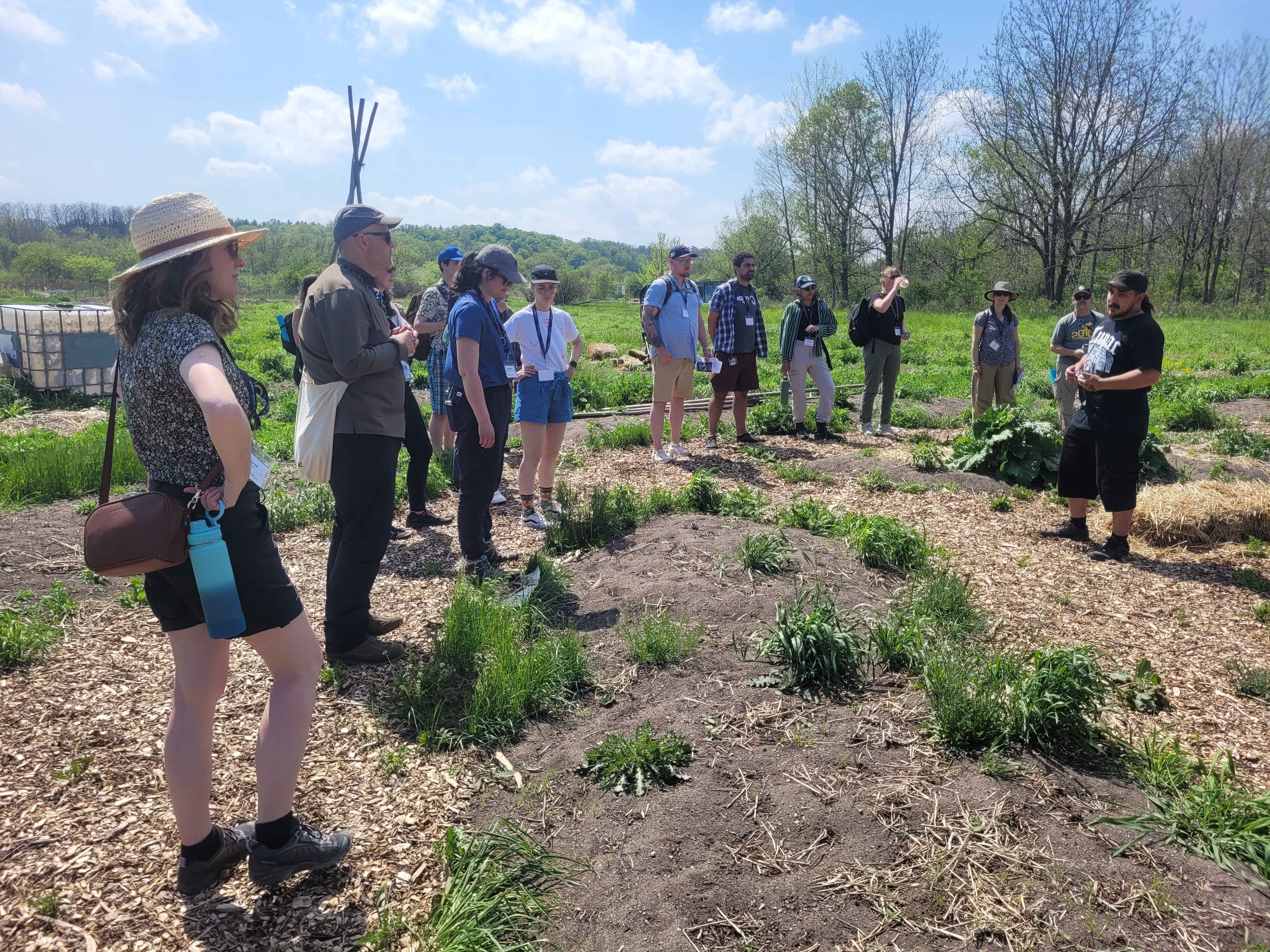
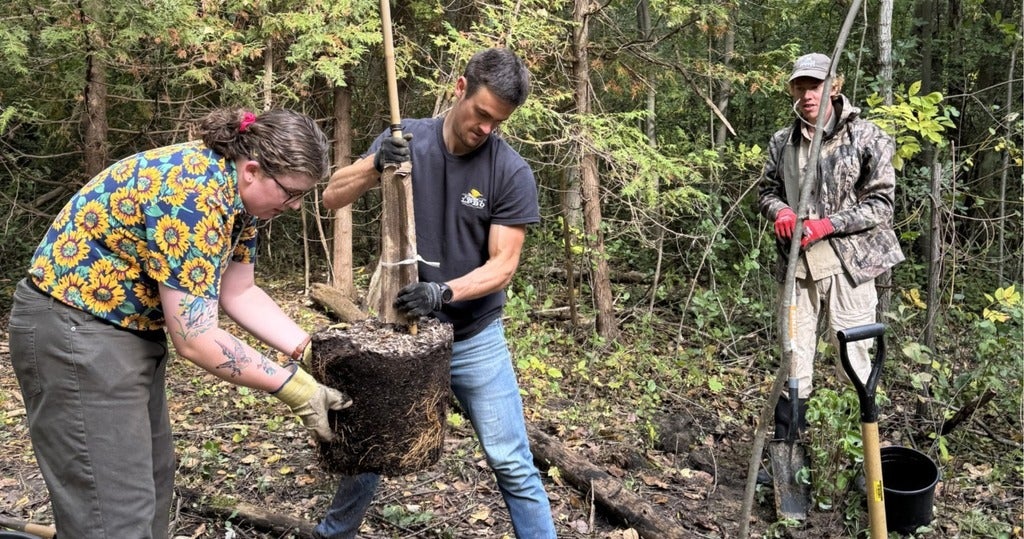
The Outdoor Learning workshop included a guided bus tour to four local sites. The tour introduced participants to local community partners such as the City of Kitchener, City of Waterloo, Wishakotewinowak and Tekanonhkwa. The goal of the workshop was to provide access to resources for planning outdoor learning opportunities and land-connected activities that instructors could incorporate into their courses.
The Climate Pedagogy workshop focused on effective climate education practices, highlighting how educators can foster students’ connections to nature and local climate action. It featured interactive activities that explored strategies for connecting students with nature and community climate action initiatives. The latter half of the event featured a curriculum clinic where instructors collaborated to review and redesign their courses to integrate climate education.
Program Impact
In total, 112 instructors attended the workshops, gaining knowledge of sustainability and climate change issues, and exploring resources to support curriculum development. The initiative received positive impact from participants and created opportunities for community-based research.
Through collaborative curriculum design and partnerships, the Accelerating Climate Education project is helping instructors connect classroom learning to real world climate challenges. More information can be found on the Accelerating Climate Education website.
Explore more stories in our sustainability news feed or check out recent news stories below →