Don't slack on the salmon
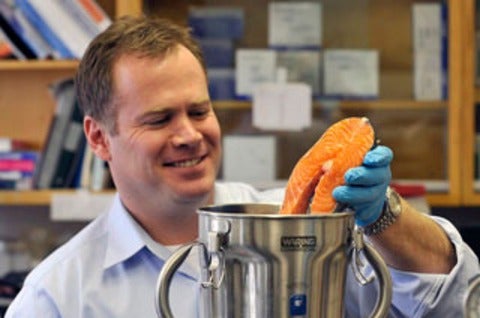
The assistant professor in kinesiology develops innovative ways to uncover how much Omega-3 Canadians are consuming. He's testing not the food they eat, but the blood in their veins.
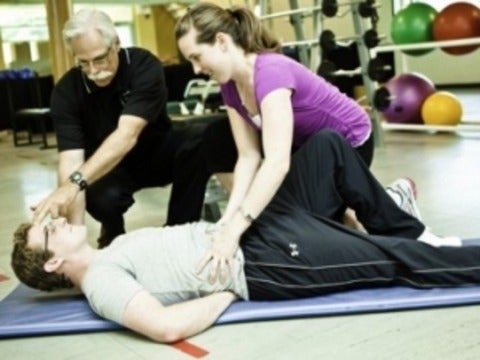
McIlroy’s team is working on development of novel exercise programs and equipment geared to stroke victims.
The DREAM project has developed a new series of learning modules and resources with an aim to improve how community service providers support and include persons living with dementia in their wellness programs and services, especially those related to physical activity and healthy eating.
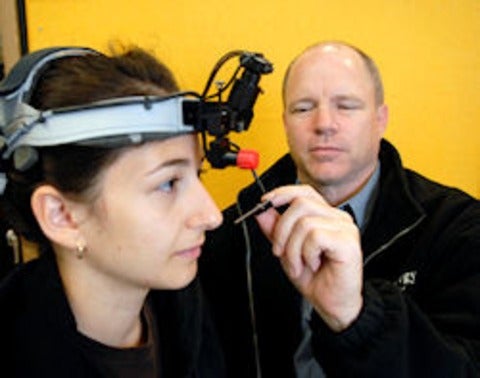
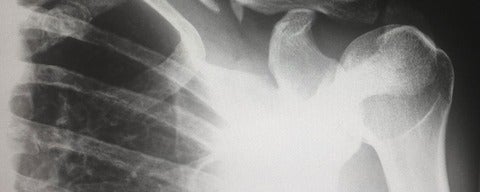
Dr. Nikolas Knowles, a researcher in Kinesiology and Health Sciences, is studying a new imaging technology to assess shoulder osteoarthritis.
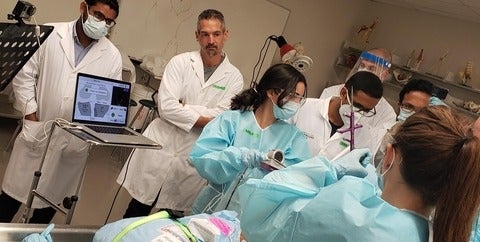
The Faculty of Health’s Human Anatomy Laboratory, which is housed in the Department of Kinesiology and Health Sciences, offers the perfect location for surgeons to test procedures on cadaver donors.
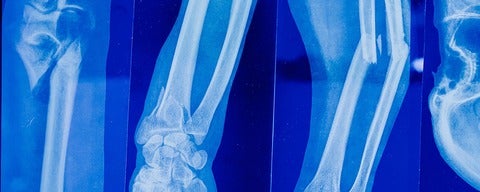
Engineering and Health experts at the University of Waterloo are collaborating on research that may lead to breakthroughs in preventing a serious, all-too-common injury — broken bones.
Researchers have linked the fitness of elite soccer players to the positions they play. The ability to make this assessment can help coaches regulate individual training loads based on player position.
Synthetic cannabidiol, a non-psychoactive compound also found in the cannabis plant, appears to prime the innate immune system of cells, potentially offering protection against pathogens such as SARS-CoV-2.
Remote monitoring of health-related behaviour with wearable sensor technology is feasible for people with complex health conditions, shows a recent University of Waterloo study.
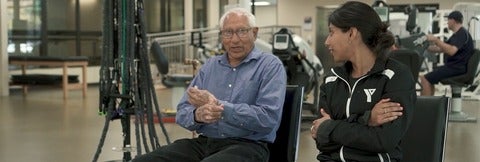
Many things change when a person is diagnosed with dementia, but one thing that doesn’t have to is the ability to exercise.