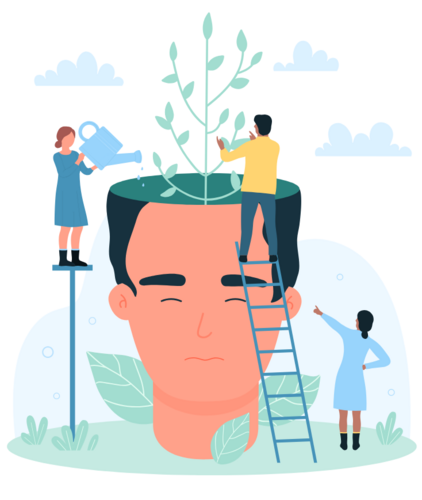
University life can sometimes feel overwhelming with all the new responsibilities and expectations, but it’s also really exciting. It’s an opportunity to take steps towards the person you’ll become after graduation and learn new life skills along the way.
You’ve probably already started to notice that things won’t get done unless you do them. From managing your finances, grocery shopping, keeping your laundry whites... white, staying organized, there are a lot of important life skills you might have wished you learned sooner.
Skill #1: Prioritize your mental and physical self
Taking care of yourself not only involves new responsibilities but recognizing the importance of maintaining your mental health and well-being. Listen to what your body needs.
Taking proactive steps to care for your health.
Did you know that AccessAbility Services offers academic accommodations, such as classroom and testing accommodations, to students with known or suspected disabilities and disabling conditions (e.g. mental health disability, injuries, medical conditions, impacts of trauma)? If you believe you may require academic accommodations, register with AccessAbility Services.
Recognizing when you need a break.
Adulthood can bring increased demands, so setting boundaries and taking care of yourself will help you be your best self. Small changes can have a big impact on building a healthy routine. Consider making time for sleep, socializing with others, moving your body and maintaining a work-life balance. Not sure where to start? Warrior Rec offers programs, clubs, e-sports and more!
Maintaining healthy relationships.
Checking in with yourself and those around you is a key part of adulting. Changes and transitions can be difficult, so it’s important to take care of yourself and your mental health. Remember, if you or someone you know is needs support contact Campus Wellness, Counselling Services.

Skill #2: Make time for healthy habits
You may find yourself having to take on a bunch of new responsibilities to make your day-to-day life run a lot smoother. Making time to learn lifelong skills will help build your independence now and prepare you for what comes next!
Making time for healthy eating:
Between classes, studying, and social plans, it can be tough to prioritize nutritious meals. Try setting aside time each week to plan or prep simple dishes that fit your schedule. If cooking isn’t your thing, explore campus meal plans or grab balanced options from UW Food Services; our menus are dedicated to helping you make Fresh & Balanced choices through our Food Guide Friendly Commitment with Health Canada. Small, consistent choices make a big difference in how you feel and perform every day.
Maintaining your living space:
A tidy environment can make your week feel so much lighter. Consider setting a dedicated day for laundry or doing a quick “power hour” clean to reset your space. Living with roommates? A shared cleaning schedule helps keep things fair and stress-free. Whether you’re fixing small issues or just tidying up, maintaining your space helps you feel more at ease and focused. Explore the different household maintenance tips and some tips on how to have a positive relationship with your roommate.
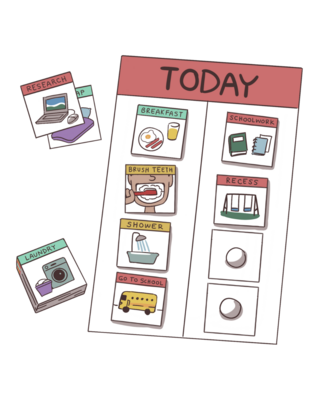

University helps you learn, but adulting helps you realize how much your daily habits help you grow and shape who you become.
Skill #3: Explore personal growth
Taking charge of various aspects of your life, can mean learning about yourself and new life skills to make informed decisions that will impact your present and future. Understanding who you are, what your values and beliefs are will help you to understand what really matters to you and help you to reach your goals.
Get familiar with supports:
Take advantage of the different resources available to help you reach your goals. Whether it’s to improve your study skills or establish leadership abilities, the Student Success Office will help you to develop lifelong skills.
Learn about your skill sets:
It’s also important to understand how you perform at your best. Find out your strengths and weaknesses in learning skills or book time with an upper-year Peer Success Coach. They can help you create a plan and strengthen your study skills.
Connect with others:
Take time to step out of your comfort zone and connect with new people. Building relationships with those around you can strengthen your network and open up valuable opportunities in the future.