
Overview
We're building a healthier, more sustainable food system.
Our food systems have a big impact on organizational sustainability, as food has significant environmental impacts at every stage: from the land and water needed for produce and livestock, the carbon emissions associated with transport, to the methane from decomposing food waste.
The food choices we make everyday can make a difference. Incorporating more plant-based foods into our diets, choosing local products and those with third-party environmental certifications, and using reusable packaging rather than single-use will all contribute to a healthier, more sustainable campus. Learn more about some campus initiatives, championed by Food Services:
Supporting SDGs




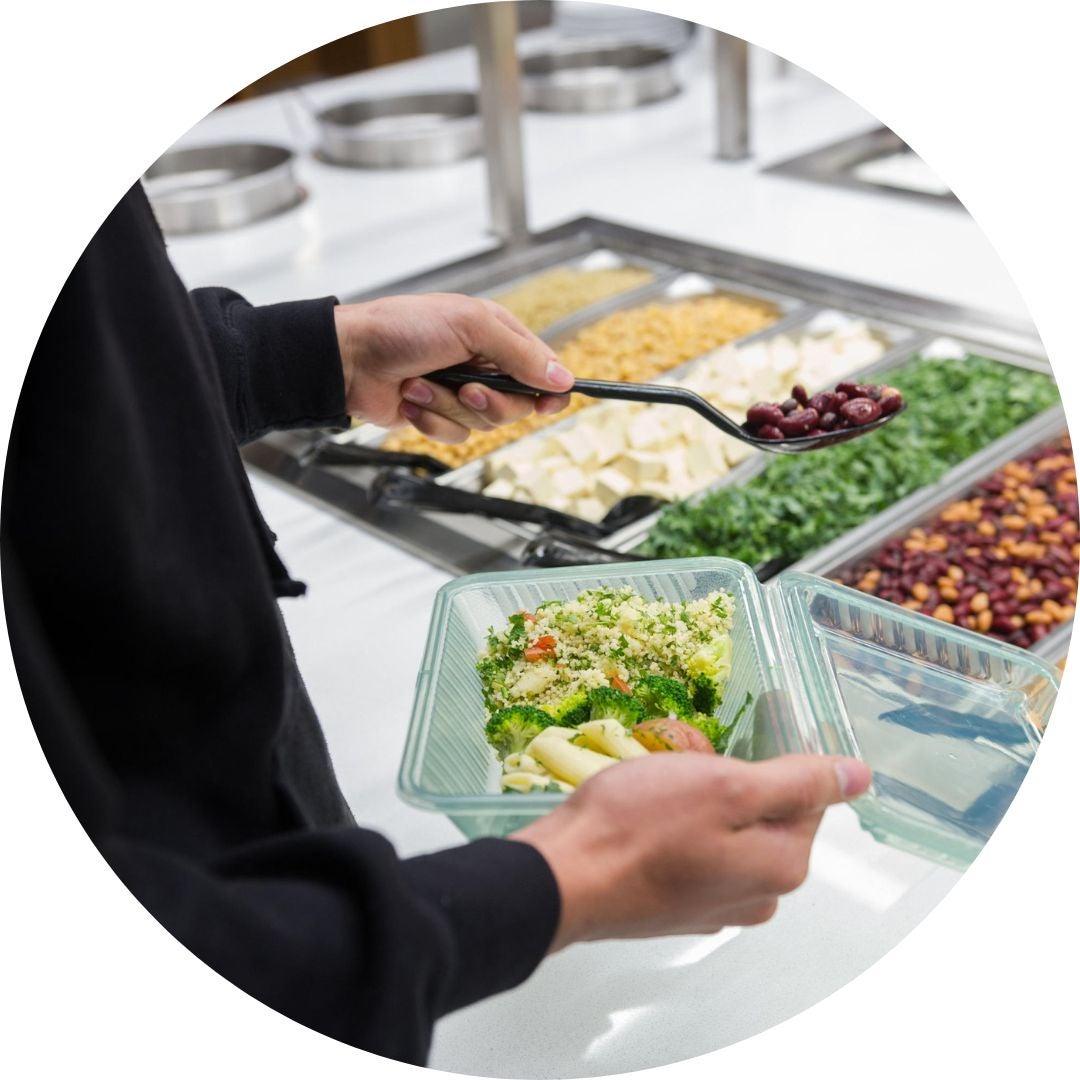
Plant-based options
Incorporating more vegan and vegetarian options in your diet is beneficial to your health, finances, and the environment. Animal food products have a disproportionately large environmental footprint compared to plant-based foods. At all their outlets, Food Services continues to expand the proportion and variety of plant-based options on their menus!
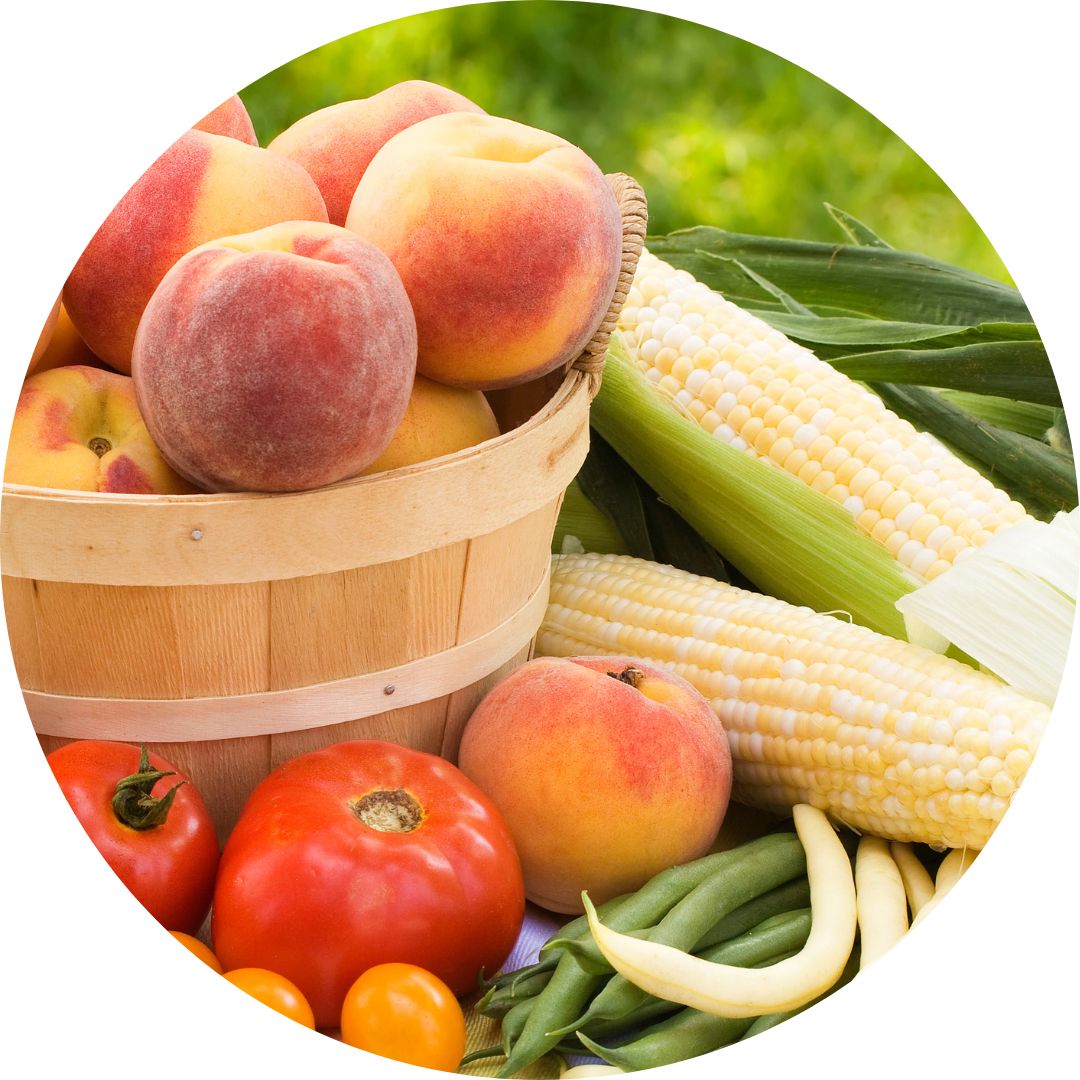
Local food purchases
Food Services purchases as much food locally as possible, supporting the regional economy and minimizing the environmental impact from transporting food long distances. Much of their local produce comes from the Elmira Produce Auction Cooperative (EPAC).

Eco-container and eco-mug
Food Services operates two reusable container programs to eliminate single-use packaging from landfill. The eco-container program is available in all residence cafeterias, where students can purchase a container for $10 for unlimited use throughout the term. The eco-mug program runs across campus, where students and employees can bring their own clean mug to coffee/tea outlets and save 10-20 cents!
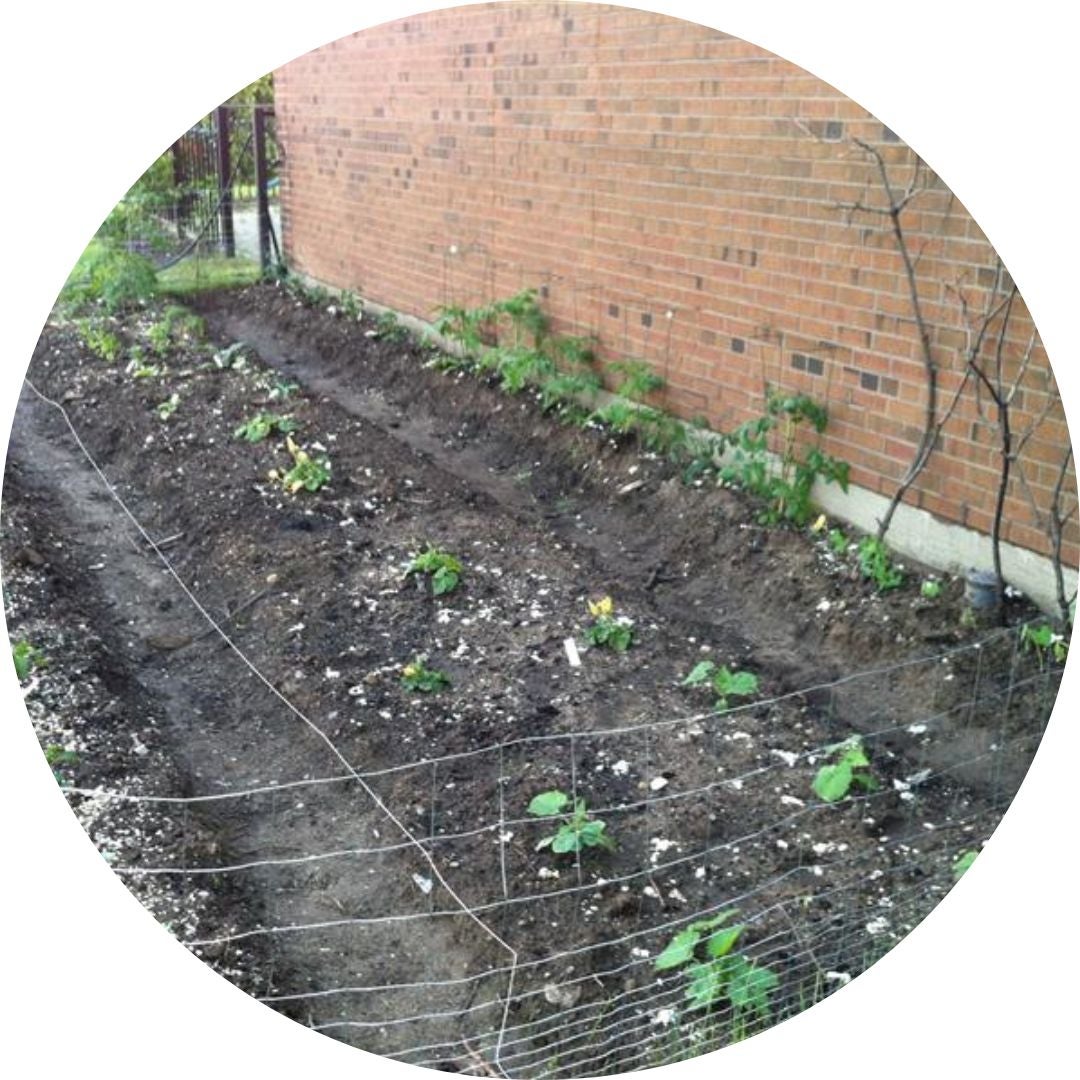
Community gardens
Food Services manages a community garden next to the University Club, growing a variety of tomatoes, peppers, herbs and spices, as well as a number of fruit trees. Throughout the year, their harvest is used in meals served at the University Club, as well as the V1 and REV residence cafeterias!
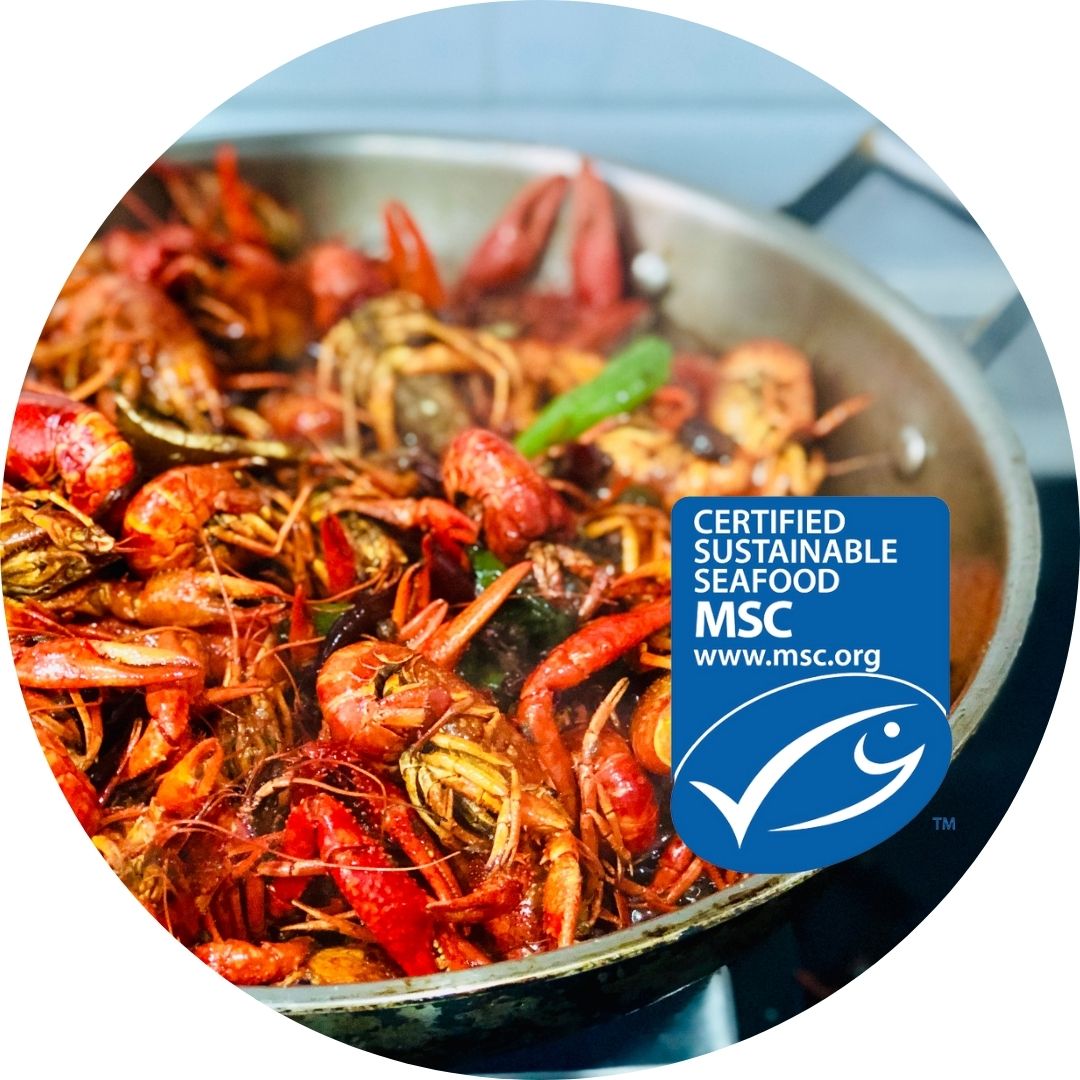
MSC-certified seafood
The overexploitation of marine and freshwater fish stocks has led to a decline in fish populations at a global scale. Marine Stewardship Council (MSC) certified seafood supports sustainable fishing practices and is exclusively served by Food Services across campus.

Community resources
There are also many local initiatives supporting sustainable food, such as:
- Farmer’s Markets in Waterloo Region
- Local community gardens
- Produce availability guide from Foodland Ontario
- Food waste diversion programs: