Waterloo-Thailand partnership transforming student experiences
By: Emily Totzke
A growing partnership between the University of Waterloo and Suranaree University of Technology opens the door to transformative international experiences for students.
Jeffrey Ling, a third-year Chemistry student, is one of the first Waterloo students to participate in a new exchange partnership between the University of Waterloo and Suranaree University of Technology (SUT) in Thailand. Launched in 2024, the agreement allows Waterloo students to complete work terms at SUT’s industry and institutional partners, while SUT undergraduates come to Waterloo for fully funded research internships.
Ling, a self-described “homebody” from the Waterloo region, never expected to travel for a work term. He applied almost on a whim with only his résumé. It wasn’t until he spoke with his dad, who grew up in Myanmar, that he realized it was more than a job abroad.
“When I told my dad I applied for a job in Thailand, his eyes lit up. He said, ‘You should do that. Your uncle lives there. It’s a great opportunity.’” Ling says.
Ling then withdrew his application and rewrote a thoughtful cover letter that connected his family history to his desire to work in Southeast Asia. Within weeks, he got the job and was preparing for Thailand.
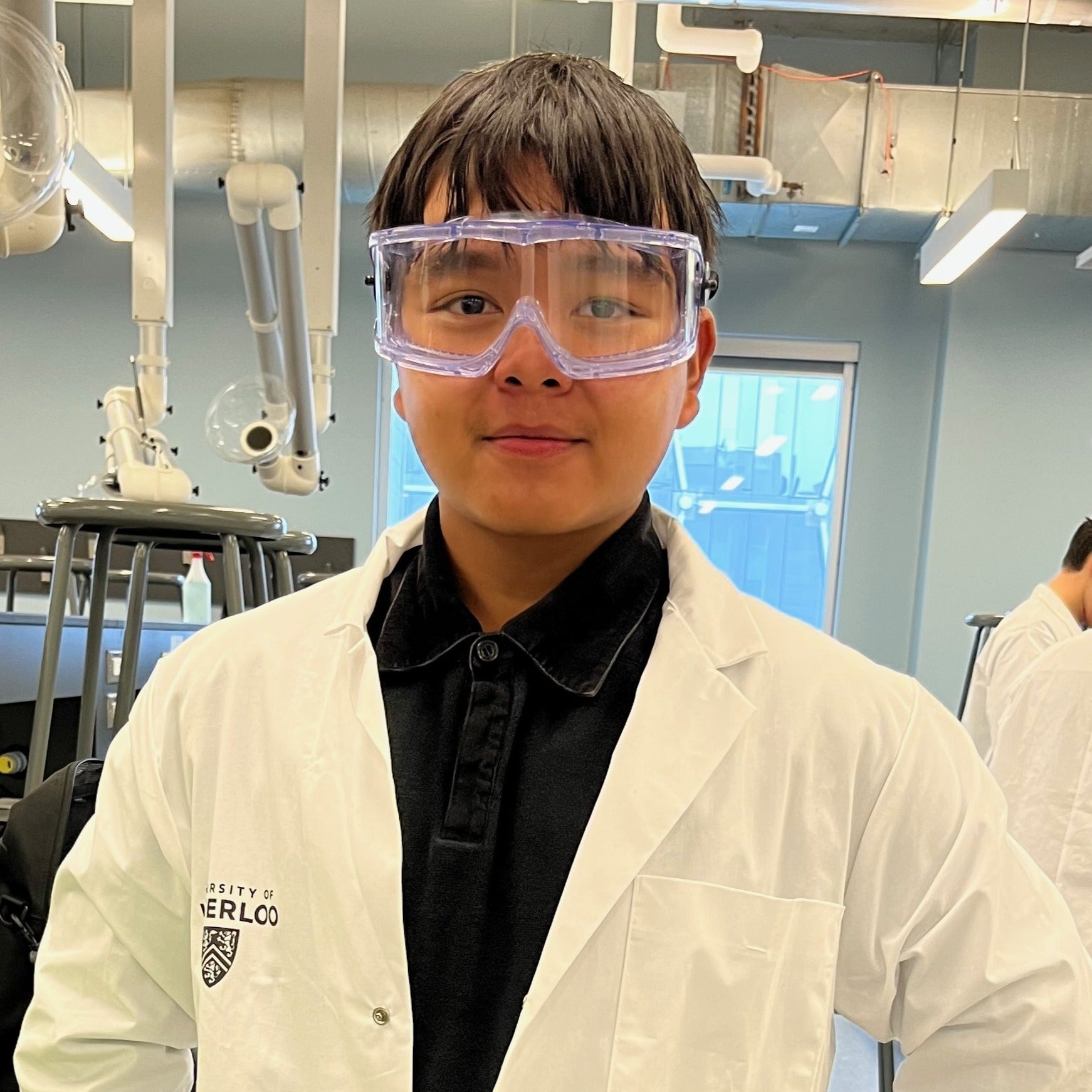
Jeffrey Ling, Chemistry co-op student
Meanwhile, in Waterloo, Thai students Nutnicha Suvittawat and Siripanchara Promnil were embarking on a similar adventure of their own. Both arrived in Canada through the same SUT partnership, joining engineering research groups on campus for 12-week placements.
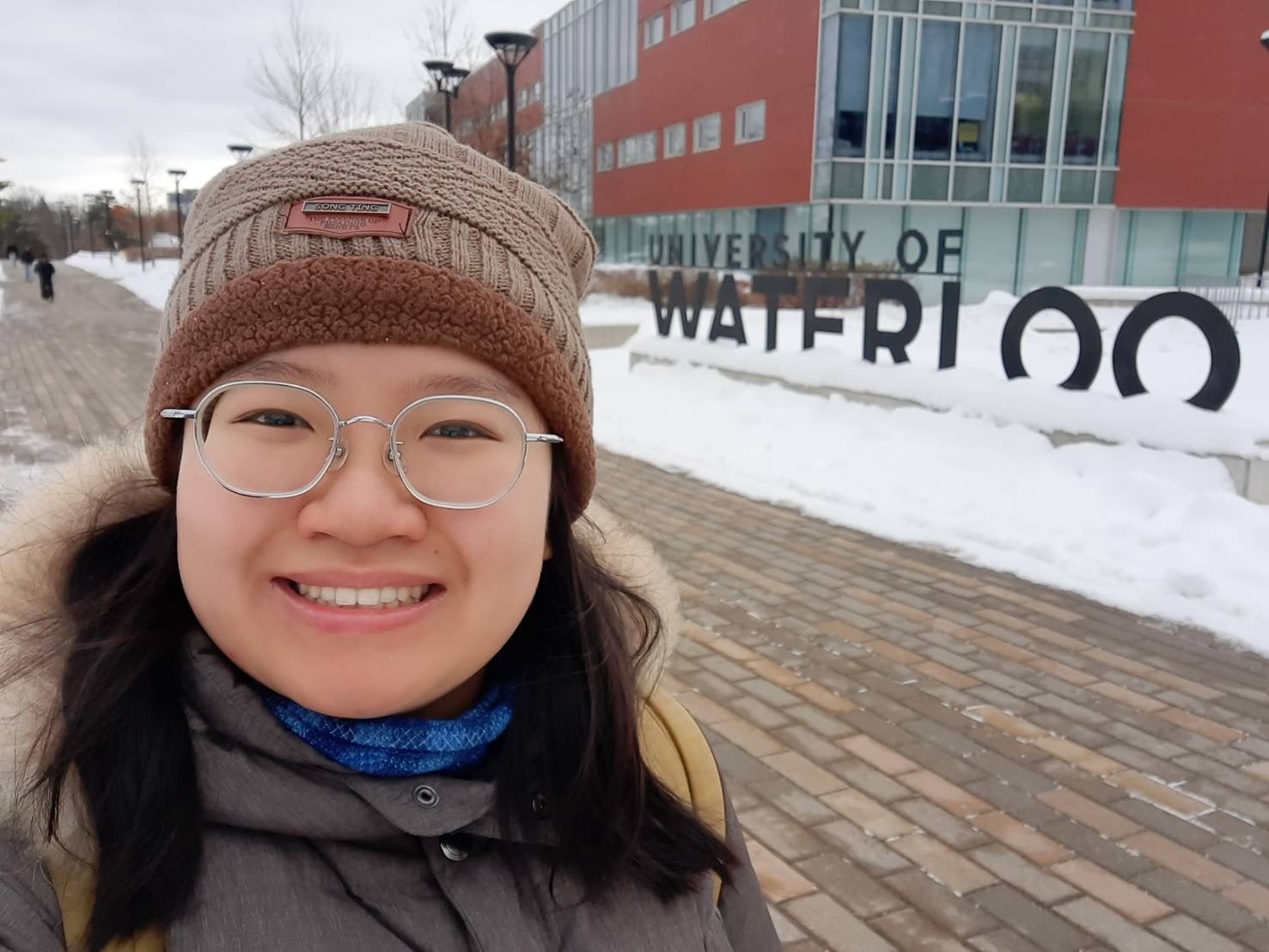
Nutnicha Suvittawat, Suranaree University of Technology student
Suvittawat contributed to the WatBus autonomous bus project in the Mechatronics Vehicle Systems Lab at Waterloo. Her work included assisting with LiDAR‑camera calibration, data labelling and training a “you only look once” (YOLO) model to help vehicles detect objects in poor weather. She was drawn to Waterloo for both its reputation and research culture.
Coming from labs where three to five graduate students typically share space, she was struck by Waterloo’s larger, more collaborative environment where students and faculty regularly troubleshoot experiments or refine ideas together.
“That collaborative and supportive culture is something I greatly value,” Suvittawat says.
Promnil worked in Waterloo’s RoboHub to guide a Clearpath Jackal mobile robot through indoor spaces and map mmWave signal coverage. She wrote Python scripts, collected and analyzed data and learned systems like ROS2 and SLAM for the first time.
The technical skills transformed her, but adapting to life in Canada challenged Promnil. She faced the transition with courage and vulnerability, learning to sit with discomfort long enough to grow.
“The biggest challenge was fighting with my own heart,” Promnil says. “Living abroad is very different from visiting as a tourist. You have to try to learn and understand yourself a lot—what you feel, what you need and how to make yourself live abroad happily.”
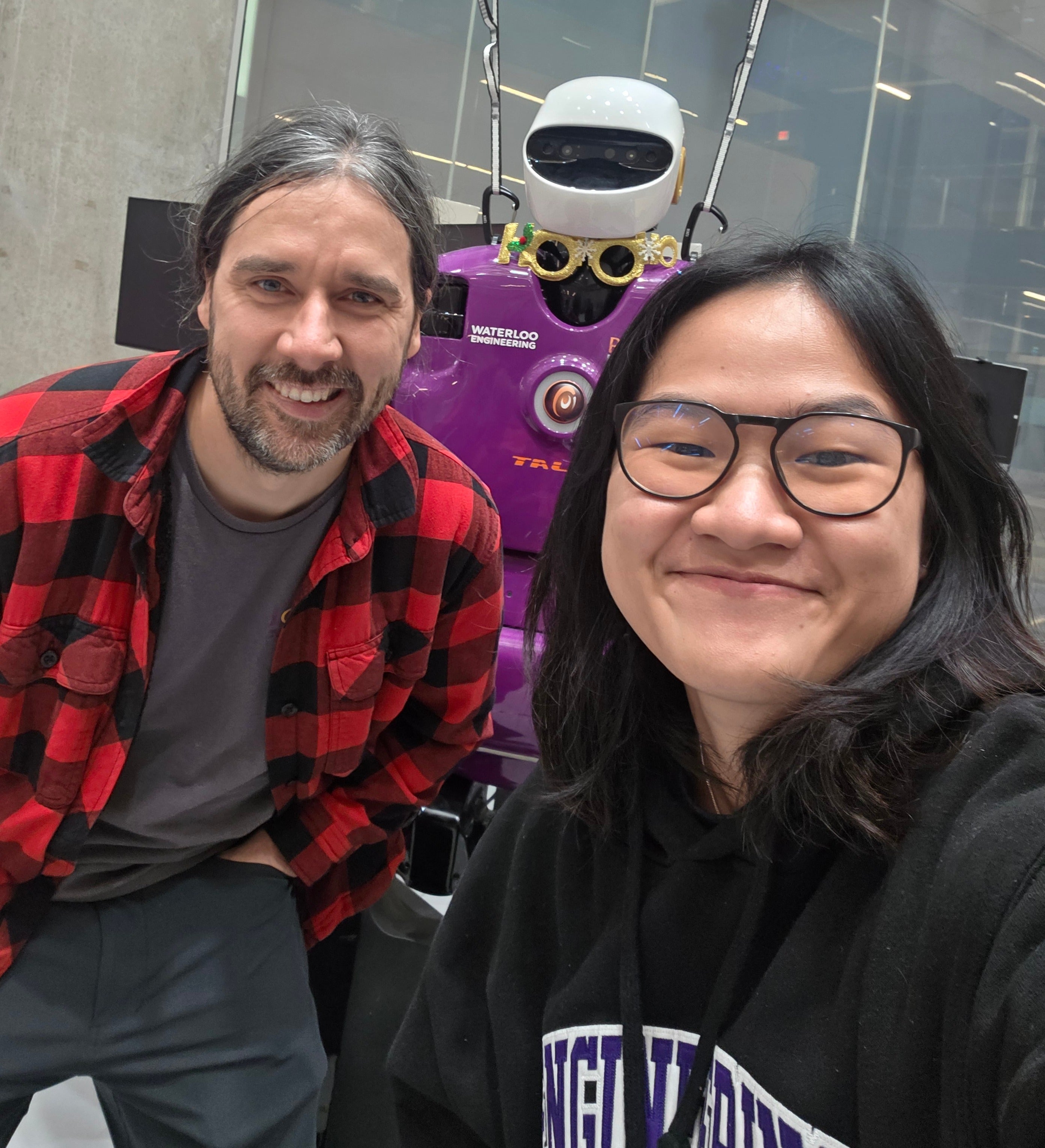
Siripanchara Promnil, Suranaree University of Technology student
She ultimately describes her time in Canada as overwhelmingly positive. The experience broadened her perspective, strengthened her confidence and reaffirmed her dream of becoming a professor who might inspire others to take similar risks.
In Thailand, Ling was living through a similar process of self-discovery. Though he didn’t speak Thai, locals often assumed he was from the region, which created a sense of belonging he hadn’t expected.
It didn't feel like culture shock. It felt like culture rediscovery.
During his work term in Thailand, Ling worked at the Centre for Plant Genetic Conservation, a royal initiative focused on sustainable development and biodiversity. His days involved plant tissue culture work, experimenting with different growth media and navigating communication barriers with colleagues who didn’t speak English. He leaned heavily on the nonverbal communication skills he had unknowingly practiced while working with chefs that spoke Mandarin at a Chinese restaurant back home.
“I had to learn how to communicate with people even when we didn’t share a language,” he says. “That skill helped me so much in Thailand.”
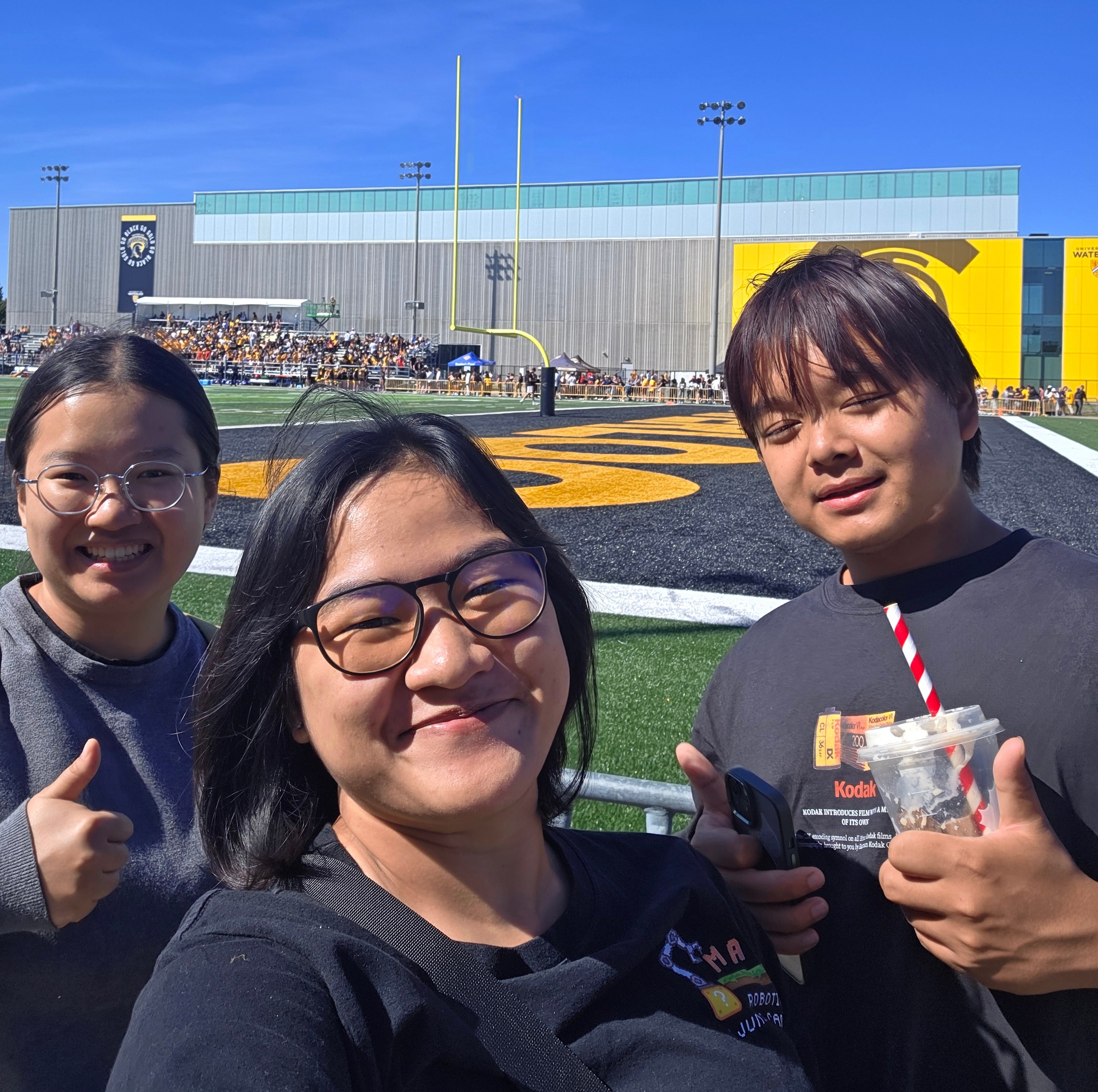
Nutnicha Suvittawat, Siripanchara Promnil and Jeffrey Ling
As the Waterloo–SUT partnership continues to expand, it’s clear that the program isn’t just about sending students abroad. It’s about building a global ecosystem where learning flows both ways, cultures connect and young professionals gain the tools to thrive in an increasingly interconnected world.
Whether in a Waterloo lab or a Thai conservation centre, the exchange program ultimately leads students to return home more adaptable, more confident and more globally aware.