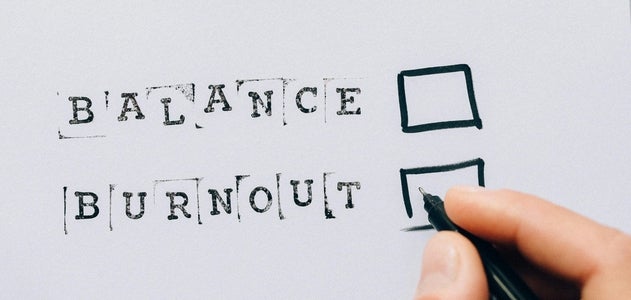
The American Psychological Association’s Dictionary of Psychology defines burnout as the “physical, emotional or mental exhaustion, accompanied by decreased motivation, lowered performance and negative attitudes toward oneself and others”. The experience of burnout has become increasingly common in recent years. Burnout can seep across our lives in a variety of ways, disrupting wellbeing, academic and work success, as well as mental and physical health. Burnout is prevalent in post-secondary environments, with 40% of employees and 80% of undergraduate students experiencing burnout. Graduate student numbers were not available.
Below are some resources to prevent burnout and/or support you during your recovery.
The Centre for Innovation in Campus Mental Health has a variety of resources on Burnout, including two info sheets Stress and Burn-out for Front-line StaffandBurnout Recovery: A quick guide to help on your journey.
Additional resources you might find helpful:
- How to recognize burnout symptoms (verywellmind)
- Breaking down burnout in the workplace (Mayo Clinic)
- Burnout Prevention and Treatment (Helpguide.org)
- Career Burnout (Centre for Addiction and Mental Health
You may also enjoy the Community Well-being blog post, Employee Burnout in Higher Education.