Blog

Filter by:

Limit to posts where the title matches:
Limit to posts where the date of the blog post:
Date range
Limit to posts tagged with one or more of:
Limit to posts where the audience is one or more of:

Researchers have been exploring the power of expressive writing as a tool to support well-being and recovery since the mid 1980’s (Pennebaker & Evans, 2014). Expressive writing (writing that focuses more on thoughts and feelings than on events) has been shown to reduce anxiety, increase emotional regulation, manage depression, help individuals process trauma and negative experiences, improve student grades, lower stress, boost the immune system and lower blood pressure (Sutton, 2018).


In 2022, Woodford et al. released a series of reports on the experiences and perceptions of 2SLGBTQ+ students on university campuses in Ontario. Findings indicate that while 17% percent of overall students reported being verbally threatened, bullied, or intimidated and 14% overall reported being sexually harassed or assaulted, these rates were considerably higher for students belonging to 2SLGBTQ+ community, with trans and nonbinary students being at the highest risk.

A joint research project between Aalto University School of Business, in Finland and

Center for the Studies of Information Resources, in China explored the impact of smartphone use on a number of indicators: academic performance, sleep, nomophobia (fear of being unavailable to mobile phones), and behaviour.

There are close to 5 billion smartphone users worldwide (Statista, 2024). The average person spends 4 hours a day on their phone (Statista, 2023), and almost half of all smartphone users describe themselves as having a smartphone addiction (Ratan et al., 2022). Unsurprisingly, almost all university students have a smartphone (Huey & Giguere, 2023). In people aged 25 and under, 25% of them meet the criteria for problematic smartphone usage (Sohn et al., 2019).

It’s March and the sounds of Spring are in the air. By sounds of Spring, we mean the excessive honking of geese as they return from their winter vacays. Watch your step. 

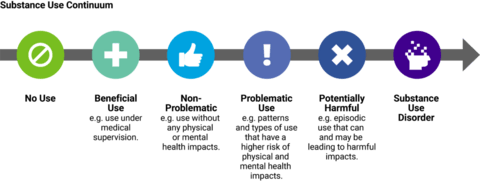
As we head into the weekend and one of the most celebrated holidays around the world (St Patrick’s Day), it is a great time to talk about substance use health. 

Whether it’s green beer, regular beer, tobacco, caffeine, cannabis, or illicit drugs, substances are a fact of life.  In Canada, it is estimated that 78% of people over the age of 15 regularly use substances of some kind. With substances playing a consistent role in our lives, it’s important that we develop healthy relationships with them.

Substance use and mental health concerns among graduate students has been growing for some time. Allen, et al. (2017) explored how mental health symptoms and substance use varies between professional doctoral (engineering and business), academic doctoral (arts and behavioral science), and master’s students. 

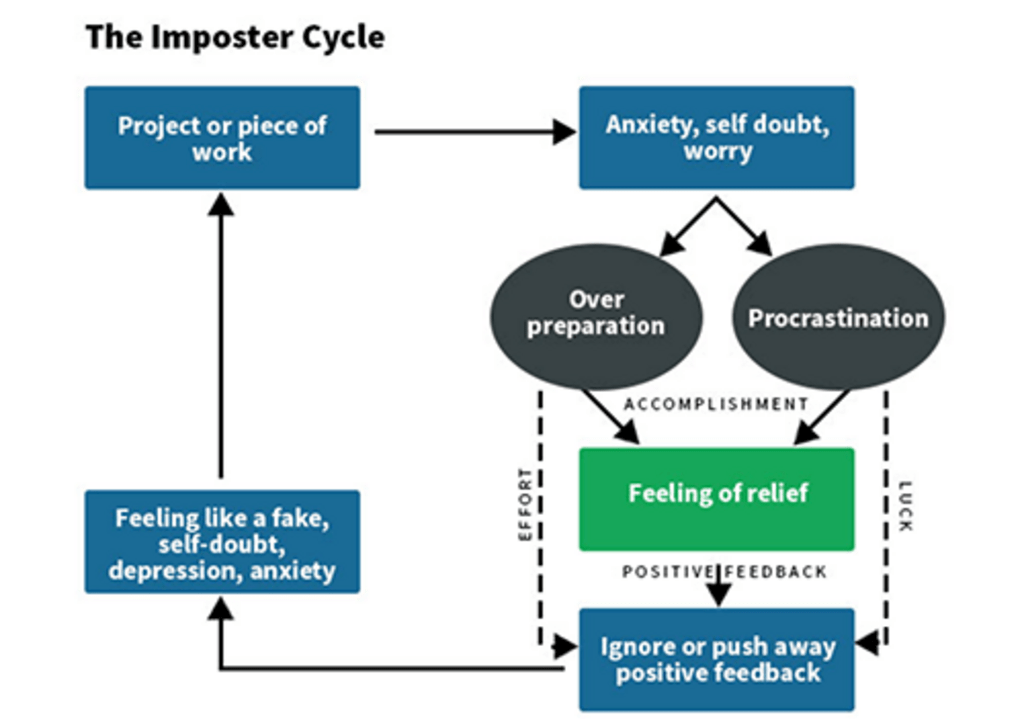
Concerns about the impacts of imposter phenomenon on students and employees in higher education has been the focus of concern (and research) for some time. In recent years, the narrative around imposter phenomenon has begun to change. In this month’s newsletter, we will explore historical perspectives as well as the changing narrative around imposter phenomenon.

It’s Valentine's Day -- the perfect time to talk about sexual health! No this isn’t your cringe high school health class; however, most of us feel somewhat bashful about discussing sexual health. Because of the embarrassment and stigma about sexual health, many people delay seeking treatment resulting in larger and more impactful problems. 

This month, our spotlight shines on a pivotal piece of research that delves into the sexual and reproductive health experiences of international students in Western universities. Authored by a dedicated team from the College of Nursing at the University of Saskatchewan, Canada, the study presents a critical literature review spanning over two decades of research. It uncovers the challenges international students face, from language barriers to navigating healthcare systems and cultural differences, highlighting the gap in comprehensive sexual health knowledge and the reliance on informal sources for information.