Future students

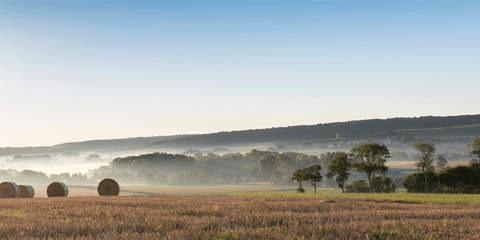
Global biodiversity is in rapid decline, with an estimated 1 million species at risk of extinction. The Nature Restoration Regulation (NRR), which came into effect in 2024, sets binding targets for European countries to restore at least 30% of their continent’s land and seas by 2030. The NRR narrowly passed into law and faced significant opposition, driven by a widespread campaign of disinformation through social media and other channels. Now that the regulation is in effect, effective implementation will not occur without a stakeholder engagement strategy. Florencia Panizza, a recent graduate from the Master of Environment and Business, identified stakeholder collaboration approaches for the French agricultural sector to support the implementation of the EU Nature Restoration Regulation.

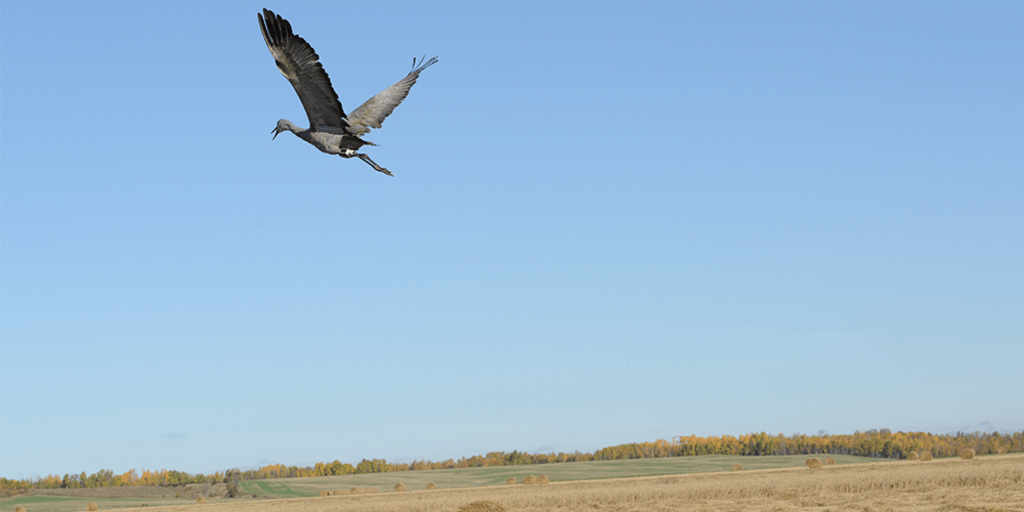
Canada’s eastern boreal forest supports a wide diversity of wildlife, including sandhill cranes. This migratory bird is a species of conservation concern and uses the eastern boreal forest of Ontario and Quebec for breeding. Kiaunna Lee, a recent graduate of the Master of Environmental Studies program, used high-resolution satellite telemetry data to assess how land cover and land use influenced breeding habitat selection of 42 sandhill cranes in Ontario and Quebec.

Community engagement is a critical component to advancing local environmental issues. Traditionally, a lack of engagement was attributed to a community’s deficiency of knowledge or understanding. However, the opportunity for community members to interact with an issue in a sensory and emotional format has shown to foster curiosity, interest, and empathy. This interaction can be accomplished through the process of photo-elicitation, where participants submit photographs and engage in dialogue around a topic, including environmental issues. Beth Grant, a recent graduate of the Master of Environmental Studies program, investigated how photo-elicitation can improve public perception and engagement, using Hamilton Harbour as their study area.

The Master of Economic Development and Innovation program exposes students to the spectrum of contemporary economic development policies and practices enacted at the local, regional and national scales by a range of public, private and not-for-profit agencies. For ECDEV 602, MEDI students worked in teams to create their own unique vision for the future of R+T Park, one of Canada’s largest, most successful innovation districts.

Wednesday, December 10, 2025

Navigating Flood Risk

Shaieree Cottar, a recent PhD graduate, researched climate change adaptation and Canadian policies related to disaster recovery, managed retreat and resilience building against hazards. In a recently published article, Cottar completed a longitudinal study analyzing policy changes in the City of Gatineau’s flood management plan between 2014 and 2019, as well as the post-buyout land use decision-making process.

Gurpreet Singh, a PhD Candidate in Sustainability Management, is researching the environmental impacts of space activity. Singh and his international student-led team was selected for flight through the REXUS/BEXUS programme. The project, S.O.B.E.R. – Space Object Brightness Evaluation and Reference, is a sensor that can measure the brightness and thermal signatures of satellites and space debris.  

Wednesday, October 8, 2025

A treat for our tastebuds and for us

Under bright autumn skies and the buzz of conversation, the Faculty of Environment community gathered on the EV3 Green for its annual Fall Food Truck Social; a celebration of connection, conversation, and great tastes.

For over a decade, Co-operators and Farm Mutual Re have partnered with the Faculty of Environment to advance flood preparedness and climate adaptation across Canada. Through applied research, innovative tools, and student mentorship, they are helping communities build resilience to climate hazards. Their collaboration demonstrates how industry and academia can work together to create lasting, equitable impact. They are the 2025 Friend of the Faculty Award winner.