Monday, October 27, 2025 (all day)
Tuesday, October 28, 2025 (all day) Wednesday, October 29, 2025 (all day) Thursday, October 30, 2025 (all day) Friday, October 31, 2025 (all day)
Quantum Innovators is a five-day workshop offered by the Institute for Quantum Computing (IQC) since 2012 bringing the most promising postdoctoral fellows in quantum information science and technology together.
Quantum Innovators 2025 will take place from Monday, October 27 to Friday, October 31. Sessions will cover computer science, mathematics and theory as well as science and engineering, with participants welcome to join one or both streams.
Location
Quantum Innovators will take place on-campus at the University of Waterloo in Waterloo, Ontario, Canada, at both the Quantum-Nano Centre (QNC) and the Research Advancement Centre (RAC).
How to attend
Talks at Quantum Innovators are invitation only.
These workshops held at IQC, University of Waterloo, are partly funded by the Canada First Research Excellence Fund (CFREF) as part of the Transformative Quantum Technologies research initiative.
Invited speakers
Science and Engineering
Aziza Almanakly
Saeed Ahmed Khan
Quantum computational-sensing advantage
Saeed Ahmed Khan, Cornell University
Quantum computing has the potential to deliver large advantages on computational tasks, but advantages for practical tasks are not yet achievable with current hardware. Quantum sensing is an entirely separate quantum technology that can provide its own kind of a quantum advantage. In this talk, we explain how the merger of quantum sensing with quantum computing has recently given rise to the notion of quantum computational sensing: the use of quantum devices referred to as quantum computational sensors that are able to more efficiently extract task-specific information from physical signals than is possible otherwise. This leads to a new kind of quantum advantage: a quantum computational-sensing advantage, which can be realized with far lower hardware requirements than purely computational quantum advantage. We then introduce several new protocols for quantum computational sensing, by harnessing algorithms tailored to perform complex function approximation as a means to extract task-specific information in sensing.
For qubit-based systems, we show using theoretical analysis and numerical simulations how two quantum algorithms—quantum signal processing and quantum neural networks— can be applied to various binary and multiclass machine-learning classification tasks in sensing. Here sensing operations are interleaved with computing operations, giving rise to nonlinear functions of the sensed signals. We have evaluated tasks based on static and time-varying signals, including a classification task that requires distinguishing magnetic-field signals sensed by up to 7 spatially separated qubits, where the task dataset was obtained from experimentally recorded spatiotemporal magnetoencephalography signals.
Our approach to optimizing the circuit parameters in a QCS protocol takes into account quantum sampling noise and allows us to engineer protocols that can yield accurate results with as few as just a single measurement shot. In all cases, we have been able to show a regime of operation where a quantum computational sensor can achieve higher accuracy than a conventional quantum sensor for a given budget of sensing time, with a simulated accuracy advantage of >20 percentage points for some tasks.
We also present protocols for performing nonlinear tasks using Hamiltonian-engineered bosonic systems and quantum signal processing with hybrid qubit-bosonic systems, and empirically show an advantage when the received signal has a limited mean photon number. Overall, we have shown that substantial quantum computational-sensing advantages can be obtained even if the quantum system is small, including few-qubit systems, systems comprising a single qubit and a single bosonic mode, and even just a single qubit alone—raising the prospects for experimental proof-of-principle and practical realizations. Altogether, our methods and results advance our understanding of how we can achieve quantum computational-sensing advantages for nonlinear tasks and provide further motivation for finding ways to fruitfully adapt quantum algorithms to coherently process sensed signals prior to measurement. We conclude with an outlook on open questions and the prospects for practical quantum computational sensors and quantum computational-sensing advantage.
About the speaker
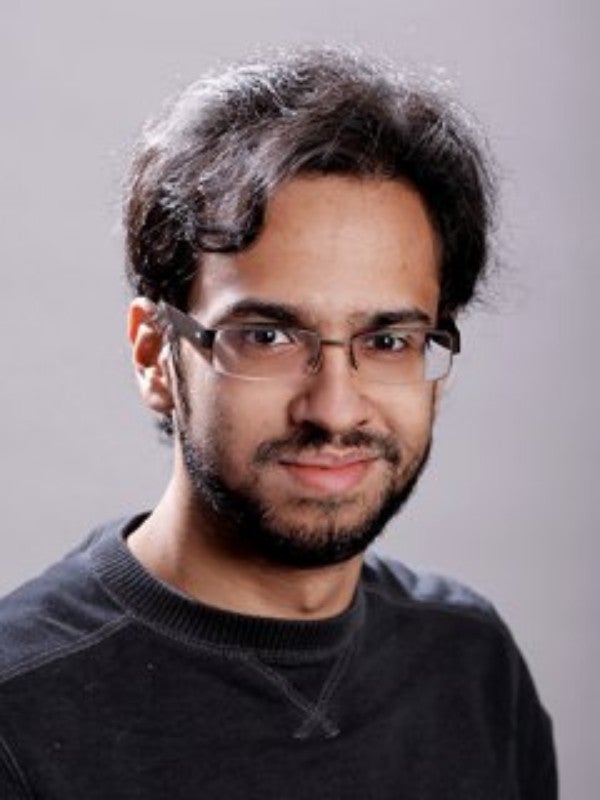
I am currently a Postdoctoral Associate in the group of Peter McMahon in the School of Applied and Engineering Physics at Cornell University. where I work on the intersection of quantum machine learning, quantum sensing, and physical computing. I completed my B.Sc. (2012) and M.Sc. (2014) in Theoretical Physics from McGill University in Montreal, Canada, the latter under the supervision of Aashish Clerk, where I worked on understanding qubit readout using nonlinear amplifiers. I then completed my Ph.D. in September 2021 from Princeton University, working under the supervision of Hakan Tureci in the Department of Electrical and Computer Engineering at Princeton University. My Ph.D. research focused on the dynamics of strongly-driven, multimode nonlinear quantum systems, starting from coupled exciton-polariton condensates, and eventually transitioning to the study of multimode nonlinear devices enabled by the Josephson nonlinearity. I worked on quantum-limited frequency combs and the practical realization of a minimal two-mode quantum comb in circuit QED. Upon completion of my Ph.D., I also worked as a Postdoctoral Research Associate under Hakan Tureci, working on studying the computational capabilities of both qubit-based and bosonic cQED devices for machine learning applications.
Natalia do Carmo Carvalho
Diamond Integrated Quantum Optomechanics
Natalia do Carmo Carvalho, University of Calgary
Diamond optomechanics is an emerging field with enormous potential for quantum communication, information processing, and sensing. Due to its exceptional thermal, optical, and mechanical properties, diamond meets all the requirements for state-of-the-art quantum optomechanics. Additionally, as an excellent host for quantum emitters, it combines the right ingredients for spin-phonon transduction and spin-optomechanics. Nonetheless, while diamond spin qubits have been explored extensively, diamond cavity optomechanical devices have not advanced at the same pace. Recently, significant progress in diamond nanofabrication has enabled experimental demonstration of optomechanical cavities with impressive Qf products, where Q is the mechanical quality factor and f is the frequency of the mechanical mode. Their product is an essential figure of merit for operation in the quantum regime.
Therefore, mitigation of mechanical damping is of paramount importance for quantum applications using diamond nanomechanical devices. To explore integrated spin-optomechanics, it is also necessary to create optically active defects in photonic devices. However, the trade-offs between preserving colour center properties and optimizing optical and mechanical parameters are a current challenge, and understanding how to enhance the coherent interactions between these quantum systems is critical.
In this talk, I will discuss our latest results in characterizing optical and nanomechanical losses in diamond microdisks operating at the telecommunication wavelengths and gigahertz frequencies. I will present room and millikelvin temperature data and propose paths to achieve the parameters required for quantum applications.
About the speaker
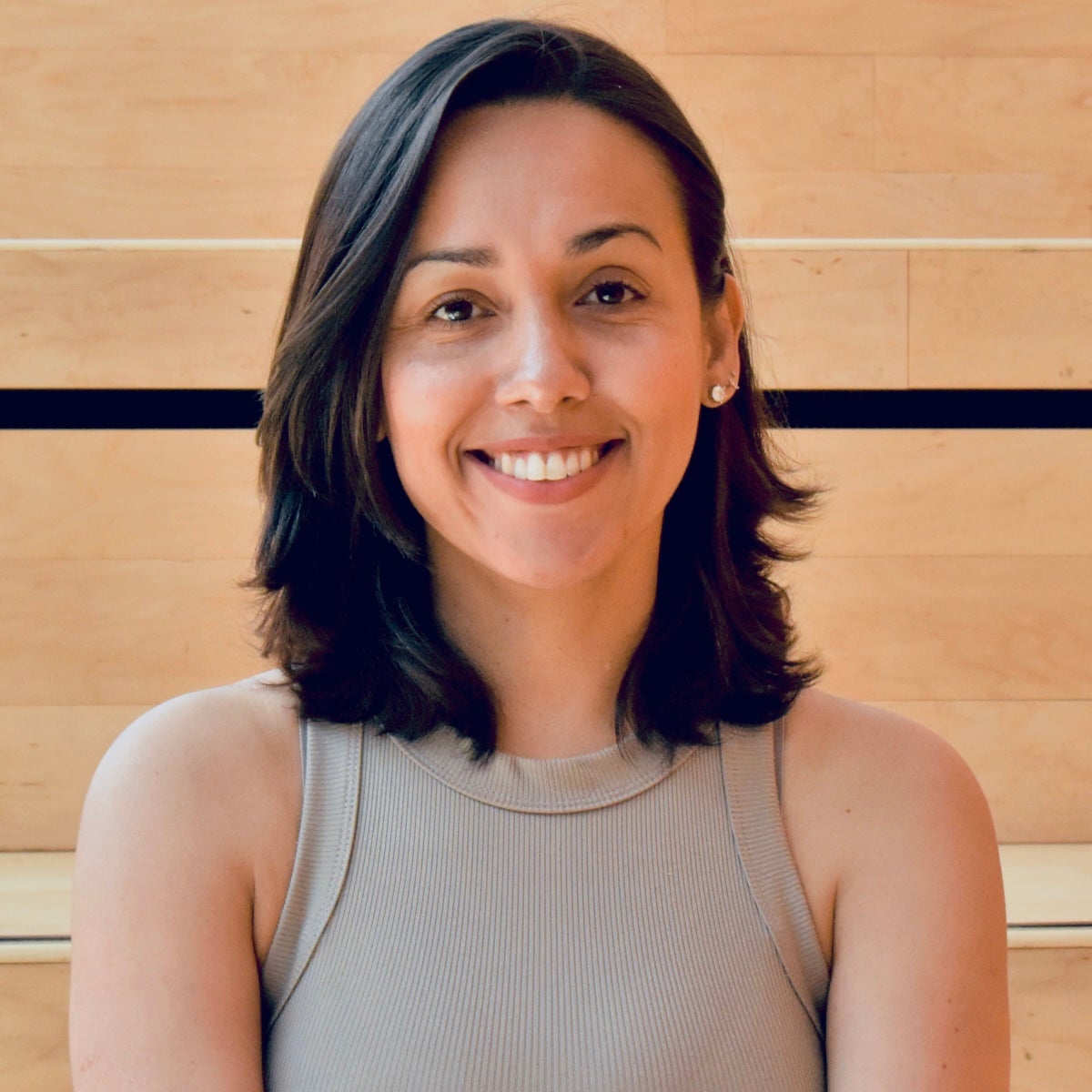
Dr. Natalia Carvalho is a Research Associate in Barclay’s group at the Institute for Quantum Science and Technology, University of Calgary. Her research focuses on integrated photonics and cavity optomechanics. She earned her Ph.D. from the University of Western Australia, specializing in hybrid quantum devices that couple microwave resonators with rare-earth spins and acoustic cavities. Following her doctoral work, she held two postdoctoral positions in nanophotonics, gaining expertise in infrared optics, numerical modelling, and semiconductor device fabrication. Currently, she works with diamond nanoresonators and conducts experiments at cryogenic temperatures. A passionate educator, Dr. Carvalho is committed to supporting women in STEM and promoting diversity and equity in academia.
Samuel Gyger
A two-dimensional optomechanical crystal for quantum transduction & Robots
Samuel Gyger, Stanford University
Optomechanical crystals are a promising platform for scalable quantum information processing. Current experiments for microwave-to-optical transduction remain limited by laser-induced heating. Here we present a qubit-compatible two-dimensional optomechanical crystal displaying improved thermal anchoring. This allows us to achieve pulsed sideband asymmetry of our device with ground state operation for repetition rates up to 3 MHz. I will finish the talk with our experiments, investigating where robots allow us to improve our future laboratories.
About the speaker
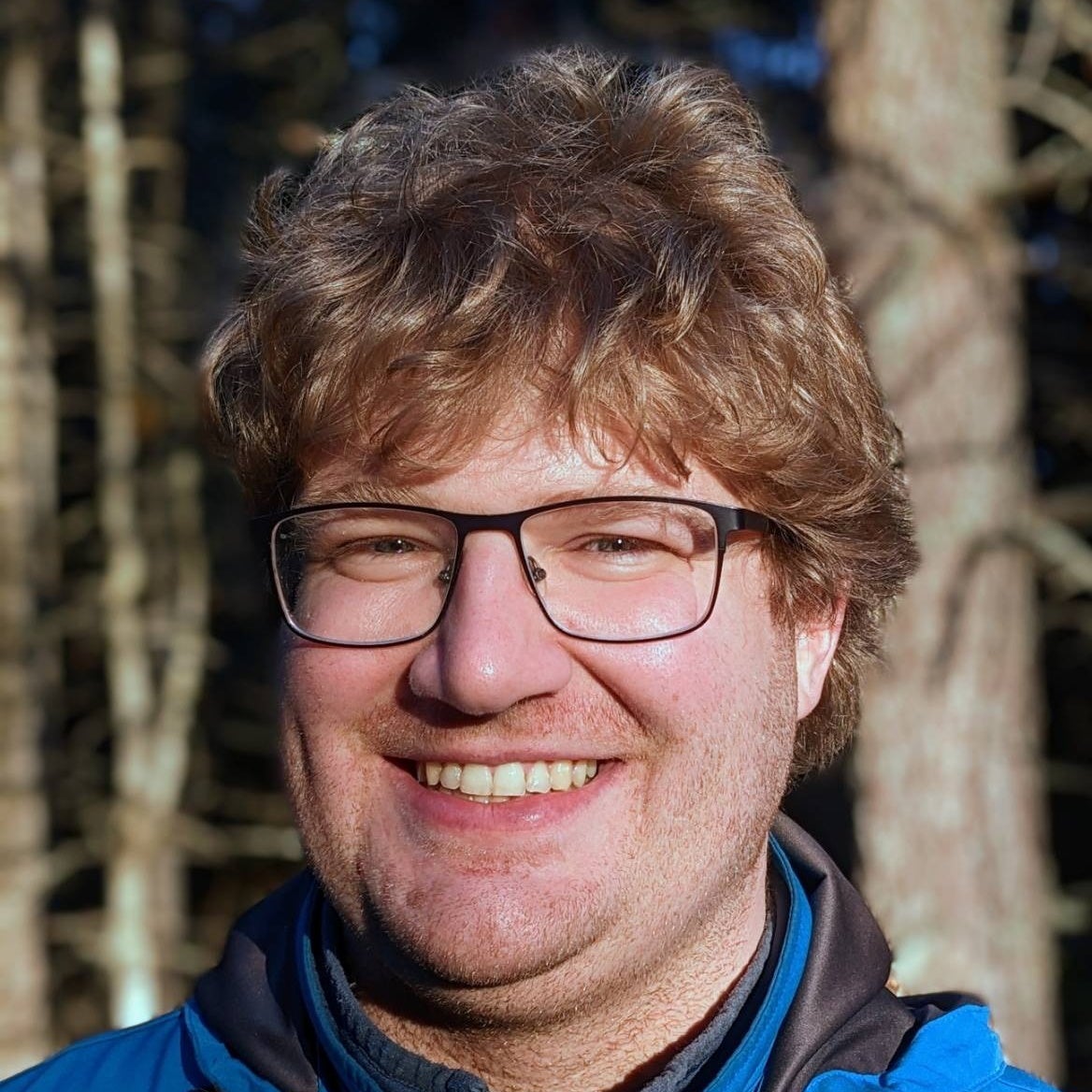
Samuel Gyger is a researcher in integrated photonics and quantum optics, with a background in both physics and engineering. His expertise spans a variety of systems, including self-assembled Quantum Dots, single photon detectors (KTH Stockholm, Sweden), and opto-mechanics for microwave-to-optical photon transduction (Stanford University, California). In January 2026, he will be launching a research group (alps.ml) in Saarbrücken, Germany, focused on combining robotic research automation and integrated (quantum) optics.
Anant Kale
Pseudogap in a Fermi-Hubbard quantum simulator
Anant Kale, Harvard University
Understanding the origin of high-Tc superconductivity in quantum materials remains an outstanding problem in correlated electron physics. Extensive computational studies of the Fermi-Hubbard model, a minimal description of such systems, have revealed competing energy scales and intertwined orders making accurate predictions very challenging.
Hence, many open questions remain concerning the anomalous states at low doping, such as the pseudogap metal, which give rise to superconductivity upon further cooling. Analog quantum simulators are well posed to shed light on such questions leveraging recent several-fold reduction in experimentally achievable temperatures. [1]. Here we report on the observation of a transition between a normal metal and a pseudogapped metal in the Hubbard model revealed via thermodynamic and spectroscopic measurements in a cold atom quantum simulator. [2]
We find an anomalous compressibility peak versus doping that appears at low temperatures and large interactions, demarcating an underdoped and overdoped metallic state. Lattice modulation spectroscopy in the underdoped regime shows a loss of spectral weight at low energies which is non-uniform in the Brillouin zone, indicating the formation of a pseudogap. We use this signal to establish an experimental pseudogap phase diagram as a function of interactions and doping, and find it coincides with the line of anomalies in the compressibility measurement.
Our results experimentally demonstrate the existence of a pseudogapped metal in the Hubbard model, and suggest a link between the pseudogap and charge order which can be probed in future work. Furthermore, this work demonstrates the utility of quantum simulation in addressing frontier problems in correlated electron physics.
[1] - M Xu, L H Kendrick, AK, et al, Nature 642, 909-915 (2025)
[2] - L H Kendrick, AK, et al, arXiv: 2509.18075 (2025) "
About the speaker
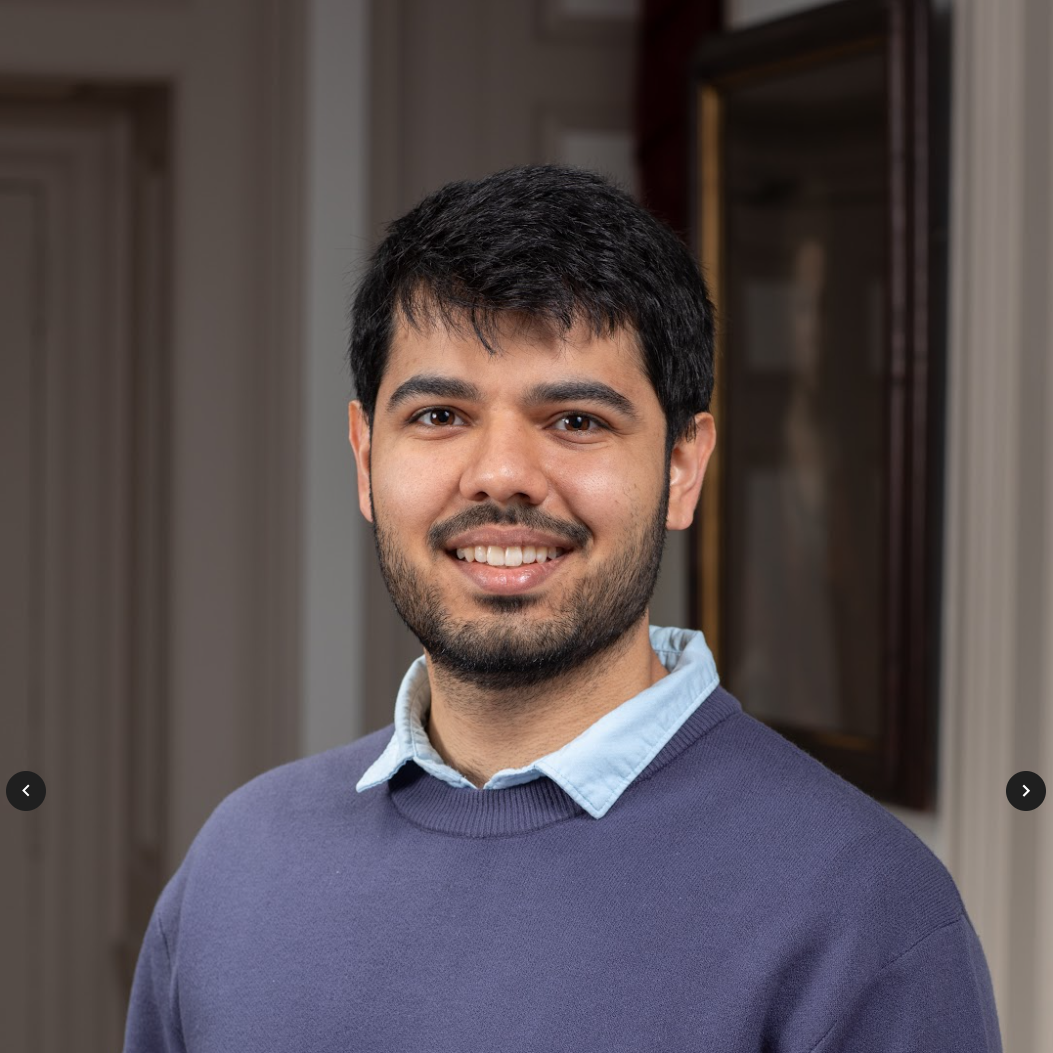
Anant Kale is a 6th year PhD student in experimental physics working in the group of Markus Greiner at Harvard University. He earned in Bachelor's degree in Physics from Caltech in 2020. His research interest is in quantum simulation of strongly correlated electronic models using cold atoms. In particular, his recent work has looked at the Fermi-Hubbard model in different lattice geometries, and at low temperatures, where computer simulations are challenging, and novel physics emerges.
Joyce Kwan
Exploring exotic quantum Hall states with ultracold atoms
Joyce Kwan, JILA, NIST, and University of Colorado, Boulder
The Pfaffian, or Moore–Read, state is a paradigmatic example of quantum matter that hosts quasiparticles with non-Abelian statistics—an essential ingredient for topological quantum computation. Originally proposed to describe the fractional quantum Hall effect at filling factor 5/2, it is a highly correlated many-body state whose exotic properties emerge from collective particle behavior. Ultracold atoms in optical lattices offer a clean and tunable platform to engineer and probe such states from the ground up.
In this work, we discuss how synthetic magnetic fields, single-atom control, and machine learning can be combined to realize Pfaffian-like correlations with ultracold bosons. By exploring the regime where pairing interactions and flux densities favor non-Abelian topological order, we aim to bridge the gap between condensed-matter realizations and atomic quantum simulation. These advances open new opportunities to study the interplay of topology, interactions, and statistics in a highly controllable setting—bringing us closer to experimentally accessing and manipulating non-Abelian anyons in engineered quantum systems.
About the speaker
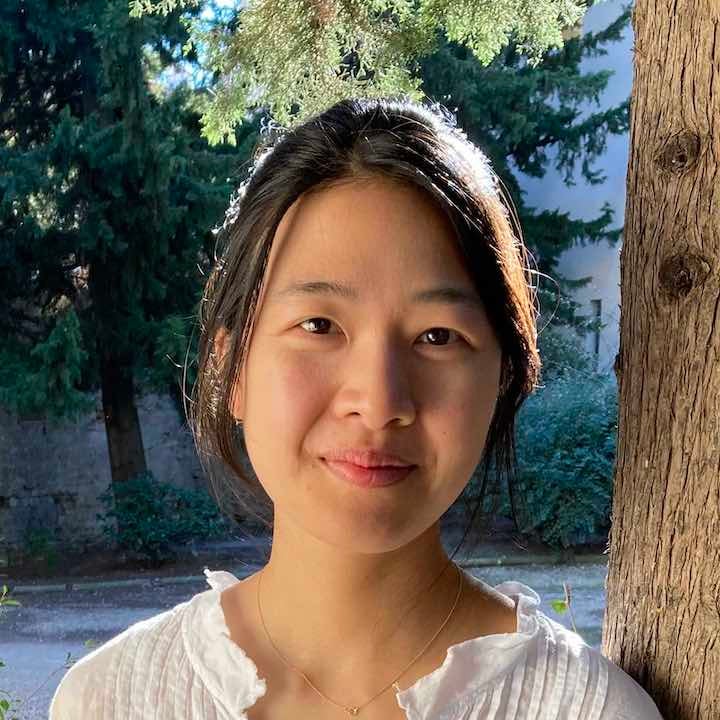
Joyce Kwan is a postdoctoral associate at JILA, NIST, and the University of Colorado, Boulder. She graduated from the Massachusetts Institute of Technology with B.S. and M.Eng. in Electrical Engineering and from Harvard University with a Ph.D. in Physics. At Harvard, she pursued quantum simulation with ultracold atoms in the group of Markus Greiner, developing methods to realize fractional quantum Hall states. Now, at JILA, she focuses on cavity quantum electrodynamics in the group of James K. Thompson, with applications in many-body physics and quantum metrology.
Sean Muleady
Robust multiparameter function estimation in quantum sensor networks
Sean Muleady, University of Maryland
Quantum entanglement offers fundamental sensitivity enhancements for diverse sensing applications. While the use of entanglement for enhanced sensing of a single parameter coupled to a system has been demonstrated, its application for more general and practically relevant sensing problems remains an outstanding challenge.
In this talk, I will explore the estimation of global quantities dependent on multiple Hamiltonian parameters, a problem of growing importance in distributed or multiplexed sensing. While optimal strategies and theoretical limits are well-established, they often rely on fragile entangled states that are challenging to scale and maintain in realistic settings. We investigate how strong, engineered interactions within sensor networks can be leveraged to stabilize signal encoding and enhance robustness. These techniques offer practical routes toward scalable, noise-resilient quantum sensors. These methods are particularly promising for quantum-enhanced gradient sensing in noisy environments or compressed imaging.
About the speaker

Sean Muleady is an RQS Postdoctoral Fellow at the Joint Center for Quantum Information and Computer Science. He earned his A.B. in physics at Princeton University and his Ph.D. in physics at JILA, where he worked with Ana Maria Rey. He works at the intersection of quantum information and many-body physics, with a current focus on exploring new paradigms for quantum-enhanced sensing and developing protocols for robust entanglement generation in current quantum devices. He also collaborates closely with experimental groups working with trapped ions and cold atom/molecule arrays, aiming to better characterize their many-body dynamics and harness them for practical entanglement-based sensing and metrology.
Tarun Patel
Quantum optics with a quantum dot in a waveguide

Tarun Patel, University of Waterloo
A two-level quantum system coupled to a one-dimensional electromagnetic mode represents the long-sought after realization of a one-dimensional atom in quantum electrodynamics. It is an essential building block for future quantum networks, enabling deterministic single- and entangled-photon generation, photon-photon gates, and spin-photon interfaces. An InAsP quantum dot (QD) precisely placed on-axis within a tapered InP nanowire (NW) waveguide provides an ideal solid-state platform to achieve this goal.
I will showcase recent work, conducted in collaboration with the National Research Council Canada, focused on improving the quantum optical performance of such nanowire quantum dot (NWQD) systems. We achieve near-unity in- and out-coupling of light between the NW waveguide and an optical fiber, effectively extending the guided optical mode from a 4 K cryostat to room temperature. This setup allows for the first time direct observation of coherent Rayleigh scattering from a single QD without relying on traditional cross-polarization filtering. This scattering is demonstrated as a perfect reflection of single photons from the one-dimensional atom in the Heitler regime, thus unveiling the ‘quantum mirror’.
In parallel, we have developed a deterministic pick-and-place transfer method using advanced nano-welding and micro-manipulation techniques to move NWQDs from the growth substrate onto a gold mirror with an ultra-thin SiO₂ coating. This mirror geometry enhances the light extraction efficiency by forming a weak cavity, yielding a measured 2.5-fold enhancement in brightness and a 1.58 times reduction in radiative lifetime, consistent with a predicted weak Purcell enhancement of ~1.6. As a result, the photon pair extraction efficiency increases from ~6% on the growth substrate to ~50% on the Au mirror.
Combining this with our previous result showing near-unity entanglement fidelity from the same NWQD platform, we aim to overcome the fundamental limit of probabilistic entangled photon pair sources to develop the world's brightest deterministic entangled photon source. Together, these developments establish the InAsP/InP nanowire quantum dots as a versatile and scalable platform to interface between quantum light and optical fibers, paving the way toward deterministic, fiber-integrated sources of entangled photons and a practical realization of quantum networks."
Cosimo Carlo Rusconi
Universal scaling laws for correlated decays of many body quantum systems
Cosimo Carlo Rusconi, Columbia University and Institute of Fundamental Physics, CSIC (Madrid)
Increasing the density of quantum devices opens avenues to explore novel regimes of many-body quantum dynamics and enhance the performance of various quantum applications such as precise sensing. At the same time, this effort poses new challenges as densely packed systems exhibit correlated dissipation, significantly impacting the decay rate of correlated quantum states. It is thus natural to ask: What is the maximum decay rate of a system with correlated dissipation? Addressing this question for large numbers of particles is however complicated by the exponential scaling of the Hilbert space dimension.
In this talk, I will present an alternative method that circumvents this difficulty. We reformulate the problem of maximal decay rate into finding the ground state energy of a 2-local Hamiltonian. Leveraging ideas for approximating the ground state of Hamiltonian systems, we provide rigorous analytical bounds for the maximal decay rate of generic many-body quantum systems. Our bounds are universal in that they only depend on global properties of the decoherence matrix (which describes dissipative couplings between atoms) and agnostic of the specific microscopic interactions. For many classes of physically-relevant systems, the bounds are tight, resulting in scaling laws with system size.
As a particular application, I will discuss Superradiance in extended lattices of atoms — a well-known open problem in quantum optics. I will demonstrate how our general method allows us to derive rigorous scalings for the radiation burst. I will conclude by illustrating the role that the scaling laws play in complex quantum optics phenomena such as driven dissipative phase transition beyond the usual cavity scenario. In particular, i will address the problem of collective resonance fluorescence and superradiant lasing transition in free space that have attracted significant attention in recent years.
About the speaker

Cosimo was born in a small town on Como lake in the north of Italy. He studied physics in Milan and in Pavia. He later moved to Innsbruck, in the middle of the Alps, to pursue a Ph.D. in theoretical quantum physics (and, admittedly, to ski a great deal). There, he studied quantum effects arising in the dynamics of magnetically levitated nanomagnets. He finally crossed the Alps and arrived in Munich to do a Post-doc at the Max Planck Institute of Quantum Optics, where he got interested in collective effects in many-body quantum optical systems. He joined Columbia to explore emerging phenomena in systems of many interacting atoms and to investigate optomechanical effects in subwavelength atomic arrays. Since April 2024, Cosimo is a global Marie Curie Postdoctoral Fellow at Columbia University and the Institute of Fundamental Physics at CSIC in Madrid.
Andrei Ruskuc
Quantum Networking with Neutral Atom Arrays
Andrei Ruskuc, Harvard University
Neutral atom arrays are a leading platform for quantum computation and simulation. Extending their connectivity through long-range entanglement links opens the door to distributed architectures that can overcome current scaling limitations. Such connectivity also enables advanced quantum networking applications including non-local sensing, metrology, and quantum key distribution.
In this talk, I will present recent progress toward telecommunication-band quantum networking with 87Rb atoms. This is enabled by coupling the atoms to high-finesse Fabry–Perot microcavities fabricated via scalable silicon nanolithography techniques. These cavities provide direct access to an intrinsic rubidium transition (5P3/2 ↔ 4D5/2), enabling a deterministic, high-efficiency spin–photon interface at 1530 nm without frequency conversion.
I will also discuss ongoing efforts toward entanglement multiplexing with atom arrays and integration with Rydberg-mediated two-qubit gates. Together, these advances pave the way for a highly scalable quantum network based on atom arrays, seamlessly integrated with silicon photonics and capable of supporting entanglement over metropolitan distances."
About the speaker
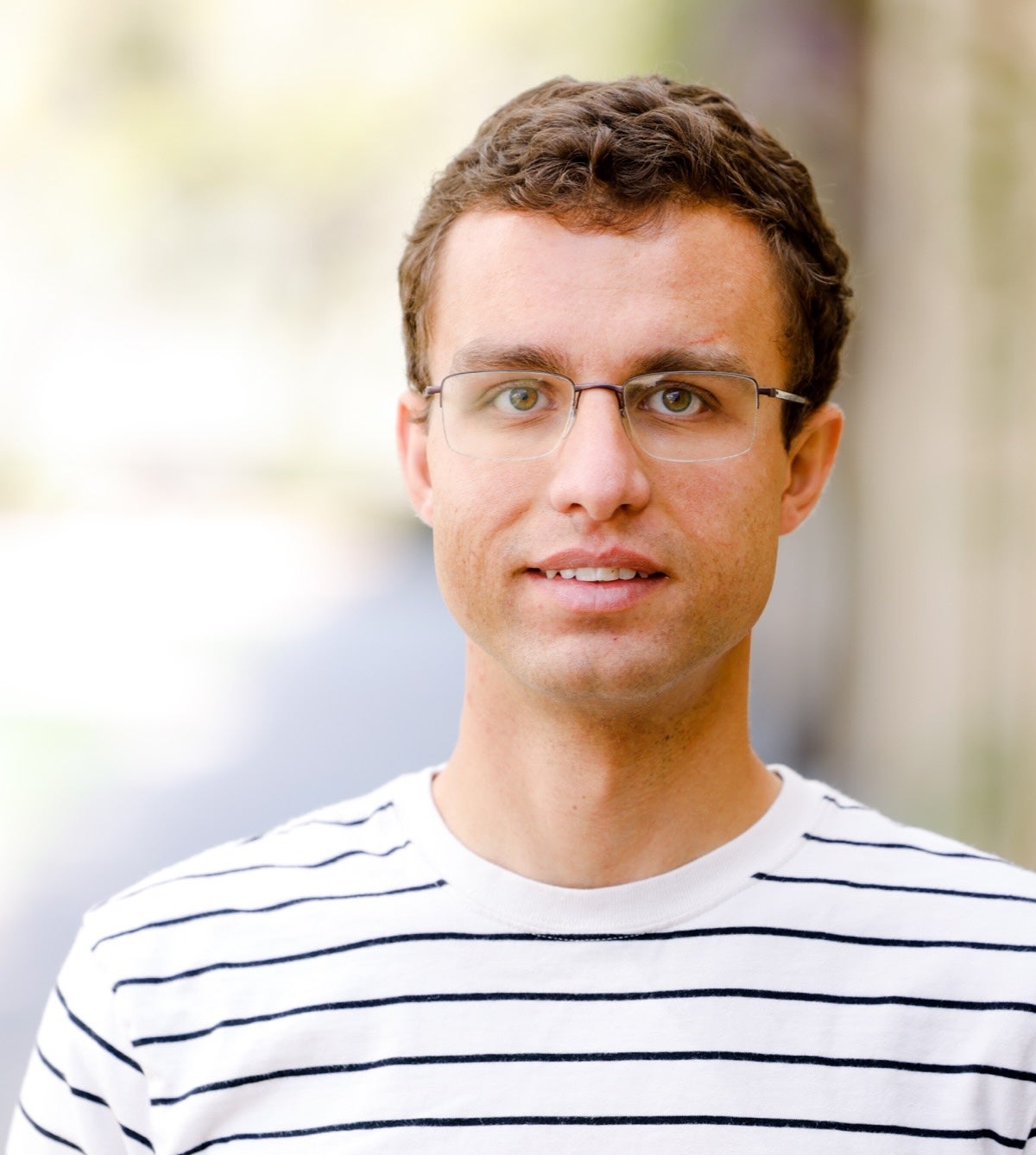
Andrei is a postdoctoral fellow in the Lukin group at Harvard, researching atomic platforms for quantum networking. He completed his PhD in 2023 at Caltech under Andrei Faraon, focusing on rare-earth ion-based quantum networking technologies. He holds bachelor's and master's degrees from the University of Cambridge (2017). His expertise spans quantum networking with both solid-state and neutral atom platforms.
Tianrui Xu
Symmetry-Protected Topological Optical Lattice Clock
Tianrui Xu, Institut quantique de l'Université de Sherbrooke
We theoretically propose a tunable implementation of symmetry-protected topological phases of matter in a synthetic superlattice, taking advantage of the long coherence time and exquisite spectral resolutions offered by gravity-tilted optical lattice clocks. We describe a protocol similar to Rabi spectroscopy that can be used to probe the distinct topological properties of our system. We then demonstrate how the sensitivity of clocks and interferometers can be protected from unwanted experimental imperfections offered by the underlying topological robustness. The proposed implementation opens a path to exploiting the unique opportunities offered by symmetry-protected topological phases in state-of-the-art quantum sensors. (For more details of this work, see PRX Quantum 6, 030322.)
About the speaker
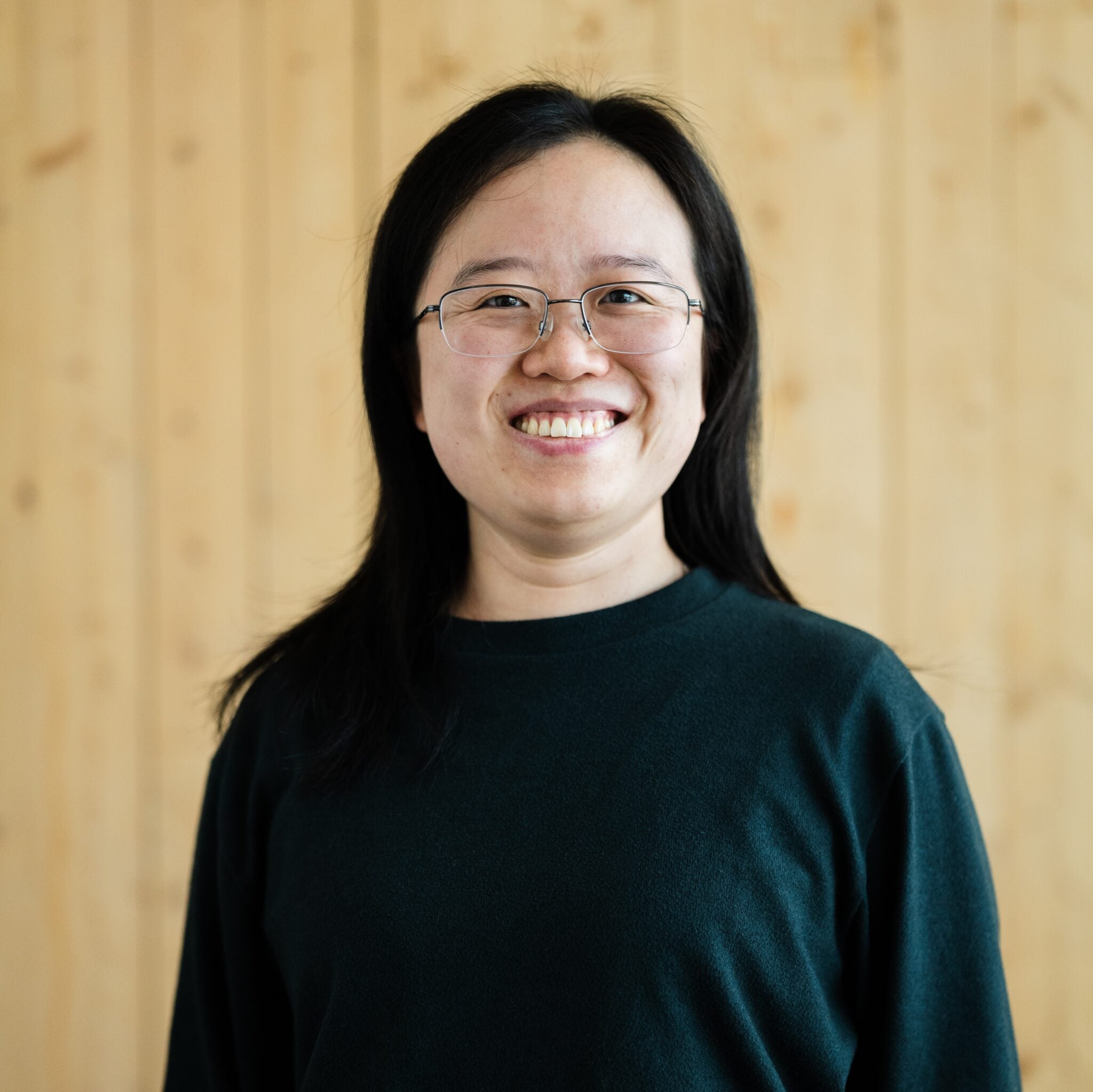
Tianrui is a postdoctoral fellow at Institut Quantique de l'Université de Sherbrooke, in the group of Alexandre Blais. She completed her PhD in the group of Joel E. Moore at the University of California, Berkeley, where she studied quantum dynamics of high-Tc superconductors and quantum chaos. Then, she went on for her first postdoctoral position in the group of Ana Maria Rey at JILA and University of Colorado, Boulder, where she worked on quantum dynamics and quantum sensing with neutral atoms. Since joining Institut Quantique, she has been interested in exploring quantum error correction schemes in superconducting circuits. She has also been interested in quantum information processing with neutral atoms.
Nicholas Zutt
Computer Science and Theory
Can (John) Bostanci
A General Duality for Representations of Groups with Applications to Quantum Money, Lightning, and Fire
Can (John) Bostanci, Columbia University
Aaronson, Atia, and Susskind (2020) established that efficiently mapping between quantum states |ψ⟩ and |φ⟩ is computationally equivalent to distinguishing their superpositions 1/√2(|ψ⟩ + |φ⟩) and 1/√2(|ψ⟩ − |φ⟩).
We generalize this insight into a broader duality principle in quantum computation, wherein manipulating quantum states in one basis is equivalent to extracting their value in a complementary basis. In its most general form, this duality principle states that for a given group, the ability to implement a unitary representation of the group is computationally equivalent to the ability to perform a Fourier extraction from the invariant subspaces corresponding to its irreducible representations. Building on our duality principle, we present the following applications:
- Quantum money, which captures quantum states that are verifiable but unclonable, and its stronger variant, quantum lightning, have long resisted constructions based on concrete cryptographic assumptions. While (public-key) quantum money has been constructed from indistinguishability obfuscation (iO)—an assumption widely considered too strong—quantum lightning has not been constructed from any such assumptions, with previous attempts based on assumptions that were later broken. We present the first construction of quantum lightning with a rigorous security proof, grounded in a plausible and well-founded cryptographic assumption. We extend the construction of Zhandry (2024) from Abelian group actions to non-Abelian group actions, and eliminate Zhandry’s reliance on a black-box model for justifying security. Instead, we prove a direct reduction to a computational assumption – the pre-action security of cryptographic group actions. We show how these group actions can be realized with various instantiations, including with the group actions of the symmetric group implicit in the McEliece cryptosystem.
- We provide an alternative quantum money and lightning construction from one-way homomorphisms, showing that security holds under specific conditions on the homomorphism. Notably, our scheme exhibits the remarkable property that four distinct security notions—quantum lightning security, security against both worst-case cloning and average-case cloning, and security against preparing a specific canonical state – are all equivalent.
- Quantum fire captures the notion of a samplable distribution on quantum states that are efficiently clonable, but not efficiently telegraphable, meaning they cannot be efficiently encoded as classical information. These states can be spread like fire, provided they are kept alive quantumly and do not decohere. The only previously known construction relied on a unitary quantum oracle, whereas we present the first candidate construction of quantum fire using a classical oracle. Based on joint work with Barak Nehoran and Mark Zhandry.
About the speaker
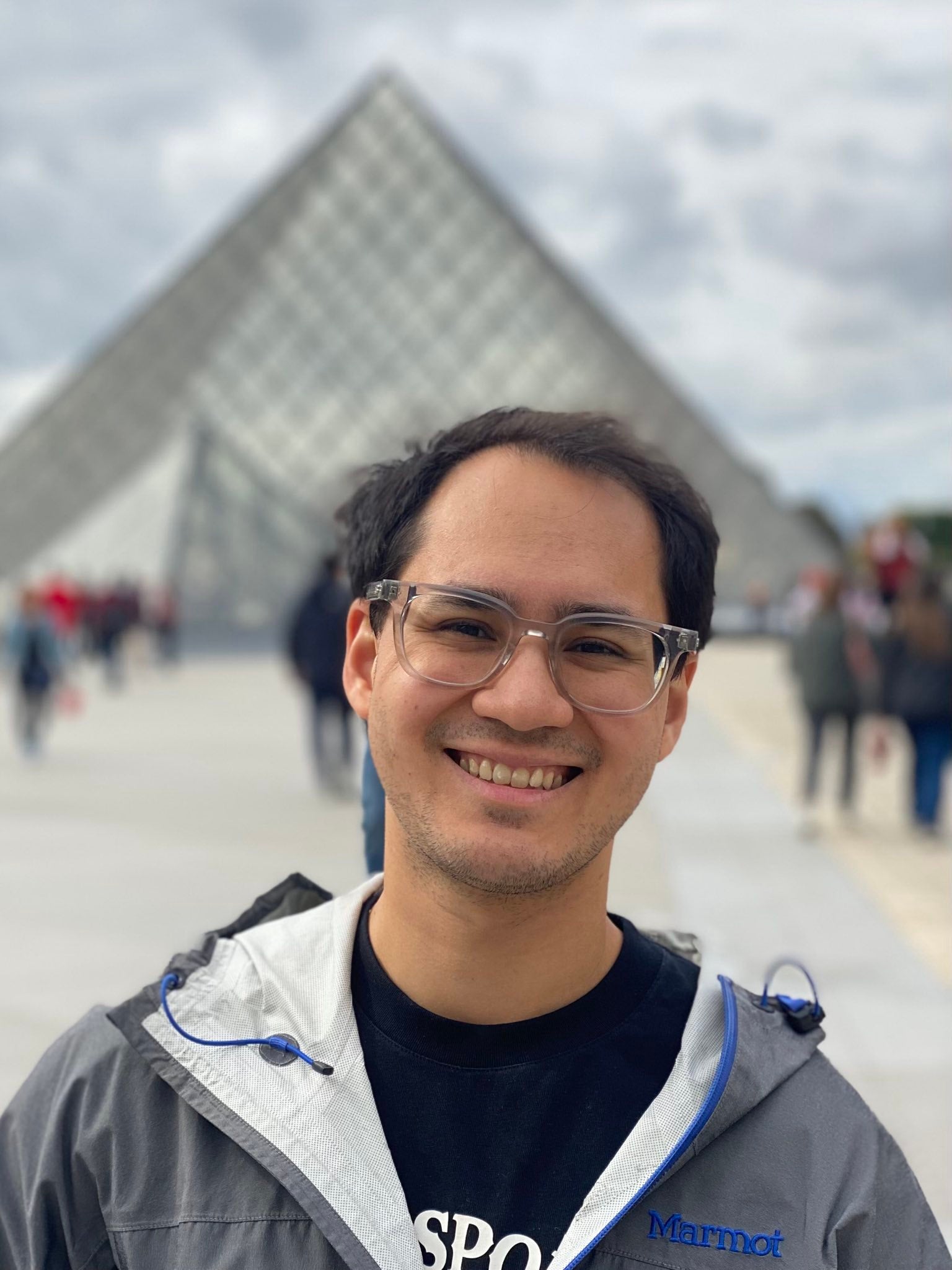
John is a PhD student in the Theory Group at Columbia University advised by Henry Yuen, and before that he was a graduate student at the Institute for Quantum Computing at the University of Waterloo, advised by John Watrous. I study theoretical computer science, with a focus on quantum computation. His research is broadly about understanding fully-quantum tasks, including quantum cryptography, unitary complexity theory, and algorithms for learning from quantum data. Some specific problems he has worked on are algorithms for shadow tomography, the complexity of unitary synthesis problems, and various topics in quantum cryptography like quantum money and pseudo-randomness.
Arjan Cornelissen
Laura Cui
Unitary designs in nearly optimal depth
Laura Cui, California Institute of Technology
Laura is a third-year graduate student in physics at Caltech, and is supervised by John Preskill and Fernando Brandão. Previously, she completed her undergraduate degree in physics and mathematics at MIT. She is broadly interested in the intersection of quantum information and many-body physics, particularly problems related to the complexity of quantum dynamics.
About the speaker
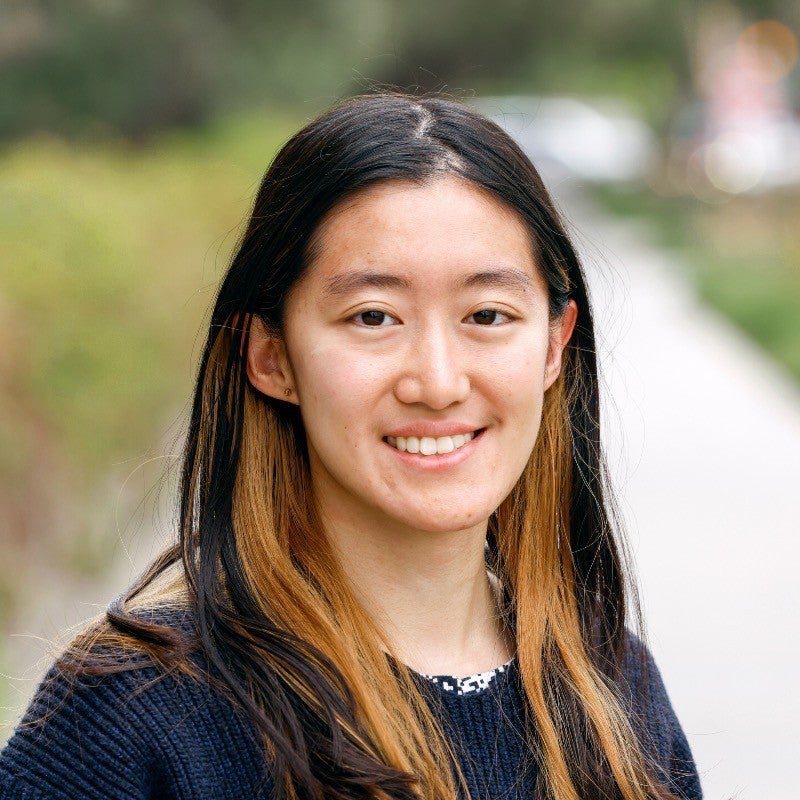
We construct ε-approximate unitary k-designs on n qubits in circuit depth O(log k log log nk/ε). The depth is exponentially improved over all known results in all three parameters n, k, ε. We further show that each dependence is optimal up to exponentially smaller factors. Our construction uses Õ(nk) ancilla qubits and O(nk) bits of randomness, which are also optimal up to log(nk) factors. An alternative construction achieves a smaller ancilla count Õ(n) with circuit depth O(k log log nk/ε). To achieve these efficient unitary designs, we introduce a highly-structured random unitary ensemble that leverages long-range two-qubit gates and low-depth implementations of random classical hash functions.
We also develop a new analytical framework for bounding errors in quantum experiments involving many queries to random unitaries. As an illustration of this framework's versatility, we provide a succinct alternative proof of the existence of pseudorandom unitaries. Based on joint work with Thomas Schuster, Fernando Brandão, and Hsin-Yuan (Robert) Huang.
Eric Culf
Undecidability of Entangled Constraint Satisfaction Problems
Eric Culf, University of Waterloo
Constraint satisfaction problems (CSPs) are a natural class of decision problems where one must decide whether there is an assignment to variables that satisfies a given formula. Schaefer's dichotomy theorem, and its extension to all alphabets due to Bulatov and Zhuk, shows that CSP languages are either efficiently decidable, or NP-complete. It is possible to extend CSP languages to quantum assignments using the formalism of nonlocal games. Due to the equality of complexity classes MIP*=RE, general succinctly-presented entangled CSPs are RE-complete. In this work, we show that a wide range of NP-complete CSPs become RE-complete in this setting, including all boolean CSPs, such as 3SAT, as well as 3-colouring. This also implies that these CSP languages remain undecidable even when not succinctly presented. These hardness proofs rely on a construction called a commutativity gadget, which allows classical CSP reductions to be quantised.
For many CSPs over larger alphabets, including k-colouring when k>3, it is not known whether or not commutativity gadgets exist, or if the entangled CSP is decidable. We study commutativity gadgets and prove the first known obstruction to their existence. We do this by extending the definition of the quantum automorphism group of a graph to the quantum endomorphism monoid of a CSP, and showing that a CSP with non-classical quantum endomorphism monoid does not admit a commutativity gadget. In particular, this shows that no commutativity gadget exists for k-colouring when k>3. However, we construct a commutativity gadget for an alternate way of presenting k-colouring as a nonlocal game, the oracular setting. This talk is based on work with Kieran Mastel (arxiv.org/abs/2410.21223); and Josse van Dobben de Bruyn, Matthijs Vernooij, and Peter Zeman (arxiv.org/abs/2509.07835).
About the speaker
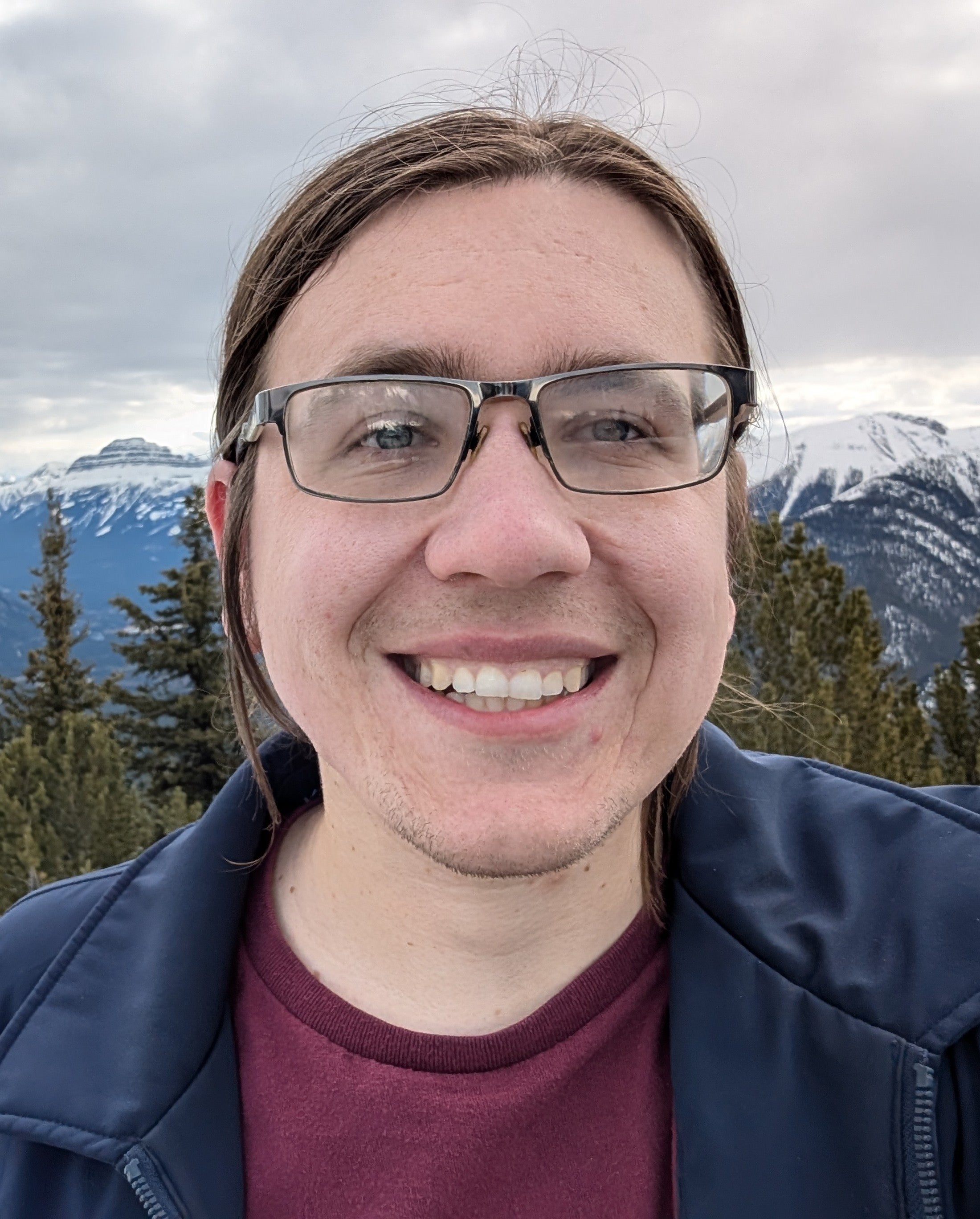
I am a PhD student at the University of Waterloo, where I am advised by Richard Cleve and William Slofstra. Previously, I obtained a BSc and an MSc from the University of Ottawa, advised by Anne Broadbent. I am interested in how nonlocal games and their extensions allow us to quantify the behaviour of entanglement, via their algebraic and complexity-theoretic properties. When I'm not at the blackboard, you might find me walking or biking in nature.
Josse van Dobben de Bruyn
Louis Golowich
Andi Gu
Aparna Gupte
Classical Obfuscation of Quantum Circuits via Publicly-Verifiable QFHE
Aparna Gupte, Massachusetts Institute of Technology
A classical obfuscator for quantum circuits is a classical program that, given the classical description of a quantum circuit Q, outputs the classical description of a functionally equivalent quantum circuit that hides as much as possible about Q. Previously, the only known feasibility result for classical obfuscation of quantum circuits (Bartusek and Malavolta, ITCS 2022) was limited to “null” security, which is only meaningful for circuits that always reject. On the other hand, if the obfuscator is allowed to compile the quantum circuit Q into a quantum state, there exist feasibility results for obfuscating much more expressive classes of circuits: all pseudo-deterministic quantum circuits (Bartusek, Kitagawa, Nishimaki and Yamakawa, STOC 2023, Bartusek, Brakerski and Vaikuntanathan, STOC 2024), and even all unitaries (Huang and Tang, FOCS 2025).
We show that (relative to a classical oracle) there exists a classical obfuscator for all pseudo-deterministic quantum circuits. Our main step is the first construction of a quantum fully-homomorphic encryption (QFHE) scheme that supports public verification of (pseudo-deterministic) quantum evaluation, relative to a classical oracle. To construct our QFHE scheme, we build on a generic approach introduced by Bartusek, Kitagawa, Nishimaki and Yamakawa (STOC 2023) for publicly verifying the homomorphic evaluations of QFHE ciphertexts. Unfortunately, previous work on publicly-verifiable QFHE required ciphertexts that are both quantum and non-compact, which was due to a heavy use of subspace states and their publicly-verifiable properties.
As part of our core technical contribution, we introduce new techniques for analyzing subspace states that can be generated “on the fly”, by proving new cryptographic properties of the one-shot signature scheme of Shmueli and Zhandry (CRYPTO 2025). Our techniques allow us to produce QFHE ciphertexts that are purely classical, compact, and publicly-verifiable. This additionally yields the first classical verification of quantum computation protocol for BQP that satisfies both blindness and public-verifiability. This is based on joint work with James Bartusek, Saachi Mutreja and Omri Shmueli.
About the speaker
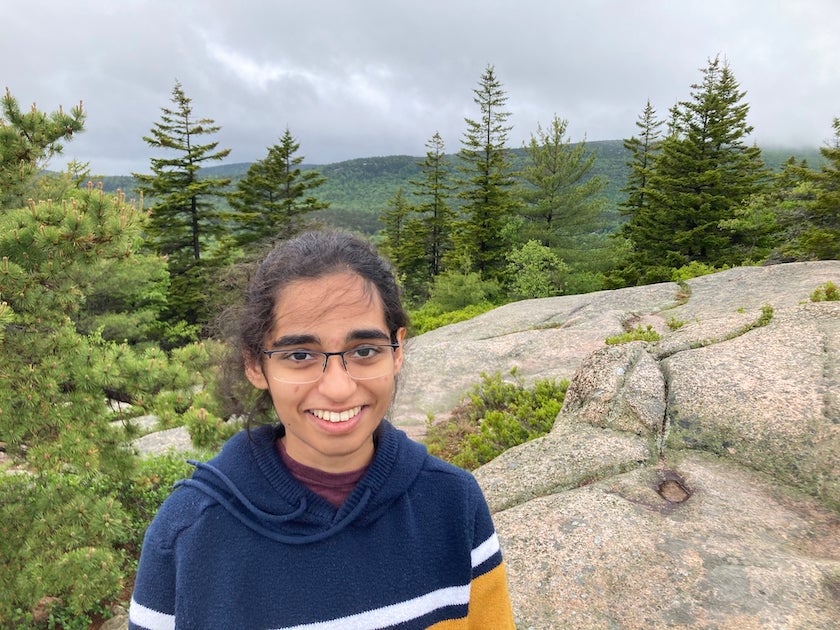
Aparna is a third-year PhD student at MIT, advised by Vinod Vaikuntanathan. She is interested in the interplay between quantum computation and cryptography, especially new foundations for post-quantum cryptography.
Siddhartha Jain
Efficient Quantum Hermite Transform
Siddhartha Jain, The University of Texas at Austin
We present a new primitive for quantum algorithms that implements a discrete Hermite transform efficiently, in time that depends logarithmically in both the dimension and the inverse of the allowable error. This transform, which maps basis states to states whose amplitudes are proportional to the Hermite functions, can be interpreted as the Gaussian analogue of the Fourier transform. Our algorithm is based on a method to exponentially fast forward the evolution of the quantum harmonic oscillator, which significantly improves over prior art. We apply this Hermite transform to give examples of provable quantum query advantage in property testing and learning. In particular, we show how to efficiently test the property of being close to a low-degree in the Hermite basis when inputs are sampled from the Gaussian distribution, and how to solve a Gaussian analogue of the Goldreich-Levin learning task efficiently. We also comment on other potential uses of this transform to simulating time dynamics of quantum systems in the continuum.
About the speaker
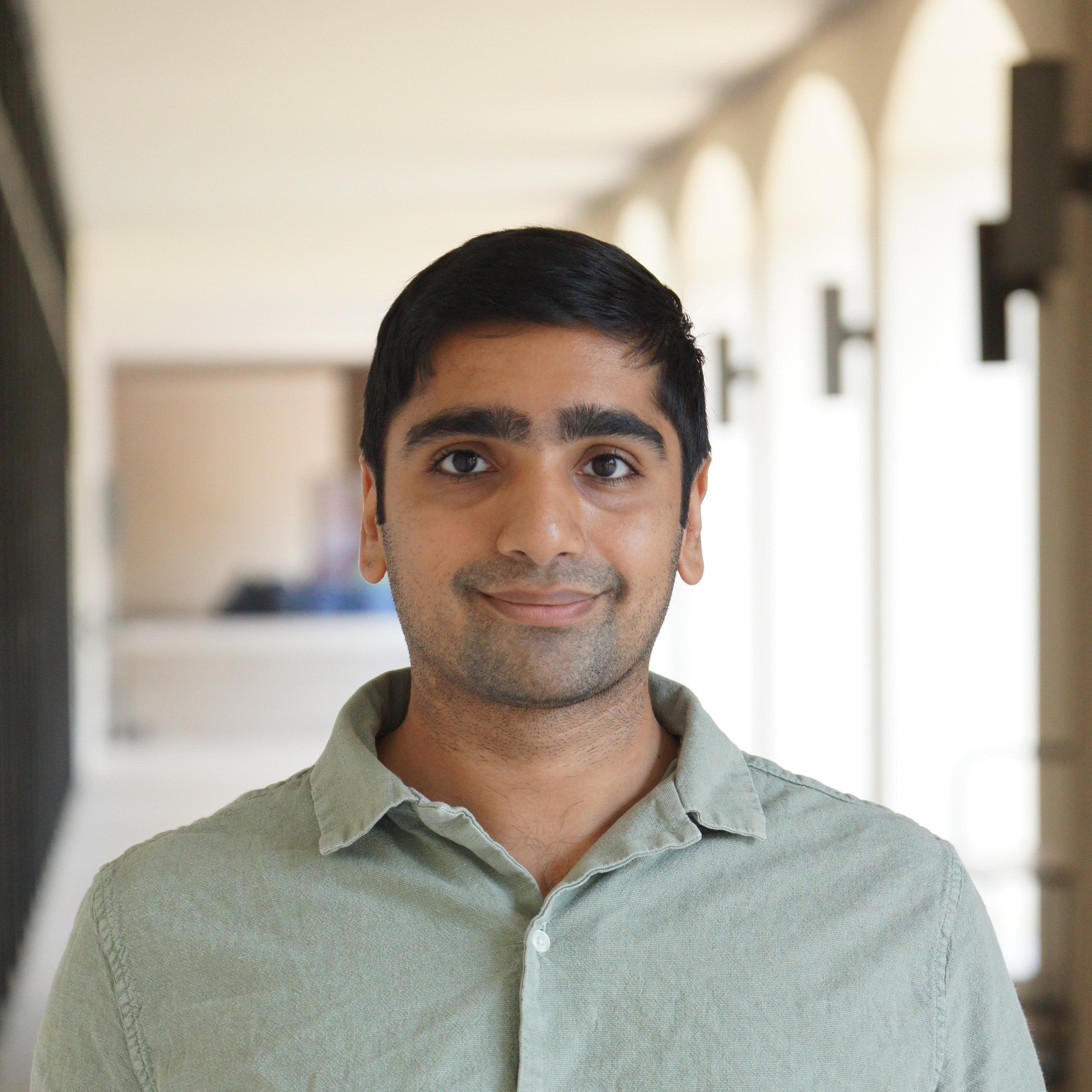
Siddhartha is a grad student advised by Scott Aaronson, and he works on quantum algorithms and complexity. He is working on finding applications of quantum computing with provable advantage over classical computation.
Robbie King
Quantum simulation by sum of squares spectrum amplification
Robbie King, Google
SOSSA is a new method for compiling efficient block encodings which exploits the low-energy of the initial state and relies on sum of squares optimization. The method was used in [G.H. Low et al., arXiv:2502.15882 (2025)] to improve state-of-art quantum chemistry compilations, improving the runtime of phase estimation on FeMoCo from days to just hours. This talk will go through the ideas behind the new technique, and in particular how sum of square optimization connects to Hamiltonian simulation and phase estimation.
About the speaker
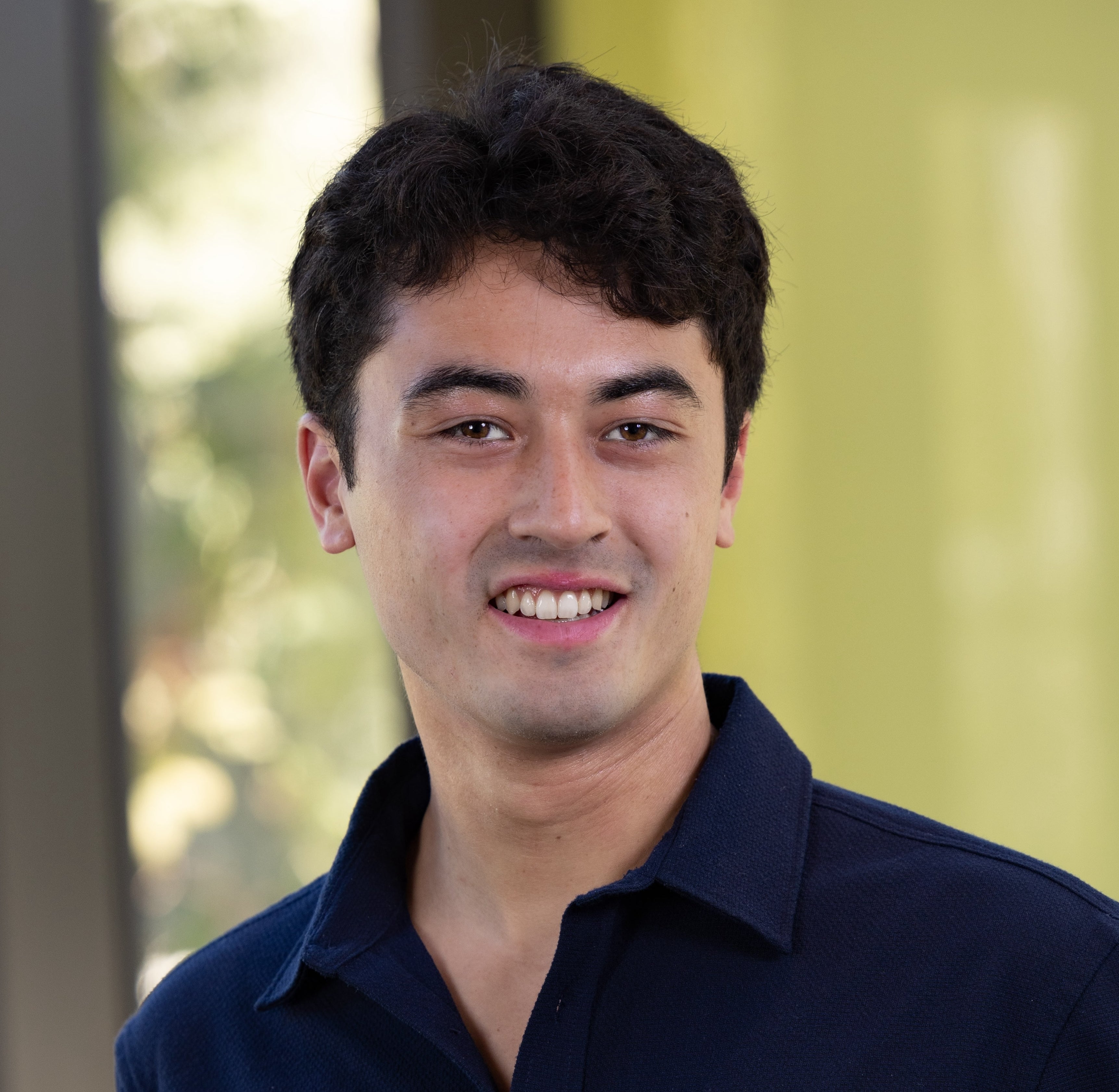
I am a research scientist at Google Quantum AI and a postdoc at Simons Institute for Theory of Computing working on quantum algorithms and applications. Quantum computing has the potential to unlock new technologies and scientific discoveries. Today there is impressive progress towards error-corrected quantum computers. However, we still lack a good understanding of concrete and impactful future applications. My research aims to contribute to this critical challenge.
Max McGinley
Natalie Parham
Quantum circuit lower bounds in the magic hierarchy
Natalie Parham, Columbia University
In this talk I’ll introduce the magic hierarchy, a quantum circuit model alternating between arbitrary Clifford circuits and constant-depth circuits with two-qubit gates (QNC0). This framework unifies several existing models, including those with adaptive measurements. I’ll present new lower bounds at the first level of the hierarchy and explain how extending these bounds above a certain level would imply major breakthroughs in classical complexity theory—making the hierarchy a natural testing ground for lower bound techniques.
In particular, I’ll show that certain explicit quantum states—such as ground states of topological Hamiltonians and nonstabilizer codes—cannot be approximately prepared by a Clifford circuit followed by QNC0. These proofs go beyond standard lightcone arguments and reveal an infectiousness property: approximating even one state in a high-distance code forces the entire code space to lie near a perturbed stabilizer code. Based on paper: https://arxiv.org/pdf/2504.19966
About the speaker
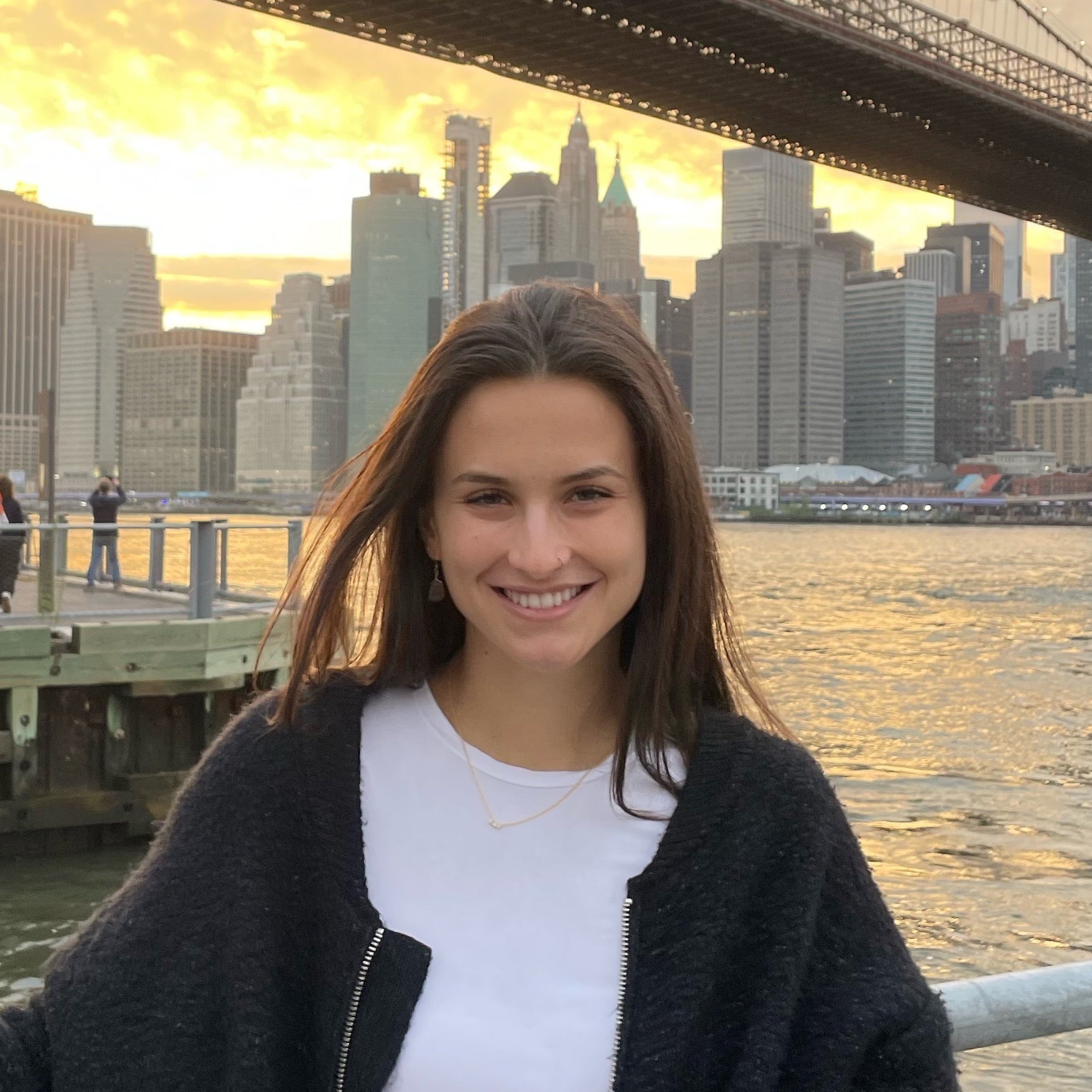
Natalie is a PhD student at Columbia University, advised by Henry Yuen. Previously she completed her MMath at IQC with David Gosset, and her undergrad at UC Berkeley. Natalie is broadly interested in quantum computation and computational complexity theory. Her research is primarily in quantum circuit complexity. Natalie works on developing tools for proving stronger quantum circuit lower bounds, proving quantum-classical separations, and exploring connections between quantum circuit complexity and other areas such as many-body physics, and classical complexity theory.
Alexander Schmidhuber
Hamiltonian Decoded Quantum Interferomtery
Alexander Schmidhuber, Massachusetts Institute of Technology (MIT)
We introduce Hamiltonian Decoded Quantum Interferometry (HDQI), a quantum algorithm that utilizes coherent Bell measurements and the symplectic representation of the Pauli group to reduce Gibbs sampling and Hamiltonian optimization to classical decoding. For a signed Pauli Hamiltonian $H$ and any degree-$\ell$ polynomial $\calP$, HDQI prepares a purification of the density matrix $$\rho_\calP(H) = \calP^2(H)/\Tr[\calP^2(H)]$$ by solving a combination of two tasks: decoding $\ell$ errors on a classical code defined by $H$, and preparing a \emph{pilot state} that encodes the anti-commutation structure of $H$. Choosing $\calP(x)$ to approximate $\exp(-\beta x/2)$ yields Gibbs states at inverse temperature $\beta$; other choices of $\calP$ prepare approximate ground states, microcanonical ensembles, and other spectral filters. The decoding problem inherits structural properties of $H$; in particular, local Hamiltonians map to LDPC codes. Preparing the pilot state is always efficient for commuting Hamiltonians, but highly non-trivial for non-commuting Hamiltonians. Nevertheless, we prove that this state admits an efficient matrix product state representation for a class of nearly commuting Pauli Hamiltonians whose anti-commutation graph decomposes into connected components of logarithmic size. "
About the speaker
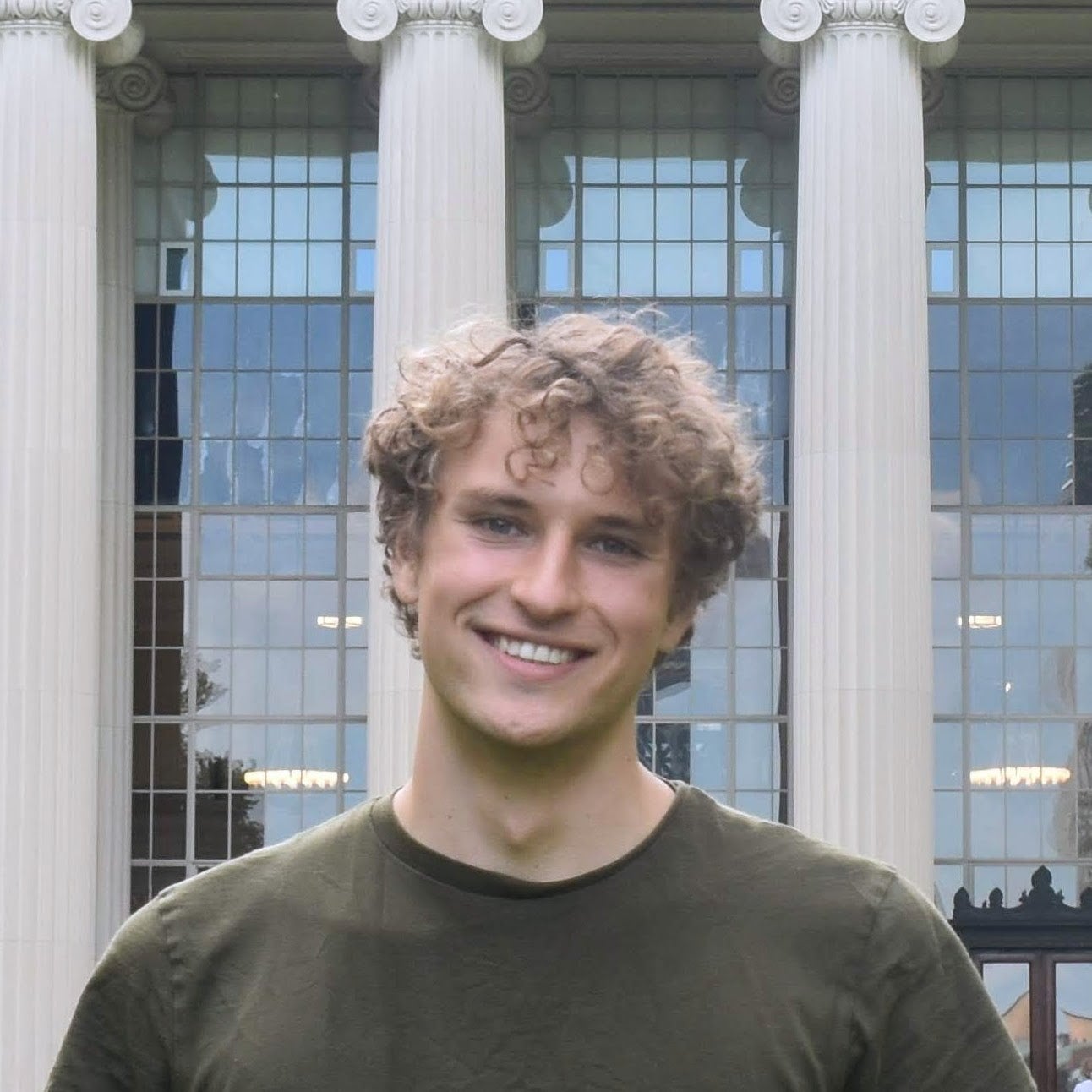
Alexander Schmidhuber is a PhD candidate at the MIT Center for Theoretical Physics, co-advised by Aram Harrow and Seth Lloyd. He obtained a Master's and Bachelor's degree in physics from ETH Zurich, where he studied physics and mathematics. Before joining MIT, he spent a year at Google Quantum AI in California. Alexander is broadly interested in the intersection of theoretical physics and theoretical computer science, with an emphasis on quantum computing. His current research focuses on finding new applications of quantum computing, in particular on developing new super-quadratic quantum speedups for problems of practical interest.
Aviv Taller
The Institute for Quantum Computing (IQC) is proud to support IYQ Canada and the International Year of Quantum Science & Technology (IYQ).
