Future students

Innovation, research and discovery are key factors in maintaining and growing Canada’s socio-economic well-being, to benefit all Canadians. The Canada Research Chair Program is investing $140 million toward 182 new and renewed Chairs at 34 institutions. The University of Waterloo had three chairs renewed, including Chemistry's Derek Schipper.
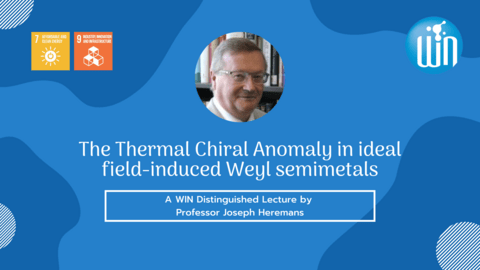
The Waterloo Institute for Nanotechnology (WIN) is pleased to present a Distinguished Lecture Series talk by Professor Joseph Heremans, an Ohio Eminent Scholar and distinguished professor in the Mechanical and Aerospace Engineering Department at the Ohio State University. 

Abstract

Thursday, October 22, 2020 1:30 pm - 3:00 pm EDT (GMT -04:00)

WIN Distinguished Lecture Series: Materials Innovations for Emerging Energy Technologies

The Waterloo Institute for Nanotechnology (WIN) is pleased to present a Distinguished Lecture Series talk by Professor Liangbing (Bing) Hu, a distinguished professor in the Department of Materials Science and Engineering at the University of Maryland. 

Materials Innovations for Emerging Energy Technologies

Abstract

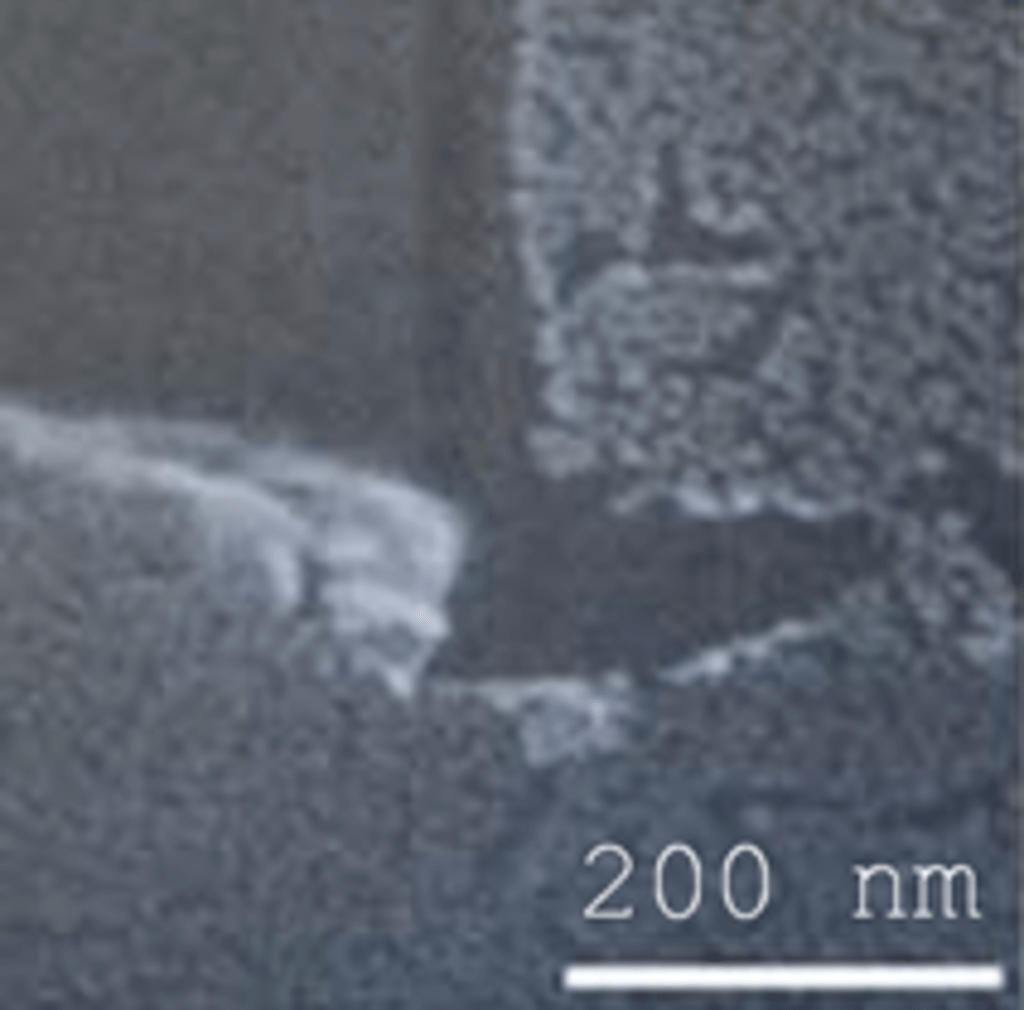
The common belief is that electron microscopy (EM) can only be used on dry samples because of the vacuum inside the microscope’s column. This is no longer the case, as researchers can now visualize fully solvated nanoscale objects in liquids such as water from cryogenic to room temperature conditions. Room temperature in-liquid observations are achieved by squeezing the sample into a nanofluidic chip with a very narrow with a very narrow gap (down to 50nm) between two ultrathin membranes, so that the electron beam can get through the “sandwich” and reach the image detector.

Yimin Wu
Yimin Wu joined the University of Waterloo in July 2019 as Assistant Professor in the Department of Mechanical and Mechatronics Engineering and WIN welcomed him as a member in August that year. His research focus is advanced microscopy and imaging techniques, thin film and transition metal oxides, and 2D materials for energy.

What if you could spray away COVID-19? That’s the idea behind an anti-viral surface coating being developed in a collaborative project between by researchers at The Waterloo Institute for Nanotechnology (WIN) within the University of Waterloo and SiO2 Innovation Labs. The coating will kill the COVID-19 virus immediately upon contact with any surface.

Abstract:

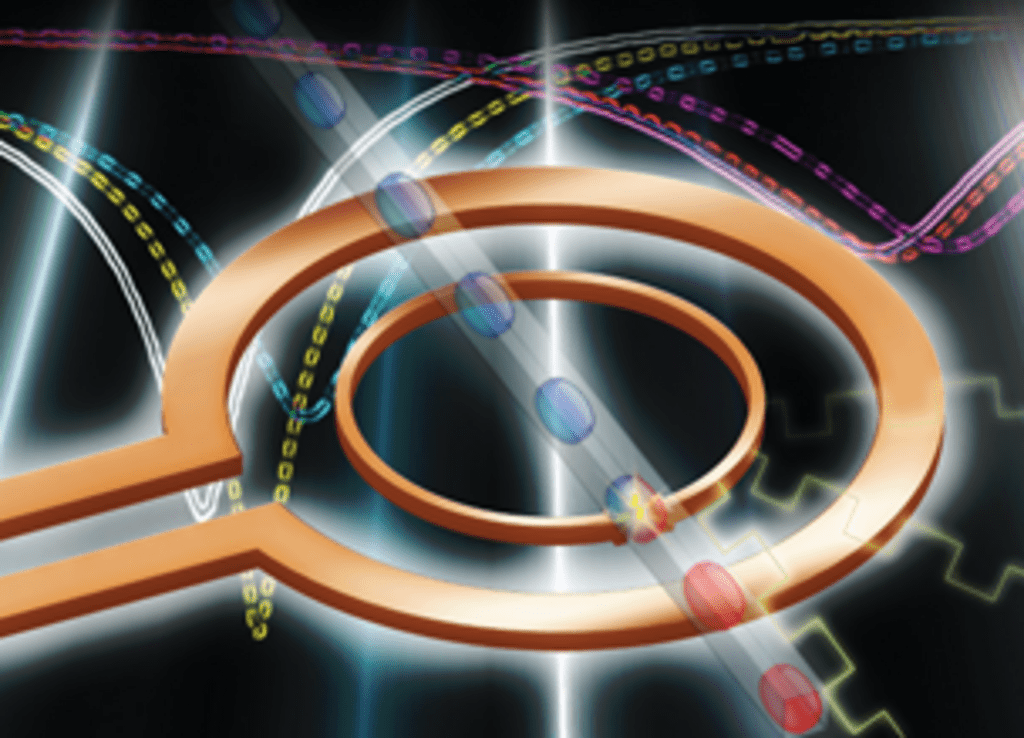
Microwave systems are a central part of modern technology, with major applications including wireless communication and radar.   In recent years, microwave circuits and systems have also become leading platforms in the development of quantum computing, sensing, and communication systems.  For instance, the quantum processors being developed by large companies such as IBM and Google are superconducting microwave circuits which are controlled and readout by microwave photons.