


Part of Canada's largest engineering school, the Mechanical and Mechatronics Engineering department at the University of Waterloo is home to 2,400 undergraduates, 400 graduate students, faculty and staff.
Our programs are designed to produce skilled problem solvers, leaders and innovators able to create mechanical systems and electro-mechanical designs that impact industries and improve the world.
- First Canadian university with a full undergraduate Mechatronics Engineering program.
- First in the country to offer interdisciplinary research and collaborative programs in nanotechnology engineering.


Research
Research in Mechanical and Mechatronics Engineering at Waterloo has a global impact. Waterloo is Canada's largest university for automotive research.
Department Seminars
Learn more about Mechanical and Mechatronics Engineering past and current seminars and events. Information on Departmental, PhD and MASc events.
Career Opportunities
Check out our available faculty positions and consider working at the most sought-after engineering school in the country. Read more about department-specific opportunities.
News
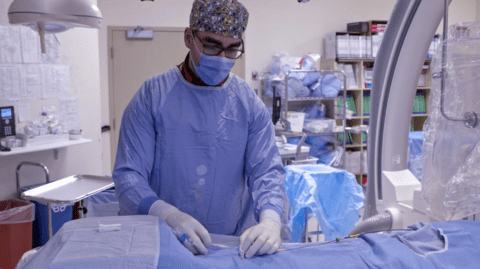
MME alumni founded company Vena Medical among first to receive $1.5 million in funds from new scale-up fund
Vena Medical, a company born out of a fourth-year Capstone Design project and now a Velocity Health company, just became one of the first recipients of Ontario’s new Life Sciences Scale-Up Fund (LSSUF). The LSSUF is part of the Government of Ontario’s larger efforts to support medical-based companies within the province. The fund’s goal is to help advance innovation and attract more interest and investment into the field.
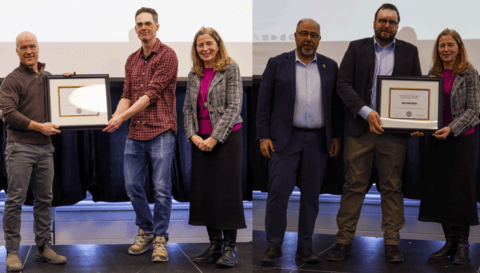
2025 Faculty of Engineering MME award recipients
Every year staff and faculty of the Faculty of Engineering here at the University of Waterloo gather for the engineering award lunch. The Faculty of Engineering hosts this lunch as an opportunity for celebrating staff and faculty for their amazing work in research, teaching, and service, building the faculty into the wonderful place to work and learn it is.
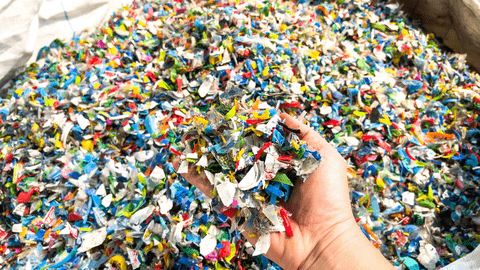
MME researchers are turning plastic waste into a valuable chemical
Dr. Yimin Wu and PhD student Wei Wei, in mechanical and mechatronics engineering, are turning plastic waste into acetic acid, a main ingredient of vinegar, using sunlight as a natural resource.