
As my 3B term of Biomedical Science begins, I’m reflecting on the two weeks I spent abroad at the University of Strathclyde in Glasgow in between my winter and spring terms.
This trip offered far more than an introduction to forensic science. Participating in the Forensic Science in Scotland (SCI 280) field course through the Faculty of Science was one of the most impactful experiences of my undergraduate education so far. It provided an immersive look at science and its intersection with the legal system, which allowed me to grow as a scientist and explore something new.
Throughout the course, we were introduced to a broad range of forensic science topics through lectures delivered by experts in the field and university professors. These sessions covered everything from DNA profiling, drug trafficking investigations, and textile analysis to the legislative processes that guide forensic work. I enjoyed these lectures as they tied together foundational science theory with unique applicable topics not typically discussed in general science courses. Rather than simply learning scientific concepts, we were encouraged to think about how evidence is collected, interpreted, and ultimately applied within real-world legal contexts.
One of the most valuable aspects of the program was its strong emphasis on hands-on learning. Much of our time was spent in laboratories and mock crime scene environments where we applied concepts introduced in lectures. I learned biological and chemical techniques used in forensic analysis while also developing a greater appreciation for the precision and attention to detail required in forensic work.


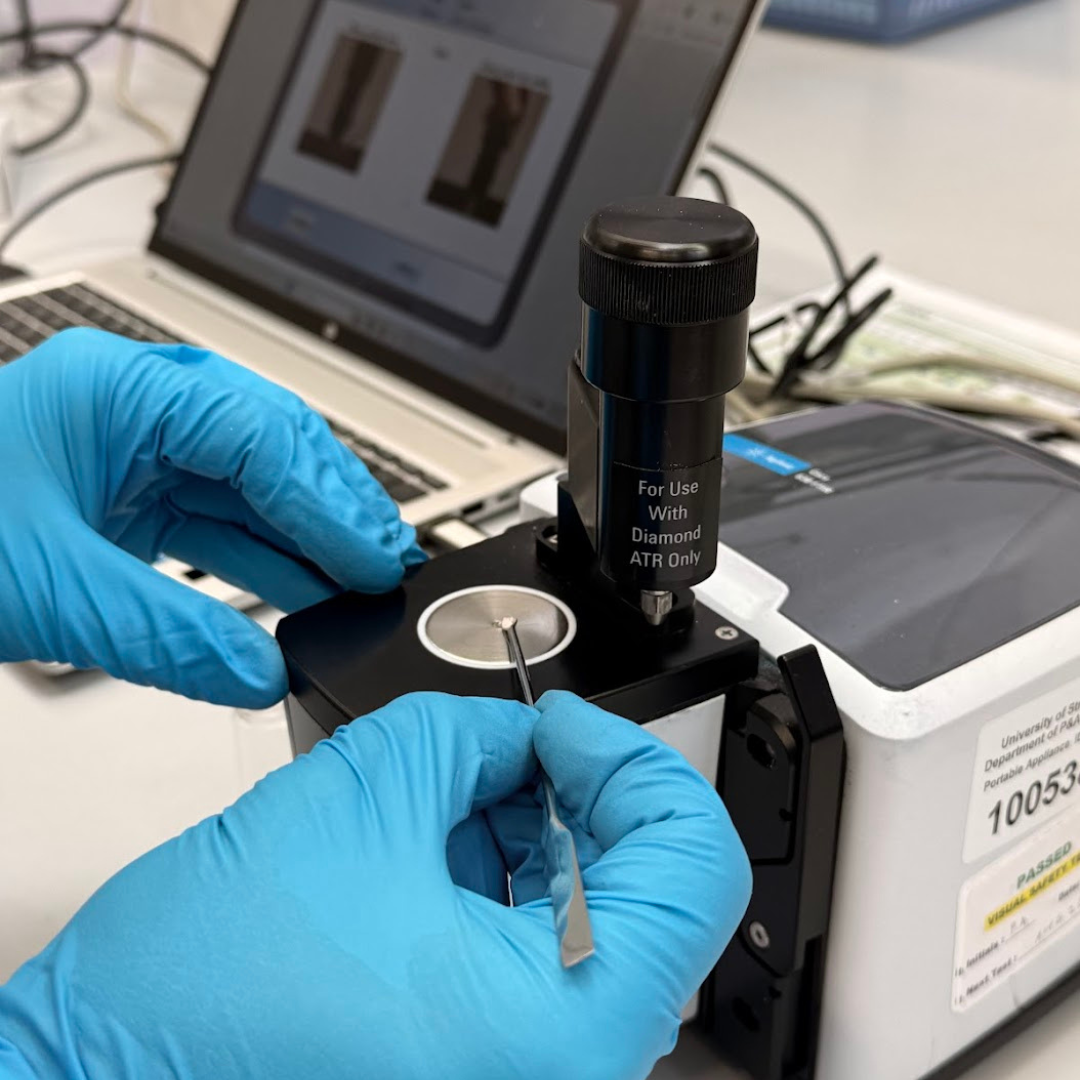
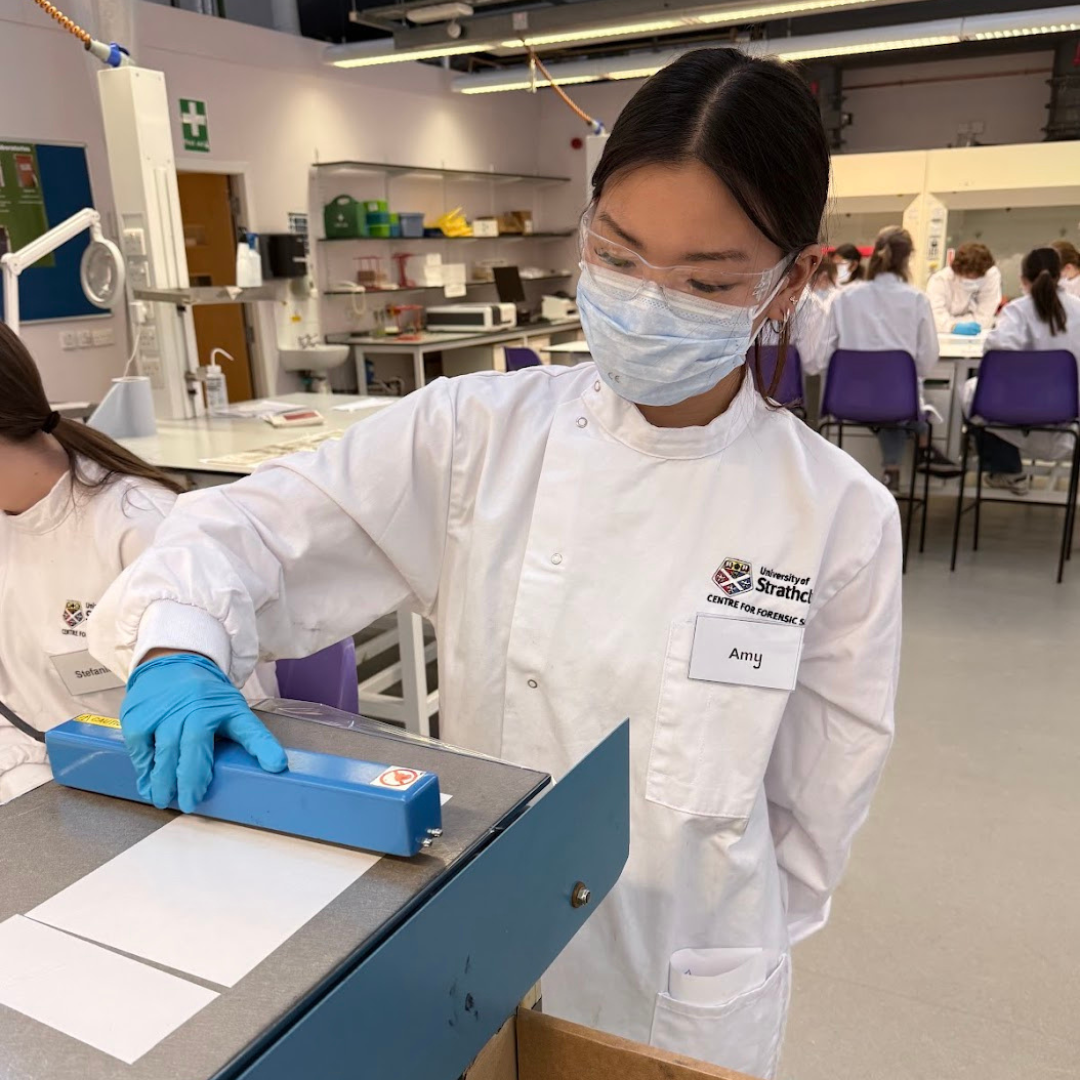
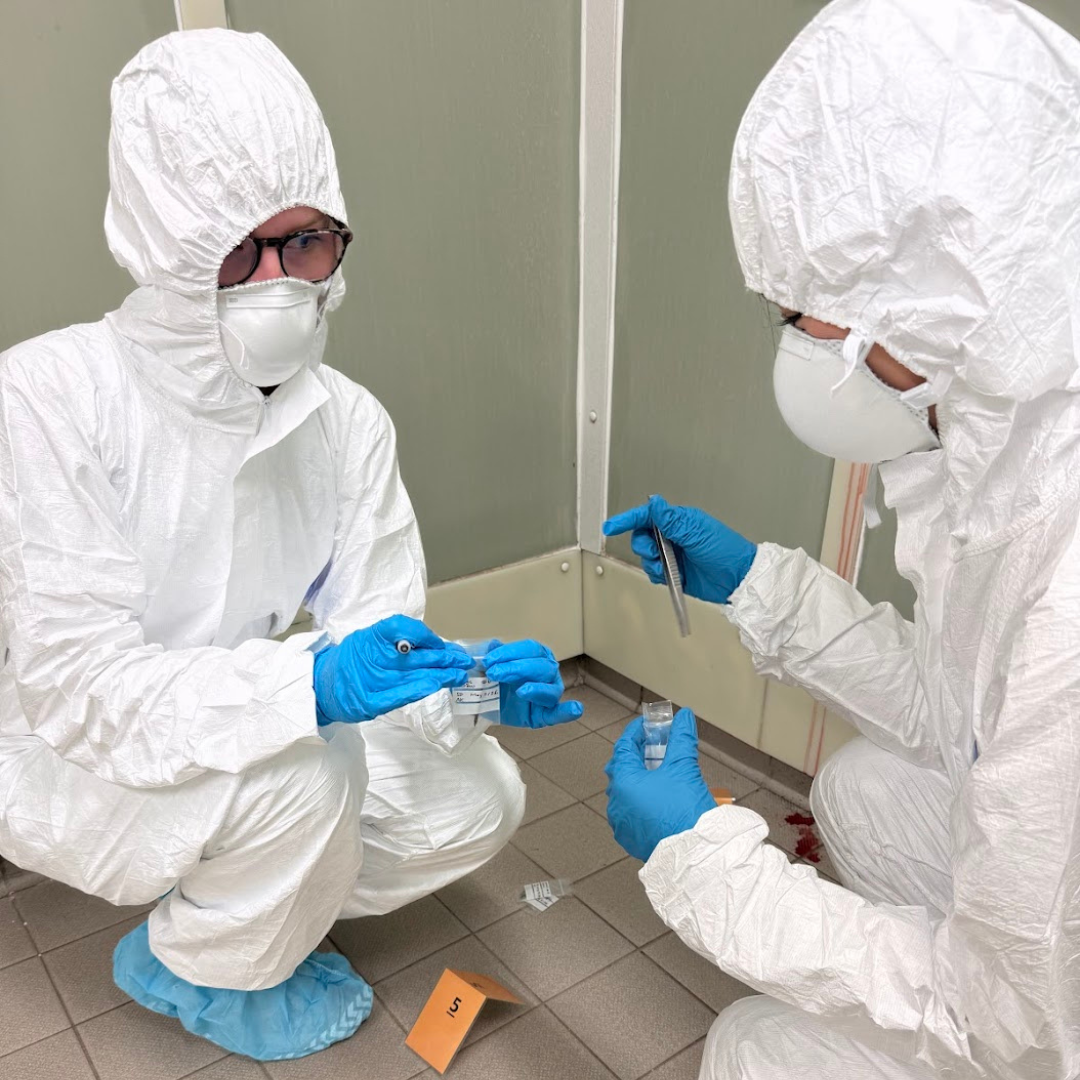
Participating in a mock crime scene investigation from start to finish was especially valuable. It demonstrated the true process of analyzing a crime and gave us a glimpse of what it would be like working as a crime scene investigator. From collecting and documenting evidence to analyzing results and drawing conclusions, the process showed me how collaborative forensic science can be.
Perhaps the most eye-opening moment of the trip was visiting the High Court of Justiciary in Glasgow and sitting in on a real murder trial. Observing forensic evidence being discussed and interpreted in court connected everything we had learned throughout the course in a way that no classroom lecture could replicate.
We also participated in a mock court trial to experience what it is like for forensic scientists to present evidence and provide testimony within a courtroom setting. This experience emphasized that this field extends beyond laboratory analysis; scientists must also be able to clearly communicate their findings in a way that is understandable, accurate, and legally sound.
Beyond academics, the trip also gave me the opportunity to explore Scotland. My classmates and I walked through Glasgow and visited historic landmarks to experience the local culture. I enjoyed spending time with other science students who have similar interests.
Looking back, this field course was far more than an exciting academic opportunity. It challenged me to think differently, strengthened my interest in forensic science, and gave me experiences that I will carry with me throughout my education and future career.
The University of Strathclyde has a unique 4+1 pathway for University of Waterloo Science students to pursue a MSc Forensic Science, which I am now considering after this trip. I would recommend that any interested students participate!