Degree Planning
The current requirements for completing a Bachelor of Applied Science degree in Environmental Engineering (including including Complementary Studies Electives, Technical Electives and Professional Development courses) are listed in the Undergraduate Calendar.
Students admitted in a prior year can find their degree requirements in the Academic Calendar Archives.
Degree Enhancement
In addition to receiving a professional engineering degree, Waterloo Engineering offers several ways for you to further enhance your degree and gain valuable experience.
Specializations
A specialization is intended to formally recognize on your diploma a focused selection of elective courses within Environmental Engineering.
Environmental Engineering Specializations

Energy and Climate Change
To better understand air quality and atmospheric processes in a world where our current energy use is driving climate change. To better design the built environment to enhance resilience, climate change adaptation and sustainability in the face of climate change within a context of environmental, economic, and social constraints and resilience.
What makes this environmental engineering? – Energy use and efficiency, understanding of air quality and emissions, sustainability of energy systems in the built environment in different regions, including the use of energy and how human systems create emissions of GHG and other pollutants, air pollution control design.




Pollution & Restoration
To design and build systems for pollution control, treatment, management, and restoration of natural resources. To ensure long-term prosperity while safeguarding the natural environment by enabling a sustainable circular economy of resilient green and grey infrastructure, waste prevention, end-of-life processing, and resource recovery.
What makes this environmental engineering? – Reflects all the ways that people want to interact with the natural world around them, recognizing that there are tradeoffs. Treatment processes, waste management, recycling/recovery of materials . Designing strategies for resilience and adaptation.




Sustainable Cities
To design and build urban areas that are sustainable in the face of climate change. Increasingly we live on an urban planet and this mission is essential for the creation of healthy inclusive cities and the redevelopment of existing spaces for a resilient future.
What makes this environmental engineering? – Integrated understanding of environmental engineering systems (water, waste, air) that are designed to manage water, air, and soil in cities.


Water Resources
To design resilient water resource systems and civil infrastructure in a world with a growing population but changing and uncertain water distribution and climate. To plan for extremes including disaster response, floods, and droughts, water quantity and availability. Do we have enough water in the right place? How do we source it sustainably? How can adapt to climate change?
What makes this environmental engineering? Hydrologic and hydraulic analysis, design of critical environmental infrastructure - source water management, urban water system design, hydrologic modelling.

Options
Options are intended to provide you with a path to expand your degree and are a specified combination of courses that provide a secondary emphasis in another subject or a career-oriented area. As a EnvE student you may be interested in: Life Sciences or Physical Sciences; Theme 3: Earth & Environmental Sciences.
Course Highlights
ENVE 100: Environmental and Geological Engineering Concepts
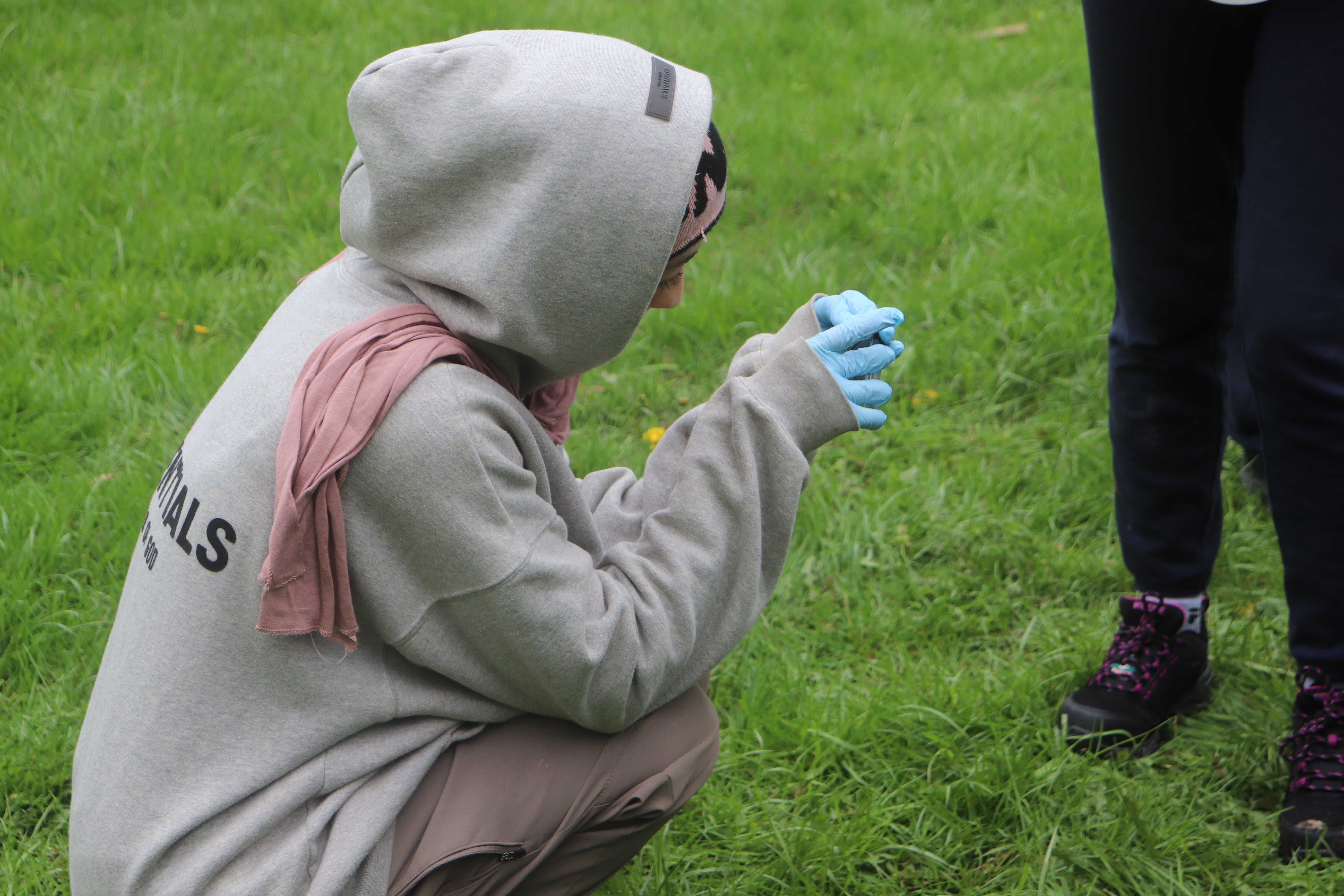
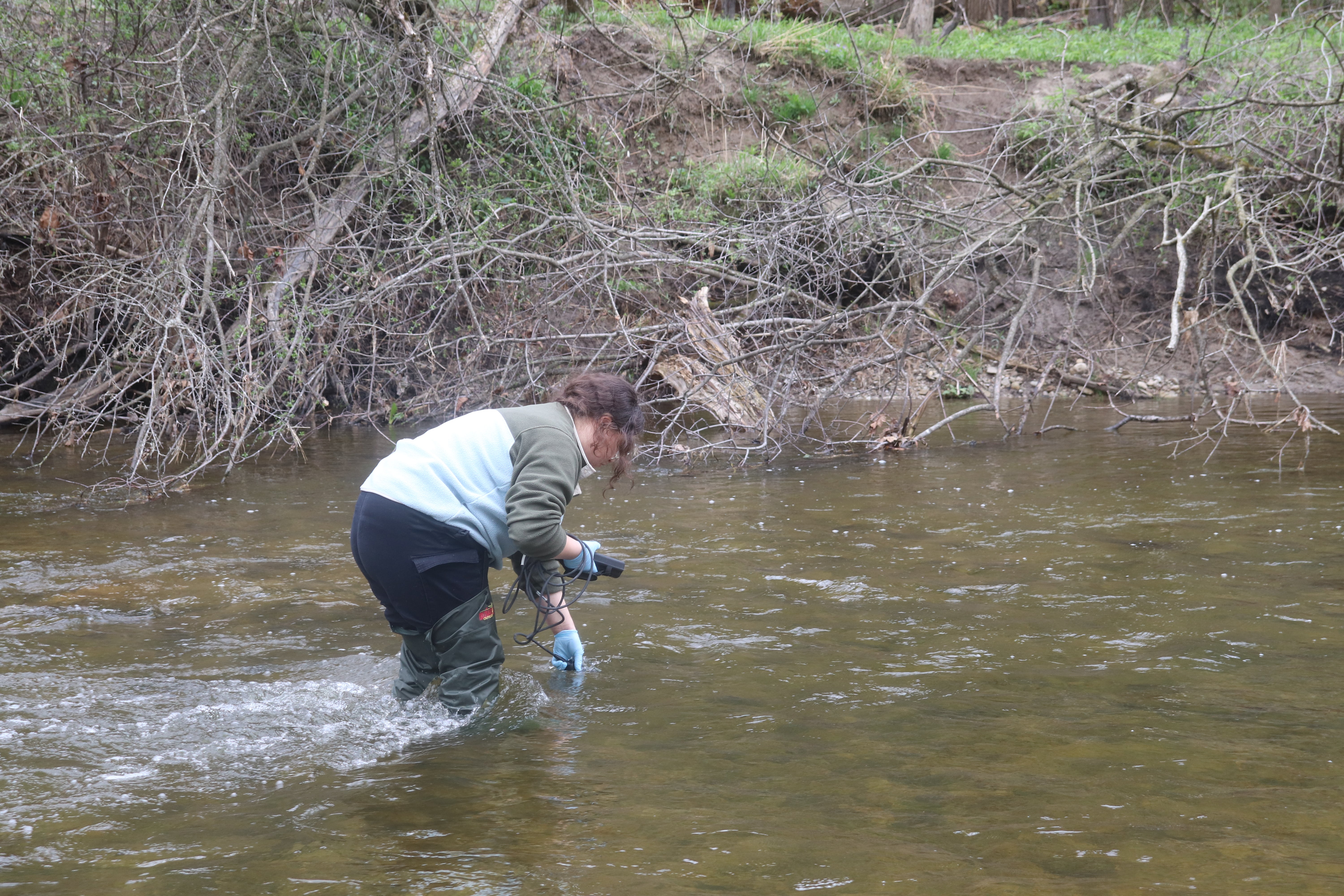
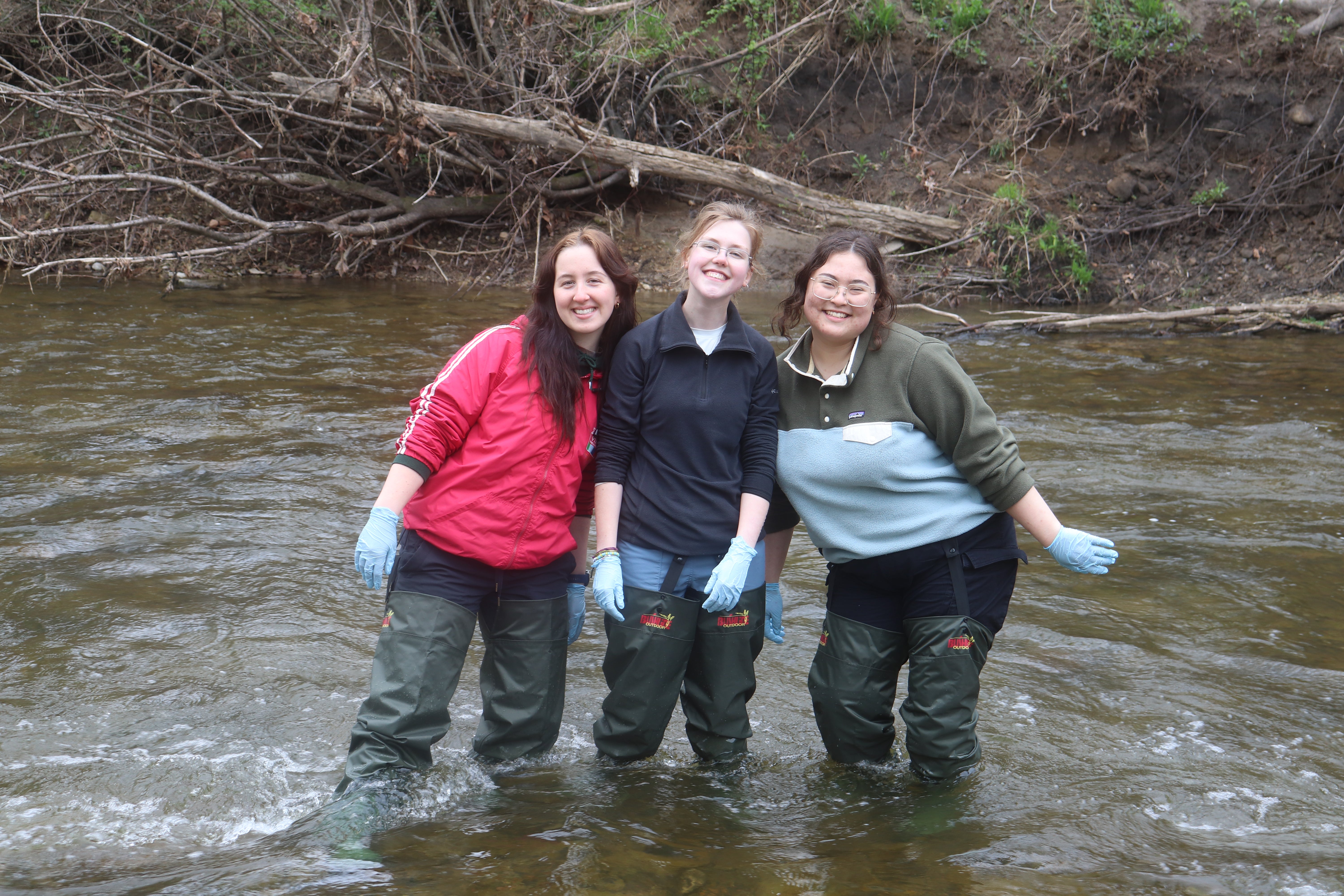
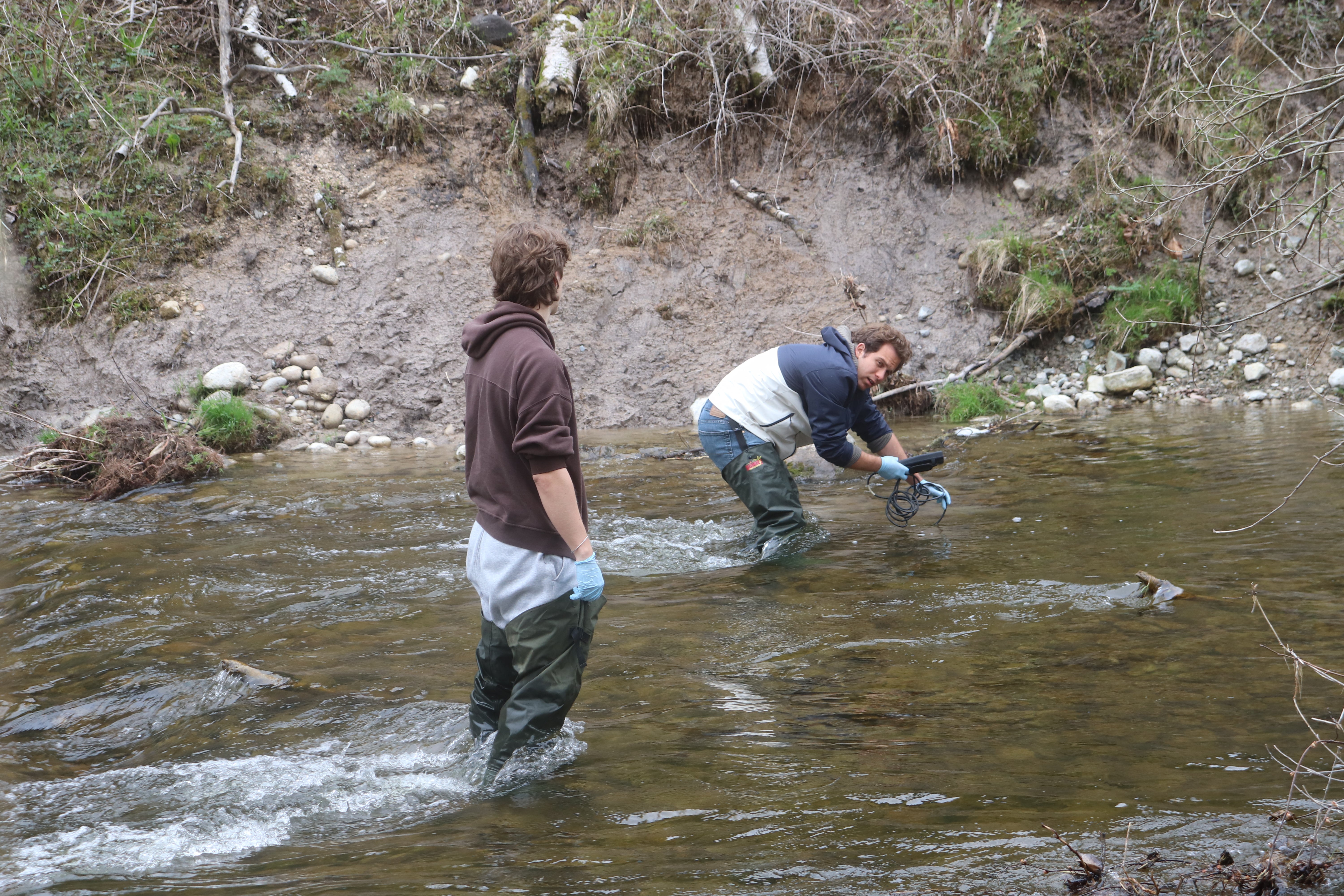
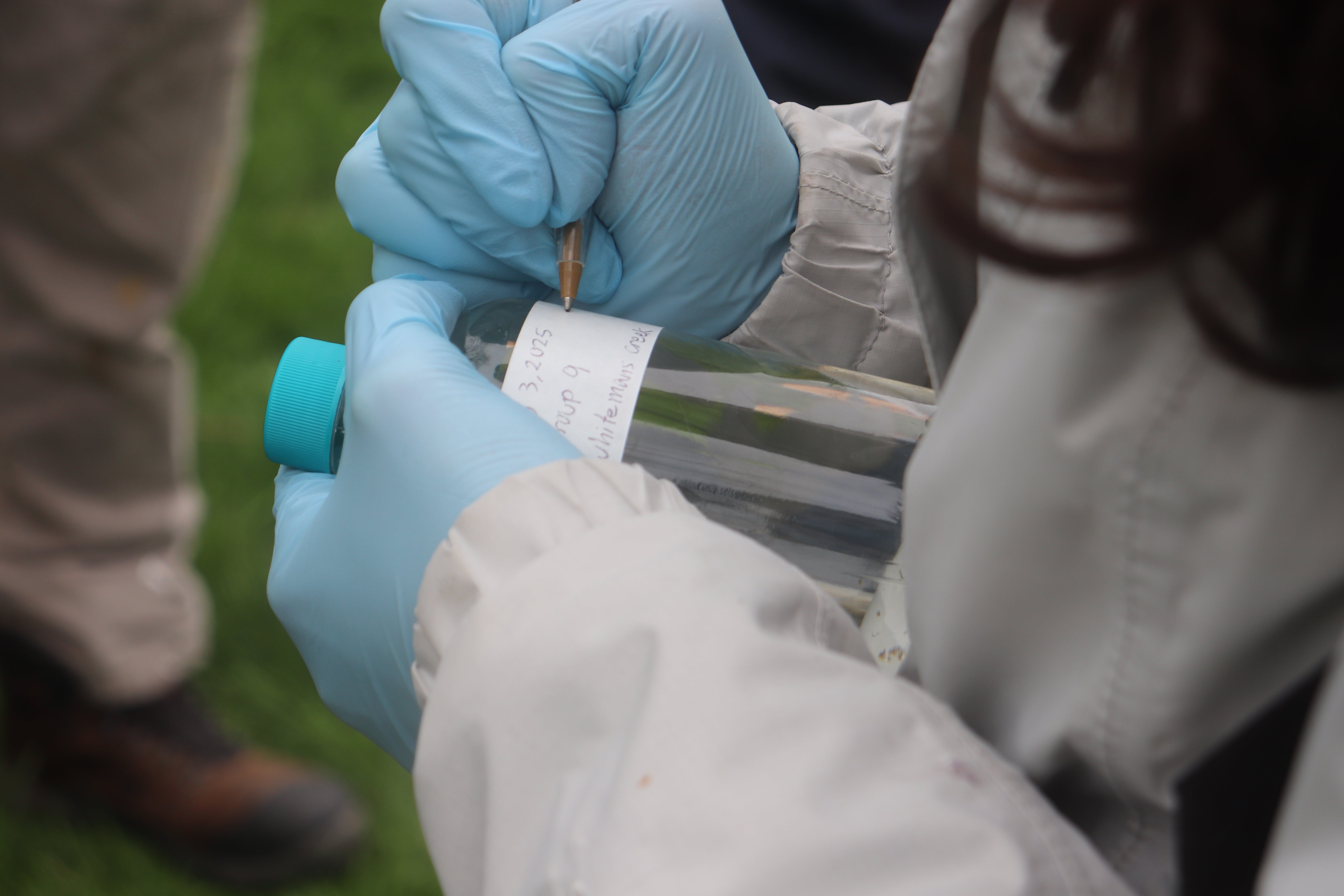
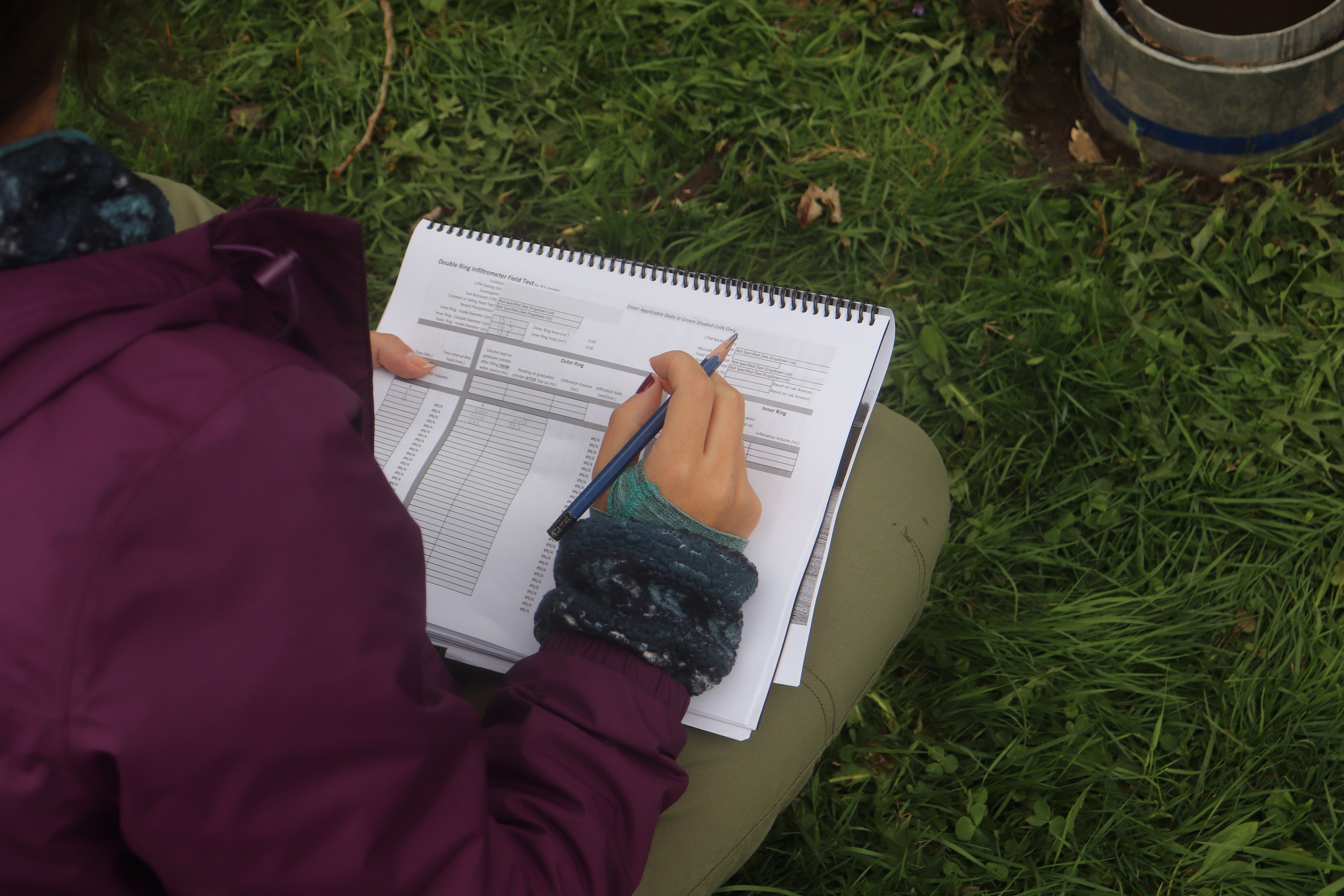
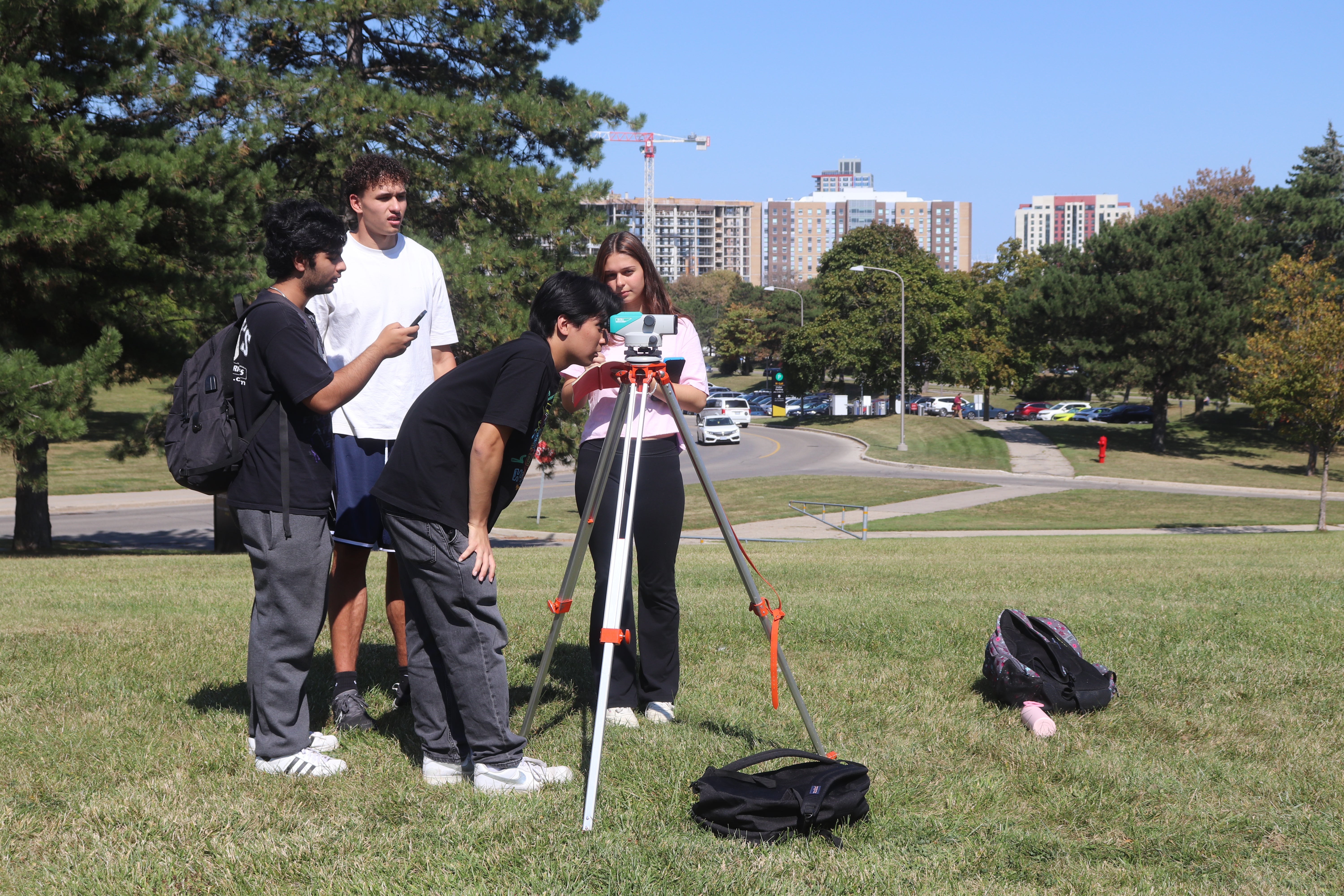
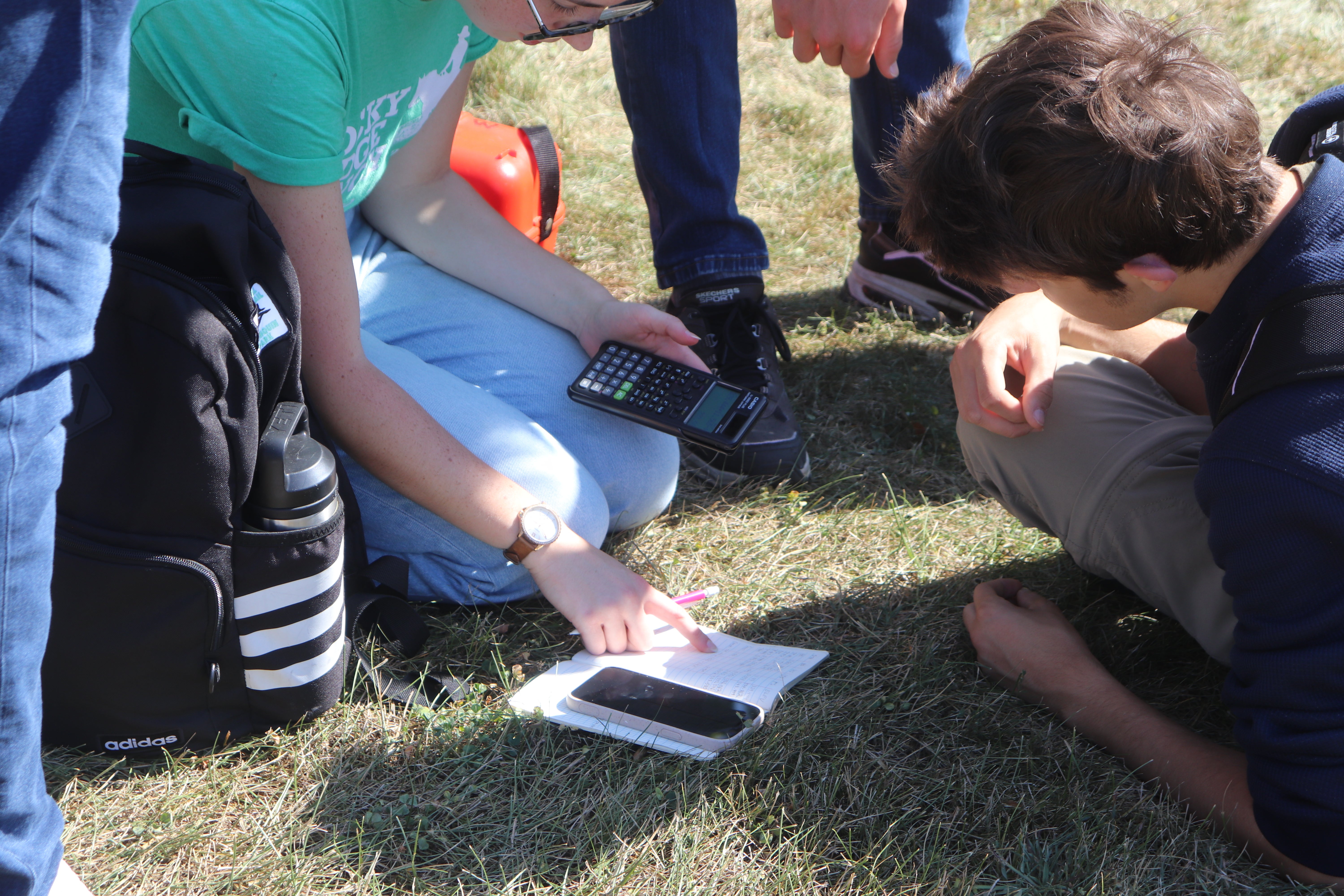
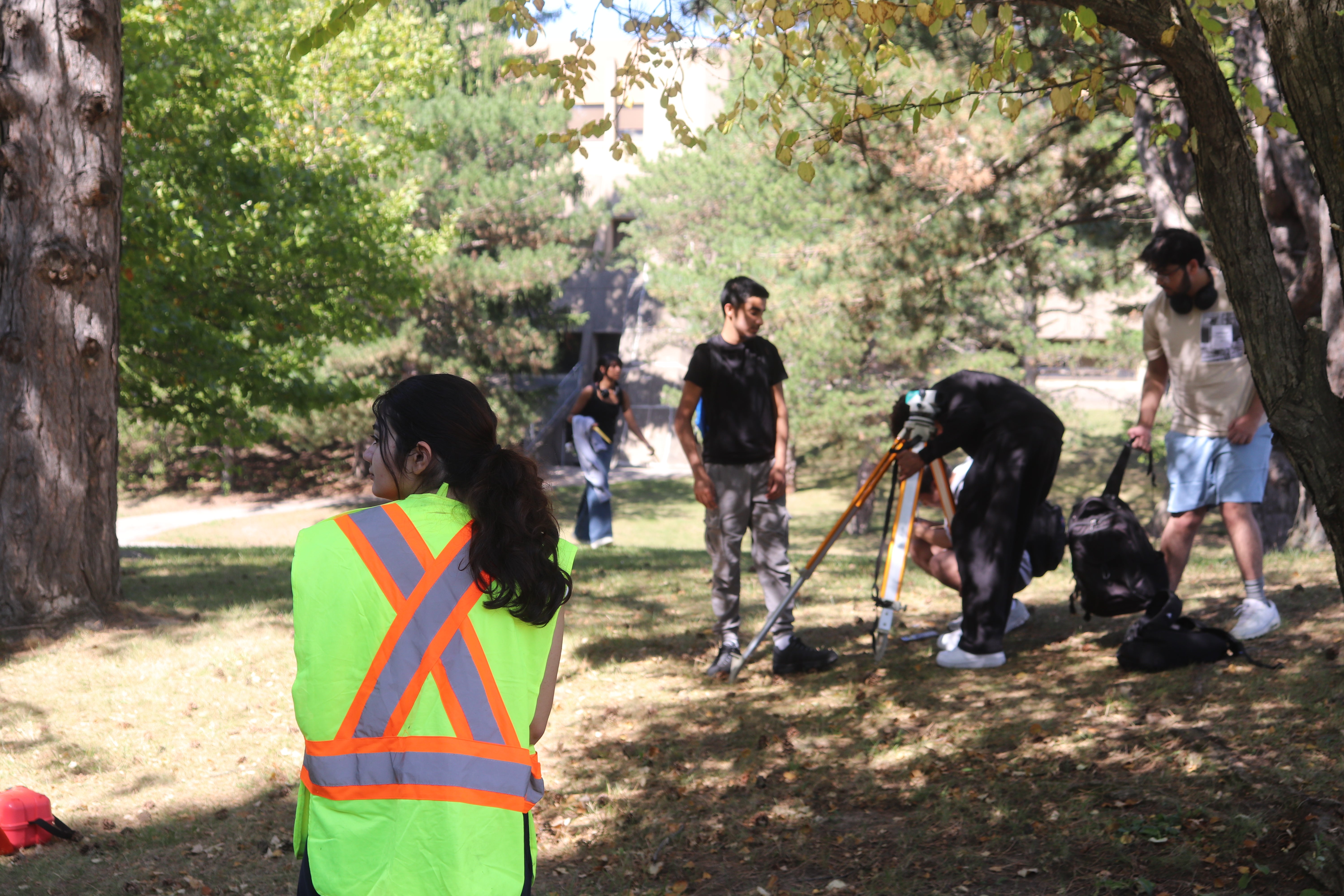
ENVE 330: Lab Analysis and Field Sampling Techniques
An introduction to the fundamental concepts of physical and chemical measurement of the environment. Review of basic statistics, quality assurance and control, sources of error, seasonal effects, sample preservation. Practical and essential elements of water, soil and air sampling. Introduction to measurement techniques including: colorimetry, chromatography, spectroscopy, electrochemical probes, remote sensing. Design of monitoring strategies, and use of methods to assess validity of laboratory data.
This course also offers a unique two-part overnight trip to Five Oaks Conservation Area, where students will put their learned skills to the test.
ENVE 376: Biological Processes
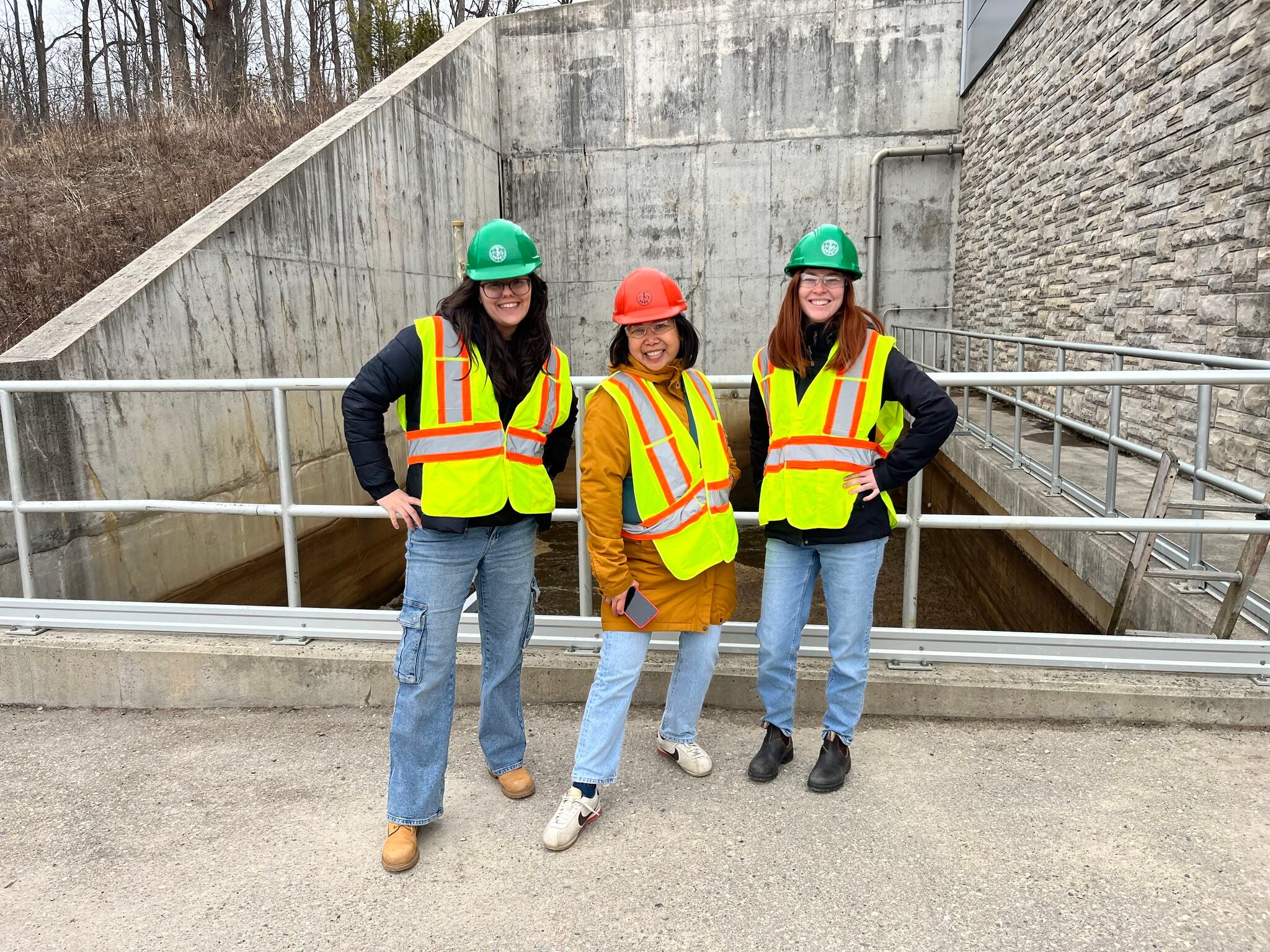
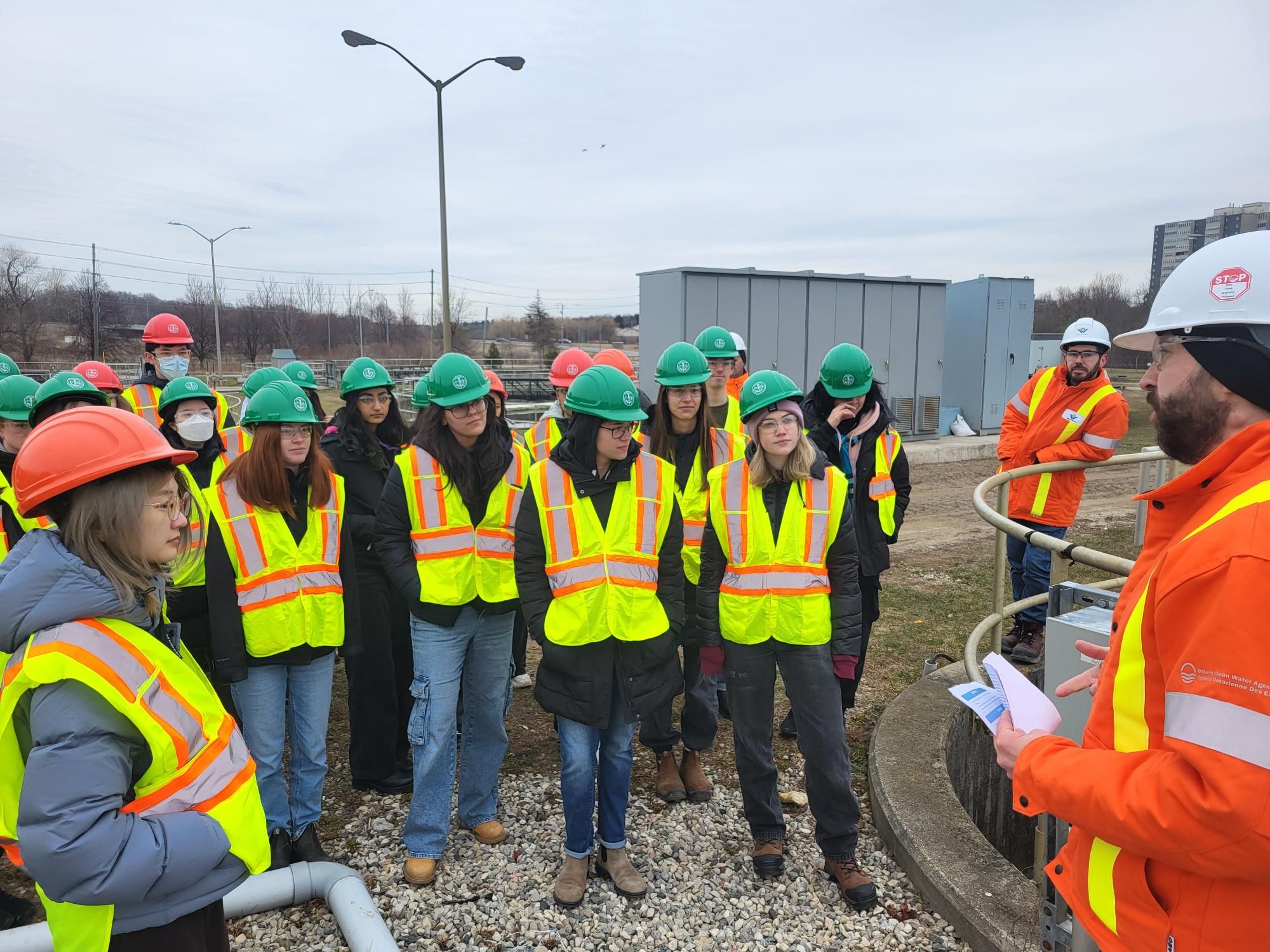
Common microbial substrates and metabolisms in engineered and natural systems, kinetics of microbial growth, stoichiometry of nutrient uptake, continuous flow stirred tanks with/without recycling, aeration system design, applications to wastewater treatment, solid waste management, groundwater, and soil remediation.
ENVE 100


ENVE 330