Smart, skilled and ready: Waterloo co-op students shape international research
By: Krista Henry (she/her)
Dr. Reynold Chow believes in Waterloo co-op talent. That’s why he brings co-op students to international institutions to work on environmental research and teaching
A former co-op student, Chow (MSc ’12) wants global employers to tap into the talent pool of Waterloo. “Co-op at Waterloo is such a great program. To intermingle the learning and practical work experience is very beneficial,” Dr. Chow (he/him) says. “I found great value and enjoyment in the exposure I received during co-op.”
Today, Dr. Chow is a hydrogeologist and assistant professor at Wageningen University in the Netherlands. He is also a global connector for co-op talent. From South Africa to Germany, and hopefully in the Netherlands, Dr. Chow hires students wherever he goes.
Hiring snapshot
It’s important to hire co-op students. I’ve found them to be motivated and they add a lot of value. We often have work that takes a lot of time. I mentor my students to get them to the point where I can delegate work and get more done.

Dr. Reynold Chow, hydrogeologist and assistant professor, Wageningen University.
The co-op advantage
Students work on a mix of research, teaching, lab and field activities such as collecting samples. Thenuja Vittanachchi (she/her), an Environmental Science co-op student, worked on a number of projects during her work term at Stellenbosch University.
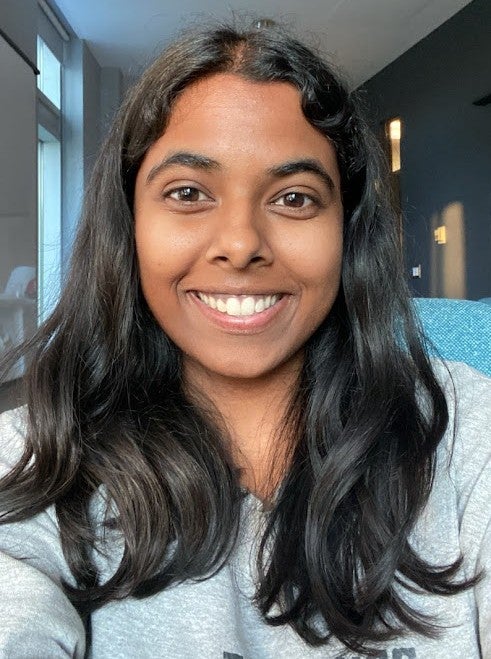
Thenuja Vittanachchi, Waterloo Environmental Science co-op student.
My work involved field sampling of surface and groundwater across multiple sites. The sampling site was on agricultural land, so it was very cool to meet South African farmers and learn about their way of life.
"On the teaching side, I helped run the hydrogeology course, facilitate labs and marked students’ work, " Thenuja says.
An added bonus
Dr. Chow emphasizes that students who have completed multiple work terms arrive with a professional mindset and soft skills that set them apart. “They’re not just students—they behave like professionals. That’s a result of the system they come from,” he explains. “The co-op students I’ve worked with are incredibly driven. They bring real insights to research and teaching projects, and they’re eager to learn.”
Students, he believes, also offer employers a unique opportunity to enrich their teams. They bring diverse perspectives, adaptable talent and relevant skills. Co-op also presents an opportunity for the team to brush up on their interviewing and mentoring skills. Dr. Chow praises Waterloo’s recruitment process for being well-structured and easy to follow.
From an international perspective, hiring students also fosters cross-cultural exchange and builds bridges between institutions. Dr. Chow notes that co-op students working abroad gain exposure to different work environments which enhances their adaptability and global awareness.
Vittanachchi agrees that working abroad is a two-way street. “Waterloo students bring a fresh perspective, shaped by our previous work experiences across different industries. This can spark new ideas and different approaches to problem-solving as well as cross-cultural adaptation skills,” she says.
Waterloo students bring certified research skills
What makes some Waterloo students stand out even more is the Co-op Reseach Certificate. The certificate recognizes students who choose to work in research-focused positions on multiple work terms. These students have experiences that have allowed them to deepen their exposure to research and other skills.
“It’s not just about the technical skills,” Chow says. “It’s about understanding how things work in different countries, learning new communication styles, and even discovering tools and technologies they can introduce to your team.”

Thenuja Vittanachchi collects data in the field in South Africa.
The takeaway?
Students often go on to become valuable collaborators, and the relationship built with them can lead to future partnerships.