From co-op to mission control: Waterloo students help launch the future of space research
By: Micaela Kelly
Sending a research instrument into the stratosphere isn't the typical co-op assignment. However, Professor Stanimir Metchev trusts students to solve problems and contribute to complex research.

Waterloo co-op students take ownership of projects with real research outcomes. At Western University's Institute for Earth and Space Exploration, this includes:
- Developing instrumentation for future space telescopes.
- Testing new technologies.
- Analyzing data from high-altitude balloon flights.
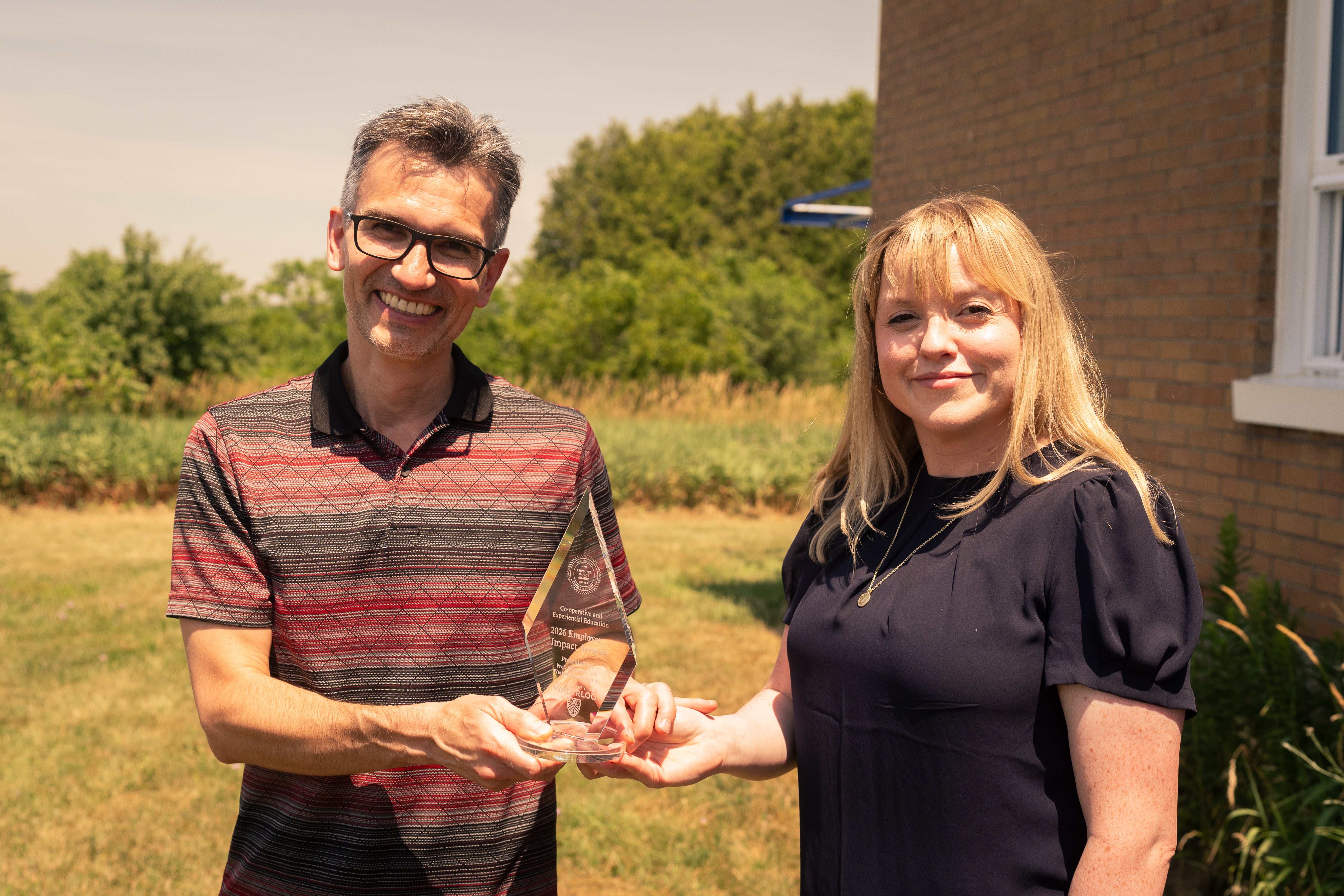
Metchev's Lab helps students expand what's possible, which is why it is no surprise his lab earned the 2026 Employer Impact Award for Impact in Research.
It's wonderful to see how after about a month or two, they feel like they own a piece of this project, or sometimes even the whole project.

Dr. Stanimir Metchev, Professor, Physics and Astronomy, Western University and member of The Institute for Earth and Space Exploration.
The opportunity:
Metchev's team develops and tests instruments used to study stars, exoplanets and future space missions. They work on high-risk, early-stage projects where solutions are not yet known.
To push projects forward, Metchev hires co-op students. Focusing on next generation talent that think independently and solve problems creatively. Students who take ownership of complex challenges.
"The skills and mindsets that I look for in Waterloo students are independence and passion," says Metchev. "They're highly motivated, well prepared and have excellent work ethic."
Company snapshot
Industry: Astronomy, earth and space exploration
Location: Western University, London, Ontario
Years as a co-op employer: 9
Total students hired: 15
Key roles filled: Observational Astronomy Research Assistant, Remote Sensing Assistant, Research Assistant
The co-op solution
Metchev jokes that his motivation for mentoring co-op students is "very selfish." His joke contains a serious truth: hiring exceptional students solves two fundamental problems. Students advance complex projects today and develop into critical talent for tomorrow. Several former co-op students have gone on to join his research group as graduate students, while others have built successful careers in academia and industry. " The motivation for recruiting these highly capable students lies in the multiplier effect they have on the quality, productivity and outcomes of our research," Metchev says.
Metchev's research focuses on developing and testing new technologies for astronomy, including instruments for future space missions. To achieve this, he brings together students from different faculties and gives them significant responsibility from day one.
Rather than assigning simple tasks, Metchev assigns students real research problems to solve.
"The goal is to come up with a challenge that I myself don't know how to solve," says Metchev. "Then we hire students who bring expertise that complements what we already have."

Students Ali Mohammed-Ali, Noel Wajnblum and Abilene Jull, left to right, are working with Western University Prof. Stanimir Metchev to launch an infrared camera into the stratosphere from a site near the Timmins airport.
The approach creates opportunities for students to make meaningful research contributions, and build the confidence and independence needed for future research careers.
"Dr. Metchev has been opening doors for Waterloo co-op students through exceptional research work terms for nearly a decade. His commitment to student development helps students gain invaluable experience while contributing to cutting-edge research. We’re grateful for his continued partnership and for setting such a high standard for the co-op experience," says Kate Baker, Employer Experience Manager at Co-operative and Experiential Education (CEE).
Real impact, real success:
Noel Wajnblum
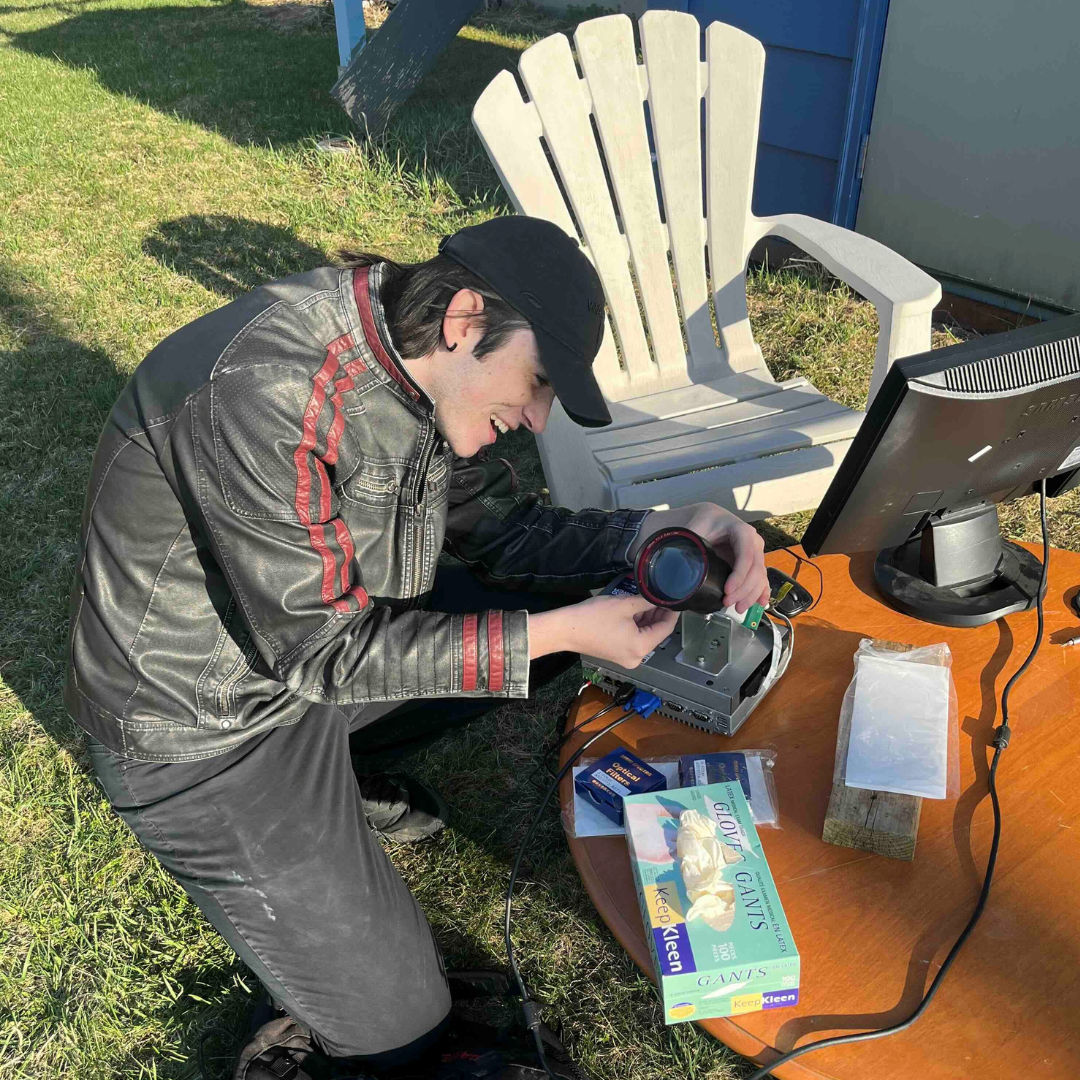
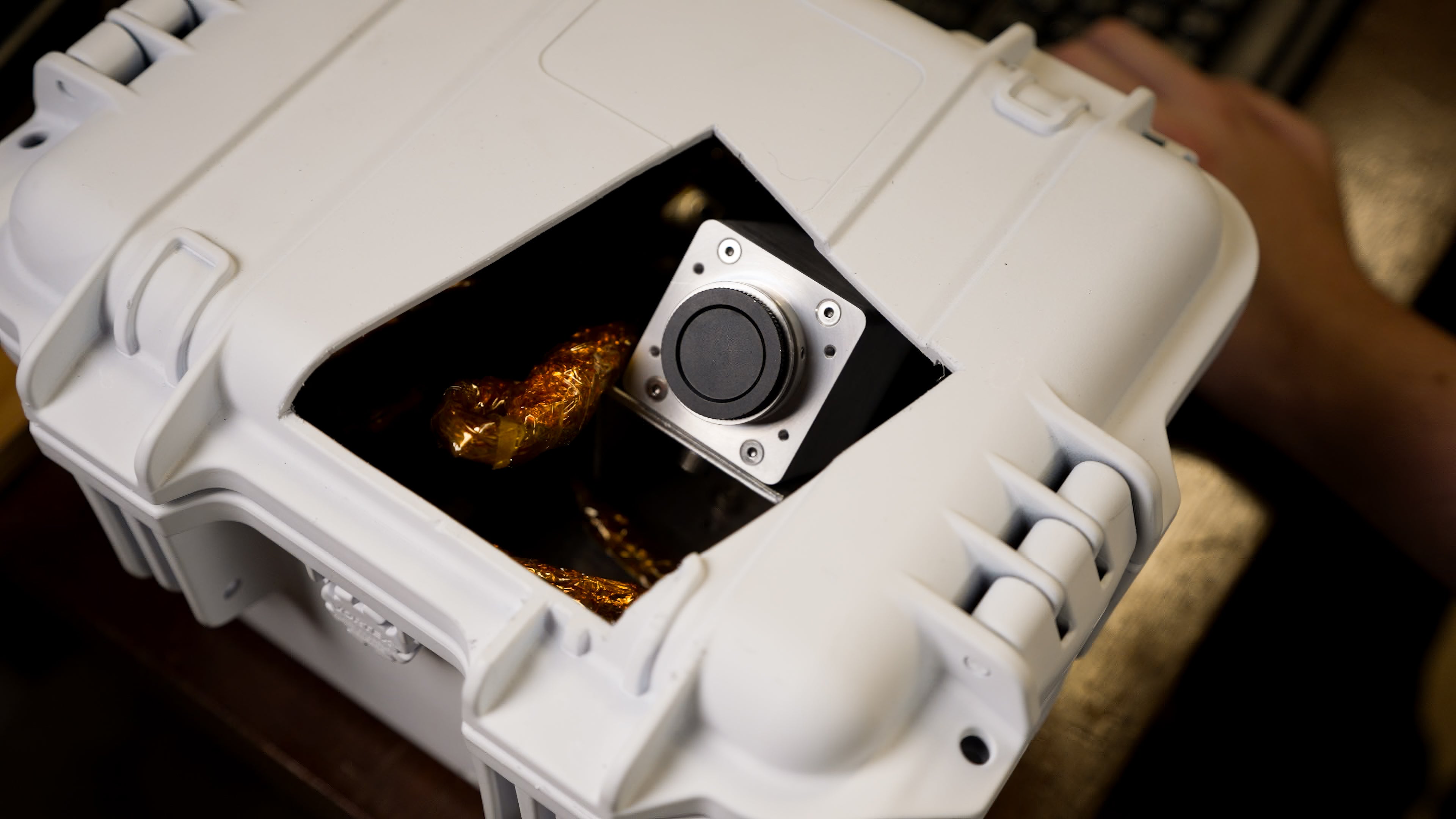
Noel Wajnblum, Physics and Astronomy co-op student, joined Metchev's lab to help build an infrared imaging system for the Photometry Observations of Exoplanet Transits (POET) project. He designed a camera device to fly aboard a stratospheric balloon to collect astronomical observations.
What started as a co-op placement quickly became a research leadership opportunity.
Wajnblum spent his first term building and troubleshooting the camera system to fly on the balloon. When a critical computer stopped working, he spent weeks investigating the problem and testing potential solutions.
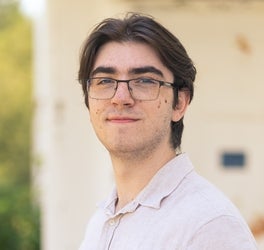
Noel Wajnblum, Physics and Astronomy co-op student
"I thought Dr. Metchev was going to fire me on the spot," he says. Instead, Metchev encouraged Wajnblum to figure it out himself. "He allowed me to test a new solution, whether it was to replace a wire, try a computer reset or contact the hardware company and see if they've had any issues. He gave me the facilities and the time to do that," says Wajnblum. "It made me feel like I could continue to troubleshoot and really work out issues without worrying."
Over three co-op work terms, Wajnblum's responsibilities expanded from building hardware to helping lead the project. He participated in radiation testing at TRIUMF, contributed to a stratospheric balloon launch and first authored a research paper based on the work.
"My responsibilities helped me realize that these things are attainable and very much achievable in the scope of a co-op student," Wajnblum says. "It also helped me realize that I do like research as a career."
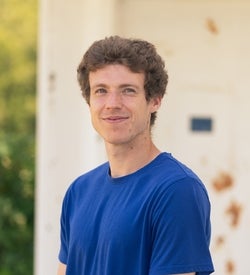
Matthew Muir, Nanotechnology Engineering co-op student
Matthew Muir
Matthew Muir, Nanotechnology Engineering co-op student, worked in Metchev's lab from January to August 2026. He helped prepare the next generation of the balloon payload by redesigning hardware, software and communication systems for an upcoming stratospheric balloon flight.
Building on Wajnblum’s work, Muir adapted the system to meet the requirements of a new balloon platform and updated data transmission systems, communication software and flight hardware.
Working alongside astronomy students, Muir gained firsthand experience leading research projects and collaborating across disciplines. Although he entered the role with limited astronomy experience, he brought expertise in nanotechnology, programming and instrumentation that helped advance the project.
"Dr. Metchev would come to us with a problem and give us the freedom to figure out the best solution," says Muir.
The experience strengthened Muir’s confidence as a researcher. By taking ownership and learning when to work independently and when to seek guidance, Muir developed both technical and leadership skills. "The more you do it, the more you build confidence and belief in yourself," he says.

Dr Metchev accepting the Impact in Research Award from Kate Baker, Employer Experience Manager, CEE.

Noel Wajnblum, Physics and Astronomy co-op student, working on camera

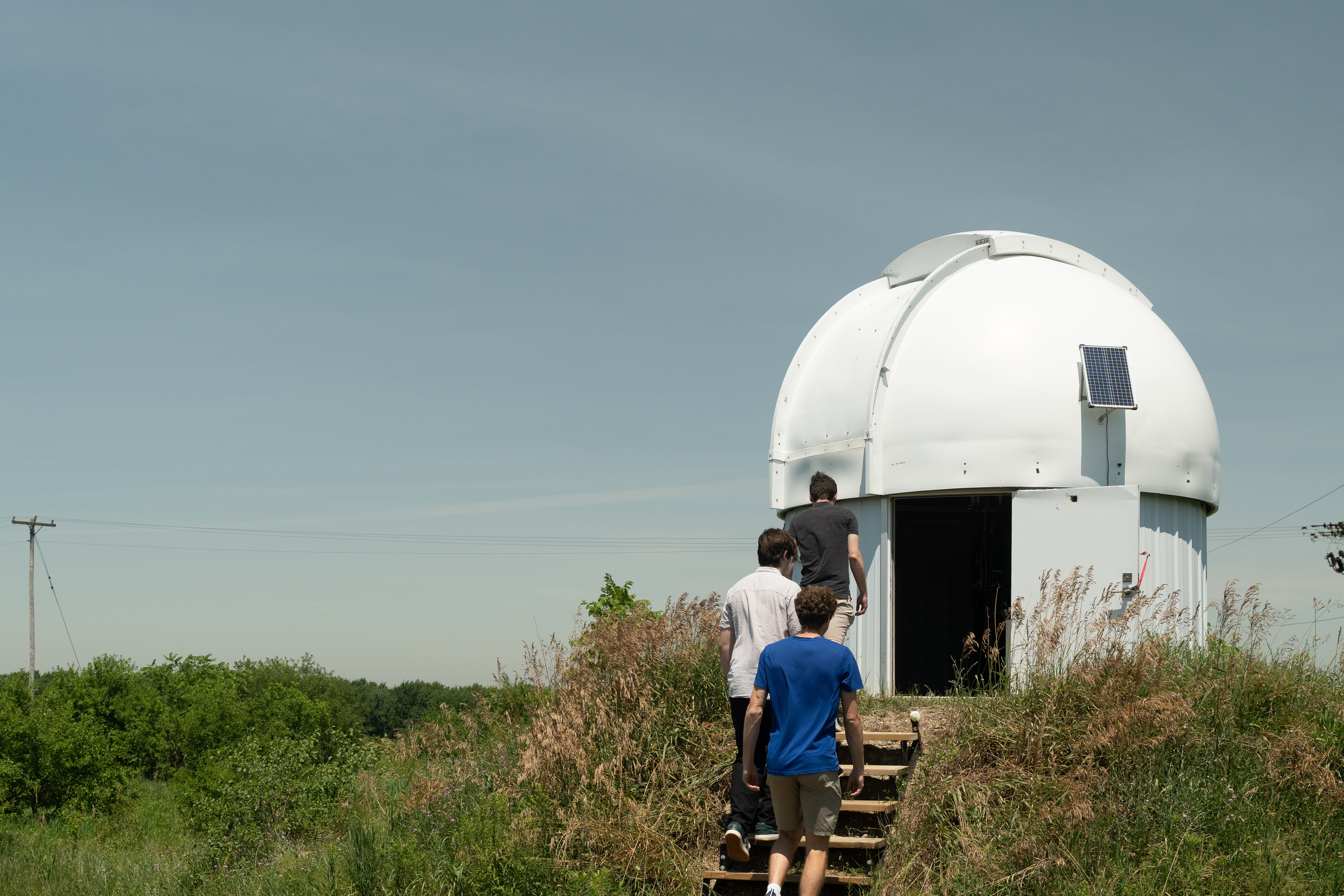
The Elginfield Observatory, where the students and Dr Metchev collect data for their research.

Wajnblum and Muir's camera device designed to fly aboard a stratospheric balloon and collect astronomical observations.
The takeaway?
Great research requires great researchers of all levels of thinking, expertise and experience.
By giving Waterloo co-op students ownership of ambitious projects, from stratospheric balloon missions to publishable research, Dr Metchev creates an environment where students do more than contribute to research. They help drive it.
Want to learn more? Hear directly from Metchev and the Waterloo co-op students helping shape the future of space research.