Mattamy Homes has a blueprint for sustainability to build a better future
By: Micaela Kelly (she/her)
At Mattamy Homes, sustainability starts before laying the first brick. Canada’s largest family-owned homebuilder is reimagining what it means to build responsibly.
Mattamy hires Waterloo co-op students to contribute to real-world projects and gives students the opportunities to find innovative environmental solutions through a capstone project. Student-led innovations are helping Mattamy demonstrate that the future of housing is sustainable.
Mattamy Homes is the recipient of the Co-operative and Experiential Education (CEE) 2025 Employer Impact Award for Impact in Sustainability. The award recognizes the company’s commitment to providing students with meaningful experiences and outstanding projects that advance environmental goals.
We’re not just building homes—we’re building a better world. Our students are helping us do that.

Phillip Santana, director of sustainability, Mattamy Homes
Company snapshot
Industry: Residential construction
Location: Canada and the U.S.
Years of operation: 47
Years as a co-op employer: 10+
Total Waterloo co-op work terms: 150+
Key co-op student roles: Land development, business analyst, data analytics, renewables, sales assistant and finance
The approach
Mattamy’s sustainability capstone project is a standout initiative. Students from multiple Mattamy locations and departments, including finance, planning and design, are grouped into interdisciplinary teams. Each team has a dedicated sustainability mentor.
“The sustainability capstone is an incubator for great ideas. Students collaborate across departments and geographies to solve real problems,” says Sebastian Burghardt (he/him), manager of talent acquisition at Mattamy Homes.
Students receive weekly mentorship, attend educational sessions and select student teams have the opportunity to present their completed proposals to senior leadership. Leadership then selects the winning proposal. “We’ve seen multiple capstone concepts evolve into real projects. From low-carbon design packages to phase-change batteries,” Santana says.

Sebastian Burghardt, manager of talent acquisition, Mattamy Homes
The impact of co-op students
Kennedy Bee (she/her), an Architectural Engineering student, made a lasting impression at Mattamy Homes. Her capstone team proposed using mass timber to reduce embodied carbon. Bee’s idea was rooted in her academic background and supported by Mattamy’s sustainability mentors.
“We weren’t just brainstorming—we were building something real. Our mentor helped us shape the idea and prepare for the final presentation,” Bee says. Beyond the capstone, Bee contributed to analytical models, joined client meetings and supported multiple projects during her co-op work term at Mattamy Homes.
“As an intern, you feel temporary. But when my work was recognized, I felt like I truly mattered,” Bee adds. Bee’s experience reflects Mattamy’s broader approach to trust students with meaningful work. Co-op students’ ideas, like innovative energy systems, are helping the company to shape the future of sustainable homebuilding.
“Mattamy Homes exemplifies how co-op employers can integrate student talent into meaningful sustainability work,” says Kevin Smith, account manager, CEE. “Their capstone initiative and mentorship approach give students the chance to contribute meaningfully to sustainable housing innovations.”

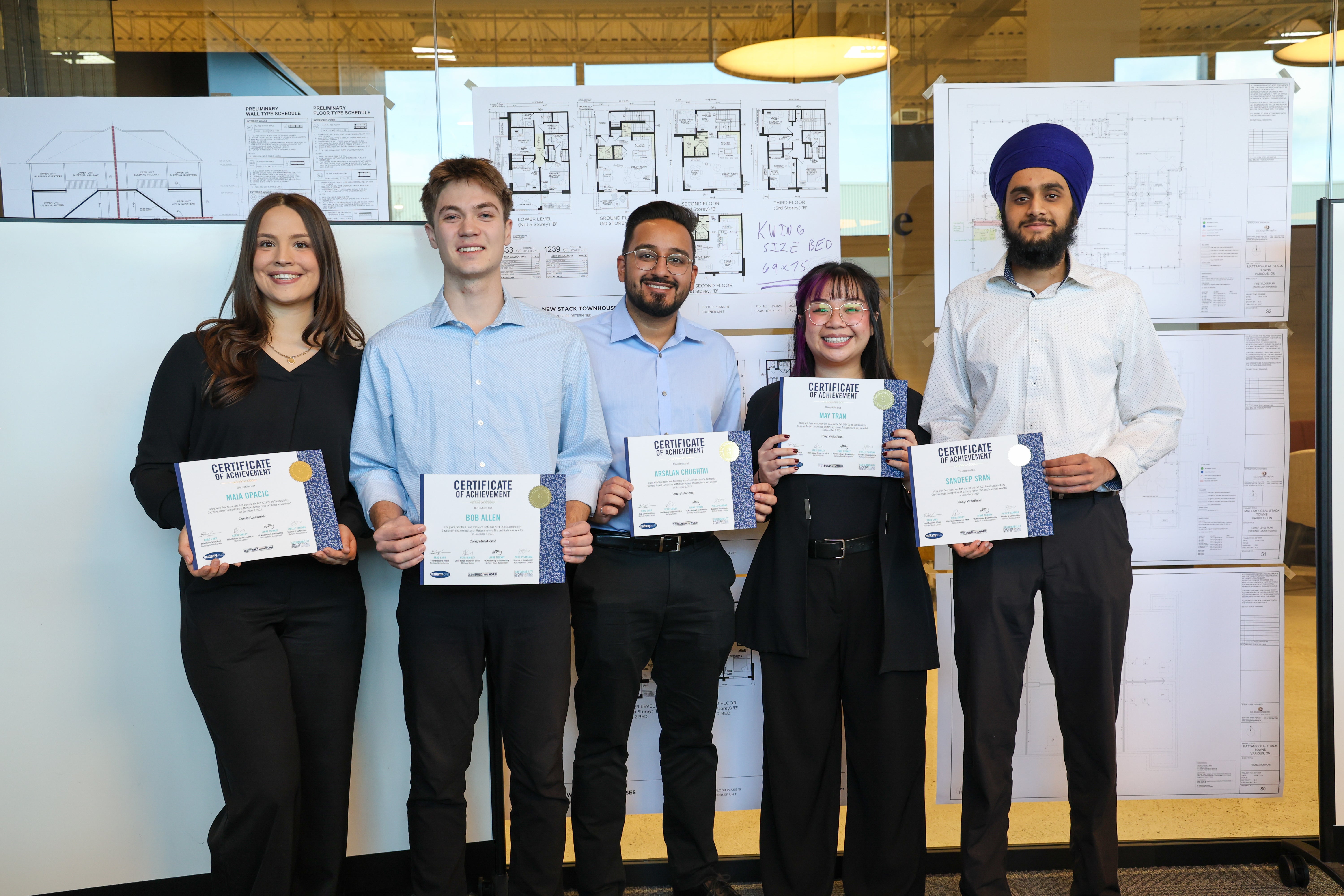
Co-op students pose with their certificates provided by Mattamy Homes

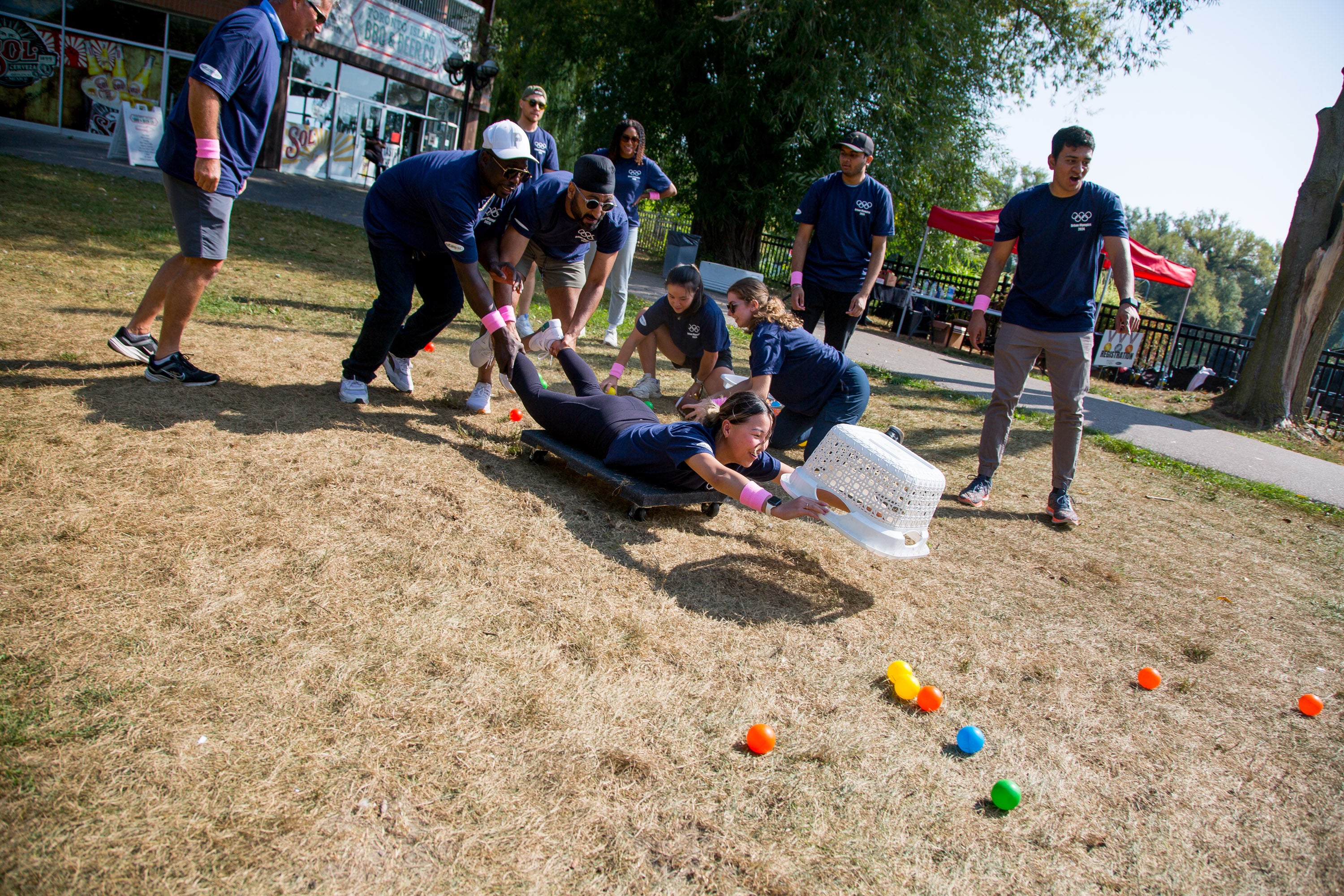
Co-op students participate in a team building activity with Mattamy Homes

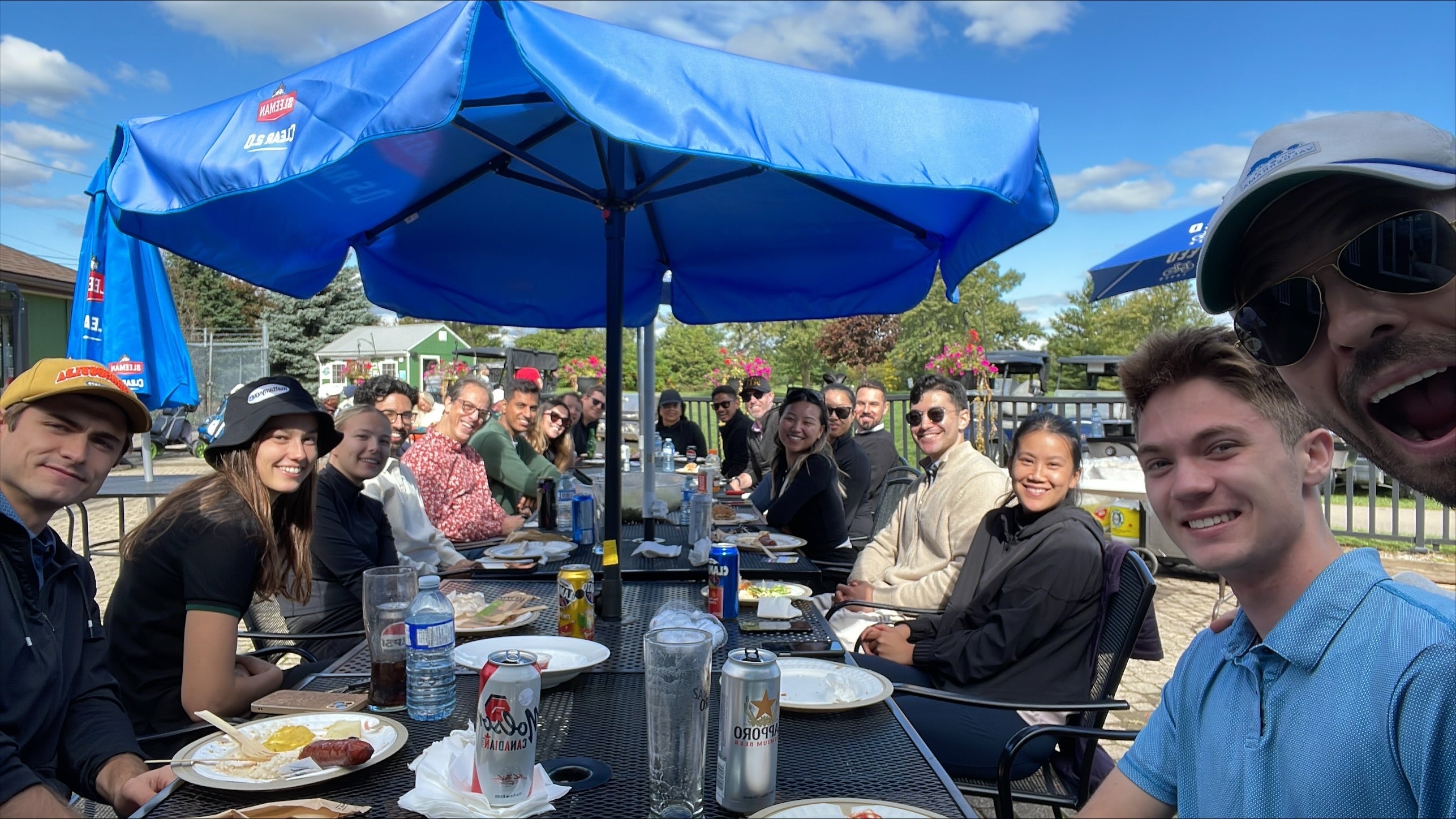
Students and team members of Mattamy Homes enjoy lunch together

Kennedy Bee, Waterloo Architectural Engineering co-op student

The takeaway?
For Mattamy Homes, sustainability is more than a checkbox; it’s a mindset. By empowering students to lead, Mattamy Homes is helping to build a better world.