
Tuesday, October 13, 2020
Microwaves measure properties of liquids

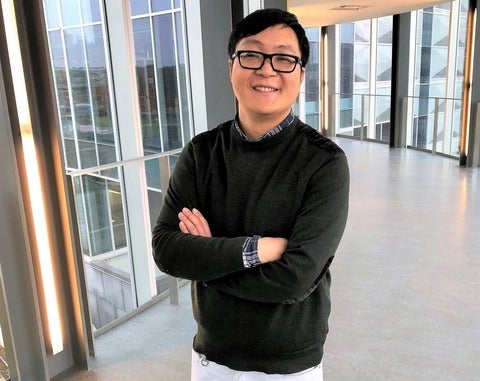


What if you could spray away COVID-19? That’s the idea behind an anti-viral surface coating being developed in a collaborative project between by researchers at The Waterloo Institute for Nanotechnology (WIN) within the University of Waterloo and SiO2 Innovation Labs. The coating will kill the COVID-19 virus immediately upon contact with any surface.
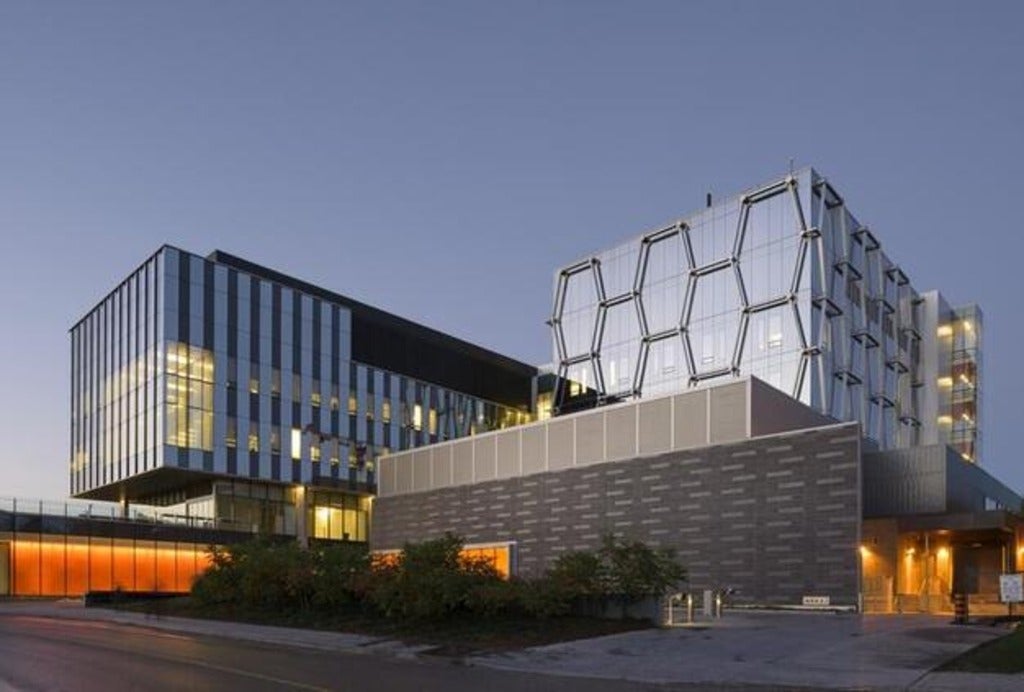
Microwave systems are a central part of modern technology, with major applications including wireless communication and radar. In recent years, microwave circuits and systems have also become leading platforms in the development of quantum computing, sensing, and communication systems. For instance, the quantum processors being developed by large companies such as IBM and Google are superconducting microwave circuits which are controlled and readout by microwave photons.
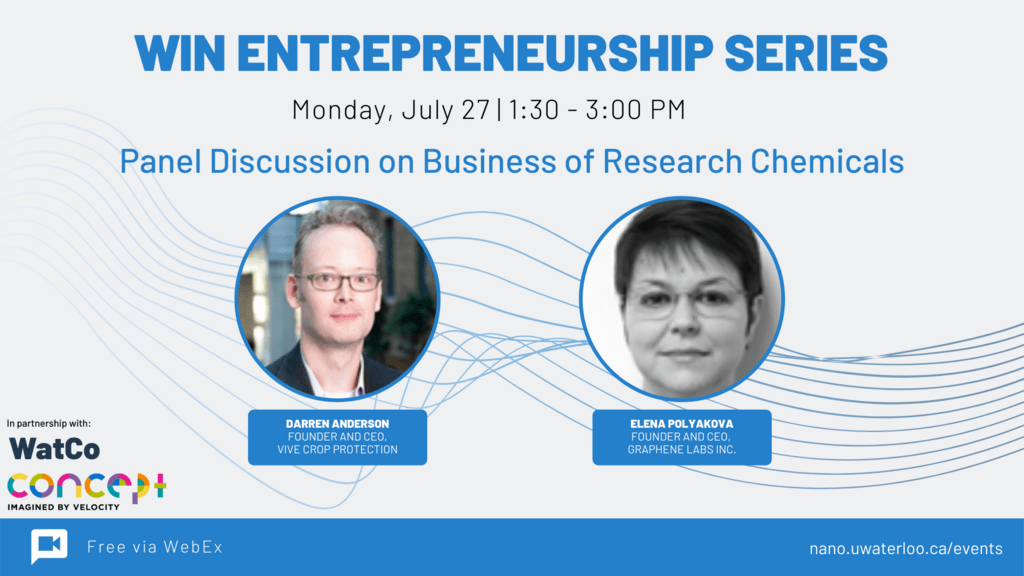
Year after year, UWaterloo is ranked #1 in Canada (and #20 in the World according to 2017 PitchBook rankings) of universities that produce the most venture capitalist-backed entrepreneurs. Nanotechnology research and education programs at UWaterloo have measurably affected the local entrepreneurship scene. In this Nanotechnology Entrepreneurship series, we are complementing existing educational programming on the campus.
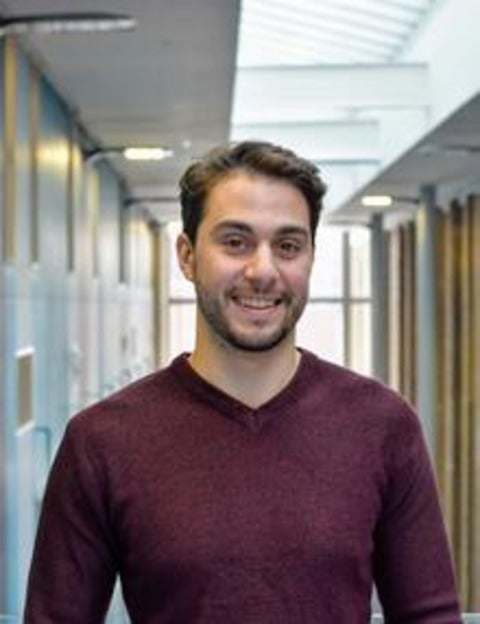
Last week, this year's Vanier Scholarship award winners were announced. Among the prestigious group was 2019 and 2020 Nanofellowship winner Christian Ieritano, one of three winners from UWaterloo.
As the Government of Canada focuses on responding to the challenges of COVID-19, it also recognizes the invaluable contributions of Canadian researchers in the natural sciences and engineering. That is why the Government continues to support the discovery research being done at Canadian universities to help build the foundation for innovation and economic growth.
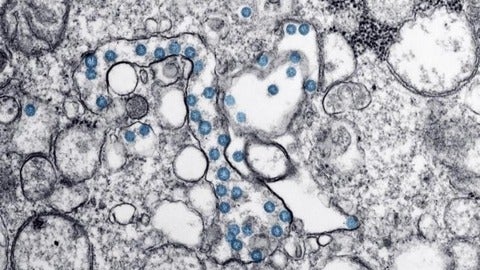
A WIN member has won $265,000 in federal backing to develop a palm-sized device capable of detecting COVID-19 infection within 30 minutes.
Carolyn Ren, a professor of mechanical and mechatronics engineering and WIN Member, will lead the one-year project by a team that includes professors Emmanuel Ho (also a WIN member) of the School of Pharmacy at Waterloo and fellow WIN member and Keith Fowke of the University of Manitoba.