
Twelve students from Waterloo Science had the experience of a lifetime participating in a white gold energy competition hosted by King Fahd University of Petroleum and Minerals (KFUPM) in Saudi Arabia.
The New White Gold Rush Challenge was a collaborative innovation competition between KFUPM and the University of Waterloo’s Faculty of Science, designed to cultivate interdisciplinary problem-solving around emerging global opportunities. The students were challenged to design a method to identify the hydrogen system similar to the way the petroleum system was developed.
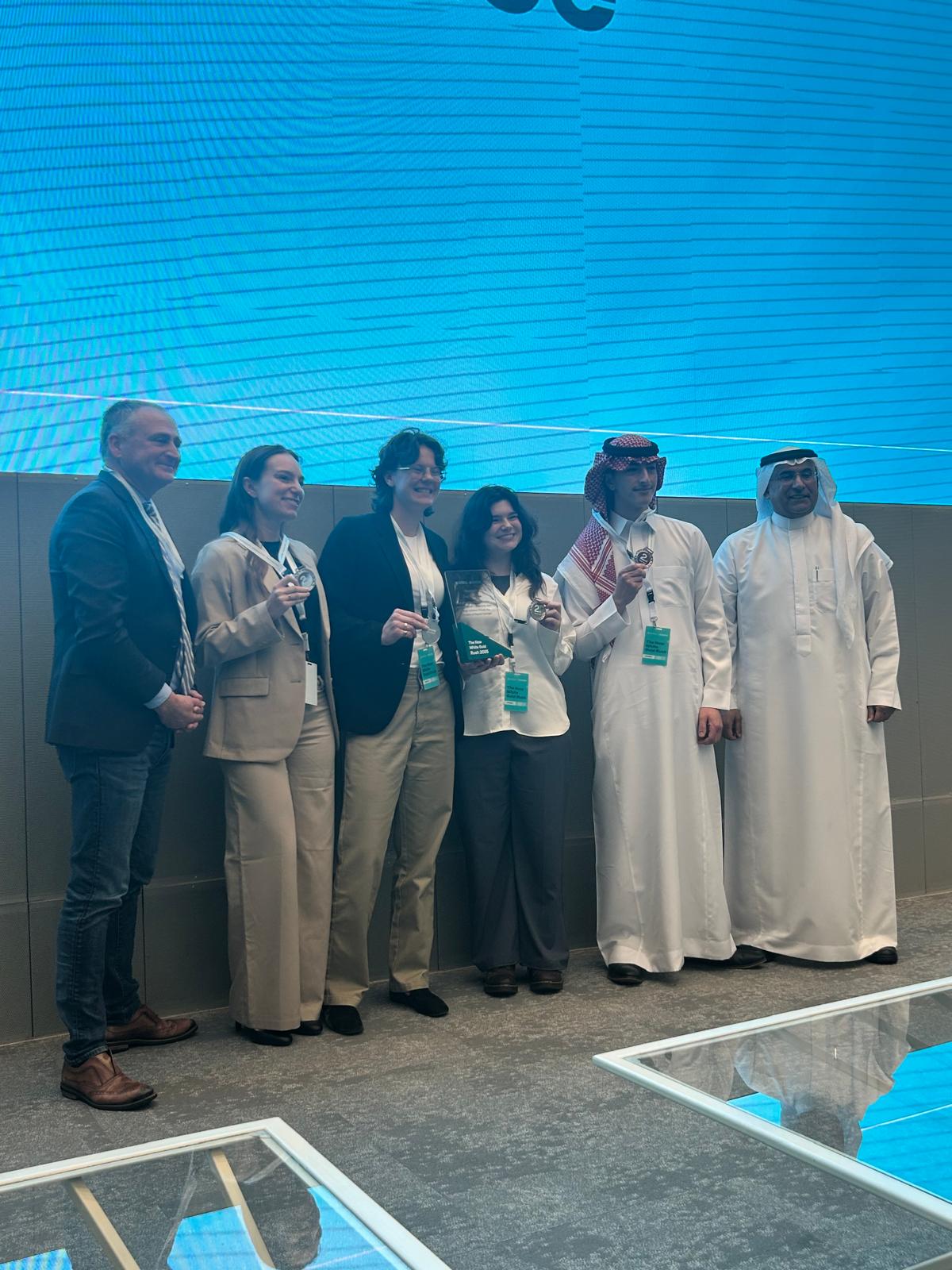
Three teams from Waterloo and three teams from KFUPM made it to the final stage of the competition in Saudi Arabia after beating out their classmates in the semi-finals that took place at their home institutions. The final six teams spent a few days working with experts in the field to perfect their presentations before making their final pitches to a panel of distinguished judges.
“This was a great opportunity for Waterloo Science students to understand the many facets of clean energy through an international lens,” Yakymchuk says. “Students interacted with industry representatives, faculty and students, and developed novel strategies for the responsible development of hydrogen energy resources.”
The three Waterloo teams, H2No, NaClean Energy, and Gneiss One, brought their ideas to the table and put up a good fight, but HydroNova from KFUPM narrowly beat out Waterloo’s top team, H2No, for the grand prize. H2No’s idea was to extract natural hydrogen (white gold) from depleted petroleum reservoirs.
“Hydrogen generation happens naturally within petroleum reservoirs through chemical reactions, but those reactions can be accelerated by adding a catalyst to produce enough hydrogen to be economically viable,” said Katrina Hynek, earth and environmental science (EES) student and member of H2No. “The CO2 gas created in a depleted reservoir would be stored, so there are no carbon emissions. Then this hydrogen can be liquified and transported across the world.”


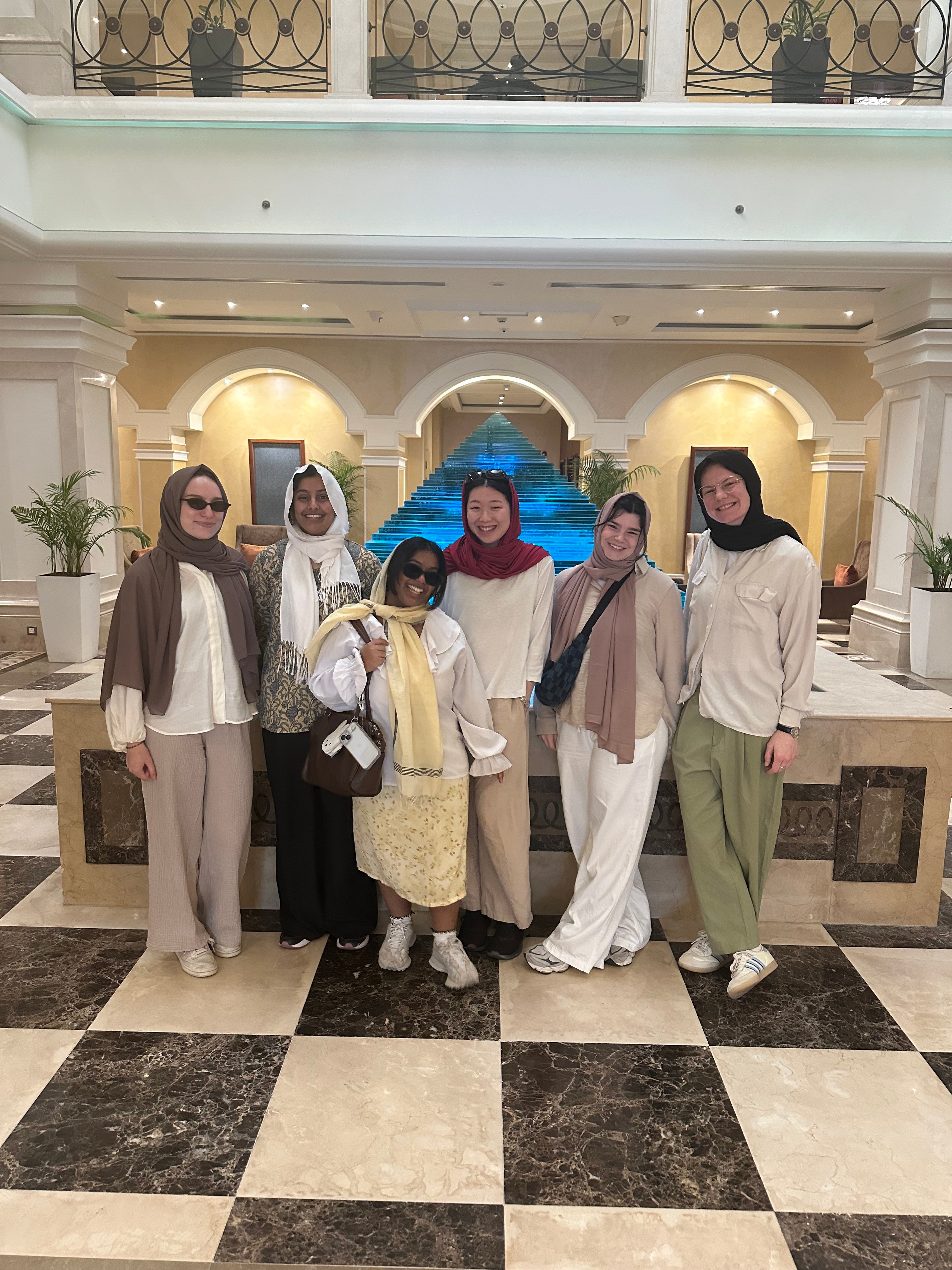
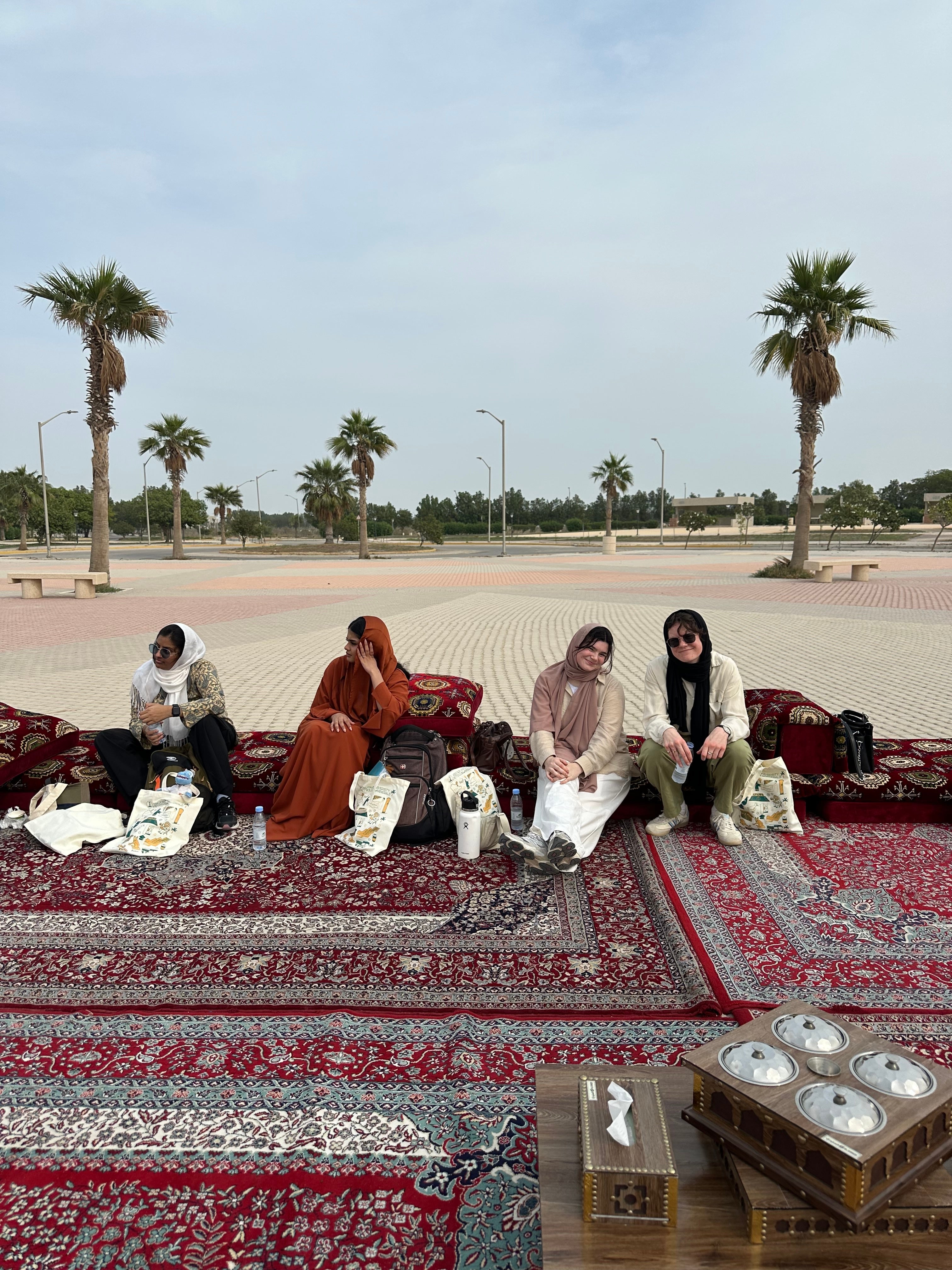
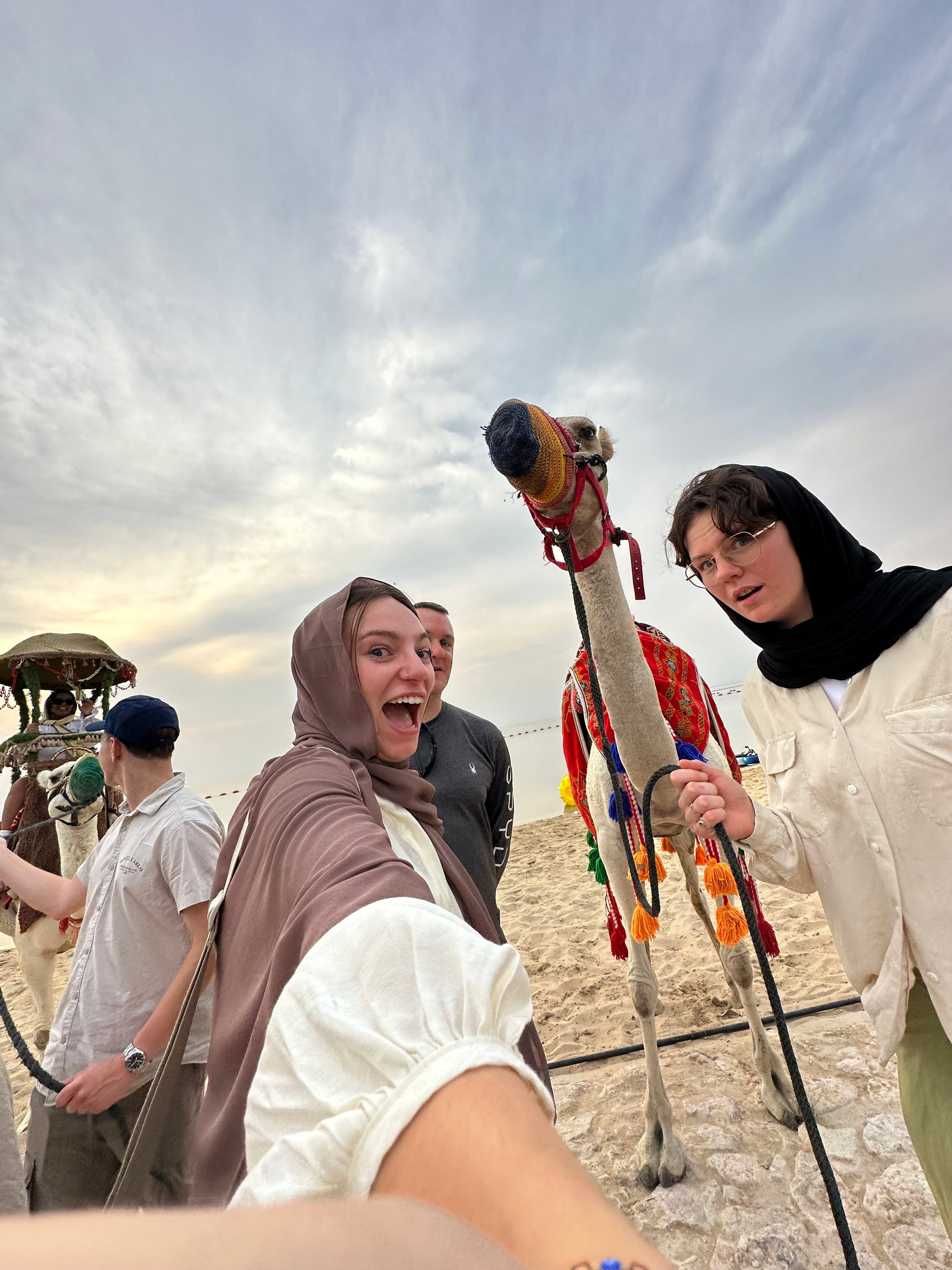
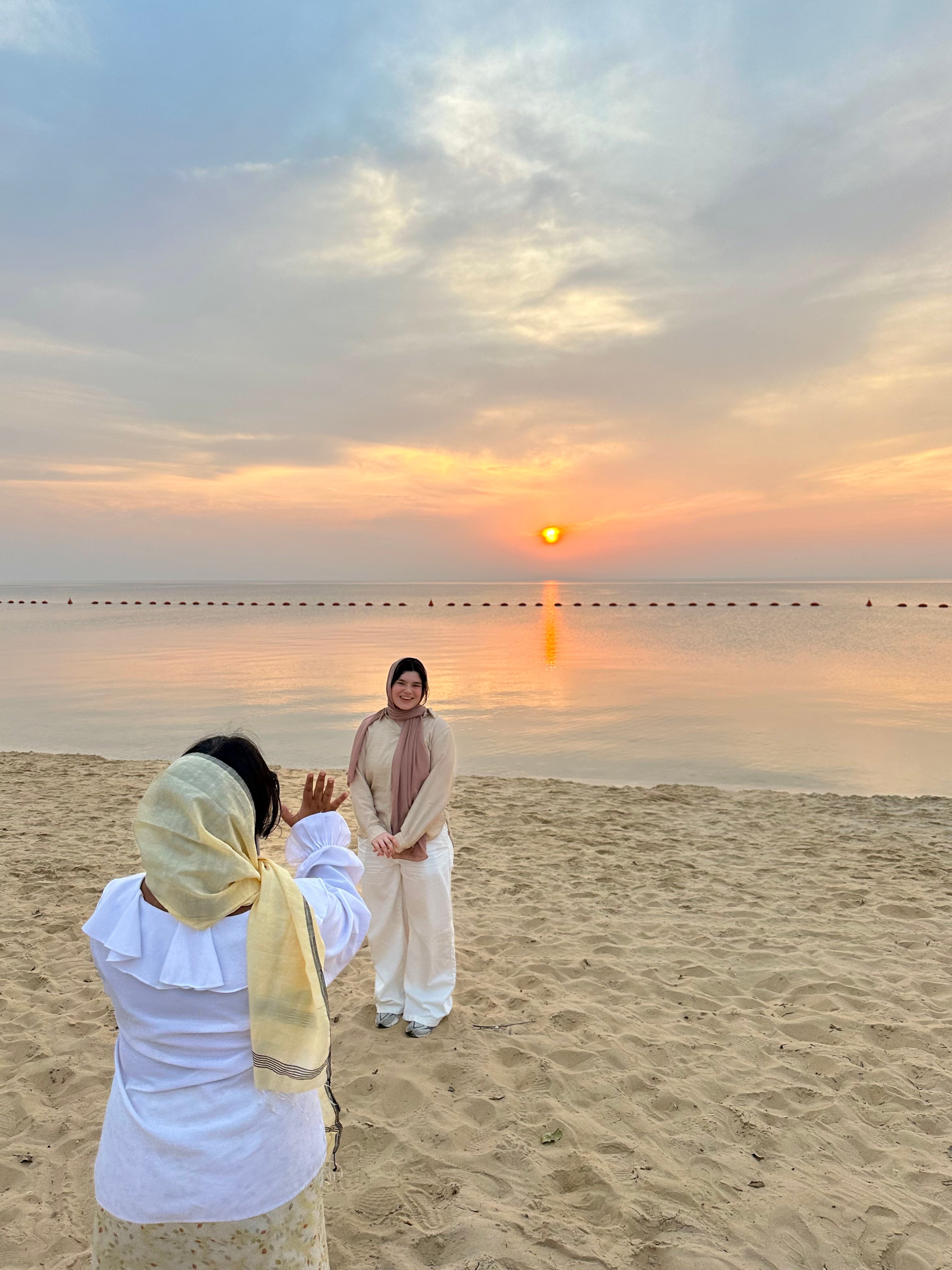
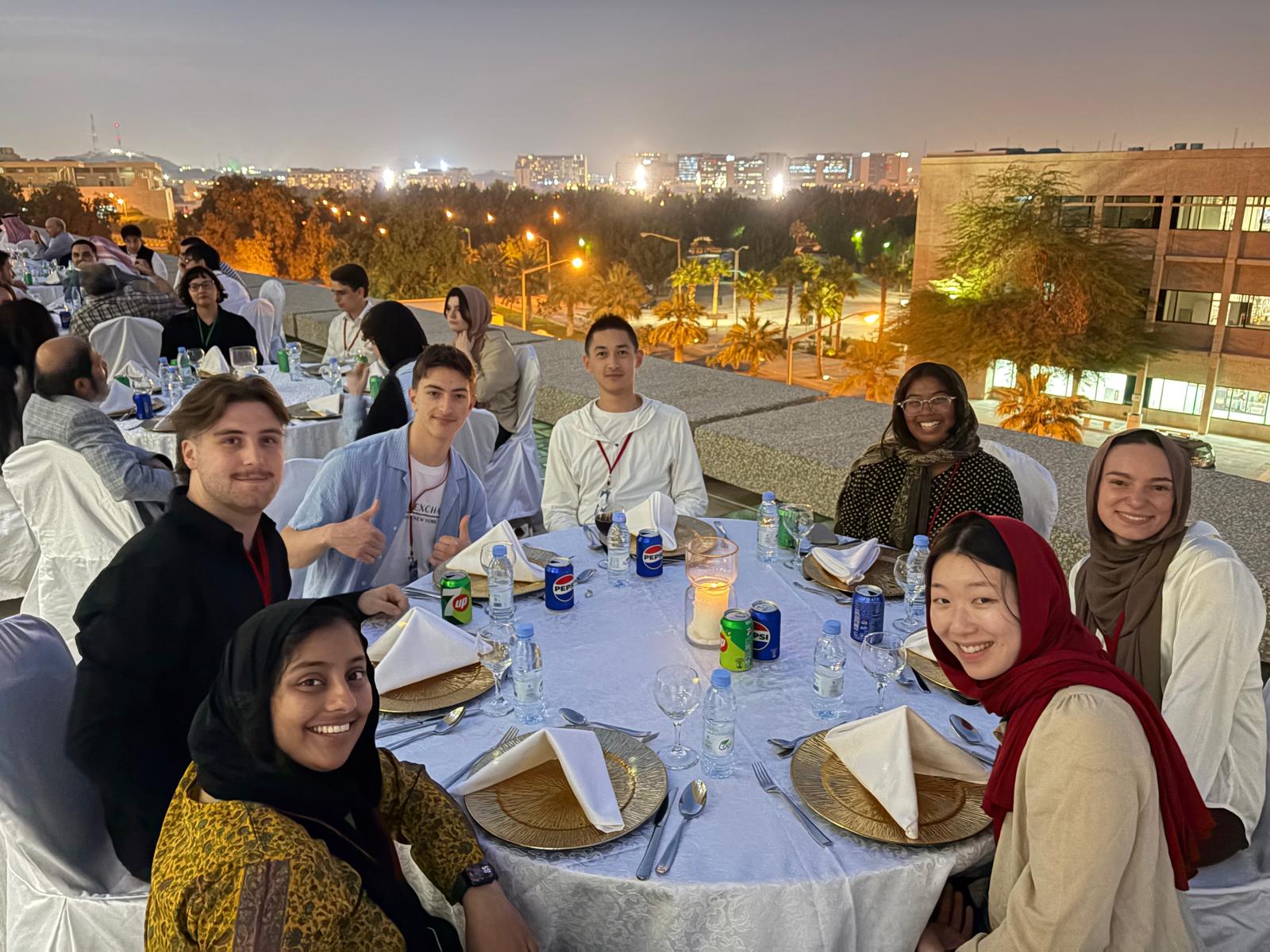
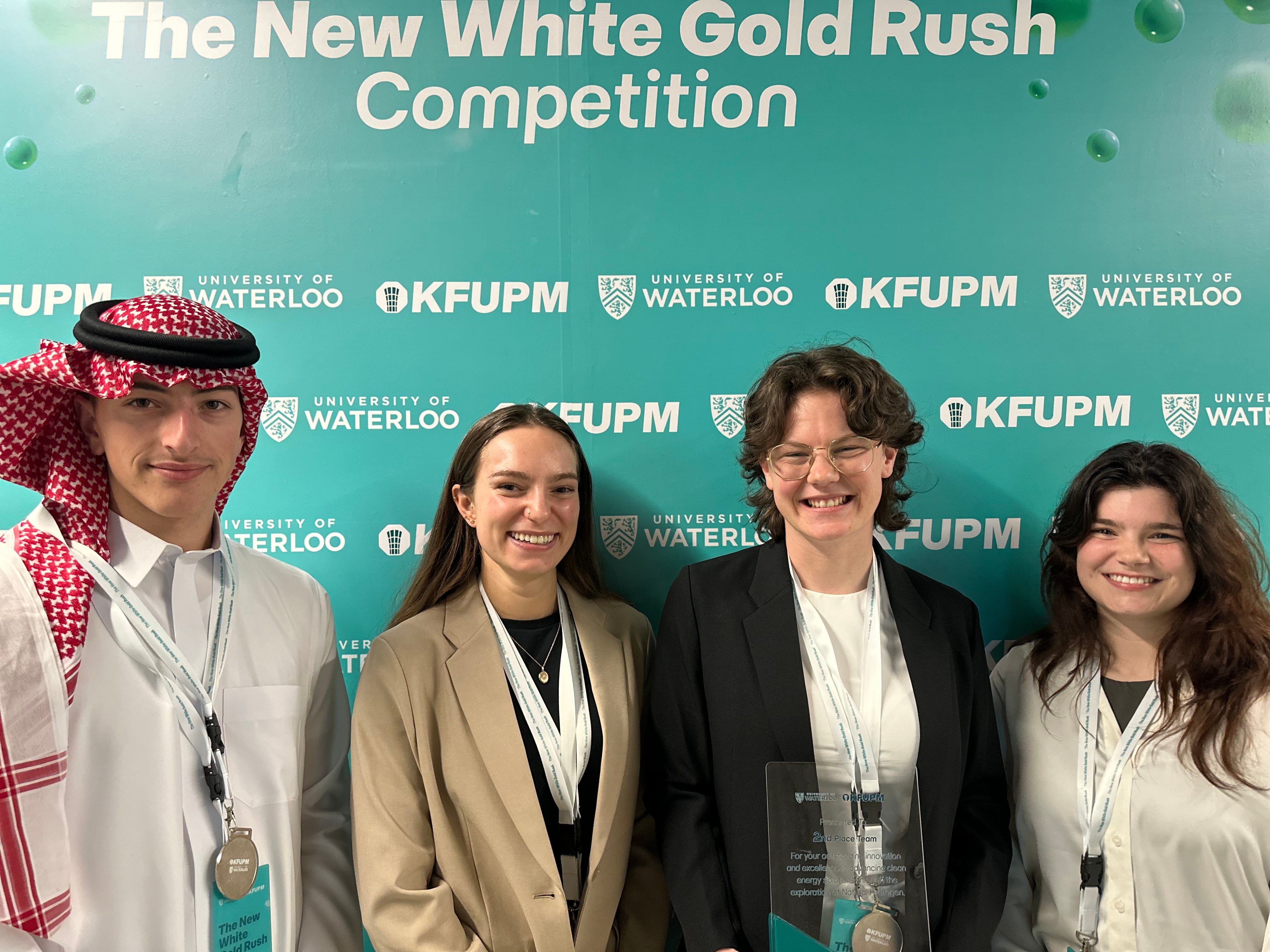
This trip was also more than just the competition. There were lab tours around KFUPM and field trips to other organizations and tourist spots. The Waterloo and KFUPM students were able to get to know each other through these excursions, making this more than just an academic challenge – it was an immersive learning experience that they won’t forget.
“Our drive to participate in this competition came from wanting to learn more about hydrogen as a natural resource,” said Asia Maheu, another member of H2No and fellow EES student. “Taking part in hands-on learning experiences and touring real facilities was a great experience as it showed me paths I could take in my career after Waterloo.”
“This trip allowed me to travel internationally and experience another culture,” said Joey Ruck, member of H2No and EES student. “I made friends with some students at KFUPM who even took me out and showed me around.”
“I am incredibly grateful for this once-in-a-lifetime opportunity — not only did we get to explore the geologic world of hydrogen, but we had an unforgettable cultural experience,” said Nathalie Boal, the final member of H2No and EES student. “We had the chance to explore the beautiful country of Saudi Arabia, and I know this experience is something I will look back on for years to come!”
“This trip helped me realize I could pursue a career in hydrogen exploration, which excites me because it is sustainable,” said Hynek.
If you’re a student and interested in taking part in other challenges like this, keep an eye on our social channels and our website for more information.