
Where can a Science degree take you? For Emma Ross (BSc '24), across the ocean
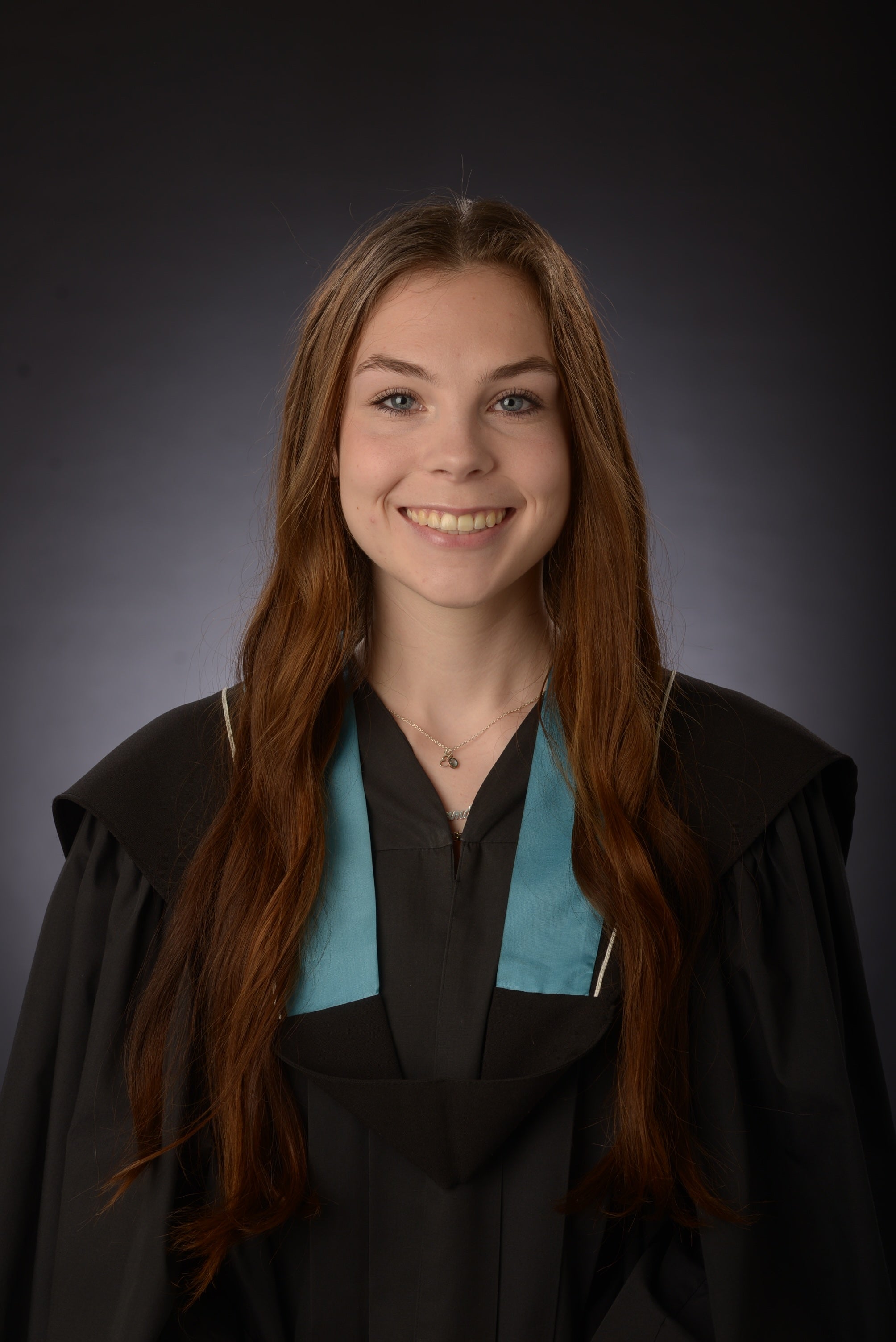
When Emma Ross attended the Ontario Universities’ Fair in Toronto as a high school student, she didn’t expect one conversation to shape her future. Curious about the University of Waterloo’s Science degree offerings, Ross ended up speaking with a representative from the Medicinal Chemistry program, leading her to place the University of Waterloo at the top of her list of dream schools.
When she was accepted to the program, it felt like everything clicked into place, and she knew Waterloo was where she wanted to be. During her four years of undergraduate studies [in Medicinal Chemistry], she gained the skills, experience, and confidence to pursue a master’s degree.
Now, Ross is preparing to graduate from Trinity College Dublin with a MSc in Pharmaceutical Sciences. The transition to graduate studies felt easy due to the strong academic foundation she built at Waterloo. One course that especially stood out was spectroscopy, taught by professor Graham Murphy. “I ended up taking a whole course on it during my master’s, and it was my highest mark,” she says. “I used my notes from Waterloo to help me study because the classes at Waterloo were so detailed.”
Ross also credits Waterloo’s on-campus AccessAbility Services for supporting her with exam accommodations, note-taking support, and flexible deadlines that helped her succeed throughout her degree. “It made a huge difference in my ability to thrive in university,” she says.
The experience she gained in the lab was also invaluable in providing her with the technical skills to conduct her graduate thesis research on skin allergies caused by glucose monitoring sensors. Her master’s thesis project utilized two advanced analytical techniques, High Performance Liquid Chromatography and Gas Chromatography-Mass Spectrometry, to analyze chemical compounds associated with dermatology devices. These techniques identified the potential allergens and chemical triggers of allergic contact dermatitis.

After finishing her master’s, Ross plans to stay in Ireland and look for work in the pharmaceutical industry. For Ross, moving to Ireland felt personal, given her existing citizenship and more than 30 relatives in the country with whom she has reconnected. Long term, she’s considering a PhD and hopes to work in pharmaceutical drug design.
“It’s been a whirlwind moving overseas, but I’ve met incredible people, made great friends, and even managed to travel to Spain, France and Scotland so far,” she says.
For students considering graduate school, Ross offers advice she once needed herself: “Don’t fear rejection. It’s scary to apply but just trust the process and trust what you know,” she says. “Waterloo gave me the tools I needed, and now I get to build something with them.”