
Developing foundational laboratory skills through following instructions, collecting data, and submitting results is essential in a science student’s early education. However, this method leaves little room for the creativity, problem-solving, and critical thinking that drive scientific discovery.
Lead Lab Instructor Joshua Crone’s goal in the Department of Physics and Astronomy was to move second-year students beyond the basics to lab work that reflects practicing scientists. To do this, he led the redesign of the department’s second-year lab curriculum to integrate an inquiry-based learning model.
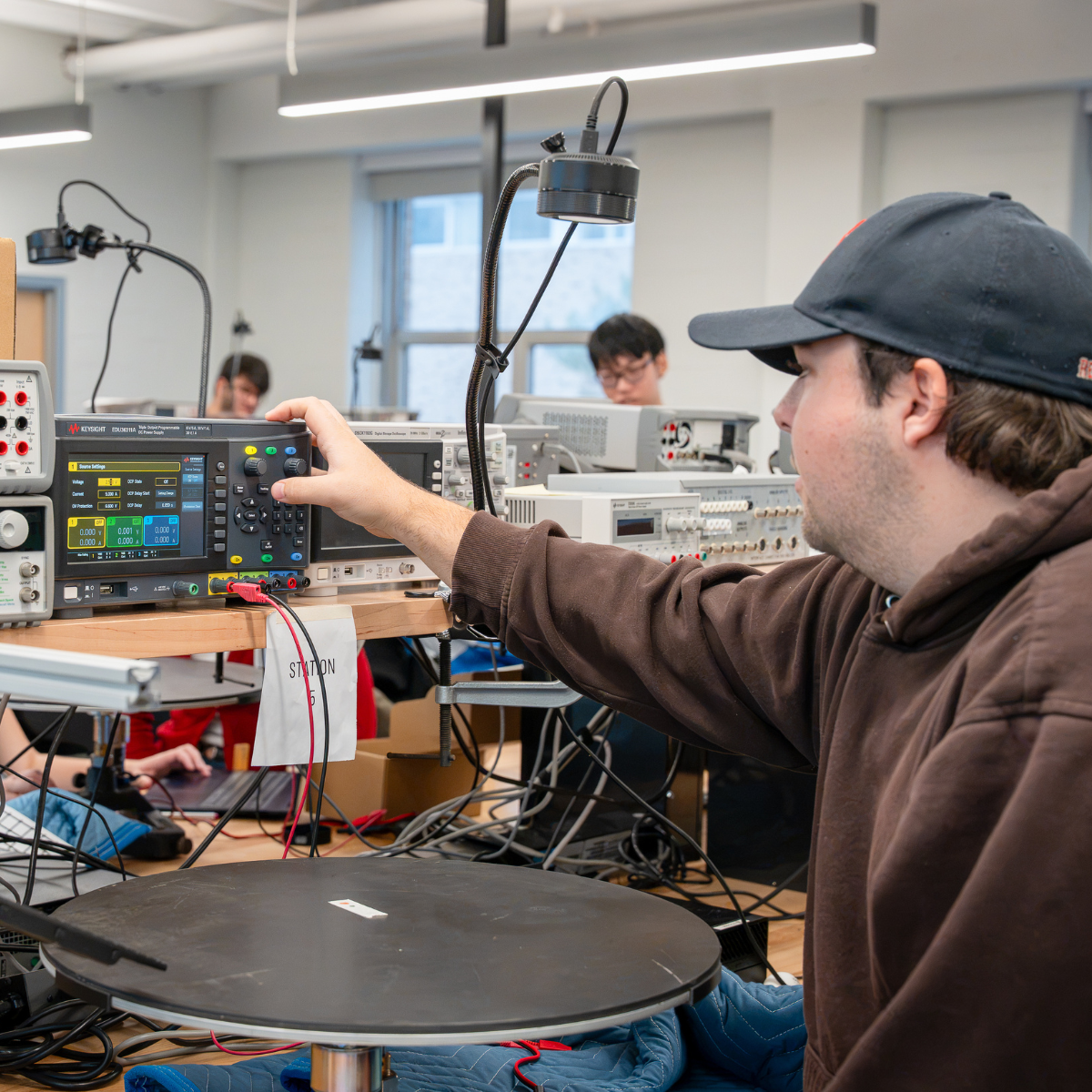
In the lab, students develop their own approach to investigating a question. They design experiments, evaluate results, and learn to think critically and problem-solve when experiments don’t go as planned.
"Following a procedure to the right answer has its place, but it only takes students so far,” says Crone. “We want them deciding how to answer an experimental question and documenting the thinking behind each decision.”
That philosophy is evident in the first experiment of PHYS 260B, where students measure the electrical signal produced by their own hearts.
“As part of the experiment, students build a pipeline to filter a signal and detect the heart rate within it. Then, they use the pipeline to answer an experimental question of their choosing,” says Crone. “Some groups model how quickly the heart recovers after different types or intensities of exercise. Others test reactions to loud noises, different music, or visual stimuli. Even when students start with the same setup, they can end up running very different experiments.”
The redesigned curriculum has been running for the past year, giving students more control of their investigations. It has helped build the confidence and skills students need in research settings, co-op placements, and future careers.


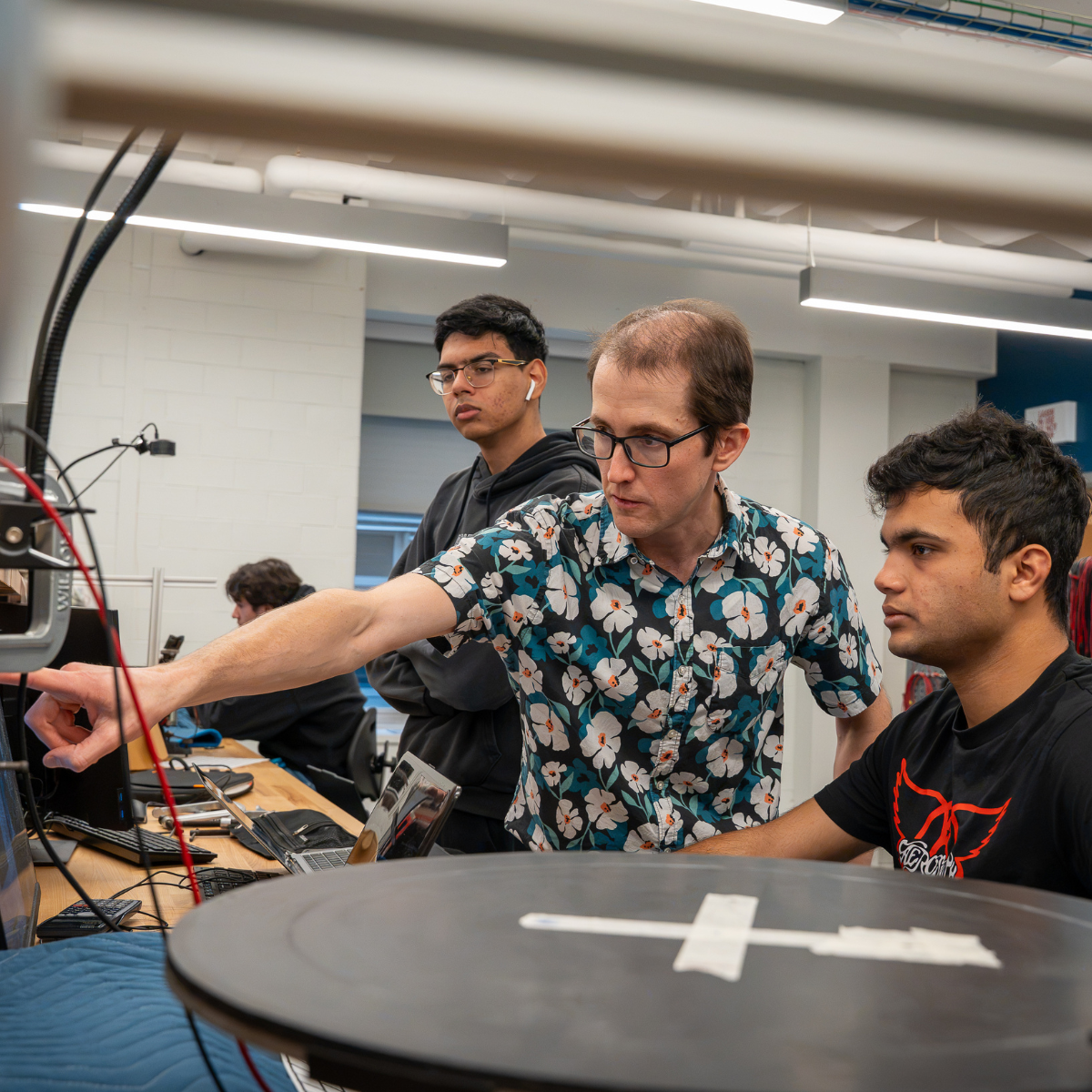
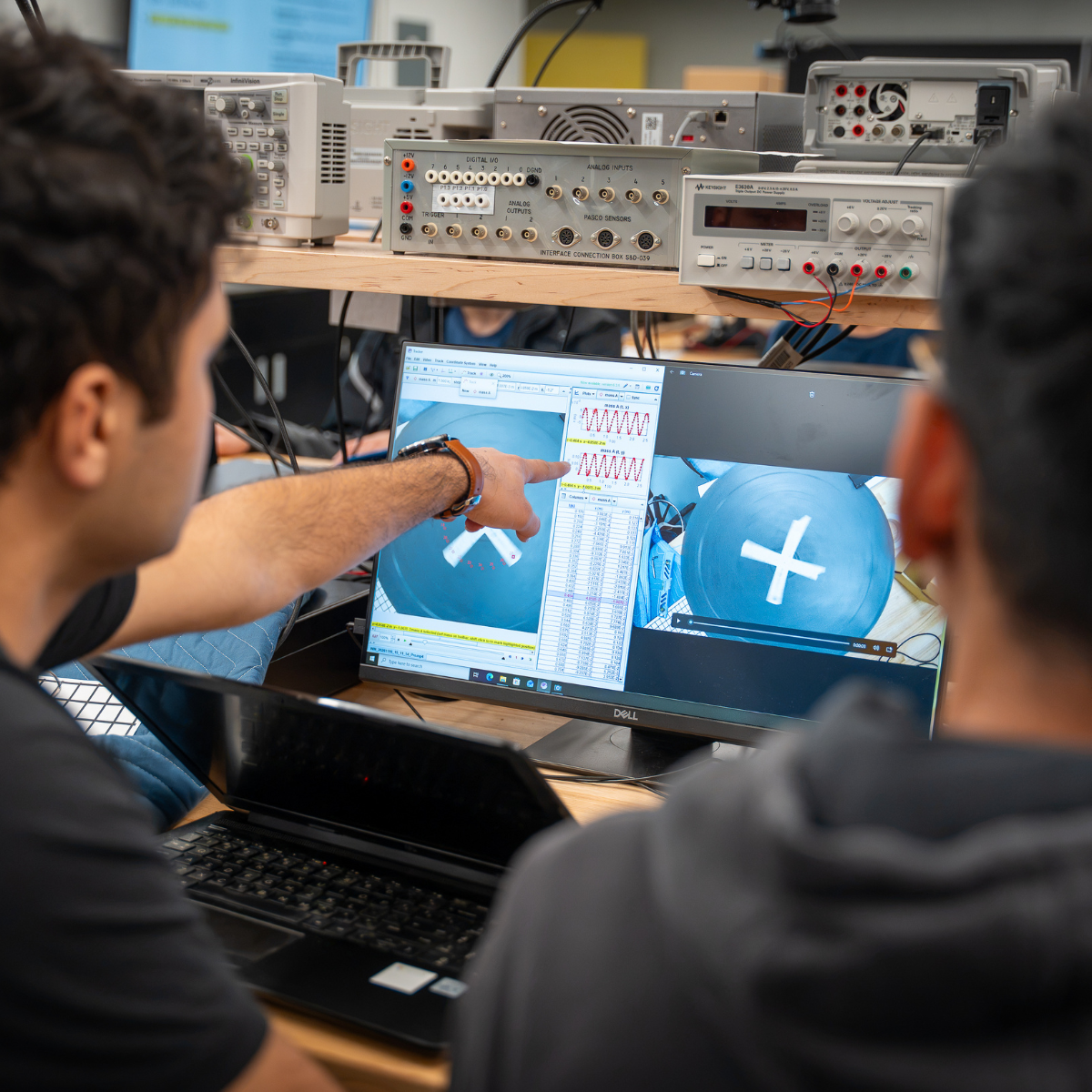
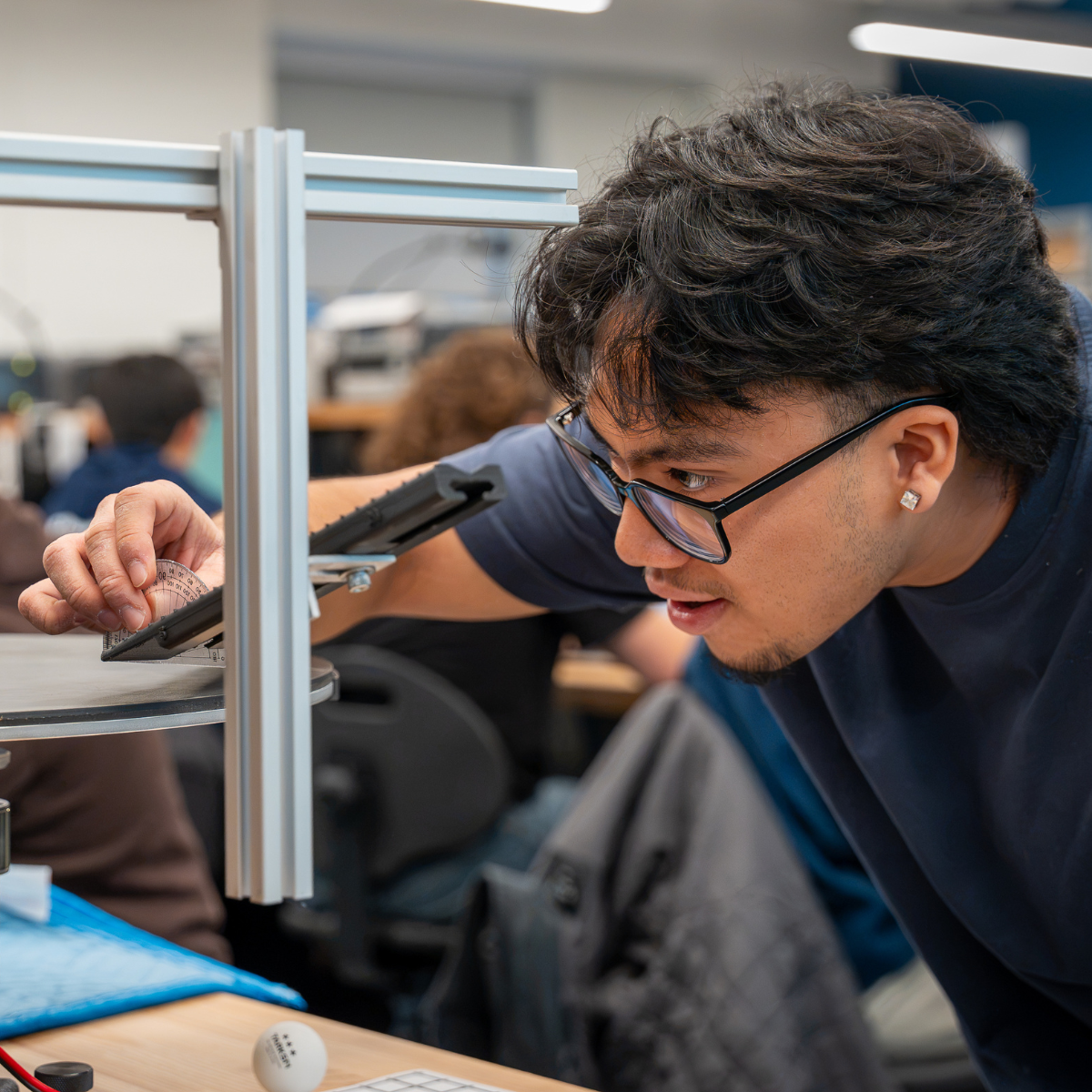
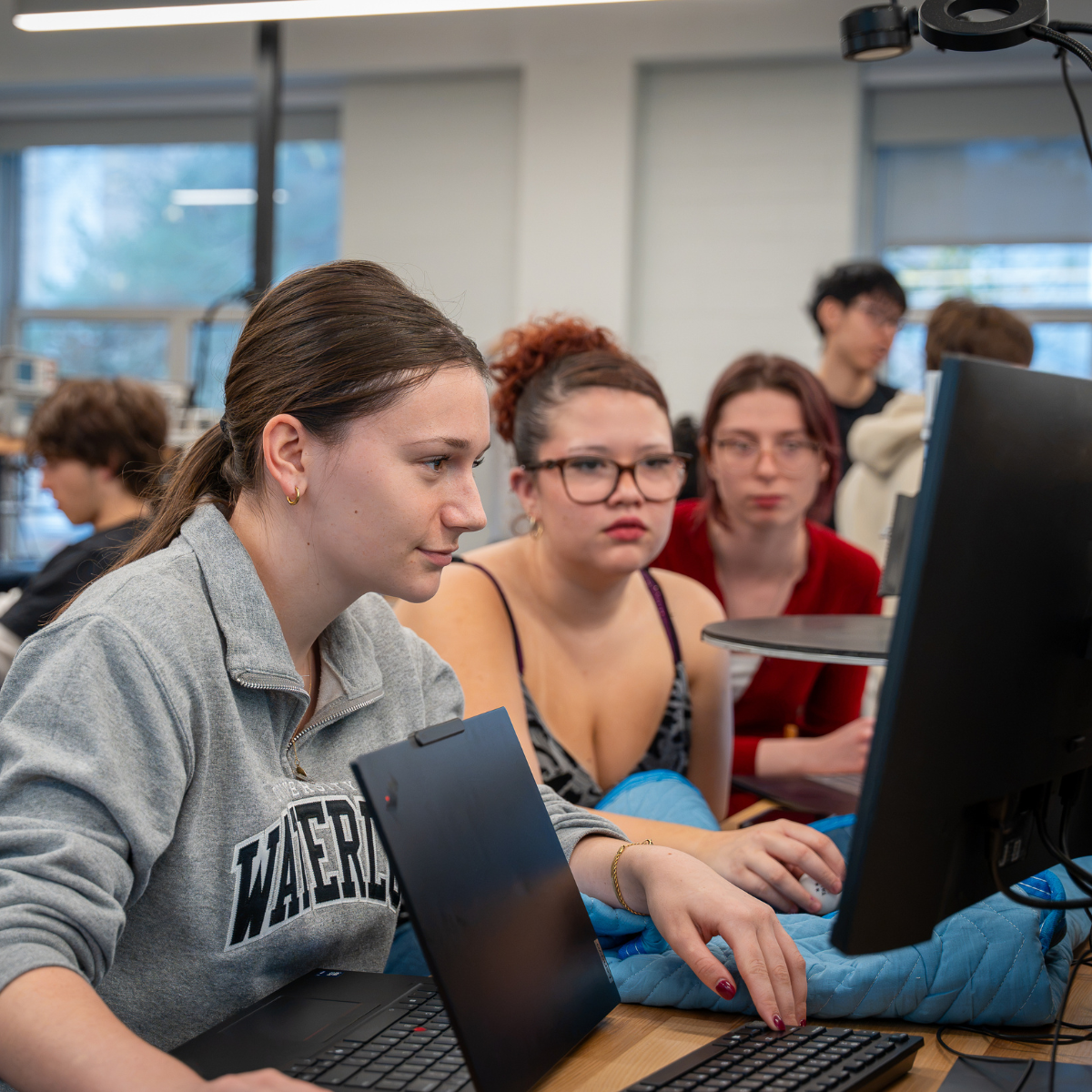
Early feedback suggests it’s working. Hear what our students are saying:
“The most beautiful side of science is revealed through PHYS 260A/B. Discovering something new or seeing a concept you've studied come to life in person is one of the most rewarding parts of science.” – Aairav Kalra
“I really enjoyed the structure of the course. This model encouraged me to think more deeply about experimental design and planning while still providing enough guidance to feel confident approaching an unfamiliar experiment.” – Ava Wan Oene
“I appreciated the redesign of the physics labs this term. The new structure allowed me to engage more directly with the equipment and design my own experiment. I also liked replacing the traditional lab report with in-session lab notes and sectioned homework assignments, which kept the work manageable without sacrificing depth. It made a big difference in how much I got out of the labs.” – Krushang Chokshi
Crone credits much of the success to the department’s other lab instructors (Tan Dinh, Victor Arora and Mikolas Skilandziunas), who kept pace with a rapid rollout, and to a department willing to support a significant shift in how physics labs are taught. Next, the team will continue refining the new labs and planning updates to the upper-year curriculum.