Bernard Glick, Distinguished Professor Emeritus in Biology, has always followed his gut, leading him down sometimes unconventional paths. Recently, he’s taken a look back over his long and varied career.
“I don’t think like everybody else, which has allowed me to do things differently,” Glick reflects. “I have overlapping interests that have pushed me to learn new things and understand how they complement one another. There’s risk in this, of course, but I kept trying new things and getting ideas, and eventually a bunch of them worked.”
After finishing his undergraduate degree as a part-time student at the City College of New York, Glick decided to pursue graduate studies in Chemistry in 1969 at the newly established University of Waterloo as a master’s student under Lewis Brubacher and graduated with a PhD in 1974.
During this time, Jack Pasternak, a young faculty member in Biology, became both a mentor and friend, guiding Glick toward biology and courses in genetics that shaped his interest biochemistry and, later, molecular biology.
“Jack suggested that I take his course in genetics,” recalls Glick. “I was really interested in what I’m going to call the beginnings of molecular biology. It was an interface between biochemistry and molecular biology, and it was incredibly interesting to me.”


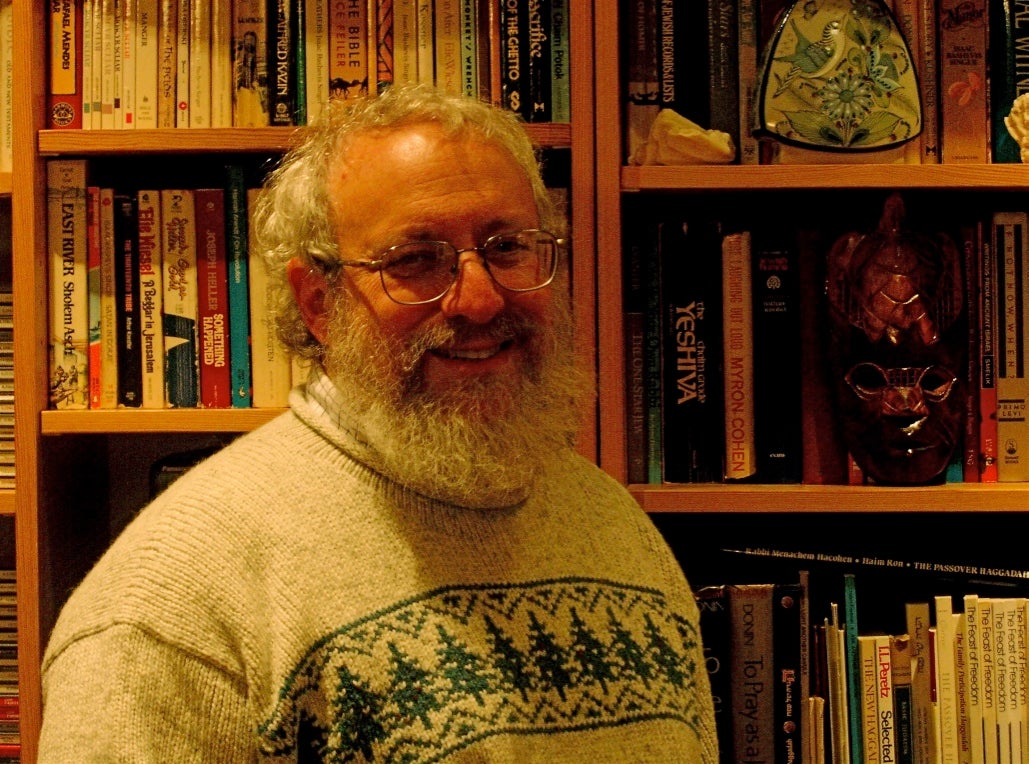
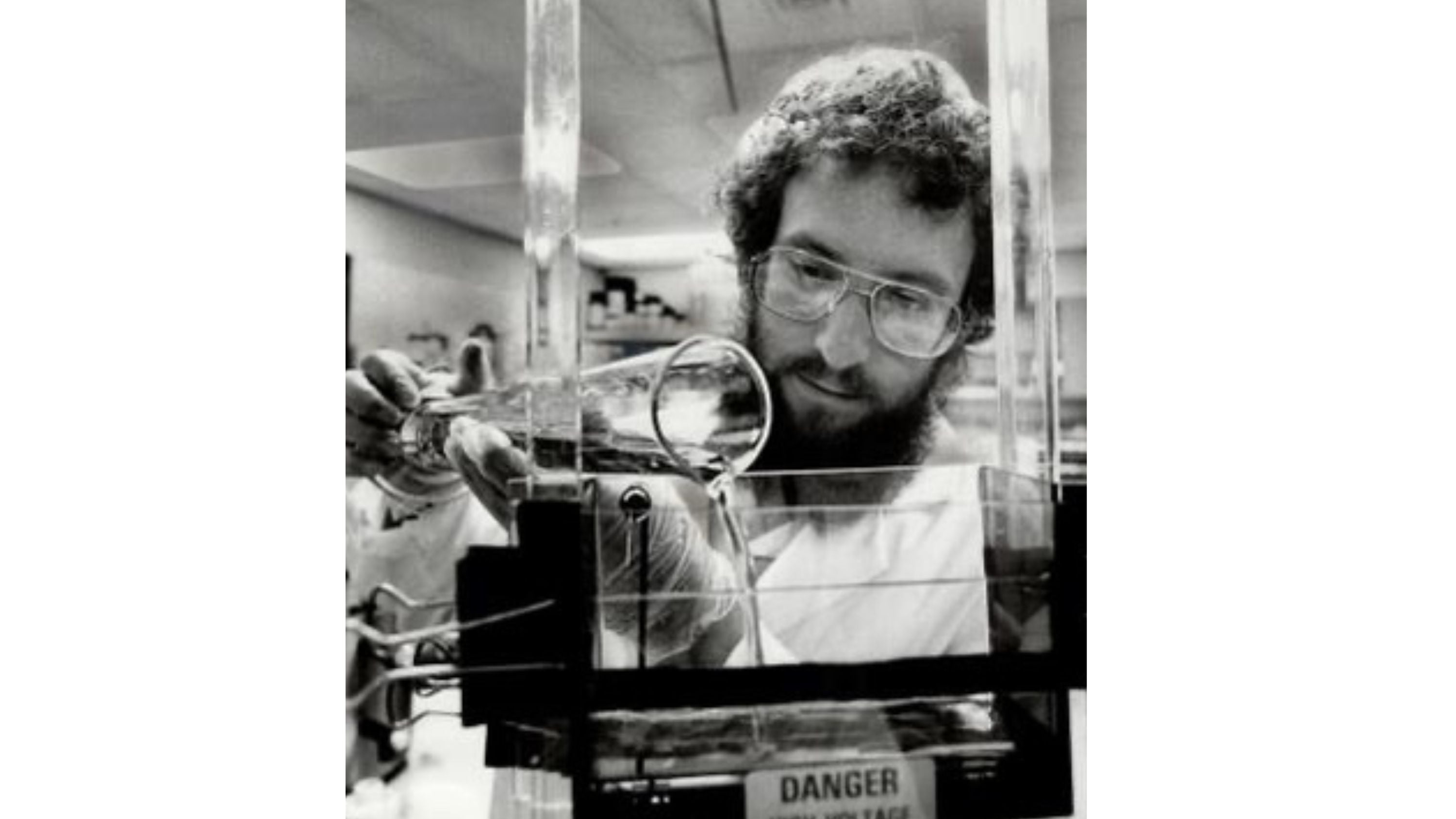
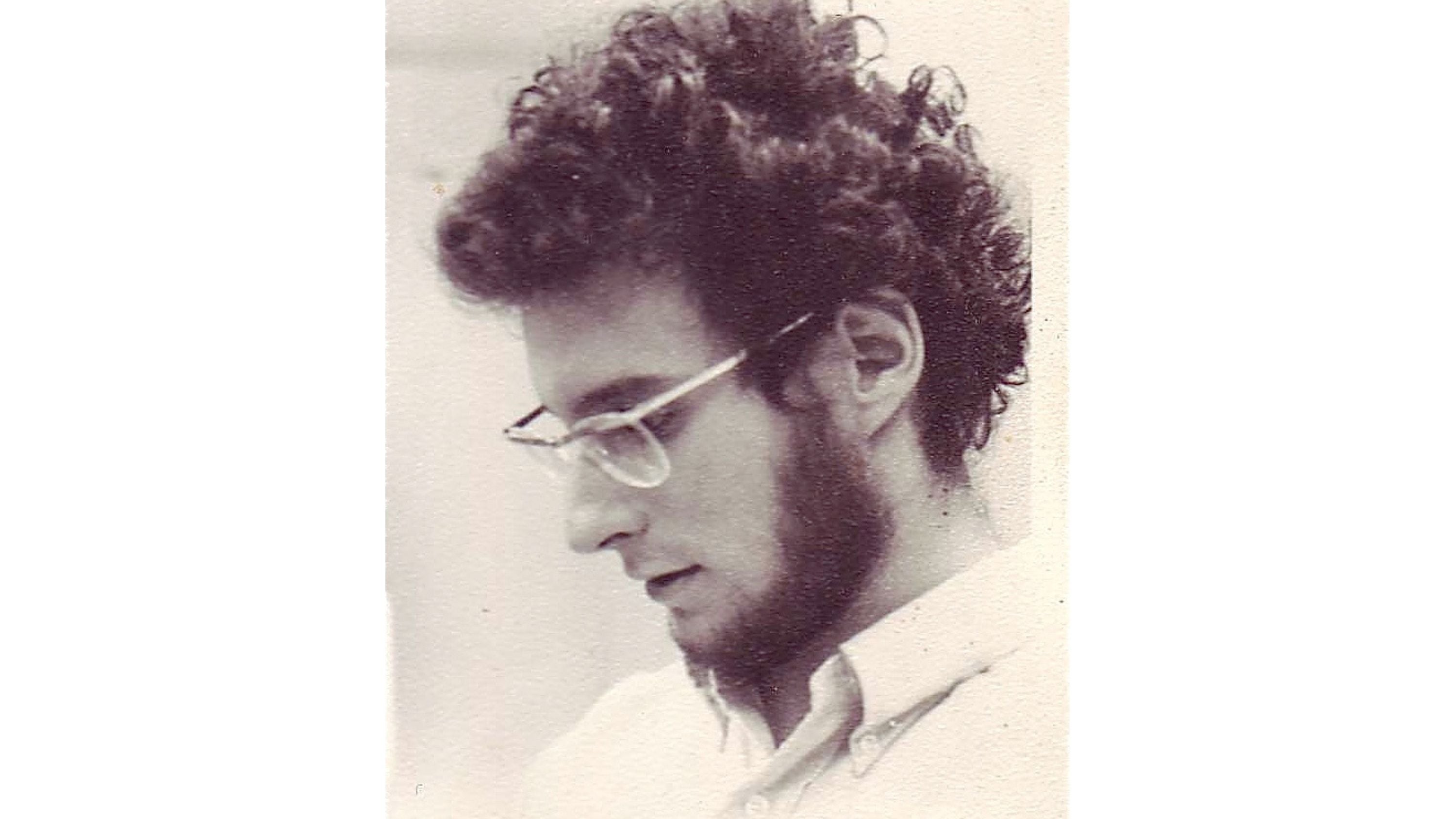

Following several years as a post-doc at the University of Toronto and then a few years working for Canada's first Biotechnology company, Glick accepted the position of associate professor in Biology at Waterloo in 1982, where he continued to take an interest in work not directly related to his research.
“I started going to more scientific meetings, not just to talk, but to listen, and to meet people and hear about what they were doing,” recalls Glick.
Attending one of these talks shifted his focus to plant-microbe interactions and led to one of the most influential findings of his career, showing that beneficial soil bacteria act like probiotics for plants by lowering ethylene levels to help plants better withstand drought, flooding, disease, and other environmental stresses.
Glick started this work with a company-owned strain and had shifted gears again when that company claimed ownership of discoveries associated with this strain. The entrepreneurial policies at Waterloo allowed him to maintain ownership of his discoveries, pushing Glick out into the world to find new strains and expand his work in ways not otherwise possible. UW4, the most successful strain he discovered, was collected from north campus and still earns Glick a modest royalty.
“The best part of this work is that hundreds of people followed up on it,” says Glick. Glick has more than 99,000 citations, making him one of the highest cited researchers at Waterloo.
But what Glick recalls most fondly are the graduate students and scholars he’s worked with over the years. Glick made a point of making space for women in his lab at a time when women were not always welcomed into science.
“I’m proud that I helped educate a lot of women at the graduate level,” says Glick. “I have a very smart and accomplished wife, and I knew women entering my own field had the same potential. I wanted them to have the same opportunities as men to advance their careers in science.”
As Chair of Biology from 2002 to 2008, he also helped navigate the double cohort by hiring lecturers to handle additional first-year classes, most of whom were women.
Glick retired in 2017, but that hasn’t slowed him down. Since then, he’s published two books and 150 manuscripts, including the latest edition of the longstanding textbook, Molecular Biotechnology: Principles and Applications of Recombinant DNA, which he initially coauthored with Jack Pastenak, and later with Cheryl Paton, a former student in his lab.
“Follow your ideas and don’t be afraid of change,” advises Glick. “You must not be afraid to take that leap of faith and say, ‘okay, I’m going to try this.’”
Read more about Glick’s career in From Chemistry to Plant-Microbe Interactions: A Fifty-Year Journey Through Science.