
Scientists have long assumed that migratory songbirds maintain a steady body temperature while resting between migratory flights. New research from Biology PhD student Ryan Leys overturns that assumption, finding that several species routinely lower their body temperature by up to 13°C during migration at night. This cuts their energy costs by more than 40% and provides a critical advantage for survival and reproduction.

Yellow-rumped Warbler

Ryan Leys, (he/him), PhD Candidate in Biology

Ryan Leys, (he/him), PhD Candidate in Biology

Ryan Leys, (he/him), PhD Candidate in Biology

Ryan Leys, (he/him), PhD Candidate in Biology

Ryan Leys, (he/him), PhD Candidate in Biology
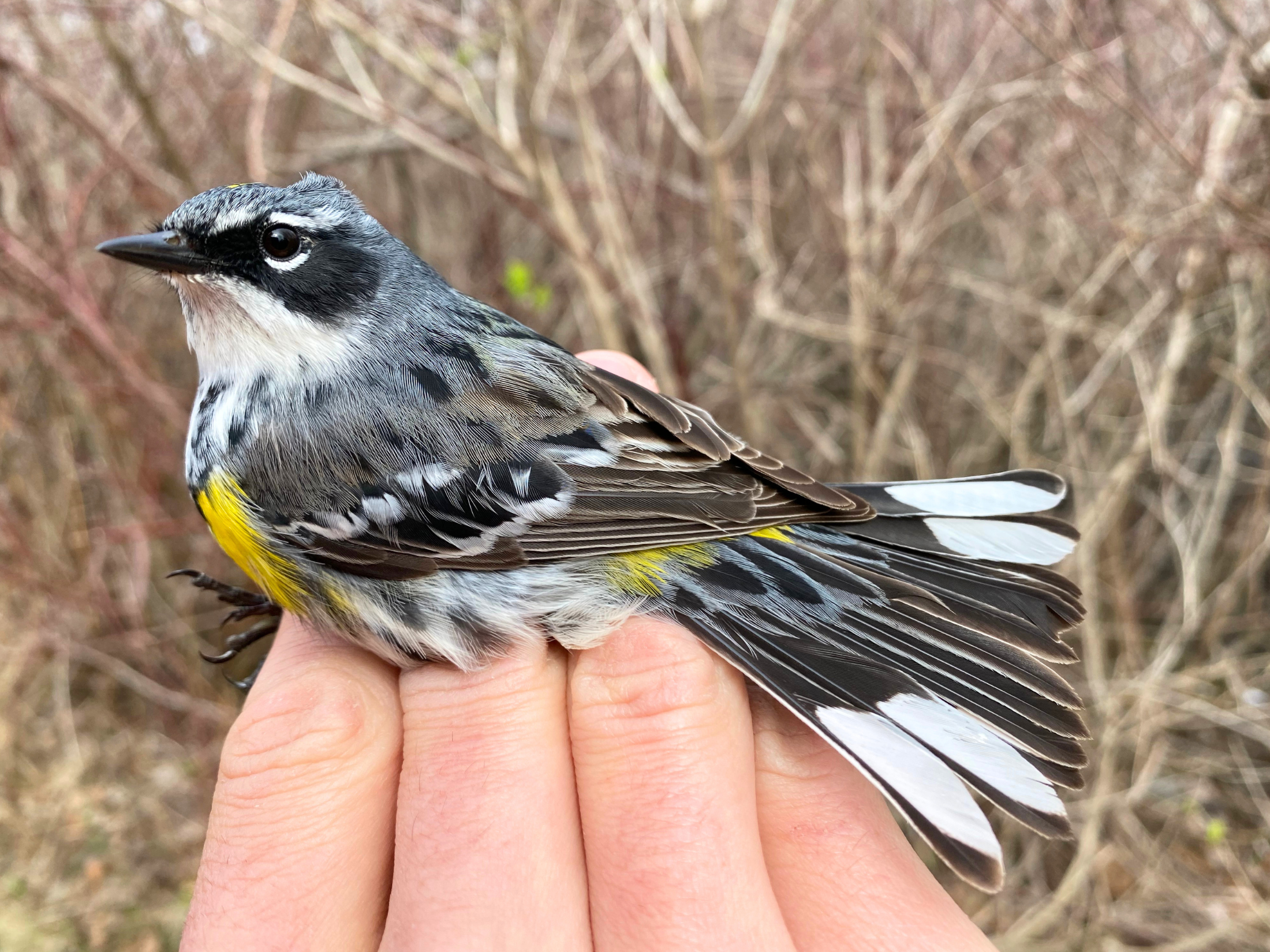
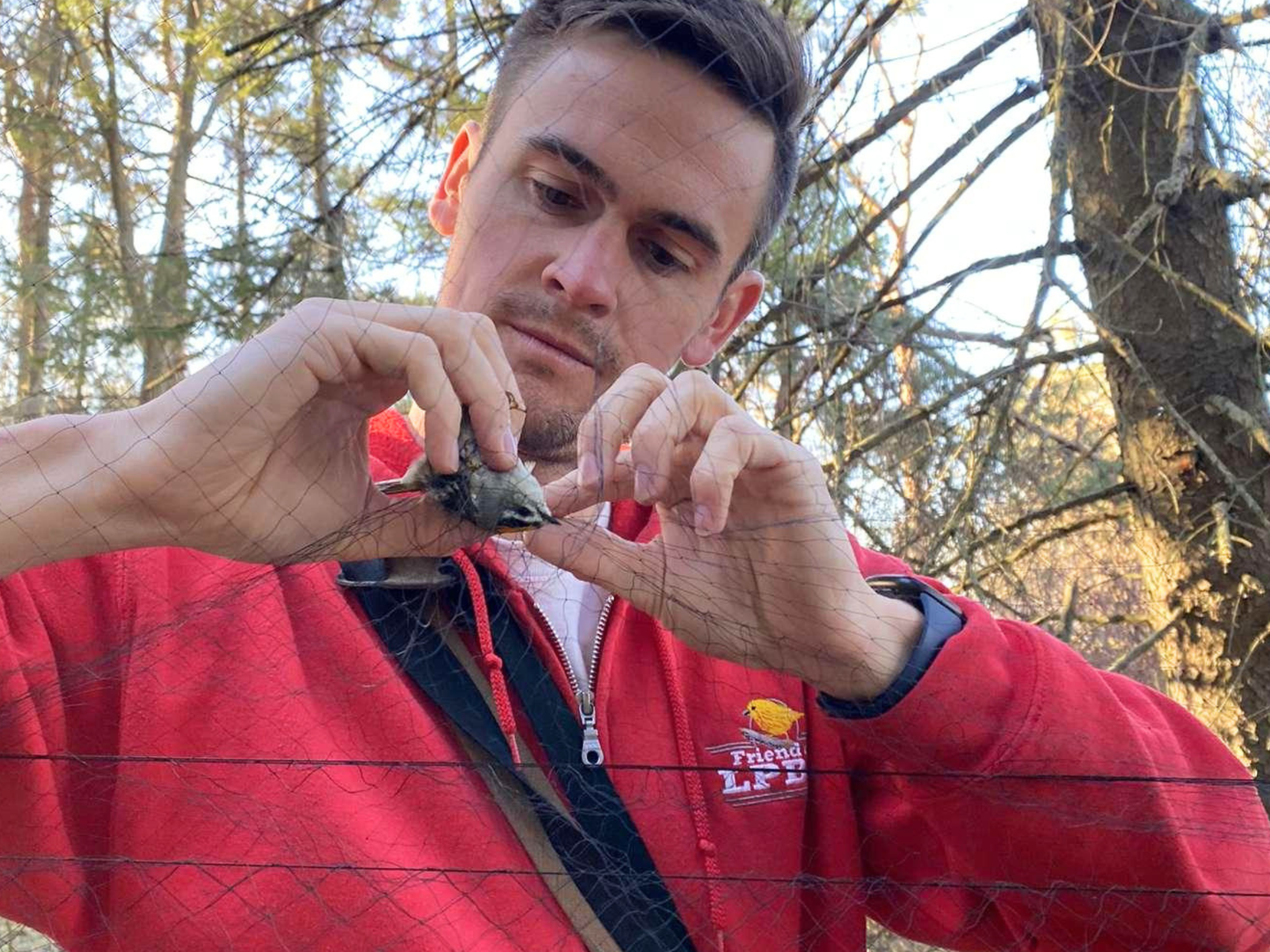
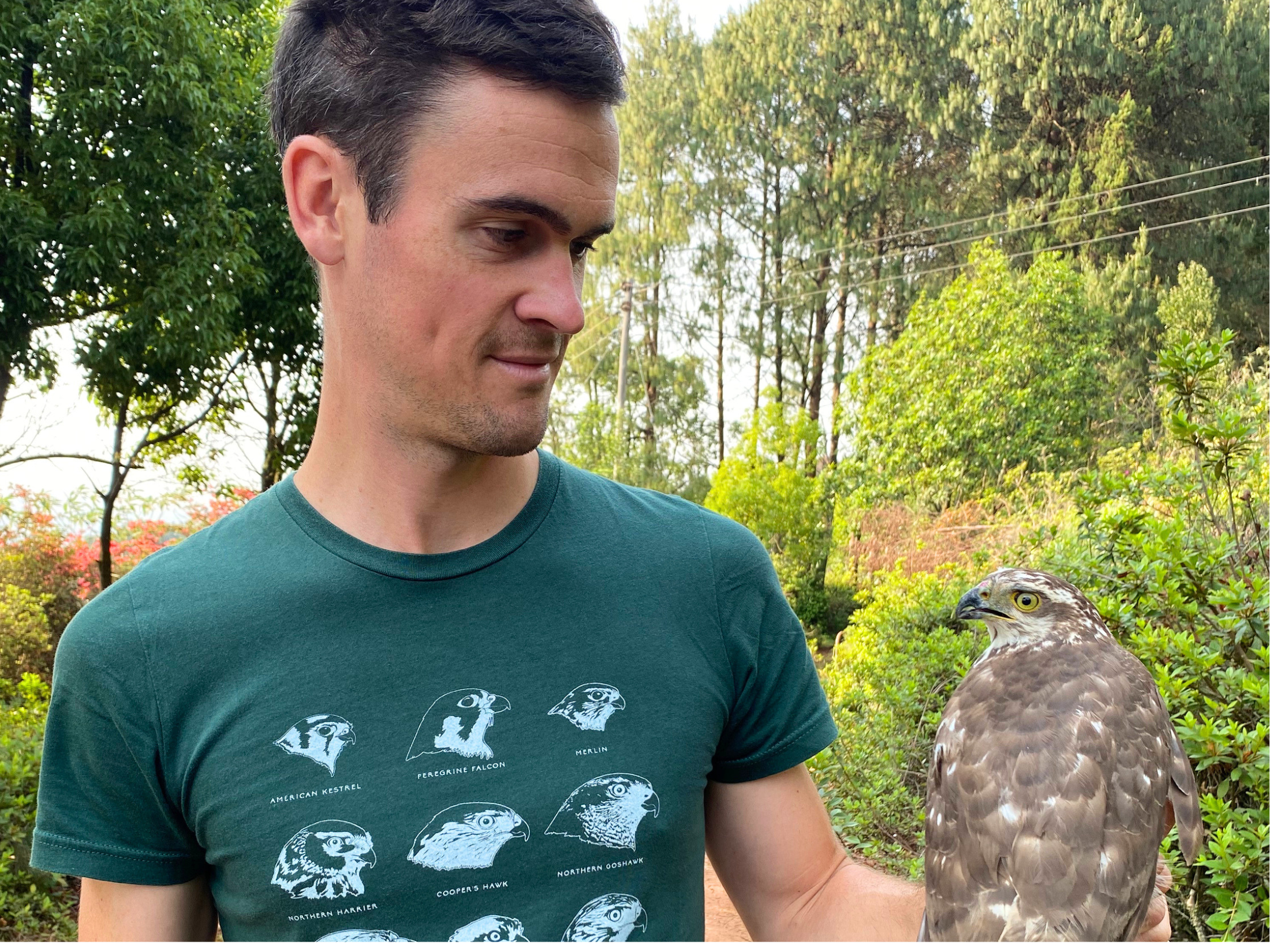
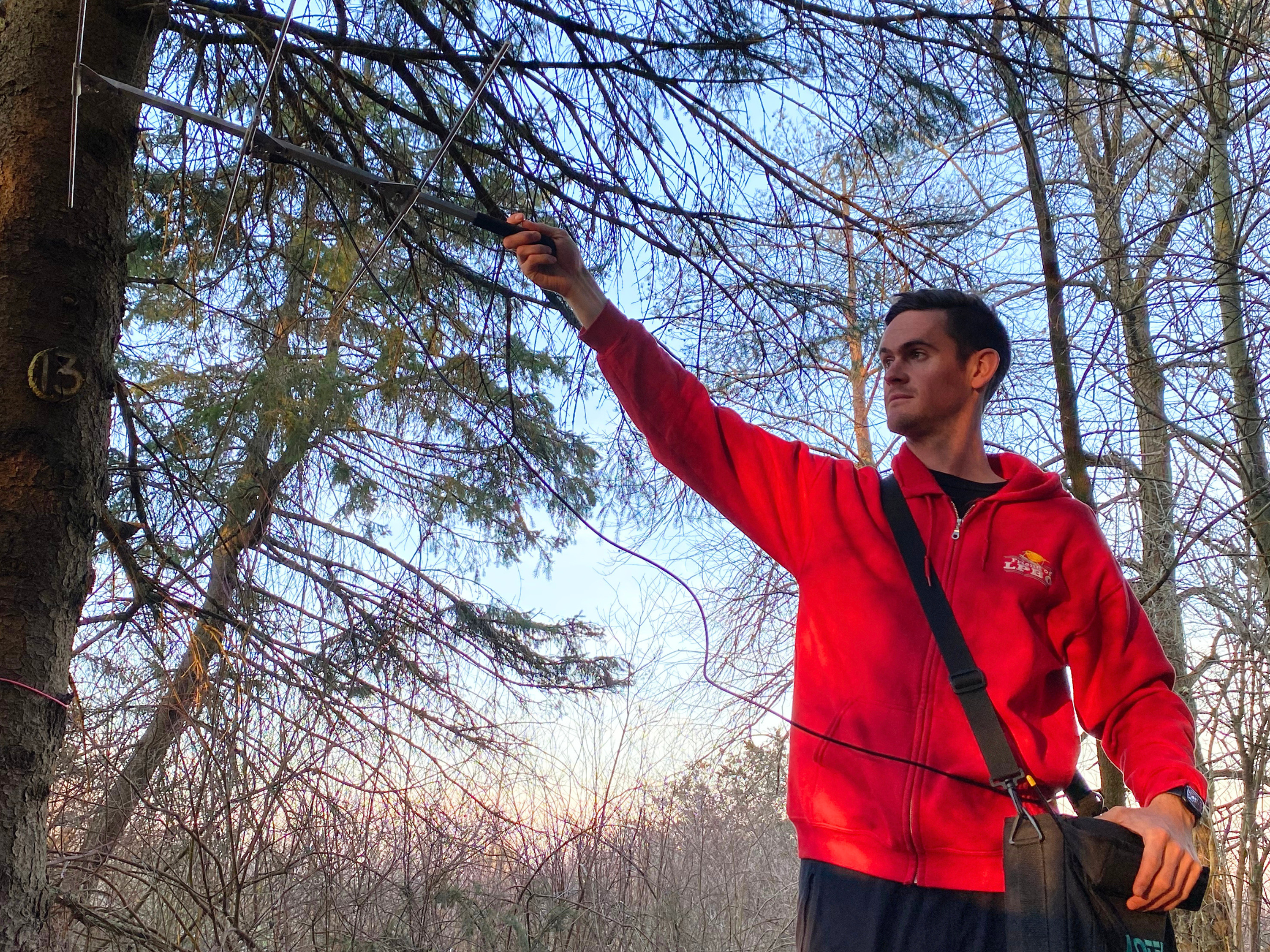
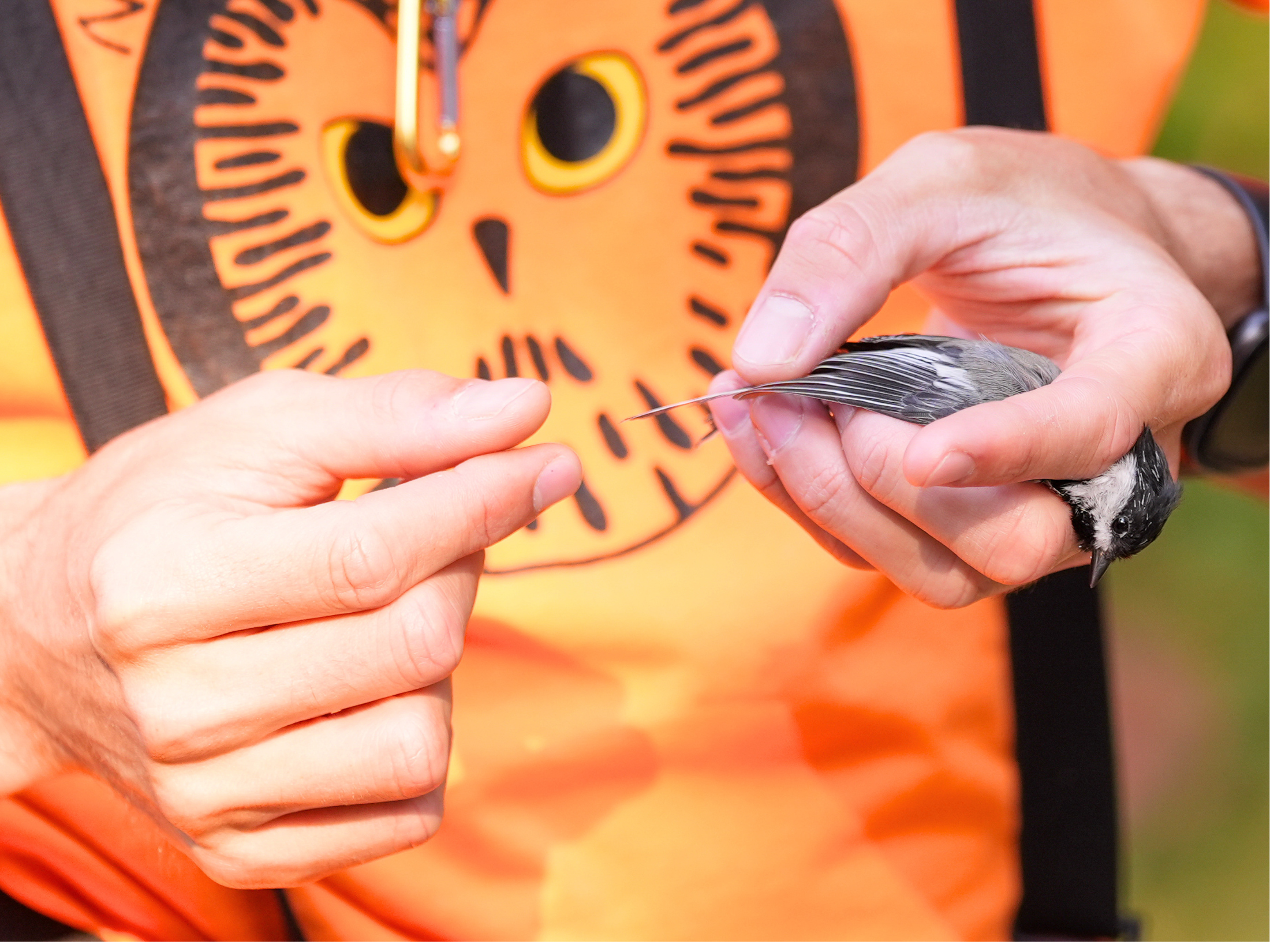
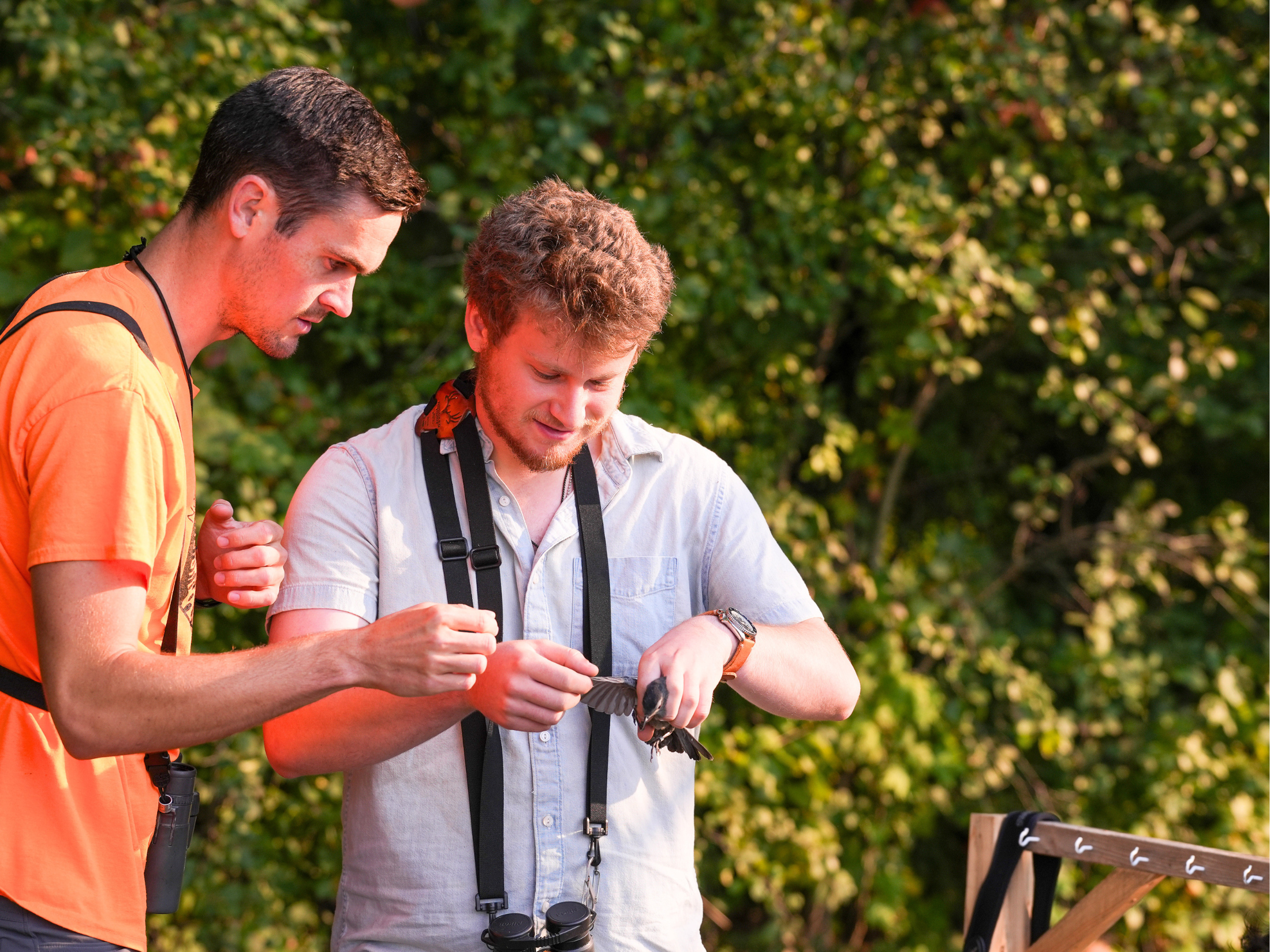
During spring and fall, Leys studied four songbird species along their migration routes at Long Point Bird Observatory in Ontario. The Brown Creeper, Golden-crowned Kinglet, Ruby-crowned Kinglet and Yellow-rumped Warbler were selected because the research team predicted they were likely to use shallow torpor (a state of decreased physiological activitythat results in a controlled reduction in body temperature) due to their small size, insect diet, and the cooler ambient temperature during their migration.
Using temperature-sensitive PIT tags and open-flow respirometry at night, Leys measured each bird’s body temperature and metabolic rate. He found that all four study species regularly used shallow torpor during their rest phase, demonstrating that this strategy, known as torpor-assisted migration, is common among migrating songbirds. The ability to use shallow torpor to lower their body temperature and metabolic rate can help the small birds survive cold weather spells, arrive earlier at breeding grounds, and have a longer breeding season. Interestingly, birds with smaller fat stores used torpor more deeply and frequently than those with larger fat stores.
As a passionate ornithologist and birder, Leys is always looking for opportunities to observe birds in unique circumstances and uncover new insights into their behaviour. That curiosity led him to an unexpected research opportunity during the total solar eclipse in April 2024. Leys discovered that the Long Point Bird Observatory lay within the path of totality, and he decided to seize the chance to observe how birds responded when daytime conditions suddenly resembled dusk.
Leys found that diurnal birds (species that remain active during daylight and rest at night) exhibited behaviours typical of the dusk period, such as flocking and roosting. One crepuscular species (a species primarily active during twilight), the American Woodcock, began calling during the eclipse despite it occurring in the middle of the day. Leys later published a short natural history note describing his observations. Together, his findings continue to highlight the remarkable ways birds adapt to changing environmental conditions, from conserving energy during migration to responding to rare celestial events.
We spoke with Ryan about his experience as a graduate student and his goals for the future.
What is the working relationship like with your supervisor, Dr. Liam McGuire?
I originally started as a master’s student but transferred to the PhD program after about a year. My supervisor is Dr. Liam McGuire, a physiological ecologist with an integrative research program. My working relationship with him is fantastic. I’ve really enjoyed my time in his lab, and he always provides meaningful feedback on all my work and gives me the opportunity to work independently. He has helped me grow as a scientist, writer, and as a mentor to other students.
What are you looking forward to in the near future regarding your studies?
First, I’m looking forward to presenting my PhD research at the International Ornithological Congress in Mérida, Mexico, in December. I’m also looking forward to defending my PhD during the winter term in 2027.
How do you like to spend your time outside your studies? What do you enjoy about Waterloo Region?
Outside of work, I spend a lot of my time birding (or just being in nature), playing soccer, and walking my dogs. I also love travelling and try to visit a new country each year. There’s so much of the world to see! I appreciate that Kitchener-Waterloo has a lot of trails and parks—I’m lucky to live near Columbia Forest and walk through almost every day.
Interested in conducting research in graduate school?
Browse master's and PhD programs offered
Read about available research project opportunities