
For more than 160 years, hydrocarbon extraction through well drilling has been central to Canada’s oil and gas industry. As oil and gas fields become depleted or unprofitable, many of these wells are abandoned, leaving behind thousands of non-producing “legacy” wells. These wells can leak gases into groundwater, damage ecosystems, threaten human health, and in rare cases trigger explosions. Cooper Pickering’s research as a Master of Science in Earth Sciences student at the University of Waterloo is focused on establishing a process-based understanding of methane, hydrogen sulfide, and carbon dioxide leakage from legacy wells.

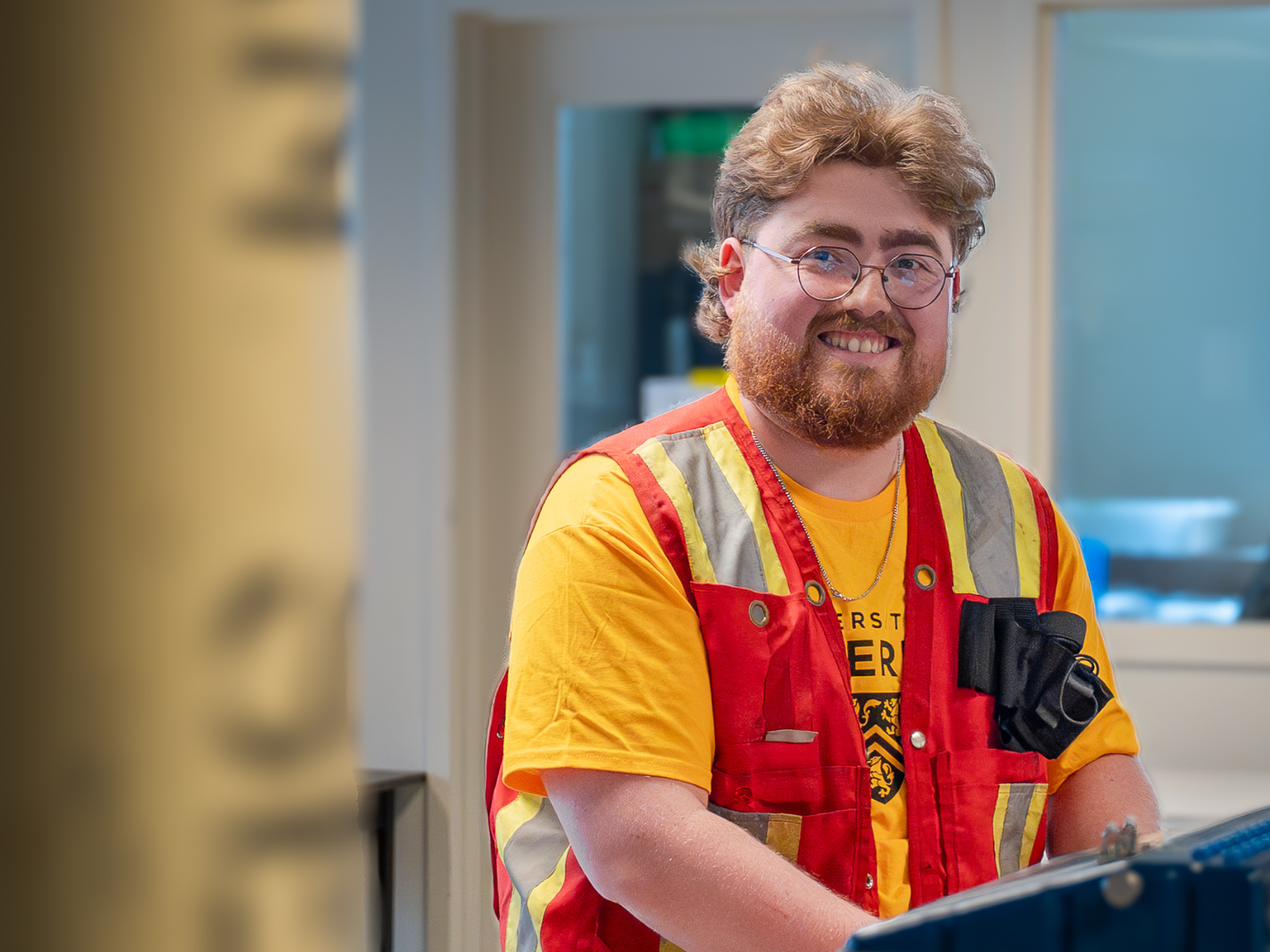
Cooper Pickering (he/him), Master of Science in Earth Sciences student

Cooper Pickering (he/him), Master of Science in Earth Sciences student

Cooper Pickering (he/him), Master of Science in Earth Sciences student

Cooper Pickering (he/him), Master of Science in Earth Sciences student
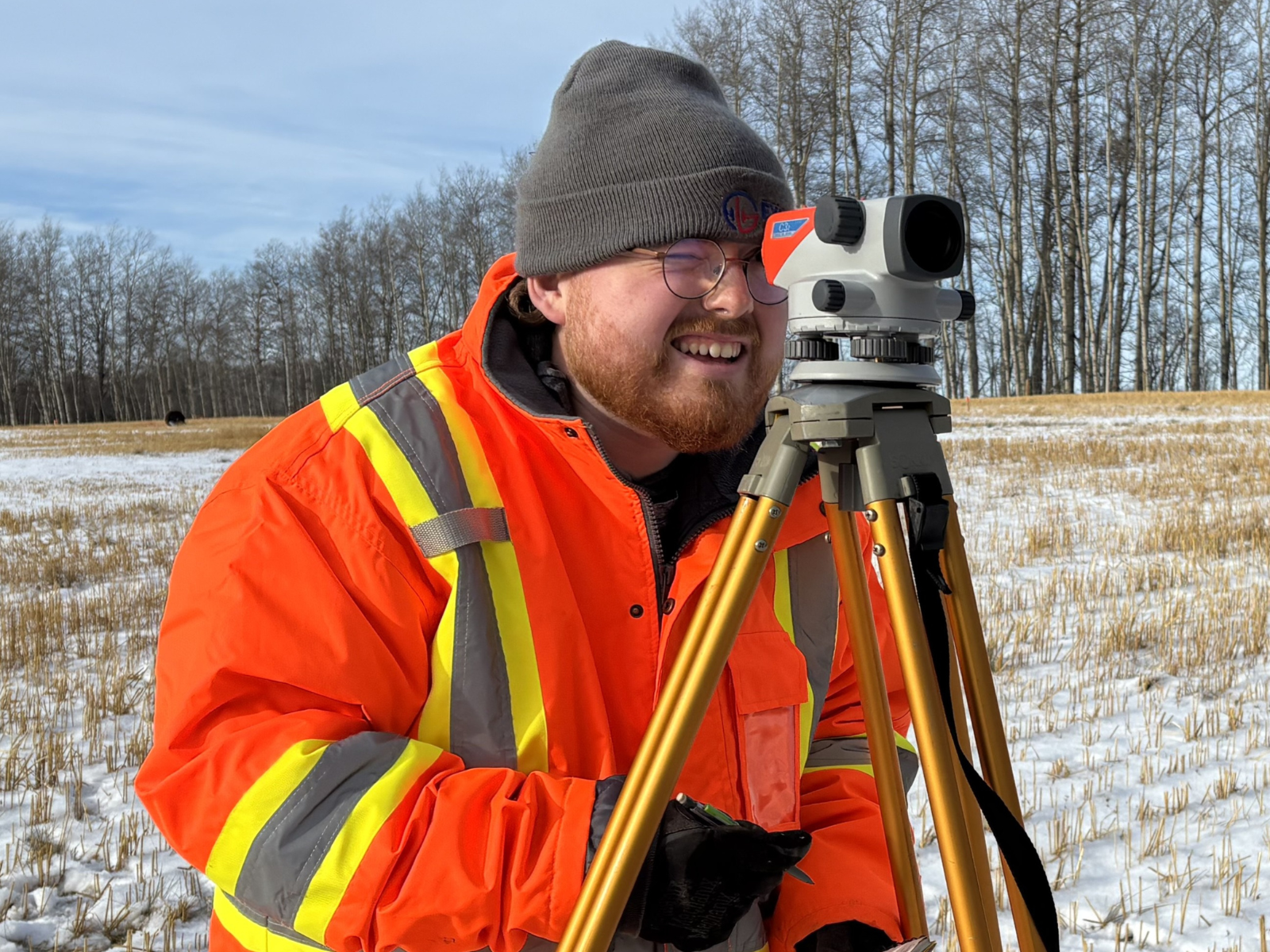
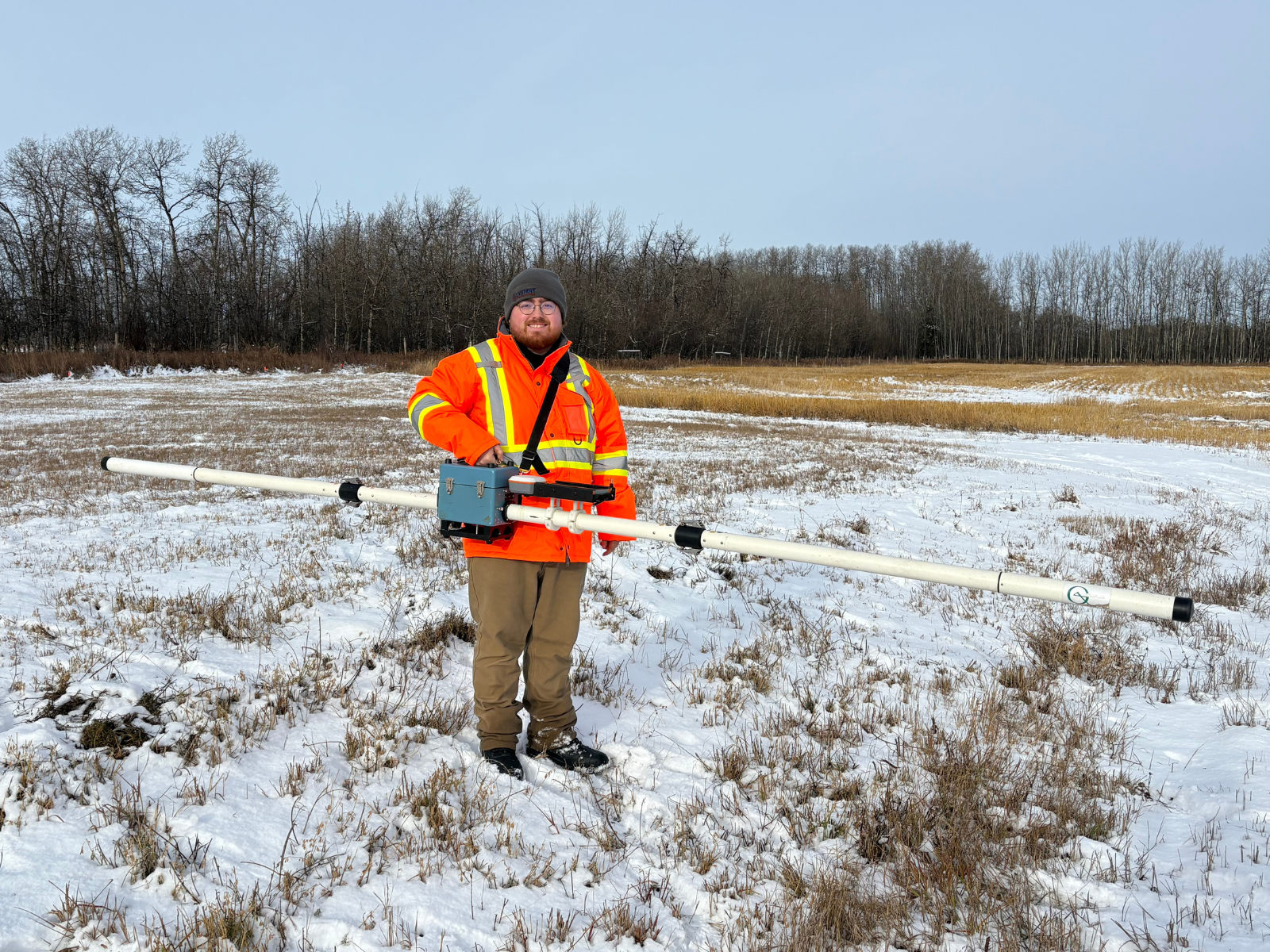
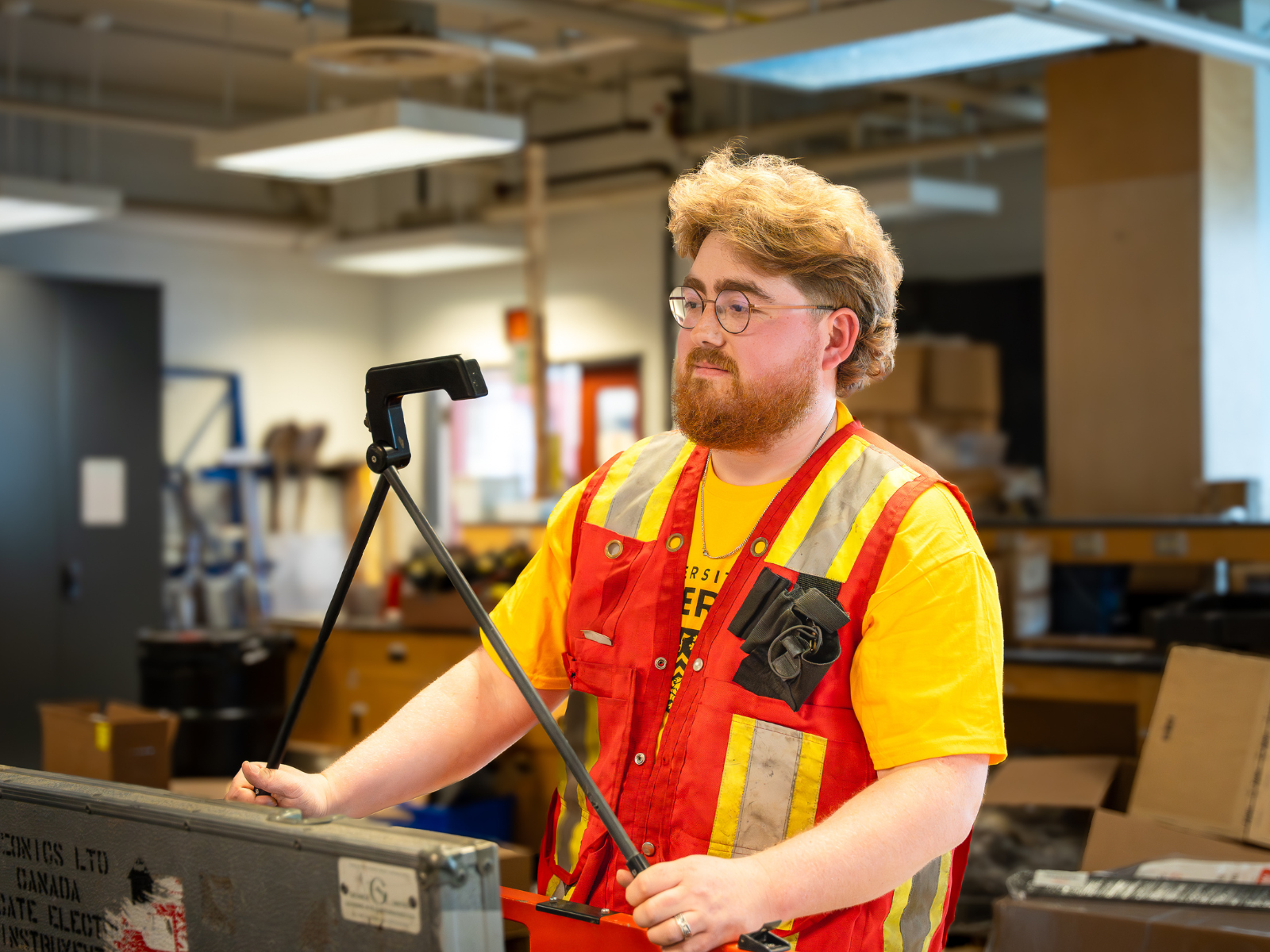
Since these wells are abandoned, contaminant leaks can go unnoticed for long periods of time without mitigation or prevention—highlighting the need for improved diagnostic approaches that assess ground conditions and potential leakage pathways. In his research, Pickering uses geophysical methods to monitor oil and gas wells, including resistivity and electromagnetic induction to measure the electrical response of the shallow ground, and the change in gas contamination footprints over time. His field work is based in northern British Columbia in partnership with colleagues from Heriot-Watt University in Scotland, the BC Energy Regulator, and industry members. His findings can have direct implications for communities and governments that manage contamination risks and greenhouse gas emissions from legacy wells.
Pickering’s path toward applied geophysics and physical hydrogeology began at an unexpected crossroads. When he enrolled in the Science and Aviation undergraduate program at Waterloo, he was already an accomplished pilot, having earned two licenses through the Royal Canadian Air Cadets. Aviation felt like a clear and natural direction for his career. Then, just nine months into the program, a cycling accident brought everything to a standstill. A broken wrist meant a pause to flight training.
To pass the time, he decided to get a head start on completing his program’s required courses, which happened to be focussed on earth sciences. Surprisingly, he began enjoying these courses a lot more than his aviation ones (and not just because he met his fiancé during this time). Pickering reflected upon the career he wanted, and even though he enjoyed flying, the Earth Sciences program felt like where he was meant to be, so he made the switch. For the next three years, he gained experience as an undergraduate teaching and research assistant and especially enjoyed learning from assistant professor, Dr. Colby Steelman. He followed his passion and is now pursuing a master’s degree with Steelman as his supervisor.
Why did you choose Waterloo for graduate school?
I’d like to say the study of earth science is what drew me into doing a master’s thesis, but to be completely honest, it was the community within the Department of Earth & Environmental Sciences that made me want to stay. This department has something you can’t describe, but it makes you want to be successful in whatever you are doing. I love being an earth scientist, and the University of Waterloo, in my opinion, is the best place to become one.
What is it like working with your supervisor?
The working relationship with my supervisor, Dr. Colby Steelman, is fantastic! Colby is an excellent mentor; he has taught me a lot in the classroom setting and even more one-on-one. He has an open-door policy, gives great guidance and is always available to talk about research, career, or my life goals.
What are you looking forward to in the future?
There is a lot for me to be excited about in the next few months regarding my research. I’m presenting this spring at the Canadian Geophysical Union conference in Halifax, I will have my first committee meeting soon, and our research team recently published a paper in Geophysical Research Letters – an international scientific journal.
How do you spend your time outside your studies in Waterloo?
I enjoy outdoor activities, traveling, going to the gym, and cheering on the Blue Jays and Pittsburgh Steelers. I often hang out with friends at the Grad House on campus, and I plan events through my role as co-president of the Earth Science Graduate Student Association. I have lived in Waterloo for almost six years, and now I call the city home.
Interested in conducting research in graduate school? Read about the available research project opportunities and graduate programs in the Faculty of Science at the University of Waterloo.