When you’re a gig worker during a global pandemic and your boss is an app
Gig work is transforming our global economy and public health as workers weigh risks every day in precarious, low-wage jobs to deliver us food and parcels.
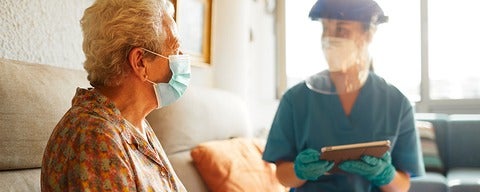
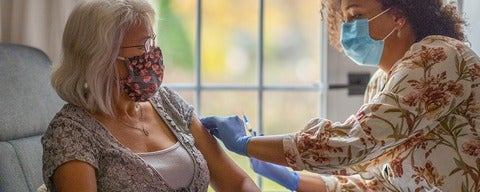
Long-term care residents, isolated because of the COVID-19 pandemic, are at increased risk for negative mental health outcomes. New research shows those outcomes can be measured and mitigated with thoughtful interventions informed by data.
Flip-flops have a tendency to come off the foot entirely during slips in dry and wet conditions, contributing to a greater risk of injury, says a University of Waterloo study.
We asked public health expert Professor Zahid Butt to take us through what we’ve learned about COVID-19 in the year that has passed, and what we still need to learn in order to beat the virus.
Hannah Tait Neufeld, a professor in the School of Public Health and Health Systems, has been awarded a new Tier 2 Canada Research Chair in Indigenous Health, Wellbeing and Food Environments from the Canadian Institutes of Health Research.
Household smart thermostat sensors can be used to help monitor the health of older adults and home patients, according to results from a new University of Waterloo pilot study.
Researchers from the University of Waterloo and Bumble have partnered to study how interacting in a space that promotes justice and social equity affects dating.
As we brace for another possible spike in COVID-19 infections this winter, Professor Troy Glover says we need a reason to bundle up and go outside.
In a displaced-persons camp in northern Nigeria, many Hausa women of reproductive age are at risk of developing sexually transmitted infections (STI), causing them pain, infertility, miscarriages and marital conflict. Amodu's work will test the effectiveness of education and treatment services for STI prevention among women displaced by terrorism in Nigeria.
A new software system designed at Waterloo is improving patient care and setting the gold-standard in data reporting at Grand River Hospital. One day, it may help patients choose what kind of treatment to receive.