
Teaching the next generation of tax professionals and preparing them for a wide range of careers in tax is core to the Tax Centre’s mission. For professionally oriented students, we offer a range of required and elective courses across our undergraduate and Master of Accounting (MAcc) programs, as well as our top-ranked Master of Taxation (MTax) program. For academically oriented students, we offer a PhD in Taxation. To further support tax pedagogy and skill development, we also lead initiatives such as our educator conferences, tax practitioner workshops and the Young Tax Professionals program.
MAcc
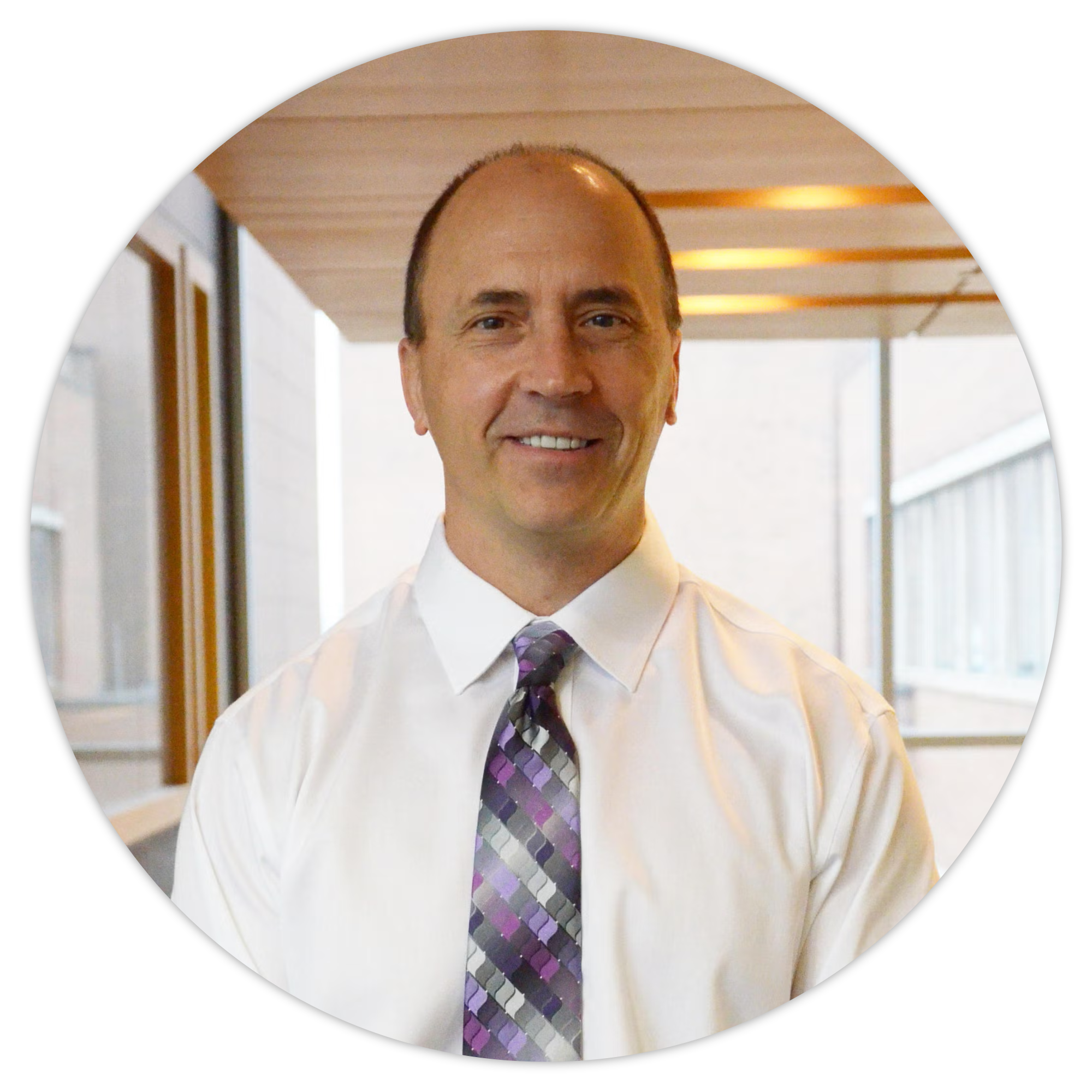
In the Master of Accounting Tax Practice course, led by Dan Rogozynski, Professor and Co-Director of Professional Masters Programs, students tackled complex, real-world tax cases drawn from professional practice. Through a problem-based learning approach, they sharpened their tax research, writing and presentation skills, working through situations where clear answers were not always apparent, fostering critical thinking and deeper learning. A key outcome was students’ ability to confidently interpret and apply the Income Tax Act, a skill many noted they had not developed in other courses, while using both primary and secondary sources to support their analysis.
With the integration of AI, students enhanced the speed and depth of their research while demonstrating strong professional judgement by validating outputs against authoritative tax resources. The result was highly engaged students who were able to navigate ambiguity, think critically and deliver clear, well-supported recommendations, exactly what today’s tax profession demands.
MTax
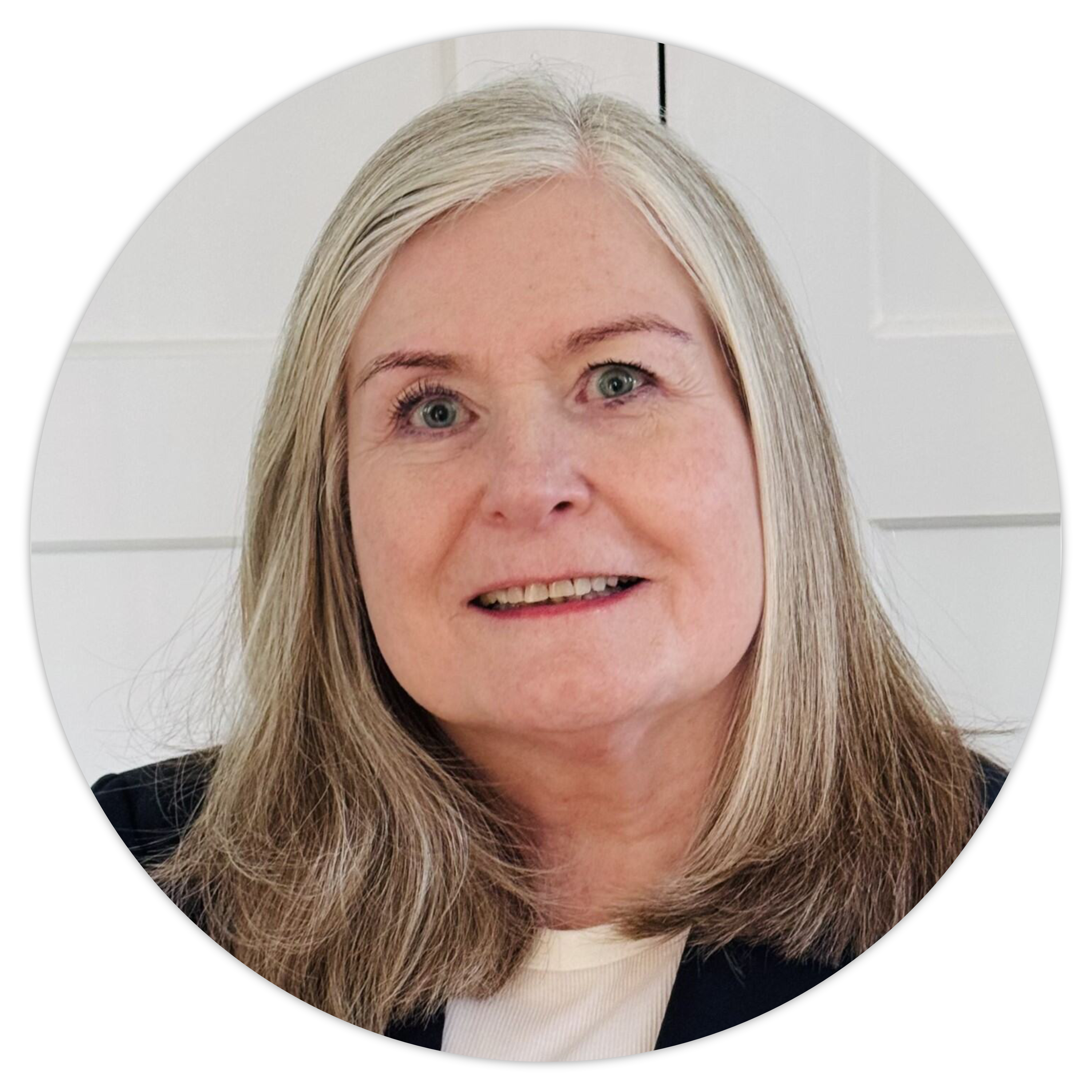
The use of artificial intelligence (AI) is becoming increasingly integrated into tax practice, but critical thinking and judgment remain distinctly human skills. The MTax Research Course, taught by Deb Kraft, Professor and Deputy Director of Programs and Strategy, underwent a pivotal shift this year, embedding generative AI directly into its core learning outcomes. This deliberate, forward-looking approach is focused on developing practice-ready professionals in today’s AI-enabled world.
Students worked through complex, real-world tax tension points, comparing AI-generated interpretations with primary sources to identify gaps or hallucinations, and reflect on what those discrepancies revealed about both the technology and their own understanding. The deliberate integration of AI adds an important dimension to this course: students learn to use it to extend their capacity and explore ideas more broadly, while continuously evaluating the quality and reliability of its output. The result is a cohort better prepared to navigate modern tax practice, combining technical expertise with the judgment required to use AI responsibly and effectively.
Tax Practitioner Workshop

Tax research has the greatest impact when research, practice and education continuously inform one another. The Tax Practitioner Workshop pilot brought together tax faculty and professionals to share implications of academic research for real-world practice and emerging trends in tax education. Held in Waterloo in partnership with EY, the workshop tested a new model to share academic insights with staff- and manager-level participants, with topics focusing on sustainability and tax policy, innovation, and the impact of generative AI on education and practice.
The workshop saw strong participation and highly positive feedback, with attendees noting the value of research-based insights in framing complex issues at a broader level that are not always visible in day-to-day work. The pilot confirmed strong demand for continued collaboration between academia and practice, underscoring the importance of sustained engagement among researchers, practitioners and educators in shaping how the field evolves.
Tax Educator
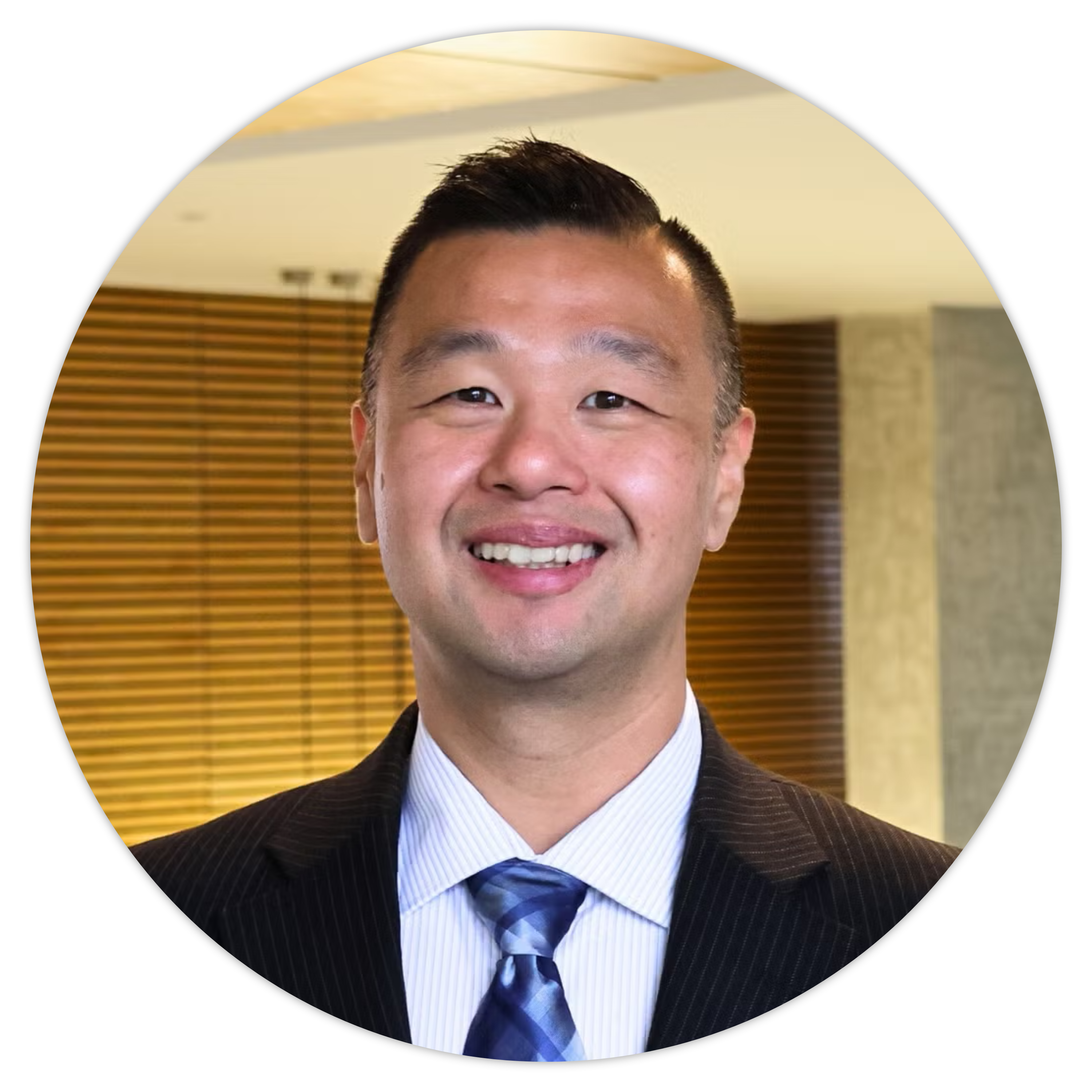
Tax teaching is being reshaped through national collaboration. The Tax Educator Conference, organized by David Lin, Professor at the School of Accounting and Finance, brings together educators from across Canada to share innovation and improve how tax is taught in a field that is often siloed. It focuses on translating emerging ideas into practice across institutions.
In 2025, the conference returned to the University of Waterloo campus and welcomed 40 educators in a hybrid format. Conversations focused on how generative AI is reshaping teaching and assessment, as well as the integration of sustainability and ESG into curriculum. Educators considered how these ideas could be applied in their own teaching, emphasizing practical implementation. The result is a stronger national network of educators and continued advancement of how tax is taught in Canada, reinforcing SAF’s leadership in the field.
Young Tax Professionals
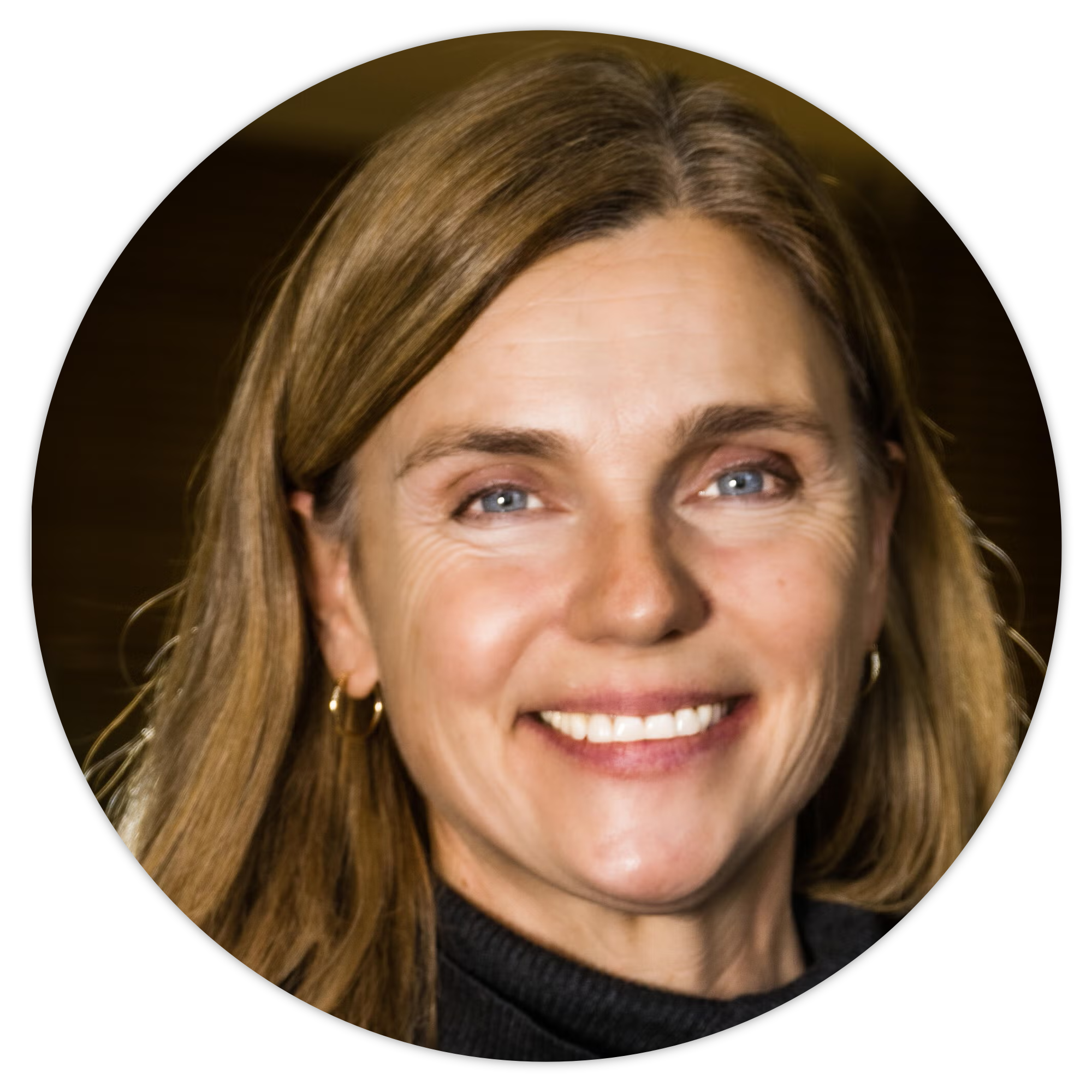
Real tax issues. Real practitioners. Real outcomes. The Young Tax Professionals program, led by Professor and MTax Associate Director Julie Robson, brings tax to life by connecting classroom learning to real-world tax practice and career pathways in the field. Thirty-seven students and 19 alumni mentors were engaged through speaker sessions, MTax workshops (with RSM and KPMG), mentorship, and case competitions tackling complex issues such as Section 84.1 (an anti-avoidance rule preventing surplus from being treated as tax-free gains) and intergenerational transfers.
Students built networks, engaged with industry and applied their skills in real time. The result: 2nd place at the Tax Executives Institute international Case Competition in Montreal, proof that experiential learning delivers international-level results.