Waterloo EcoEvo Journal Club: Winter 2026
The EcoEvo Journal Club meets bi-weekly on Fridays from 12-1pm in B2-226.
Join Us for the 2nd Annual PATh Science Symposium!
All students and faculty members in the Faculty of Science or the Dept. of Applied Math are invited to the Path Science Symposium.
The EcoEvo Journal Club meets bi-weekly on Fridays from 12-1pm in B2-226.
The Faculties of Science, Engineering and Mathematics are delighted to invite alumni in the Boston area to an alumni social in the Retro Room at Back Bay Social on April 14, 2026. Back Bay's new Retro Room blends vinyl, 1970s decor and comfort food classics. Come to experience this new 1970s-inspired listening lounge where vinyl sets the mood.
Graeme Howe
Professor, Department of Chemistry and Biomedical & Molecular Sciences
Queen’s University
April 21, 2026
11 a.m.
In-person: C2-361
Matthew T. McDowell
Professor
Carter N. Paden, Jr. Distinguished Chair
Co-Director, Georgia Tech Advanced Battery Center
G. W. Woodruff School of Mechanical Engineering
School of Materials Science and Engineering
Georgia Institute of Technology, USA
April 23, 2026
11 a.m.
In-person and online: C2-361 and MS Teams
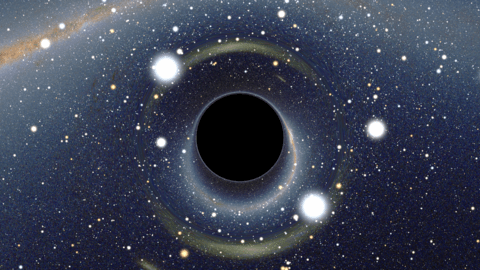
Black holes are massive objects from which even light cannot escape -- so how can we "see" them? In this month's KPL astronomy talk, Lucy Pothier-Bogoslowski will discuss several observational techniques and properties of black holes that allow us to observe them and their impact on their environments from small to large scales.
Please register through the KPL events page.
We invite you to join us for the Turtle Island Indigenous Science Conference 2026, a three-day gathering that brings together academics, Indigenous Knowledge Keepers, students, and community organizations to share research, stories, and practices grounded in Indigenous science.
Learn more and register.
Attending this year's Canadian Chemistry Conference and Exhibition (CSC) in Toronto this year? Meet us at Kellys Landing for a chance to reconnect with your classmates, network with fellow alumni and hear updates from Science leadership about the Department of Chemistry and Faculty of Science.
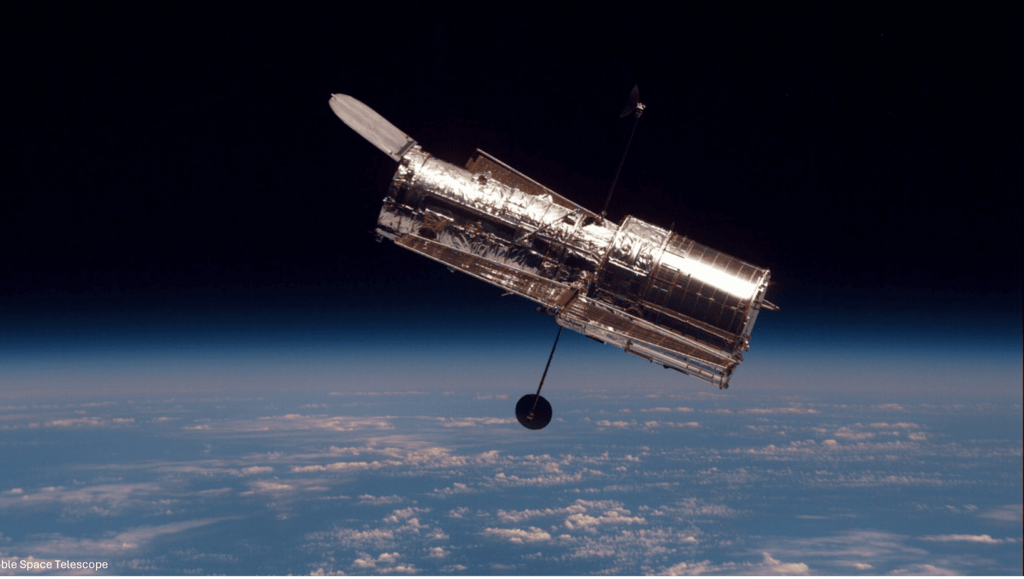
Astronomers today have access to telescopes that orbit Earth, or that have extremely large mirrors, allowing us to study the furthest corners of the Universe. In this month's KPL astronomy talk, Dr. Ana Ennis will discuss the foundational optics that led to the invention of the telescope, and in particular, the stories of the people that contributed to it.
Please register through the KPL events page.